Best Soil for Monstera
What Soil Does a Monstera Need?
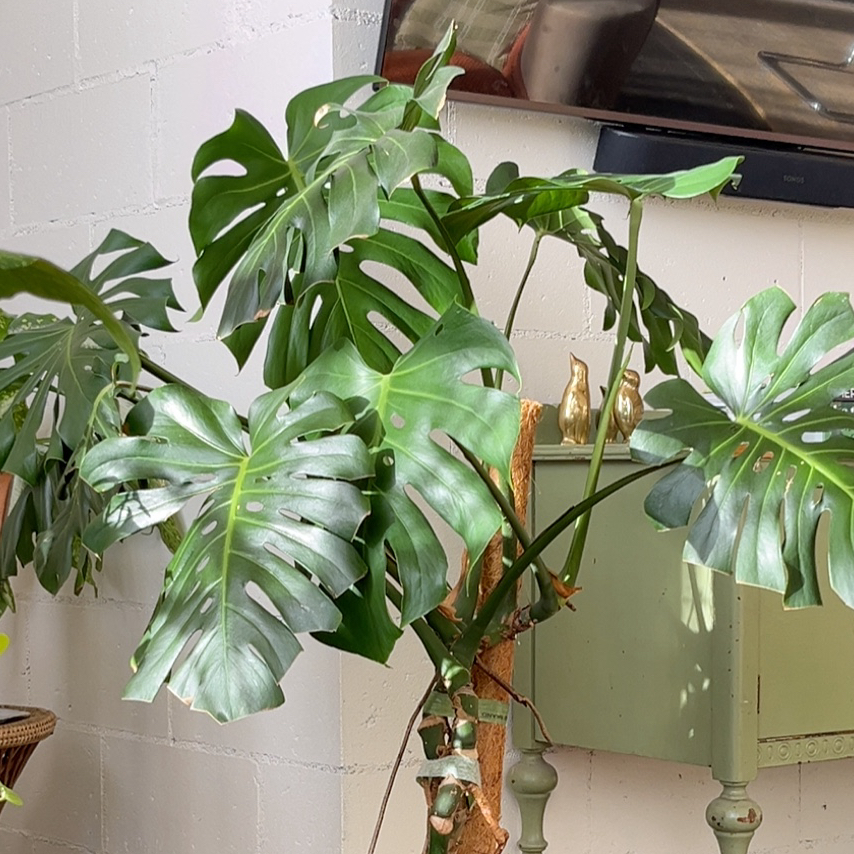
Monstera is an epiphytic climber from tropical rainforests, where its roots cling to tree bark and absorb moisture from humid air. It needs soil that holds some water but never stays soggy, with plenty of air pockets around the roots.
Standard potting soil on its own is too dense for Monstera. It holds too much water and doesn't let enough oxygen reach the roots, which can lead to root rot.
The fix is simple: mix in chunky amendments like orchid bark and perlite. Bark creates large air pockets that mimic the gaps Monstera roots would find clinging to a tree trunk. Perlite keeps things light and speeds up drainage.
A little horticultural charcoal helps absorb excess moisture and keeps the mix fresh longer. Think of it as a filter for your soil.
What Soil Mix Should I Use for My Monstera?

What pH Does My Monstera Need?
Monstera prefers slightly acidic soil in the 5.5 to 6.5 range, which is where most tropical houseplant mixes naturally land. You can check yours with a simple soil pH meter or test strips from any garden center.
If the pH drifts too high (above 7.0), iron and manganese become harder for the roots to absorb. You'll notice yellowing between the leaf veins while the veins themselves stay green. This is called chlorosis, and it's usually a pH problem, not a nutrient deficiency.
When Should I Replace My Monstera's Soil?
Plan to refresh the soil every 1-2 years. Orchid bark breaks down over time and turns mushy, which reduces airflow and defeats the purpose of the chunky mix.
Monstera is a moderate grower that puts out several new leaves per year. As it grows, it uses up nutrients and the soil compacts. A fresh mix at repotting time gives it a big boost.
What Soil Amendments Does a Monstera Need in the Ground?
If you're planting a Monstera outdoors in a warm climate, its thick aerial roots need soil that is loose, rich, and drains quickly. In the wild this plant climbs through forest floors filled with decomposing leaves and bark, so your goal is to recreate that spongy texture.
For clay soil, mix in generous amounts of coarse compost, orchid bark, and perlite to break up density and prevent root rot. Sandy ground benefits from plenty of compost and leaf mold to boost moisture retention and nutrient content. Choose a sheltered spot under tree canopy or near a wall where the plant can climb and stay out of direct afternoon sun.
Got More Questions?
About This Article
