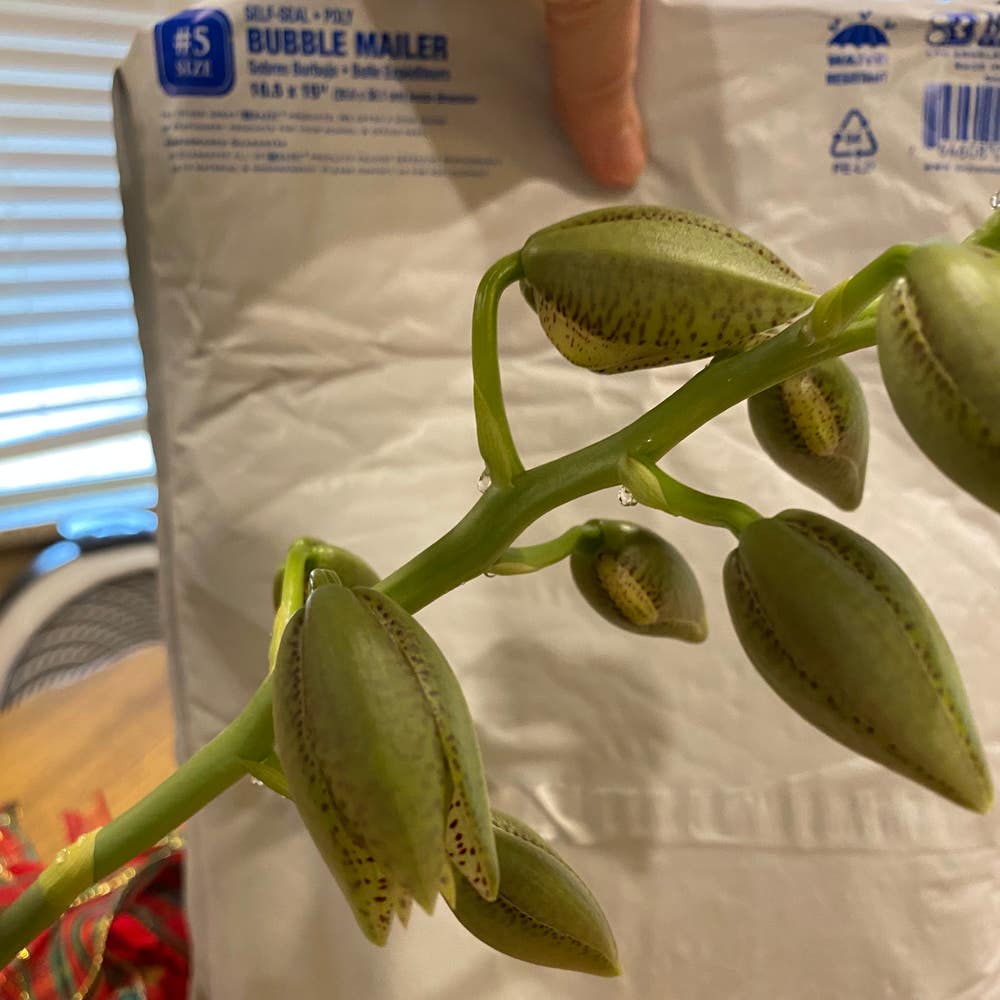
🌸 All About Catasetum deusvandoi: Essential Facts
Catasetum deusvandoi
By the Greg Editorial Team
Feb 26, 2025•9 min read
This article was created with the help of AI so we can cover more plants for you. May contain errors. See one? Report it here.
Unlock the beauty of Catasetum deusvandoi 🌱 with expert care tips that ensure your orchid thrives and dazzles! 🌸
- 🌞 Catasetum deusvandoi thrives in bright, indirect sunlight; avoid direct midday sun.
- 🌡️ Ideal temperatures range from 20°C to 30°C for optimal growth and health.
- 💧 Maintain humidity levels between 50-70% using trays or misting for best results.
How to Grow
🌞 Choosing a Location
To thrive, Catasetum deusvandoi needs bright, indirect sunlight. Direct midday sun can scorch its leaves, so find a spot that offers filtered light.
Temperature is another key factor. Aim for warm conditions between 20°C to 30°C (68°F to 86°F) to keep your plant happy and healthy.
Humidity levels should be high, ideally between 50-70%. Consider using a humidity tray or misting to create a suitable environment.
🌱 Soil Preparation
For optimal growth, use a well-draining orchid mix. A blend of bark and perlite works wonders for Catasetum.
The pH level of the soil should be slightly acidic to neutral, ranging from 5.5 to 7.0. This balance helps ensure nutrient availability.
🌿 Planting Techniques
When planting, ensure that the pseudobulbs are partially above the soil line. This positioning allows for better air circulation and prevents rot.
Space your plants adequately, allowing 6-12 inches apart. This distance promotes airflow and reduces the risk of disease.
💧 Watering Requirements
Water your Catasetum thoroughly when the top inch of soil feels dry. This practice helps prevent overwatering, which can lead to root rot.
Use room temperature water for the best results. Avoid waterlogging by ensuring proper drainage in your pots.
🌼 Fertilizing Schedule
Opt for a balanced orchid fertilizer, such as a 30-10-10 mix. This type of fertilizer supports healthy growth.
During the growing season, dilute the fertilizer to half strength. This approach prevents nutrient burn and encourages robust development.
✂️ Pruning Practices
Prune your Catasetum after flowering to maintain its health. Remove any dead or yellowing leaves to promote new growth.
Use clean, sharp scissors for pruning. This practice minimizes the risk of infection and keeps your plant thriving.
🔍 Ongoing Care
Regularly monitor your plant's growth for signs of stress or nutrient deficiency. Early detection is key to addressing potential issues.
Be prepared to adjust light, water, and humidity based on your plant's response. Flexibility in care can lead to a more vibrant and resilient Catasetum.
With these guidelines, you're well on your way to nurturing a stunning Catasetum deusvandoi. Next, let's explore propagation methods to expand your orchid collection.
Propagation
🌱 Methods of Propagation
Catasetum deusvandoi can be propagated through two primary methods: division and seed sowing. Division involves separating healthy pseudobulbs during the growing season, while seed propagation requires collecting seeds after flowering and sowing them in a sterile medium.
📋 Step-by-Step Instructions for Each Method
1. Division
- Start by selecting healthy pseudobulbs that have robust roots.
- Carefully separate the pseudobulbs and replant them in fresh orchid mix to encourage growth.
2. Seed
- Prepare a sterile medium, such as agar, to ensure a clean environment for germination.
- Sow the seeds and maintain high humidity levels until they sprout.
⏰ Timing and Conditions for Successful Propagation
The best time to divide your Catasetum is in the spring, right after the plant has gone dormant. For seed germination, aim for warm temperatures and high humidity to create the ideal conditions for growth.
With these methods, you can expand your collection of Catasetum deusvandoi and enjoy the beauty of these unique orchids. Next, let’s explore the size and growth habits of this fascinating plant.
Size
Overview of Size and Growth Habits 🌱
Catasetum deusvandoi typically reaches a mature height of 30-60 cm (12-24 inches) and spreads about 30-45 cm (12-18 inches). Its growth rate is moderate, heavily influenced by factors like light, water, and nutrient availability.
Size Variability Based on Growing Conditions 🌍
The size of your Catasetum can vary significantly depending on whether it's grown in a container or outdoors. Container plants may remain smaller due to limited root space, while those in the ground can thrive and reach their full potential.
Understanding these growth habits helps you set realistic expectations and care strategies for your plant. By providing optimal conditions, you can encourage robust growth and enjoy the stunning beauty of this unique orchid.
As we delve deeper into caring for your Catasetum, let's explore the roots that support its growth and health.
Roots
Characteristics of the Root System 🌱
Catasetum deusvandoi features a fibrous root system complemented by its unique pseudobulb structure. These roots are shallow and prefer to spread horizontally, which allows them to efficiently absorb moisture and nutrients.
Common Root-Related Issues ⚠️
One of the most common problems is root rot, typically caused by overwatering. Symptoms include mushy roots that can lead to serious health issues for your plant.
Another issue is becoming rootbound, which occurs when the roots fill the pot. Signs of this condition include stunted growth and a lack of vigor in the plant.
Visual Cues for Healthy vs. Unhealthy Roots 👀
Healthy roots are firm and exhibit a white or light tan color, indicating they are thriving. In contrast, unhealthy roots appear dark, mushy, or may even emit a foul smell, signaling trouble.
Tips for Managing Root Health 🛠️
To maintain optimal root health, repot your Catasetum every 1-2 years. This refreshes the soil and prevents rootbound conditions.
Additionally, ensure proper drainage in pots to avoid water accumulation. Good drainage is crucial for preventing root rot and promoting a healthy root system.
By keeping an eye on these factors, you can help your Catasetum thrive and enjoy its stunning beauty for years to come. Next, let’s explore the benefits of growing this remarkable orchid.
Benefits
Top 5 Benefits of Growing Catasetum deusvandoi 🌸
Growing Catasetum deusvandoi offers a unique aesthetic appeal with its striking flowers. These orchids can become the centerpiece of any indoor or outdoor garden, captivating anyone who lays eyes on them.
Another significant advantage is their air purification properties. By improving indoor air quality, these plants contribute to a healthier living environment.
Cultural significance also plays a role in their allure. In various regions, Catasetum orchids symbolize beauty and resilience, making them meaningful additions to any collection.
Additionally, they attract pollinators, enhancing garden biodiversity. This not only supports local ecosystems but also creates a vibrant atmosphere in your garden.
Lastly, cultivating Catasetum deusvandoi provides a rewarding challenge for orchid enthusiasts. The journey of nurturing these plants fosters a deeper connection to nature and a sense of accomplishment.
With these benefits in mind, it's clear that growing Catasetum deusvandoi is not just about aesthetics; it's about enriching your environment and personal growth as a gardener.
Next, let’s explore some common problems faced when growing these beautiful orchids.
Problems
Common Problems Faced When Growing 🌱
Growing Catasetum deusvandoi can be rewarding, but it comes with its share of challenges. Understanding these common problems will help you keep your plant thriving.
1. Incorrect Watering
Watering is crucial for your plant's health.
- Overwatered: Look for yellowing leaves and mushy roots.
- Underwatered: Signs include wilting and shriveled pseudobulbs.
2. Incorrect Light Conditions
Light plays a vital role in growth.
- Signs: Leaf burn or leggy growth indicates improper light exposure.
- Solution: Adjust light levels to ensure your plant receives bright, indirect sunlight.
3. Incorrect Temperature
Temperature affects overall plant vitality.
- Signs: Stunted growth or leaf drop can signal temperature issues.
- Solution: Maintain a warm environment, ideally between 20°C to 30°C (68°F to 86°F).
4. Diseases
Fungal diseases can be a significant threat.
- Fungal Issues: Look out for powdery mildew and black rot.
- Solution: Improve air circulation and avoid overhead watering to minimize disease risk.
5. Leaf Issues
Leaf health is a direct reflection of your plant's well-being.
- Scorching: This often results from too much direct sunlight.
- Yellowing: This can indicate nutrient deficiency or overwatering.
By being aware of these common problems, you can take proactive steps to ensure your Catasetum deusvandoi remains healthy and vibrant. Next, let’s explore the potential pest issues that could affect your plant.
Bugs
🐛 Potential Pest Issues
Catasetum deusvandoi is generally known for its moderate pest resistance. However, it can still fall victim to certain pests that may threaten its health.
🔍 Identification and Damage Caused by Each Pest
Spider Mites
- Signs: Look for fine webbing and stippled leaves.
- Damage: These pests weaken plant health, leading to overall decline.
Scale Insects
- Signs: Sticky residue and small bumps on leaves are telltale signs.
- Damage: Scale insects reduce vigor and hinder photosynthesis.
Mealybugs
- Signs: Cotton-like masses on stems and leaves indicate their presence.
- Damage: They are sap-sucking pests that can cause significant stress to the plant.
Aphids
- Signs: Curling leaves and sticky honeydew are common indicators.
- Damage: Aphids weaken the plant and can attract ants, creating further issues.
Whiteflies
- Signs: Tiny white insects on the undersides of leaves are a clear sign.
- Damage: They cause yellowing leaves and reduced growth, impacting overall vitality.
🛠️ Effective Treatment Options for Pest Management
To combat these pests, consider using insecticidal soap or neem oil. Regular inspections of your plants can help catch infestations early, ensuring your Catasetum remains healthy and thriving.
By staying vigilant and proactive, you can enjoy the beauty of your orchid without the worry of pest-related issues.
What Eats
🦌 Common Animals That May Damage the Plant
Catasetum deusvandoi can attract a variety of hungry critters. Deer, rabbits, squirrels, and rodents are known to nibble on these orchids, potentially leading to significant damage.
👀 Signs of Animal Presence and Types of Damage
Keep an eye out for signs of animal activity around your plants. Chewed leaves, broken stems, and droppings nearby are clear indicators that your Catasetum is being targeted. This damage can stunt growth or even lead to the plant's demise if not addressed promptly.
🚫 Methods for Deterring or Managing These Animals
To protect your precious orchids, consider using chemical deterrents. Commercial repellents or homemade solutions can effectively keep these pests at bay.
For a more organic approach, fencing around your plants can be a great barrier. Additionally, planting deterrent species nearby can help divert these animals away from your Catasetum.
By staying vigilant and employing these strategies, you can enjoy the beauty of your Catasetum without the worry of unwanted visitors. Next, let’s explore the potential pest issues that can affect your plant's health.
⚠️ Safety First
This content is for general information and may contain errors, omissions, or outdated details. It is not medical, veterinary advice, or an endorsement of therapeutic claims.
Always consult a qualified healthcare professional before using any plant as food, medicine, or supplement.
Never eat any plant (or feed one to pets) without confirming its identity with at least two trusted sources.
If you suspect poisoning, call Poison Control (800) 222-1222, the Pet Poison Helpline (800) 213-6680, or your local emergency service immediately.
Spotted an error? Please report it here.
Cultivating your Catasetum deusvandoi can be a rewarding journey 🌱, and with Greg's personalized care tips and reminders, you'll ensure your orchid thrives beautifully!