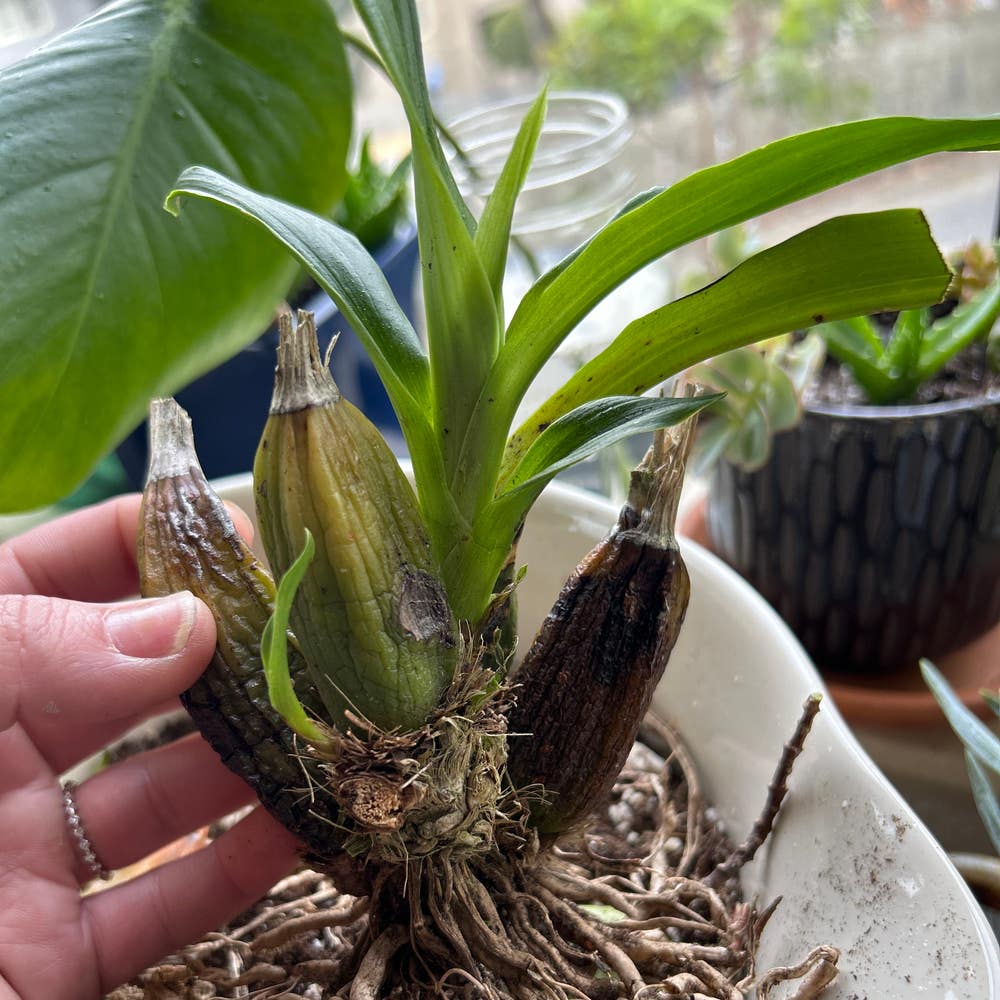
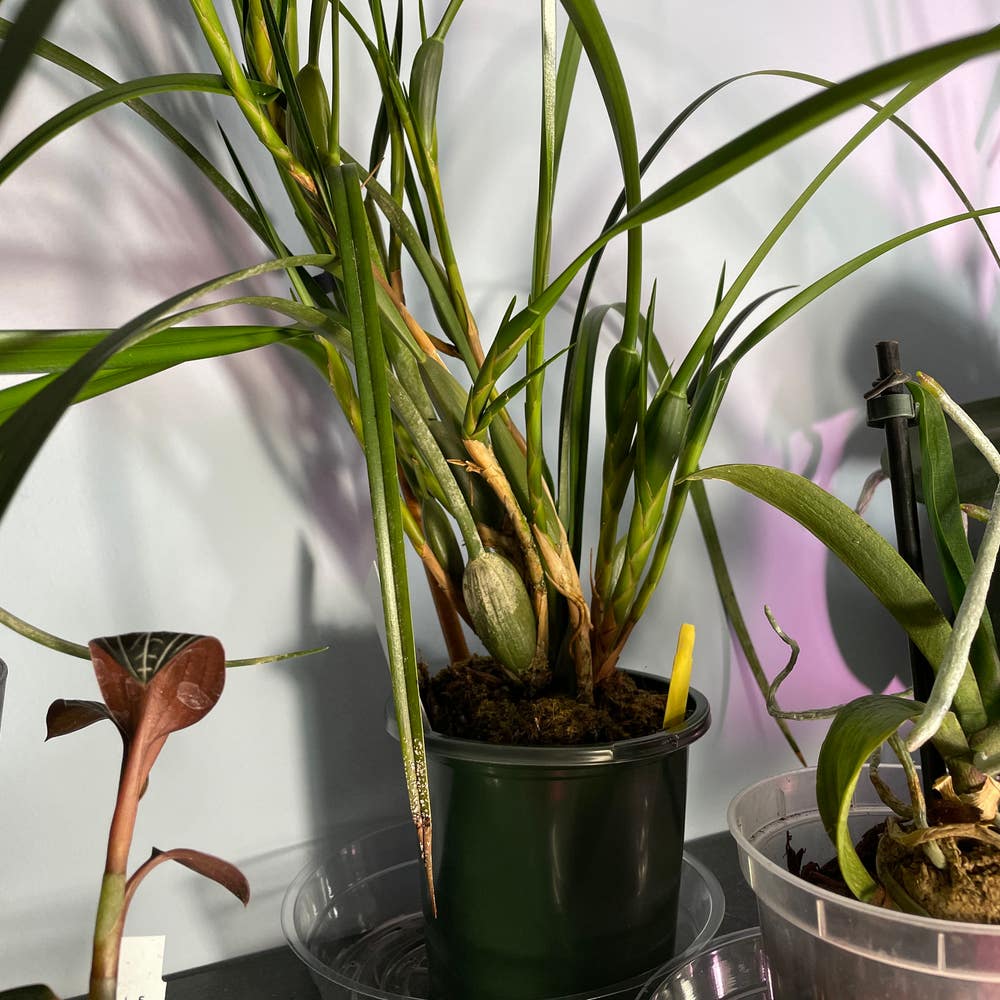
All About Campbell's Eulophia: Essential Facts
Eulophia campbellii
By the Greg Editorial Team
Feb 27, 2025•10 min read
This article was created with the help of AI so we can cover more plants for you. May contain errors. See one? Report it here.
Unlock the beauty of your garden with Campbell's Eulophia—easy to grow and stunningly vibrant! 🌼
- 🌞🌱 Campbell's Eulophia thrives in warm, humid environments with ample sunlight.
- 💧❌ Avoid overwatering to prevent yellow leaves and root rot; regular watering is key.
- 🌿✨ Prune after flowering to encourage growth and maintain the plant's appearance.
How to Grow
Choosing a Location 🌞
To thrive, Campbell's Eulophia prefers warm, humid environments with partial to full sunlight. Look for microclimates that offer protection from strong winds and extreme temperatures to ensure optimal growth.
Soil Preparation 🌱
This plant flourishes in well-draining, fertile soil enriched with organic matter. Aim for a slightly acidic to neutral pH, ideally between 6.0 and 7.0, and consider incorporating compost or well-rotted manure before planting.
Planting Techniques 🌼
When planting seeds or bulbs, dig a hole 2-3 inches deep. Space them 12-18 inches apart to give each plant room to grow and spread.
Watering Requirements 💧
Regular watering is essential to maintain consistent moisture, but be cautious not to waterlog the soil. Watch for yellowing leaves, which can indicate overwatering, and be alert for signs of root rot.
Fertilizing Schedule 🌿
Use a balanced NPK fertilizer to nourish your plants. Fertilize monthly during the growing season to support healthy growth and flowering.
Pruning Methods ✂️
Prune your Campbell's Eulophia after flowering to promote new growth. Focus on removing dead or damaged leaves and spent flowers to keep the plant looking its best.
Ongoing Care Tips 🔍
Monitor humidity levels, aiming for around 50-70% for optimal growth. Adjust your care routine seasonally, reducing watering during dormant periods to prevent over-saturation.
With these essential growing tips, you’ll be well on your way to cultivating a thriving Campbell's Eulophia. Next, let’s explore how to propagate this beautiful plant for even more blooms in your garden!
Propagation
🌱 Seed Propagation
To propagate Campbell's Eulophia from seeds, start by soaking them in water for 24 hours. This simple step helps kickstart the germination process.
For successful germination, maintain warm temperatures around 70°F (21°C) and ensure consistent moisture. These conditions create an ideal environment for your seeds to sprout and thrive.
✂️ Division Propagation
Division propagation is best done in spring or early summer when the plant is actively growing. This timing maximizes the chances of successful replanting.
To divide, carefully separate the rhizomes and replant them in prepared soil. This method not only helps propagate new plants but also encourages healthier growth for the parent plant.
With these propagation techniques, you can easily expand your Campbell's Eulophia collection and enjoy its beauty in multiple spots around your garden. Next, let’s explore the lifecycle of this fascinating plant and how it develops over time.
Lifecycle
Life Cycle Stages 🌱
Campbell's Eulophia undergoes several distinct stages throughout its life cycle. These include germination, seedling development, vegetative growth, flowering, and seed production.
Lifespan ⏳
With proper care, Campbell's Eulophia can thrive for several years. This longevity allows gardeners to enjoy its beauty and benefits over time.
Growth Rate 📈
The growth rate of Campbell's Eulophia is moderate. Typically, it reaches full maturity within 2 to 3 years, making it a rewarding addition to any garden.
Understanding these stages helps you provide the right care at each point in the plant's life. This knowledge ensures that your Campbell's Eulophia remains healthy and vibrant, ready to showcase its unique flowers and foliage.
Next, let's explore how to effectively propagate this fascinating plant.
Size
Mature Height and Spread 🌱
Campbell's Eulophia typically reaches an average height of 1 to 3 feet. Its spread can range from 1 to 2 feet wide, depending on the growing conditions it experiences.
Growth Rate and Size Variability 📈
Several factors influence the size of Campbell's Eulophia. Soil quality, water availability, and light exposure all play crucial roles in determining how robust and expansive your plant will grow.
Understanding these variables can help you create the ideal environment for your Eulophia to thrive. By optimizing these conditions, you can enjoy a lush and vibrant plant that enhances your garden's beauty.
As we move forward, let's explore the fascinating lifecycle of Campbell's Eulophia and how it develops over time.
Roots
🌱 Root System Characteristics
Campbell's Eulophia features a rhizomatous root system, which is fantastic for spreading and providing stability. This type of root structure allows the plant to thrive in various conditions while anchoring it firmly in the soil.
📏 Root Depth
Typically, the roots extend 12-18 inches deep, giving the plant access to essential nutrients and moisture. This depth is crucial for supporting healthy growth and resilience against environmental stresses.
🚨 Signs of Unhealthy Roots
Keep an eye out for signs of unhealthy roots, such as dark, mushy roots and stunted growth. These indicators can signal overwatering or poor soil conditions, which can hinder the plant's overall health.
Understanding the root system of Campbell's Eulophia is vital for ensuring its longevity and vibrancy. With proper care, these roots will support a thriving plant that can beautify your garden for years to come.
Next, let’s explore the benefits of growing Campbell's Eulophia and how it can enhance your gardening experience.
Benefits
Top 5 Benefits 🌟
Campbell's Eulophia offers a range of benefits that make it a fantastic addition to any garden.
1. Aesthetic Appeal
With its unique flowers and lush foliage, this plant enhances the beauty of your garden. Its vibrant colors and interesting shapes draw the eye and create a stunning visual display.
2. Air Purification
Beyond looks, Campbell's Eulophia contributes to improved air quality. It helps filter pollutants, making your environment healthier and more enjoyable.
3. Cultural Significance
This plant holds cultural importance in many regions, often used in traditional medicine. Its historical uses add depth to its presence in your garden.
4. Biodiversity
By attracting pollinators, Campbell's Eulophia supports local ecosystems. This plant plays a role in maintaining biodiversity, which is crucial for a balanced environment.
5. Low Maintenance
Once established, Campbell's Eulophia requires minimal care. This makes it an ideal choice for both novice and experienced gardeners looking for a hassle-free option.
Incorporating Campbell's Eulophia into your garden not only beautifies your space but also contributes positively to the environment. Next, let’s explore the best companion plants to pair with this remarkable species.
Companion Plants
Best Companion Plants 🌱
Choosing the right companion plants for Campbell's Eulophia can enhance both its growth and your garden's overall health. Here are some excellent options to consider:
Marigolds
Marigolds are a fantastic choice due to their natural pest-repelling properties. They deter harmful insects, making them a protective partner for your Eulophia.
Ferns
Ferns thrive in similar humidity levels, creating a harmonious environment. Their lush foliage also adds a beautiful contrast to the unique flowers of Campbell's Eulophia.
Other Tropical Plants
Incorporating other tropical plants can create a vibrant, lush garden. These companions often share similar care requirements, making maintenance easier.
By selecting these companion plants, you not only boost the health of your Campbell's Eulophia but also create a visually stunning garden space. Next, let's explore the potential toxicity of Campbell's Eulophia to humans.
Toxicity to Humans
Safety 🛡️
Campbell's Eulophia is generally safe for humans, as it is not listed as toxic by major poison control centers or health organizations.
However, it's wise to be cautious; consuming large quantities may lead to mild skin irritation or digestive discomfort.
Caution ⚠️
Always exercise caution with any plant. If you experience unusual symptoms after contact or consumption, seek medical advice promptly.
By staying informed and aware, you can enjoy the beauty of Campbell's Eulophia without worry.
As we move forward, let’s explore how this plant interacts with our furry friends.
Toxicity to Dogs
Safety 🐶
Campbell's Eulophia is not considered toxic to dogs by major pet poison control centers and veterinary organizations. This means you can enjoy this beautiful plant without worrying about your furry friends getting sick.
Potential Minor Issues 🤢
While it's safe, excessive consumption of the plant may lead to mild gastrointestinal upset in dogs. It's always best to keep an eye on your pet's behavior around any plant.
Tips for Dog Owners 🏡
To ensure a safe environment, place Campbell's Eulophia in areas that are less accessible to your dog. Regularly monitor your dog's interactions with the plant to prevent any unwanted nibbling.
With these precautions, you can appreciate the beauty of Campbell's Eulophia while keeping your canine companion safe. Next, let's explore its toxicity to cats and what you need to know for their safety.
Toxicity to Cats
Safety 🐱
Campbell's Eulophia is not considered toxic to cats by major pet poison control centers and veterinary organizations. This means you can enjoy this beautiful plant without worrying about your feline friends getting harmed.
Potential Minor Issues 🤢
While it's generally safe, excessive consumption of the plant may lead to mild gastrointestinal upset in cats. It's always wise to keep an eye on your pet's behavior around plants.
Tips for Cat Owners 🏠
To ensure your cat stays safe, monitor their interactions with Campbell's Eulophia. Keeping the plant out of reach can help prevent any accidental nibbling.
As a cat owner, it's comforting to know that you can cultivate this stunning plant without putting your furry companion at risk. With a little care and attention, you can enjoy the beauty of Campbell's Eulophia while keeping your cat happy and healthy.
Next, let’s explore how to tackle common problems that may arise when growing this unique plant.
Problems
Common Problems 🌱
Growing Campbell's Eulophia can be rewarding, but it comes with its share of challenges. Understanding these common problems will help you keep your plants healthy and thriving.
Incorrect Watering 🚰
Watering is crucial for Campbell's Eulophia, but getting it right can be tricky. Overwatering leads to yellowing leaves, while underwatering causes wilting.
Incorrect Light Conditions ☀️
Light conditions play a significant role in the plant's health. Too much sun can scorch the leaves, while insufficient light results in leggy growth.
Diseases 🦠
Fungal diseases can also pose a threat to your Eulophia. Watch out for powdery mildew and root rot, which can compromise the plant's vitality.
By keeping an eye on these issues, you can ensure your Campbell's Eulophia remains vibrant and healthy. Next, let’s explore the potential pest issues that could affect your plant.
Bugs
🐛 Potential Pest Issues
When growing Campbell's Eulophia, be vigilant about pests that can wreak havoc on your plants. Common culprits include spider mites, aphids, mealybugs, and whiteflies.
🚨 Damage Signs
Watch for signs of damage, such as wilting leaves, discoloration, and webbing. These indicators can help you catch pest problems early, ensuring your plants stay healthy and vibrant.
🛡️ Prevention and Control
To keep pests at bay, consider implementing a few preventive measures. Regularly inspect your plants, maintain good air circulation, and avoid overcrowding to minimize pest habitats.
💊 Treatment Options
If you do encounter a pest problem, there are several treatment options available. Insecticidal soaps and neem oil can be effective against many common pests, providing a safe way to protect your plants.
🌱 Final Thoughts
By staying proactive and attentive, you can enjoy the beauty of Campbell's Eulophia without the nuisance of pests. Next, let’s explore what animals might be interested in snacking on your plants.
What Eats Campbell's Eulophia
🦌 Common Animals
Campbell's Eulophia can attract a variety of hungry critters. Deer, rabbits, squirrels, and rodents are among the potential threats that may munch on your beautiful plants.
👀 Signs of Animal Presence
Keep an eye out for signs that these animals have taken an interest in your garden. Chewed leaves, tracks, and droppings can all indicate that your Eulophia is on their menu.
🚫 Deterrent Methods
To protect your plants, consider implementing some effective deterrent methods. Fencing can create a physical barrier, while repellents can discourage animals from approaching.
Companion planting strategies can also help; pairing your Eulophia with plants that these animals dislike may keep them at bay.
With these tips, you can enjoy the beauty of Campbell's Eulophia without the worry of it becoming a snack for local wildlife.
⚠️ Safety First
This content is for general information and may contain errors, omissions, or outdated details. It is not medical, veterinary advice, or an endorsement of therapeutic claims.
Always consult a qualified healthcare professional before using any plant as food, medicine, or supplement.
Never eat any plant (or feed one to pets) without confirming its identity with at least two trusted sources.
If you suspect poisoning, call Poison Control (800) 222-1222, the Pet Poison Helpline (800) 213-6680, or your local emergency service immediately.
Spotted an error? Please report it here.
Nurture your Campbell's Eulophia to thrive beautifully 🌼 with Greg's personalized watering alerts and fertilization tips tailored just for your plant's needs!