🌼 California Primrose Is a Perennial
Oenothera californica
By the Greg Editorial Team
Oct 10, 2024•4 min read
This article was created with the help of AI so we can cover more plants for you. May contain errors. See one? Report it here.
Elevate your garden with California Primrose 🌼, a resilient perennial that thrives beautifully across seasons and climates!
- 🌼 California Primrose thrives year-round, regenerating each spring from its strong roots.
- 🌞 Plant in full sun for vibrant blooms and optimal growth throughout spring and summer.
- 🌵 Drought-tolerant and versatile, it adapts to various climates and soil types effortlessly.
Characteristics of California Primrose as a Perennial
🌱 Multi-Year Lifecycle
California Primrose is a true perennial, thriving over multiple seasons. This multi-year lifecycle allows it to establish itself and flourish year after year.
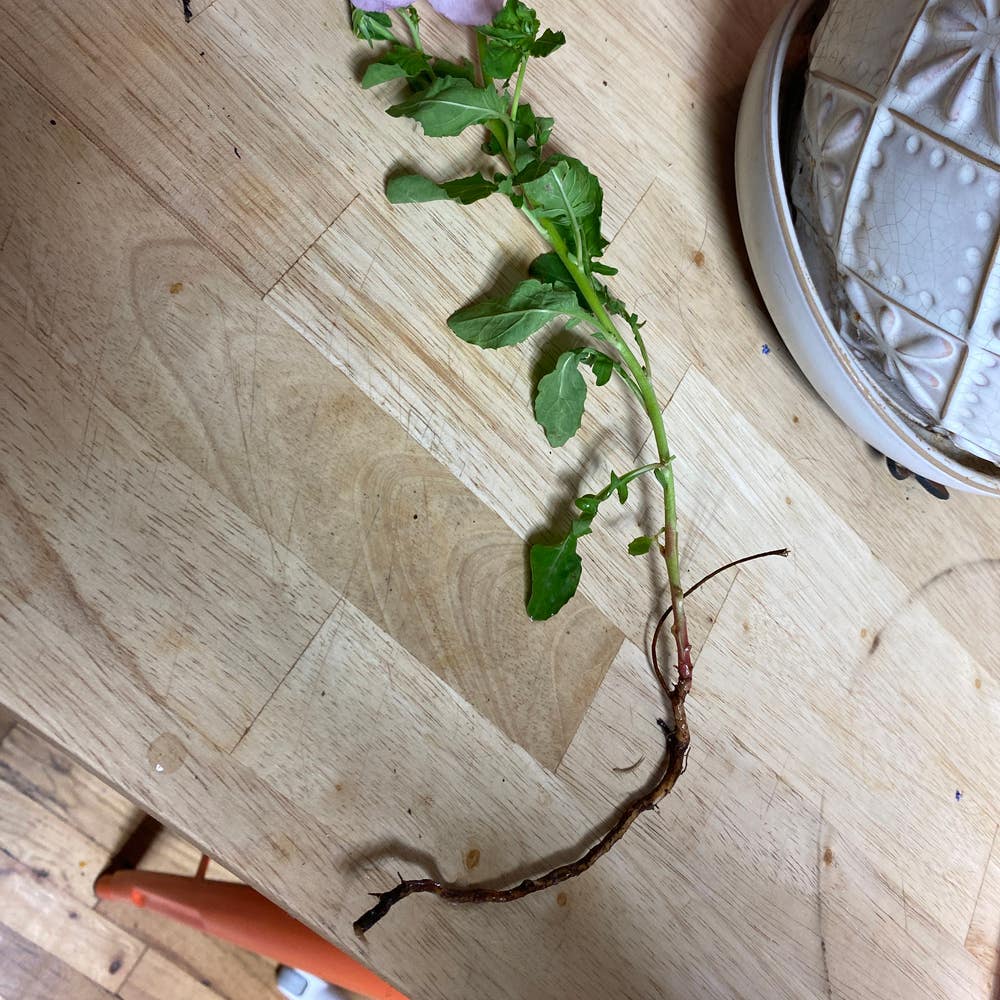
Each spring, the plant regenerates from its robust root system. This regeneration ensures continuity and resilience, making it a reliable choice for gardeners.
🌼 Growth Patterns
California Primrose grows in charming clumps, forming rosettes of lush leaves. These leaves not only provide a beautiful backdrop but also support the plant's vibrant flowering.
Blooms typically grace the garden in spring and summer, showcasing stunning yellow to white flowers. This seasonal display adds a burst of color and life to any landscape.
Seasonal Changes and Dormancy
Dormancy Periods 🌵
California Primrose has a fascinating ability to enter dormancy during extreme heat or drought. This survival strategy helps the plant conserve resources when conditions become too harsh.
Typically, dormancy occurs in late summer to early fall, but the exact timing can vary based on environmental factors. This adaptability ensures that the plant can thrive in fluctuating climates.
Seasonal Changes Affecting Growth and Flowering 🌼
Spring and summer are the prime growth periods for California Primrose. During these seasons, the plant flourishes, producing vibrant blooms that attract pollinators.
As the seasons shift to fall and winter, growth slows down significantly. Factors like temperature and moisture levels play a crucial role in triggering blooming cycles, making it essential to monitor these conditions for optimal flowering.
Understanding these seasonal changes can help gardeners plan effectively, ensuring that California Primrose remains a stunning feature in their landscapes.
Advantages of Perennial Nature
Benefits for Gardeners 🌼
California Primrose is a gardener's dream. Its perennial nature means you won't have to replant it every year, saving you both time and effort.
The plant's established root systems are a game changer. They enhance drought tolerance and provide stability, allowing California Primrose to thrive in various soil types.
Expected Lifespan and Longevity Factors ⏳
When cared for properly, California Primrose can live for several years, often exceeding five years. This longevity makes it a reliable choice for any garden.
However, its lifespan can be influenced by several factors. Soil quality, water availability, and climate conditions all play crucial roles in determining how long your California Primrose will flourish.
With these advantages in mind, you can see why California Primrose is a fantastic addition to any garden. Next, let’s explore how climate zone variations can affect its growth and flowering.
Climate Zone Variations
Variations in Perennial Behavior Across Different Climates 🌍
California Primrose is a true chameleon of the plant world. It thrives in diverse habitats, from lush coastal areas to arid desert regions, showcasing remarkable adaptability.
This versatility means that its growth patterns, flowering times, and dormancy periods can vary significantly depending on the climate. For instance, in milder coastal zones, you might see a longer blooming season compared to the harsher conditions of the inland deserts.
Influence of Growing Conditions on California Primrose 🌱
Soil quality and moisture levels play a crucial role in the health of California Primrose. Well-drained soils rich in organic matter are ideal, as they support robust growth and vibrant blooms.
Temperature also influences its performance. Cooler coastal areas tend to foster longer blooming periods, while hotter inland regions may lead to quicker dormancy. Understanding these nuances can help you cultivate this perennial effectively in your garden.
As you plan your garden, consider these climate factors to maximize the beauty and longevity of your California Primrose. Next, we’ll explore how to integrate this stunning plant into your garden design for optimal results.
Maximizing Benefits in Garden Planning
🌱 Tips for Long-Term Cultivation
To cultivate California Primrose successfully, start with soil preparation. Ensure your soil is well-draining and enriched with organic matter to promote healthy growth.
Next, focus on watering strategies. Implement deep watering practices to encourage strong root development, which is crucial for the plant's resilience.
🌼 Strategies for Integrating California Primrose into Garden Designs
Consider companion planting to enhance your garden's sustainability. Pair California Primrose with other drought-tolerant plants to create a thriving ecosystem.
Seasonal planning is also key. Plant California Primrose in areas that receive full sun to maximize growth and flowering, ensuring a vibrant display throughout the blooming season.
By following these tips, you can enjoy the beauty and benefits of California Primrose in your garden for years to come. Next, let's explore how climate variations can influence its growth and behavior.
⚠️ Safety First
This content is for general information and may contain errors, omissions, or outdated details. It is not medical, veterinary advice, or an endorsement of therapeutic claims.
Always consult a qualified healthcare professional before using any plant as food, medicine, or supplement.
Never eat any plant (or feed one to pets) without confirming its identity with at least two trusted sources.
If you suspect poisoning, call Poison Control (800) 222-1222, the Pet Poison Helpline (800) 213-6680, or your local emergency service immediately.
Spotted an error? Please report it here.
Celebrate the stunning resilience of California Primrose 🌼 and let Greg help you nurture its vibrant blooms with tailored care reminders for every season!