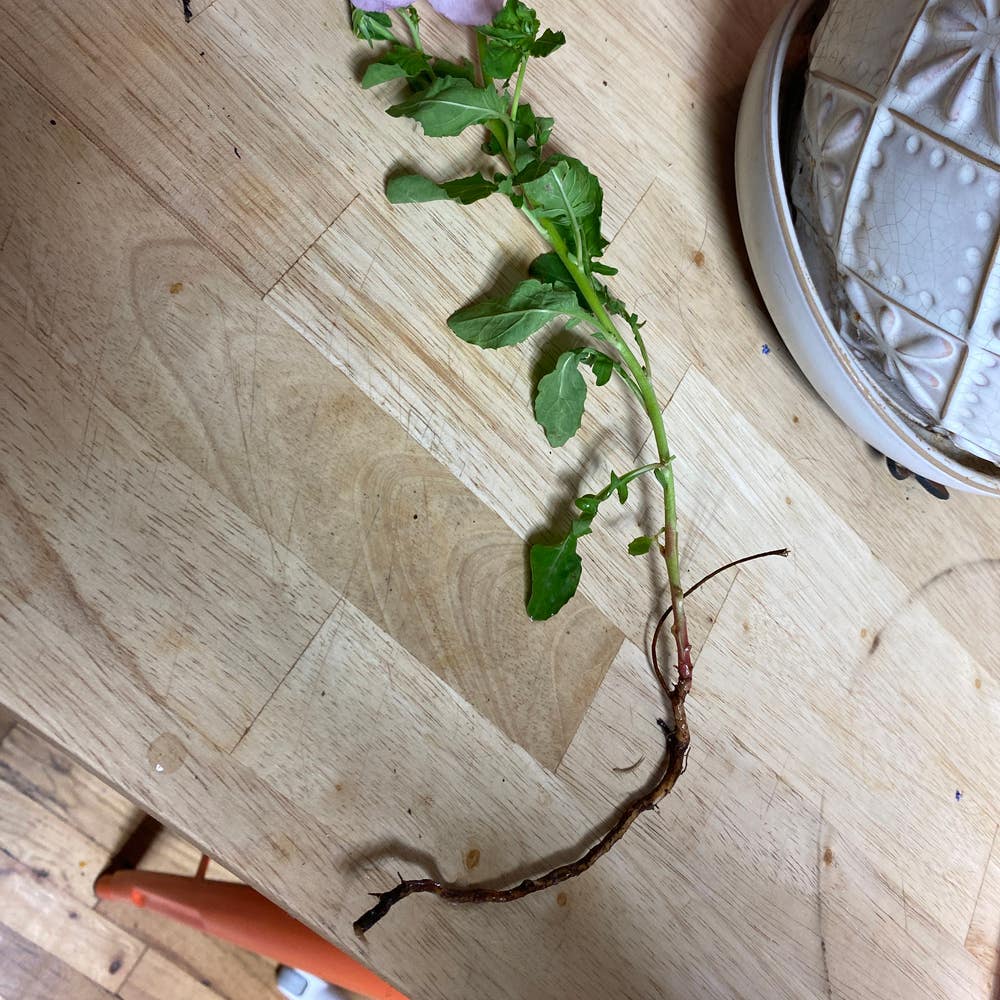
🌼 California Primrose Hardiness Zones: 7a-10b
Oenothera californica
By the Greg Editorial Team
Oct 10, 2024•4 min read
This article was created with the help of AI so we can cover more plants for you. May contain errors. See one? Report it here.
Master California Primrose's temperature tolerance 🌼 to cultivate vibrant blooms in your garden with ease!
- 🌞 California Primrose thrives in USDA zones 7a-10b, ideal for warm climates.
- ❄️ Tolerates light frosts but struggles with prolonged freezing conditions below 0°F (-18°C).
- 🌱 Requires 6-8 hours of sunlight daily for optimal blooming and health.
California Primrose Temperature Tolerance
❄️ Cold Tolerance Specifics
California Primrose is surprisingly resilient when it comes to cold. It can withstand light frosts and survive temperatures as low as 0°F (-18°C).
However, it does struggle with prolonged freezing conditions. Extended exposure to extreme cold can hinder its growth and overall health.
🔥 Heat Tolerance Specifics
On the flip side, California Primrose thrives in heat. It can handle temperatures soaring up to 100°F (38°C) without breaking a sweat.
For optimal growth in these warmer conditions, it prefers well-drained soils and full sun exposure. This combination allows it to flourish even in the hottest months.
🌡️ Ideal Temperature Ranges for Growth
The sweet spot for California Primrose growth lies between 50°F to 85°F (10°C to 29°C). This range provides the ideal conditions for vibrant blooms and healthy foliage.
Temperature fluctuations can impact growth, so maintaining consistent conditions is beneficial. Sudden changes may stress the plant, affecting its overall vitality.
With a solid understanding of temperature tolerance, you're better equipped to cultivate California Primrose successfully. Next, let's explore the ideal growing regions for this beautiful plant.
Ideal Growing Regions for California Primrose
🌼 Examples of US States Suitable for Growing California Primrose
California Primrose thrives best in its native habitat of California. The state's warm climate and well-drained soils create ideal conditions for this vibrant flower.
Arizona also offers a similar climate, making it another suitable state for growing California Primrose. Its sunny days and moderate temperatures provide a nurturing environment.
Texas has specific regions that meet the temperature requirements for California Primrose. Areas with the right balance of heat and moisture can support its growth effectively.
🌱 Factors Contributing to Ideal Growing Conditions
Soil quality is crucial for California Primrose. It prefers well-drained, sandy, or loamy soils that prevent waterlogging.
Sunlight exposure is another key factor. California Primrose thrives in full sun, requiring 6 to 8 hours of sunlight daily to flourish.
Moisture needs are moderate; regular watering is essential, but it's vital to avoid overly wet conditions. This balance helps prevent root rot and supports healthy growth.
Understanding these factors can significantly enhance your success in cultivating California Primrose. With the right conditions, you can enjoy a stunning display of blooms in your garden.
As we explore further, let’s delve into how microclimates can impact the growth of California Primrose, allowing it to thrive in unexpected places.
Microclimates and Their Impact
🌦️ Definition of Microclimates
Microclimates are localized climate conditions that differ from the surrounding areas. These small-scale variations can significantly affect plant growth, including California Primrose.
🌍 How Microclimates Can Extend Growing Zones
Microclimates can enable California Primrose to thrive outside its typical hardiness zones. Features like buildings, trees, and bodies of water can create a buffer, moderating temperatures and protecting plants from harsh conditions.
🌊 Examples of Microclimates in California and Their Effects on California Primrose
Coastal areas often enjoy milder temperatures, reducing the risk of frost. In contrast, valley regions may experience higher temperatures, presenting both opportunities and challenges for growing California Primrose due to potential extreme heat.
Understanding these microclimates is essential for gardeners looking to cultivate California Primrose successfully. By recognizing how local conditions can influence growth, you can make informed decisions about planting and care.
Next, we’ll explore the ideal growing regions for California Primrose, highlighting states that provide the best conditions for this beautiful plant.
State-Level Suitability Analysis
List of States Within Hardiness Zones 7a-10b 🌞
California Primrose thrives in several states that fall within hardiness zones 7a to 10b. Here are the prime locations:
- California: The native habitat, offering ideal conditions.
- Arizona: Similar climate, perfect for growth.
- Texas: Specific regions meet the temperature requirements.
- Nevada: Suitable areas support its growth.
- New Mexico: Offers favorable conditions for this plant.
States Where California Primrose Is Not Suitable and Reasons Why 🚫
Not every state is a good fit for California Primrose. Here are some unsuitable locations and the reasons:
- North Dakota: Extreme cold temperatures can drop below -10°F (-23°C).
- Maine: Prolonged frost periods and low winter temperatures hinder growth.
- Alaska: Harsh winters and short growing seasons make it challenging.
Discussion of Environmental Factors Affecting Suitability 🌍
Several environmental factors influence where California Primrose can flourish.
Influence of Elevation ⛰️
Higher elevations often present unsuitable temperatures. The cooler climate at altitude can stunt growth and reduce flowering.
Impact of Humidity and Rainfall 💧
Excessive moisture can lead to root rot, which is detrimental to California Primrose. A balance of humidity and rainfall is crucial for healthy growth.
Understanding these factors helps gardeners select the right locations for planting California Primrose. With the right conditions, this beautiful flower can thrive and bring vibrant color to your garden.
⚠️ Safety First
This content is for general information and may contain errors, omissions, or outdated details. It is not medical, veterinary advice, or an endorsement of therapeutic claims.
Always consult a qualified healthcare professional before using any plant as food, medicine, or supplement.
Never eat any plant (or feed one to pets) without confirming its identity with at least two trusted sources.
If you suspect poisoning, call Poison Control (800) 222-1222, the Pet Poison Helpline (800) 213-6680, or your local emergency service immediately.
Spotted an error? Please report it here.
Cultivate vibrant California Primrose blooms 🌼 with Greg's tailored care reminders and insights, ensuring your plants thrive in their ideal conditions!