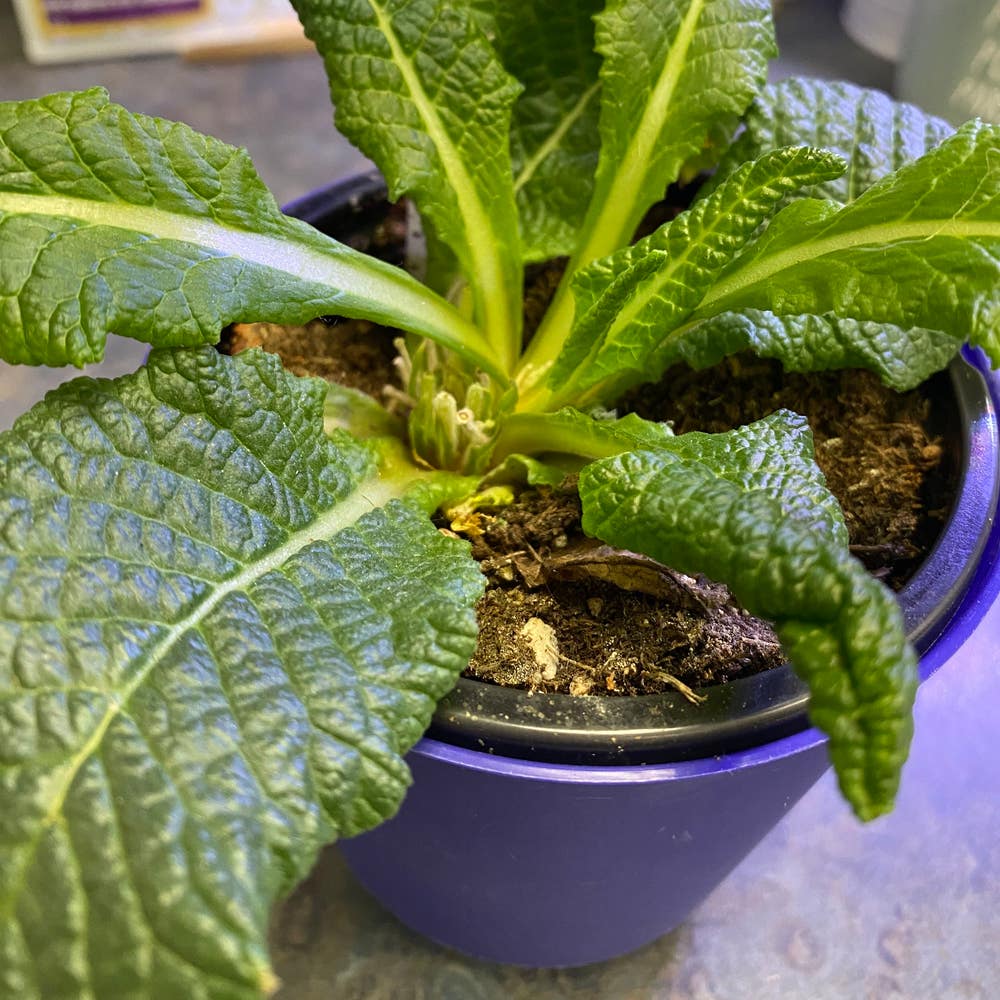
🌼 Introduction to Bulley's Primrose
Primula bulleyana
By the Greg Editorial Team
Jan 09, 2025•12 min read
This article was created with the help of AI so we can cover more plants for you. May contain errors. See one? Report it here.
- 🌞 Bulley's Primrose thrives in various light conditions, from partial shade to full sun.
- 💧 Consistent moisture is key; avoid overwatering to prevent yellowing leaves and wilting.
- 🌼 Regular deadheading encourages blooms throughout the growing season for vibrant gardens.
How to Grow
Choosing a Location 🌞
Bulley's Primrose thrives in a range of light conditions, from partial shade to full sun. When deciding between outdoor and container growing, consider the space available and the plant's light requirements.
Soil Preparation 🌱
For optimal growth, aim for moist, well-drained soils. Enhancing your soil with organic matter will significantly boost fertility and support healthy plant development.
Planting Techniques 🌼
The best time to plant Bulley's Primrose is either early spring or fall. Ensure you space the plants 12-18 inches apart to allow for optimal growth and airflow.
Watering Requirements 🚰
Keep the soil consistently moist, but avoid waterlogging. Watch for signs of overwatering, such as yellowing leaves, or underwatering, indicated by wilting.
Fertilizing Schedule 🍽️
Use a balanced, slow-release fertilizer to nourish your plants. Apply it in early spring to kickstart their growth for the season.
Pruning and Ongoing Care ✂️
Regularly deadhead spent flowers to encourage more blooms throughout the growing season. Additionally, keep an eye out for pests and diseases to maintain plant health.
Outdoor vs. Container Growing 🏡
Container growing offers the advantage of mobility and better control over soil conditions. If you choose this method, ensure your containers have adequate drainage and monitor moisture levels closely.
With these tips, you’re well on your way to cultivating a thriving Bulley's Primrose garden! Next, let’s explore how to propagate this beautiful plant.
Propagation
🌱 Seed Propagation
To propagate Bulley's Primrose from seeds, start by surface sowing them in a seed tray or directly in your garden. Lightly cover the seeds with a thin layer of soil, as they need light to germinate.
Under optimal conditions, expect germination within 2-4 weeks. Keep the soil consistently moist but not soggy to encourage healthy growth.
✂️ Division Method
The best time to divide Bulley's Primrose is during early spring or fall. This ensures the plant has enough time to establish itself before the heat of summer or the chill of winter sets in.
For successful division, carefully separate the clumps of the plant using a spade or garden fork. Replant the divisions at the same depth they were growing, and water them well to help them settle in.
With these propagation techniques, you can expand your garden and enjoy the beauty of Bulley's Primrose in multiple locations. Next, let's explore the lifecycle of this resilient perennial.
Lifecycle
🌱 Classification
Bulley's Primrose is classified as a perennial plant, which means it lives for more than two years. This classification allows it to thrive and return each growing season, providing beauty year after year.
📈 Stages of Growth
The lifecycle of Bulley's Primrose unfolds through several distinct stages:
- Germination: This initial phase occurs 10-14 days after sowing, marking the beginning of life.
- Seedling Stage: Here, the plant develops true leaves, signaling its readiness to grow.
- Vegetative Growth: During this phase, the plant focuses on expanding its leaves and establishing a robust root system.
- Flowering: Late spring to early summer brings vibrant blooms, showcasing the plant's beauty.
- Seed Production: After flowering, seeds develop in capsules, ensuring the continuation of the species.
⏳ Growth Timeline and Speed
Bulley's Primrose typically reaches maturity in approximately 1-2 years. Its growth rate is moderate, influenced by seasonal variations and environmental conditions.
Understanding the lifecycle of Bulley's Primrose not only enhances your gardening knowledge but also helps you appreciate the beauty of this resilient perennial. Next, let’s explore the size of this lovely plant and how it can fit into your garden design.
Size
Mature Height and Spread 🌱
Bulley's Primrose typically reaches a height of 12 to 18 inches. Its spread can vary from 12 to 24 inches, depending on the growing conditions.
Growth Rate and Size Variability 📈
Several factors influence the size of Bulley's Primrose. Soil quality, light exposure, and moisture levels play crucial roles in determining how robust your plants will grow.
Impact of Growing Conditions on Size 🌤️
The environment significantly affects the growth of Bulley's Primrose. Plants in full sun tend to grow larger and more vigorously compared to those in shaded areas, where growth may be more restrained.
Understanding these size dynamics can help you plan your garden layout effectively. By considering the specific conditions in your garden, you can ensure that your Bulley's Primrose thrives beautifully.
Roots
Root System Characteristics 🌱
Bulley's Primrose features a fibrous root system that is both shallow and extensive. This structure is crucial for moisture retention, allowing the plant to thrive in various conditions.
Common Root-Related Issues ⚠️
One of the most common problems is root rot, which can manifest as wilting or yellowing leaves. To prevent this, ensure proper drainage and avoid overwatering.
Identifying healthy roots is essential for plant health. Look for firm, white roots; brown or mushy roots indicate trouble and may require immediate action.
Recognizing Rootbound Plants 🪴
A rootbound plant has roots that circle the pot, restricting growth and nutrient uptake. If you notice this, it’s time to repot.
Repotting should be done carefully, ideally in early spring or fall, to give the plant a fresh start. Choose a pot that is one size larger to allow for continued growth.
With proper care and attention to the root system, Bulley's Primrose can flourish beautifully in your garden. Next, let’s explore the benefits of this stunning plant.
Benefits
Bulley's Primrose offers a variety of benefits that make it a fantastic addition to any garden. Here are the top five advantages you can enjoy:
Attractive Ornamental Value 🌸
First and foremost, Bulley's Primrose is visually stunning. Its vibrant blooms add a splash of color to your garden, making it a focal point that draws the eye.
Ground Cover Potential 🌱
This plant excels as a ground cover, helping to prevent soil erosion. Its dense foliage stabilizes the soil, making it a practical choice for sloped areas.
Pollinator Attraction 🐝
Bulley's Primrose is a magnet for pollinators, including bees and butterflies. By planting it, you contribute to the health of local ecosystems and enjoy the lively activity of these beneficial creatures.
Soil Type Tolerance 🌍
One of the standout features of Bulley's Primrose is its adaptability. It thrives in various soil types, enhancing the diversity of your garden and allowing for more creative planting combinations.
Cultural Significance 🎎
Lastly, this plant holds cultural importance in traditional Chinese gardens. Its presence can evoke a sense of history and connection to nature, enriching your gardening experience.
Incorporating Bulley's Primrose into your garden not only beautifies your space but also supports the environment and adds cultural depth. Ready to explore how to grow this remarkable plant? Let's dive into the next section!
Companion Plants
Concept of Companion Planting 🌱
Companion planting is a gardening strategy that involves pairing plants to enhance growth and deter pests. This method leverages the natural relationships between plants, creating a thriving ecosystem in your garden.
Best Companion Plants 🌼
When it comes to Bulley's Primrose, consider planting it alongside hostas, ferns, and other shade-loving plants. These companions thrive in similar moisture and light conditions, ensuring a harmonious garden environment.
Plants to Avoid 🚫
Be cautious of heavy feeders that may compete for nutrients with Bulley's Primrose. Plants like tomatoes or corn can drain the soil of essential resources, hindering the growth of your primrose.
By choosing the right companions, you can create a vibrant and healthy garden space that benefits all plants involved. This thoughtful approach not only enhances the beauty of your garden but also promotes a sustainable growing environment.
Toxicity to Humans
Bulley's Primrose is not listed as toxic by major poison control centers, making it a safe choice for gardens. However, it's wise to be aware of potential minor issues, such as mild skin irritation or digestive discomfort from excessive consumption.
If you or someone else experiences unusual symptoms after contact or ingestion, it's best to seek medical advice. Staying informed helps ensure a safe and enjoyable gardening experience!
Toxicity to Dogs
When it comes to Bulley's Primrose, you can breathe a sigh of relief. According to veterinary organizations, this plant is not toxic to dogs, making it a safe addition to your garden.
However, moderation is key. While it's generally safe, consuming large quantities may lead to mild gastrointestinal upset. Keep an eye on your furry friends, especially if they have a tendency to nibble on plants.
🐶 Tips for Introducing to Homes with Dogs
To ensure a harmonious coexistence, consider the placement of your Bulley's Primrose. Position it in areas that are less accessible to your dog, reducing the chances of any unwanted munching.
Monitoring your dog's behavior around the plant is also crucial. If you notice any unusual interest or potential nibbling, gently redirect them to their toys or treats. This way, you can enjoy the beauty of your garden while keeping your canine companion safe and happy.
Toxicity to Cats
When it comes to Bulley's Primrose, you can breathe easy—it's not toxic to cats according to major pet poison control centers. This means you can enjoy the beauty of this plant without worrying about your feline friends.
However, moderation is key. While Bulley's Primrose won't harm your cat, excessive consumption might lead to mild gastrointestinal upset. It's always best to keep an eye on your pet's behavior around new plants.
🐾 Tips for Introducing to Homes with Cats
To ensure a harmonious coexistence, consider these simple tips:
Proper Placement: Position your Bulley's Primrose out of reach of curious paws. High shelves or hanging baskets can be great options.
Monitoring Behavior: Keep an eye on your cat's interactions with the plant. If you notice any unusual nibbling, it might be time to relocate the plant.
By following these guidelines, you can enjoy the vibrant blooms of Bulley's Primrose while keeping your furry companions safe and sound.
Next, let's explore the common problems that may arise when growing this delightful plant.
Problems
Common Problems Faced 🌱
Growing Bulley's Primrose can be rewarding, but it comes with its share of challenges. Understanding these common problems can help you maintain a healthy plant.
Incorrect Watering 💧
Watering is crucial for Bulley's Primrose. Overwatering can lead to root rot, while underwatering may cause wilting.
- Signs of Overwatering: Yellowing leaves, mushy roots, and a soggy soil surface.
- Signs of Underwatering: Drooping leaves and dry, cracked soil.
Incorrect Light Conditions 💡
Light plays a significant role in the health of your plant. Too much or too little light can lead to stress.
- Symptoms of Inadequate Light: Stunted growth, leggy stems, and pale leaves.
Diseases 🦠
Fungal diseases can be a real threat to Bulley's Primrose. Keeping an eye out for these issues can save your plant.
- Powdery Mildew: A white, powdery substance on leaves, often due to high humidity and poor air circulation.
- Black Rot: Dark, water-soaked spots on leaves, usually caused by overly wet conditions.
Root Problems 🌿
Healthy roots are essential for a thriving plant. Problems can arise if you don't monitor root health.
- Identifying Root Rot: Look for dark, mushy roots that emit a foul odor.
- Squishy Roots: This indicates overwatering and poor drainage.
Leaf Issues 🍃
Leaves can tell you a lot about your plant's health. Pay attention to any changes.
- Scorching: Brown, crispy edges often indicate too much direct sunlight.
- Yellowing Leaves: This can be a sign of nutrient deficiencies or overwatering.
By being aware of these common problems, you can take proactive steps to ensure your Bulley's Primrose thrives. Next, let’s explore the potential pest issues that may affect your plant.
Bugs
🐛 Potential Pest Issues
Bulley's Primrose is generally resilient against pests, making it a robust choice for your garden. However, like any plant, it can still face challenges from a few common nuisances.
🕷️ Common Pests
Spider Mites
Spider mites are tiny pests that can wreak havoc on your Bulley's Primrose. Look for fine webbing on the leaves and stippling or yellowing foliage as signs of their presence.
🐜 Aphids
Aphids are small, soft-bodied insects that can cluster on new growth. If you notice curled leaves or a sticky residue (honeydew) on your plants, it's time to take action.
To control aphids, consider introducing natural predators like ladybugs or using insecticidal soap for effective treatment.
❄️ Mealybugs
Mealybugs are another pest to watch for, identifiable by their white, cottony appearance. They can weaken your plant by sucking sap, leading to stunted growth.
For treatment, you can dab them with a cotton swab dipped in alcohol or apply neem oil to eliminate these pests effectively.
By staying vigilant and addressing these common pests promptly, you can keep your Bulley's Primrose thriving and beautiful. Next, let’s explore what animals might be interested in snacking on your plants.
What Eats
Common Animals That May Damage 🐾
Bulley's Primrose can attract a variety of garden visitors, some of which may cause damage. Understanding these animals is key to protecting your plants.
Deer 🦌
Deer are notorious for their browsing habits. Look for signs like chewed leaves and stripped stems, which indicate they’ve taken a liking to your Primrose.
Rabbits 🐇
Rabbits can be quite the nuisance in gardens. They typically leave behind cleanly cut stems and droppings, making it easy to identify their presence.
Squirrels and Rodents 🐿️
Squirrels and rodents may nibble on your Primrose, especially if food is scarce. Signs include missing leaves and disturbed soil around the base of the plant.
Groundhogs 🐻
Groundhogs can wreak havoc on your garden. They tend to leave large holes and can completely decimate your Primrose if left unchecked.
Prevention Strategies 🚧
To deter these animals, consider using physical barriers like fences or netting. Additionally, employing repellents or planting companion plants that they dislike can help keep them at bay.
By being aware of these potential threats, you can take proactive steps to safeguard your Bulley's Primrose and enjoy its beauty without worry.
⚠️ Safety First
This content is for general information and may contain errors, omissions, or outdated details. It is not medical, veterinary advice, or an endorsement of therapeutic claims.
Always consult a qualified healthcare professional before using any plant as food, medicine, or supplement.
Never eat any plant (or feed one to pets) without confirming its identity with at least two trusted sources.
If you suspect poisoning, call Poison Control (800) 222-1222, the Pet Poison Helpline (800) 213-6680, or your local emergency service immediately.
Spotted an error? Please report it here.
Unlock a thriving garden 🌼 with Bulley's Primrose by using Greg's tailored watering reminders and expert tips to keep your plants healthy and blooming all season long!