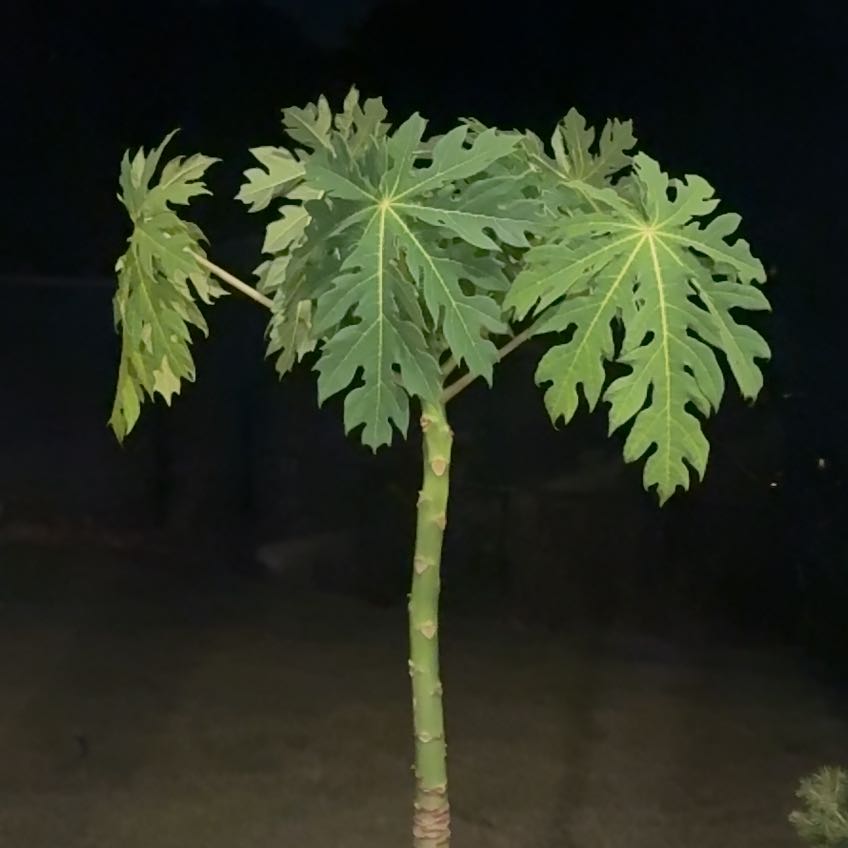
π What Are The Bugs on My Papaya?
Carica papaya
By the Greg Editorial Team
Jun 18, 2024•5 min read
This article was created with the help of AI so we can cover more plants for you. May contain errors. See one? Report it here.
- π·οΈ Blast spider mites and aphids with water or invite their predators.
- π Prevent pests with regular inspections, debris removal, and healthy plants.
- π Seek professional help if pests persist or plant health declines rapidly.
Spot the Invader: Identifying Common Papaya Pests
π·οΈ Spider Mites
Webbing and leaf speckling are the hallmarks of a spider mite shindig. These tiny critters throw massive raves on your papaya, sucking the life out of it.
To crash their party, blast them with water or introduce predatory mites. For a long-term fix, consistent humidity can make your plants less club-worthy for mites.
π Scale Insects
If you spot waxy bumps on your papaya, you've got uninvited guests. Scale insects are like squatters that refuse to leave, and they're not paying rent.
Kick them out by scraping them off or using horticultural oil. Consistency is key; these bugs are stubborn.
π¦ Fungus Gnats and Fruit Flies
Fungus gnats and fruit flies are the paparazzi of the pest world, always buzzing where they're not wanted. Look for them if your soil stays too moist.
To give them the boot, dry out your soil and set up traps. A layer of sand on the soil can also keep their larvae from joining the adult party.
π Mealybugs
Mealybugs are the fluffy white beasts in the closet of your papaya's nightmares. They leave a cottony trail and sap the vitality from your plant.
Show them the door with alcohol swabs or insecticidal soap. Keep a close eye; these pests are like bad rumors, spreading fast and hard to squash.
π¦ Aphids
Aphids are the clingy friends of the bug world, always showing up in clusters. They're tiny, but their impact on your papaya is anything but.
Blast them away with a water hose or invite ladybugs for a feast. Natural predators can be your best defense against these sap-sucking fiends.
π¦ Whiteflies
A disturbance in your papaya patch and a cloud of white take flight? That's the whitefly signature move. They're like flash mobs that appear out of nowhere and suck the life out of your plants.
Lay down sticky traps or spray with soapy water to disband their gatherings. Whiteflies are persistent, so be prepared for a few rounds.
Immediate Action: What to Do When Pests Strike
When pests invade your papaya, it's crunch time. Here's how to hit backβfast.
π΅οΈ Inspection: The First Line of Defense
Inspect your plant like a hawk. Flip those leaves, dig into the soil, and if you spot any critters, it's go-time.
π¦ Identification: Know Your Enemy
Identify the bug. Misidentification could mean using the wrong tactic, and that's just a waste of everyone's time. If you're scratching your head, get on the horn with local experts or snap a pic for online forums.
π§ Isolation: Quarantine Your Plant
Isolate the infected plant. Think of it as putting your plant in a time-out so it doesn't spread its problems to the others.
π οΈ Intervention: Choose Your Weapon
Intervene with the right tool. Whether it's insecticidal soap or a blast of water, make sure it's the right one for the job.
π¨ Monitoring: The Watchful Eye
Monitor the situation post-treatment. Pests love a comeback tour, so keep your eyes peeled for an encore.
π§Ή Cleanliness: Tidy Up
Clean the area. A clean garden is like a bouncer at the club door, keeping the riff-raff out.
π‘οΈ Proactivity: Preventative Measures
Prevent future issues. Healthy plants are like fortress walls against the siege of pests. Keep them strong.
π Documentation: Keep Records
Document your battles. What worked, what didn'tβit's all valuable intel for the next skirmish.
π΅οΈββοΈ Early Detection: Your Secret Weapon
Detect early, act swiftly. The sooner you catch those bugs, the better your chances of saving your papaya from becoming an all-you-can-eat buffet.
Long-Term Defense: Preventing Future Bug Battles
π° Building a Fortress: Tips for Making Your Papaya Unappealing to Pests
Regular inspections are the cornerstone of pest prevention. Like a security check at the airport, they help catch potential threats early. Remove debris and fallen leaves; they're like free hotel rooms for pests. Healthy plants are the bouncers of the garden world, less likely to let bugs crash the party. Ensure your papaya gets the right mix of sun, water, and nutrients to flex its pest-repelling muscles.
π¦ΈββοΈ The Allies in Your Garden: Encouraging Natural Pest Predators
Beneficial insects are the unsung heroes in the saga of your garden. Ladybugs and lacewings aren't just there for their looks; they're on a mission to chow down on aphids and mites. Introduce predators like these to turn your garden into a no-fly zone for pests. Physical barriers, such as floating row covers, act like VIP ropes, keeping the riff-raff at bay. Remember, not all bugs are foes; some are the undercover agents keeping your papaya safe.
When to Call for Backup: Seeking Professional Help
Recognizing when your papaya pest problem is beyond your control is key.
π¨ Recognizing the Signs
- Persistent issues despite your efforts signal it's time for expert help.
- Rapid decline in plant health or extensive damage are red flags.
π΅οΈ Finding the Right Professional
- Contact your local extension office or a plant clinic for guidance.
- Look for ISA certified arborists or consult cooperative extension services.
π΅οΈββοΈ What to Expect
- A professional will assess the situation and identify the pest.
- Expect targeted treatments and care adjustments for your papaya.
- Be prepared that some services may incur a fee.
π± Utilizing Digital Resources
- Use apps like PictureThis for quick expert advice.
- Plant forums and local gardening clubs are valuable resources.
π Taking Action
- If you spot signs of invasive pests, don't delay in seeking help.
- Document the damage to show professionals for a more accurate assessment.
Remember, calling in the pros is not defeatβit's smart gardening.
β οΈ Safety First
This content is for general information and may contain errors, omissions, or outdated details. It is not medical, veterinary advice, or an endorsement of therapeutic claims.
Always consult a qualified healthcare professional before using any plant as food, medicine, or supplement.
Never eat any plant (or feed one to pets) without confirming its identity with at least two trusted sources.
If you suspect poisoning, call Poison Control (800) 222-1222, the Pet Poison Helpline (800) 213-6680, or your local emergency service immediately.
Spotted an error? Please report it here.