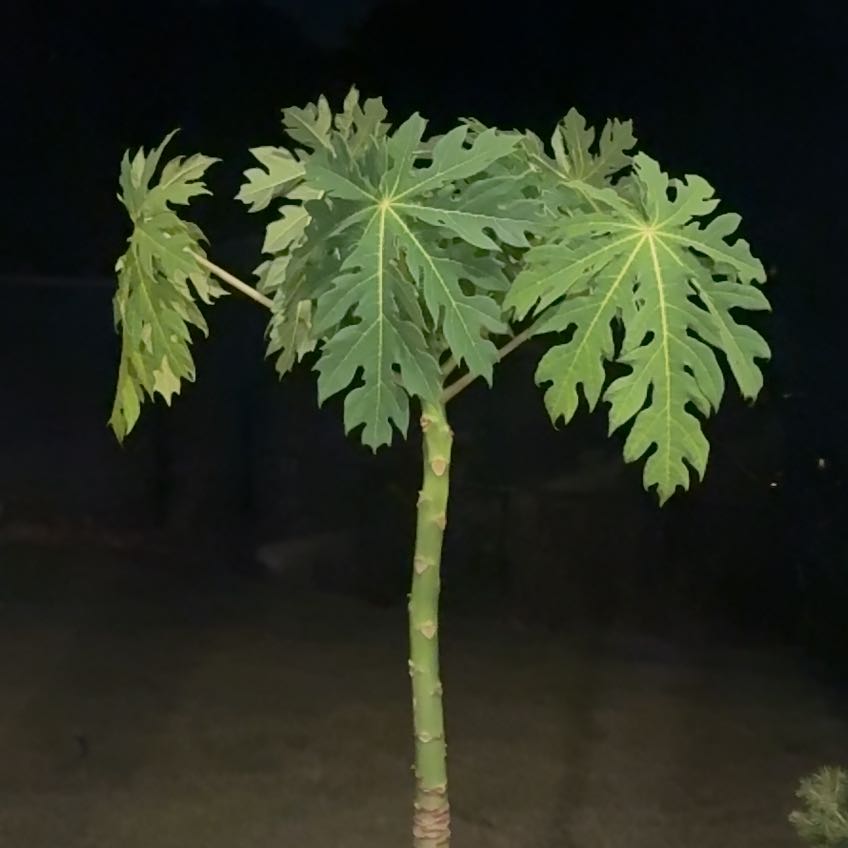
πŸ› Identifying What is Eating Your Papaya

Carica papaya

By the Greg Editorial Team

Jul 25, 20247 min read

This article was created with the help of AI so we can cover more plants for you. May contain errors. See one? Report it here.

  1. πŸ¦ŒπŸ‡ Identify pests like deer, rabbits, squirrels to protect papaya plants.
  2. πŸπŸ¦‹ Encourage pollinators for a healthy and fruitful papaya crop.
  3. πŸ›‘οΈ Use barriers, repellents, and humane methods to safeguard papayas.

Signs of Animal Presence

Identifying the telltale signs of animal activity is key to protecting your Papaya plants.

  • Look for footprints or tracks around the plant base.
  • Check for nibble marks or stripped bark on stems and branches.
  • Examine the ground for droppings, which can indicate the type of animal.
  • Notice any digging or burrowing near the plant, a sign of ground-dwelling creatures.
  • Observe the leaves for bite marks, tears, or holes.
  • Pay attention to partially eaten fruits or flowers, often a clear indicator of animal presence.
  • Be aware of unusual plant movement, such as shaking or rustling, which could suggest animal interaction.

Understanding the damage types helps pinpoint the culprit.

  • Deer typically leave jagged edges on leaves and stems.
  • Rabbits create clean-cut damage at ground level.
  • Squirrels often leave half-eaten fruits and scattered debris.
  • Birds peck holes in fruits and can strip parts of the plant.
  • Rodents gnaw at the plant, leaving small, distinct tooth marks.
  • Groundhogs and woodchucks may uproot entire plants or leave large burrows.

Common Papaya Pests

🦌 Deer

  • Deer are attracted to the broad leaves and sweet fruits of papaya plants.

  • Look for large, uneven bite marks on foliage and fruit, as well as hoof prints around the plant.

  • To deter deer:

    • Install tall fences that are difficult for deer to jump over.
    • Use deer repellents that emit scents unappealing to them.

πŸ‡ Rabbits

  • Rabbits cause sharp, clean cuts on leaves and can gnaw young papaya stems to the ground.

  • Their presence is often betrayed by small, round droppings and signs of digging.

  • Rabbit management includes:

    • Erecting chicken wire fencing around young plants.
    • Applying natural rabbit repellents like garlic or hot pepper sprays.

🐿 Squirrels

  • Squirrels target papaya for its fruit, leaving gnawed marks and partially eaten fruits.

  • They can also disturb young plants by digging for seeds or burying nuts.

  • Strategies to combat squirrels:

    • Use netting to protect fruit.
    • Provide alternative food sources to divert their attention.

🐦 Birds

  • Birds peck at papaya fruits, leaving small holes and exposed flesh which can lead to disease.

  • They may also eat seeds, affecting future plant generations.

  • Bird control methods:

    • Install bird netting over papaya trees.
    • Use scare tactics like reflective tape or decoy predators.

πŸ€ Rodents

  • Rodents, including mice and rats, chew on papaya stems and can damage roots.

  • Look for gnaw marks at the base of the plant and burrows in the soil.

  • To keep rodents at bay:

    • Set up traps around the papaya plants.
    • Modify the habitat to make it less inviting, such as by removing debris.

🦑 Groundhogs/Woodchucks

  • Groundhogs create large holes near plants and can eat through a papaya crop quickly.

  • Their burrows can destabilize the soil and harm the root system.

  • Groundhog deterrents:

    • Bury a fence deeply around the garden to prevent digging.
    • Use natural repellents like Epsom salts or commercial products.

Beneficial Garden Visitors

🐝 Pollinators

Papaya plants are a beacon for bees and butterflies, essential players in the pollination process. These insects are not just visitors; they're vital for a flourishing Papaya crop.

  • Bees: They're the heavy lifters of pollination, transferring pollen from male to female Papaya flowers, ensuring fruit development.
  • Butterflies: While they add aesthetic value, their role in pollination is equally significant, albeit less efficient than bees.

To encourage these beneficial insects, consider the following:

  • Diverse Planting: Integrate a variety of flowering plants that bloom at different times to provide a steady food source.
  • Water Sources: Install features like shallow water dishes to quench the thirst of your pollinating guests.
  • Pesticide Management: Opt for natural pest control methods to protect pollinators from harmful chemicals.

By nurturing pollinators, you not only boost your Papaya yield but also contribute to the local ecosystem's health.

Protecting Papaya Plants

Papayas, with their lush foliage and succulent fruits, can be irresistible to garden visitors, both welcome and unwelcome. Here's how to shield your papayas from the latter without disrupting the harmony of your garden.

🦌 Physical Barriers

Physical barriers are your first line of defense against larger herbivores.

  • Erect fencing around your Papaya plants to deter deer.
  • Use cages or rat wire to protect the plants from rodents, similar to strategies for safeguarding pineapples.

🌼 Companion Planting

Companion planting can be a subtle yet effective tactic.

  • Plant marigolds, nasturtiums, or basil near your Papayas; their strong scents can repel certain pests.
  • This method not only keeps pests at bay but also promotes biodiversity.

🌿 Organic and Chemical Repellents

When necessary, introduce repellents to keep your Papayas safe.

  • Opt for natural repellents like citrus peels or vinegar to avoid harsh chemicals.
  • If pests persist, consider organic or chemical repellents, but use them judiciously to minimize environmental impact.

🐞 Humane Animal Control

Embrace humane methods to manage animal visitors.

  • Encourage natural predators like ladybugs to control pests.
  • For persistent problems, humane traps can be used, followed by relocation of the animal.
  • Always prioritize non-lethal methods to maintain the delicate balance of your garden ecosystem.

Attraction and Vulnerability

🌺 Fruits and Flowers

Papaya fruits and flowers are a feast for the eyes and the palate, not just for humans but for wildlife too. Here's why they're so irresistible:

To protect these vital parts of the plant:

  • Use netting to shield fruits and flowers from birds and larger animals.
  • Apply organic repellents that deter animals without harming them or the ecosystem.
  • Prune strategically to remove damaged parts and reduce hiding spots for pests.

🌱 Young Shoots

The young shoots of papaya plants are particularly vulnerable to animal damage due to their tender nature. Here are some tips to keep them safe:

  • Erect physical barriers, such as fencing, to keep nibbling critters at bay.
  • Introduce companion planting with species that repel or distract herbivores.
  • Regularly inspect plants for signs of damage and address issues promptly to prevent further harm.

Ecological Considerations and Seasonal Patterns

Papaya plants play a dynamic role in their ecosystems, interacting with a variety of animals throughout the year. These interactions can be influenced by the plant's growth stages and the seasonal behaviors of local wildlife.

🌿 The Ecological Role of Papaya

  • Papaya trees provide nourishment and habitat for many creatures, from pollinators like bees and butterflies to fruit-eating birds and mammals.
  • Their flowers, fruits, and leaves serve as food sources, while also aiding in seed dispersal and pollination, essential for maintaining biodiversity.

🌺 Seasonal Interactions with Animals

  • Seasonal changes can lead to fluctuations in animal activity around papaya plants, with certain times of the year seeing increased feeding due to breeding, migration, or food scarcity.
  • For example, migratory birds may target papaya fruits more during certain seasons, while rodents might seek out the plants' shelter during cooler months.

πŸ›‘οΈ Adjusting Protection Measures

  • Recognize the signs of seasonal animal presence, such as increased bird droppings during migration periods or gnaw marks from rodents seeking warmth.
  • Adjust protective strategies accordingly, like reinforcing netting around fruiting seasons or providing alternative food sources to divert attention from young shoots.
  • Stay mindful of the plant's water and care needs, which vary with the seasons, to keep it robust against animal damage.

⚠️ Safety First

This content is for general information and may contain errors, omissions, or outdated details. It is not medical, veterinary advice, or an endorsement of therapeutic claims.

Always consult a qualified healthcare professional before using any plant as food, medicine, or supplement.

Never eat any plant (or feed one to pets) without confirming its identity with at least two trusted sources.

If you suspect poisoning, call Poison Control (800) 222-1222, the Pet Poison Helpline (800) 213-6680, or your local emergency service immediately.

Spotted an error? Please report it here.

Combat papaya munchers by using Greg to monitor πŸ•΅οΈβ€β™‚οΈ and adapt your plant care, ensuring your garden's resilience with personalized protection strategies.