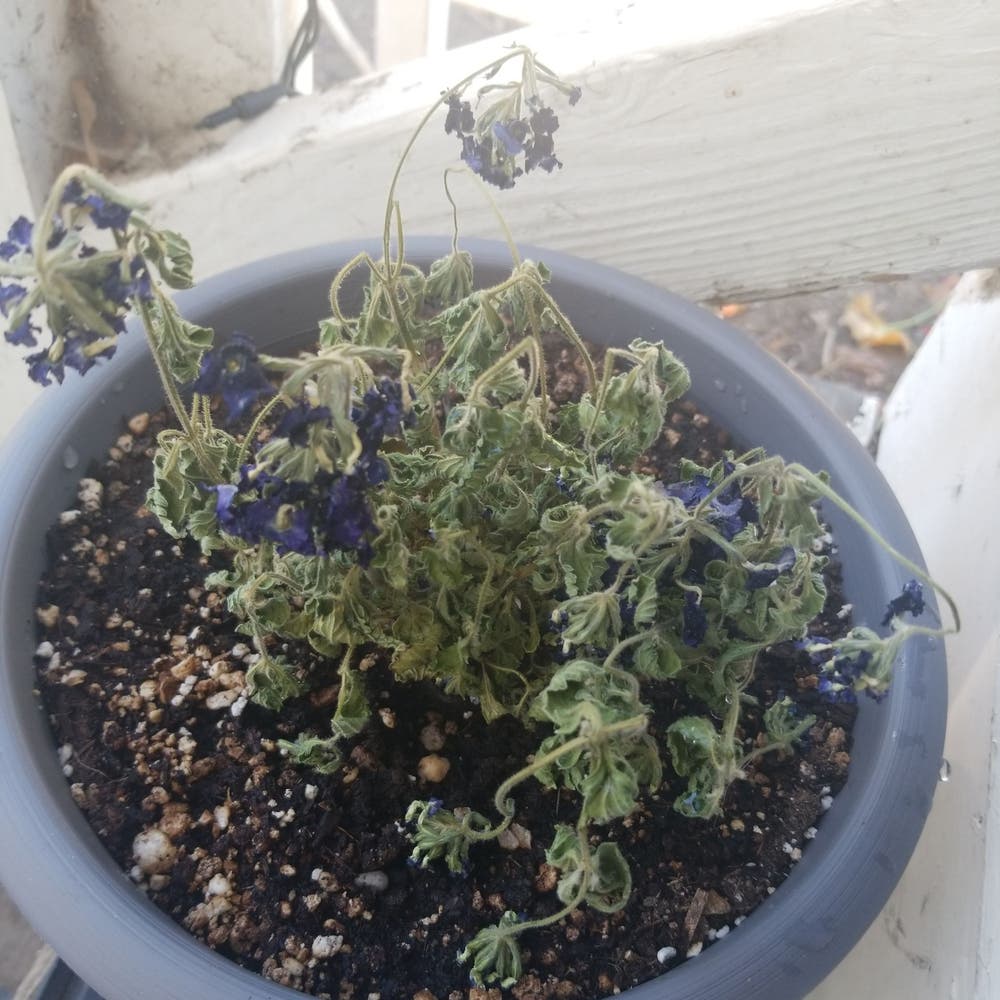
🔍 Best Tips for Dealing with Brown Spots on Verbena 'Fiesta'
Verbena 'Fiesta'
By the Greg Editorial Team
Nov 07, 2024•7 min read
This article was created with the help of AI so we can cover more plants for you. May contain errors. See one? Report it here.
Transform your Verbena 'Fiesta' into a vibrant showstopper by mastering the secrets to preventing brown spots! 🌼
- 🌱 Brown spots on Verbena 'Fiesta' stem from pests, diseases, and environmental stress.
- 💧 Prevent overwatering and ensure good drainage to avoid root rot and brown spots.
- 🌞 Provide at least six hours of sunlight daily to reduce fungal diseases.
Causes of Brown Spots
🦠 Fungal Infections and Diseases
Fungal infections are a primary cause of brown spots on Verbena 'Fiesta'. Two common culprits are powdery mildew and leaf spot.
Powdery Mildew
Powdery mildew appears as a white, powdery substance on leaves. It thrives in conditions of high humidity and poor air circulation, often leading to stunted growth and unsightly foliage.
Leaf Spot
Leaf spot manifests as dark, wet-looking spots on leaves. Environmental triggers include excessive moisture and overcrowding, which create a perfect breeding ground for this disease.
🌪️ Environmental Stress Factors
Environmental stress can also lead to brown spots on your plants. Two significant stressors are sunburn and overwatering.
Sunburn
Sunburn is characterized by brown, crispy edges and spots on leaves. This damage typically occurs due to excessive heat and direct sunlight exposure, especially if newly planted specimens haven't acclimatized properly.
Overwatering
Overwatering can result in yellowing leaves accompanied by brown spots. Poor drainage can lead to root rot, severely impacting leaf health and overall plant vitality.
🥦 Nutrient Deficiencies
Nutrient deficiencies can further exacerbate the appearance of brown spots. Key deficiencies to watch for are nitrogen and potassium.
Nitrogen Deficiency
Nitrogen deficiency often presents as stunted growth and yellowing leaves with brown spots. Nitrogen is crucial for overall plant health, as it supports robust growth and vibrant foliage.
Potassium Deficiency
Potassium deficiency leads to marginal leaf burn and brown spots. This nutrient plays a vital role in disease resistance and overall plant vigor, making it essential for healthy growth.
🐜 Pest Infestations
Pest infestations can also contribute to the development of brown spots. Two common pests to be aware of are aphids and spider mites.
Aphids
Aphids are small, soft-bodied insects that can be found on leaves. They cause damage by curling leaves and leading to discoloration, which can mimic the symptoms of environmental stress.
Spider Mites
Spider mites leave fine webbing and stippled leaves in their wake. Infestations can cause yellowing and browning of leaves, further complicating the health of your Verbena.
Understanding these causes is crucial for effective treatment and prevention. Next, we’ll explore how to diagnose these brown spots accurately.
Diagnosing Brown Spots
🦠 Identifying Symptoms of Fungal Infections
When diagnosing brown spots on your Verbena 'Fiesta', start by examining the visual cues. Look for specific spot patterns, colors, and leaf textures that indicate fungal infections.
Timing also plays a crucial role in diagnosis. Fungal symptoms often appear during humid conditions or specific seasons, so keep an eye on the weather.
☀️ Differentiating Between Sunburn and Disease
It's essential to distinguish between sunburn and disease when assessing your plants. Sunburn typically presents as crispy, dry edges, while disease manifests as wet, dark spots.
Consider the environmental conditions as well. High heat and direct sunlight can lead to sunburn, whereas damp, humid conditions favor fungal diseases.
💧 Assessing Watering Practices and Soil Conditions
Proper soil drainage is vital for healthy plants. Poor drainage can lead to overwatering, which often results in yellowing leaves and brown spots.
Be aware of the signs of both overwatering and underwatering. Adjust your watering practices based on the soil's moisture level and consider using well-draining soil types and amendments.
🐛 Recognizing Pest Damage Versus Environmental Stress
Identifying pest damage is another key aspect of diagnosing brown spots. Look for visual signs such as leaf curling or stippling, which indicate pest infestations.
Compare these symptoms with those of environmental stress. Regular inspections are crucial for early detection, allowing you to address issues before they escalate.
By understanding these diagnostic techniques, you can effectively manage and treat brown spots on your Verbena 'Fiesta', ensuring vibrant and healthy plants. Next, let’s explore treatment options to tackle these issues head-on.
Treatment Options
🌱 Organic Fungicides and Their Application
To combat fungal infections on your Verbena 'Fiesta', consider using organic fungicides like neem oil and sulfur-based products. These options are effective and environmentally friendly, making them ideal for maintaining plant health.
When applying these fungicides, timing is crucial. Aim to treat your plants during the early morning or late afternoon when temperatures are cooler to enhance absorption and minimize evaporation. Regular applications every 7 to 14 days can help keep fungal issues at bay.
💧 Adjusting Watering and Drainage Practices
Proper watering practices are essential for preventing brown spots. Water your Verbena 'Fiesta' deeply but infrequently, allowing the soil to dry out between waterings to avoid over-saturation.
Improving drainage is equally important. Consider amending your soil with organic matter or using raised beds to enhance water flow and prevent root rot, which can lead to unsightly brown spots.
🌼 Fertilization Strategies to Address Nutrient Deficiencies
To ensure your plants thrive, use balanced fertilizers with NPK ratios suitable for flowering plants. This will help address any nutrient deficiencies that may contribute to brown spots.
Timing your fertilization is key. Apply fertilizers during the growing season when your plants are actively developing, and reduce or halt applications during their dormant periods to avoid nutrient overload.
🐛 Pest Control Methods
For pest infestations, insecticidal soap can be a game-changer. Apply it directly to affected areas, focusing on the undersides of leaves where pests often hide, and repeat every few days until the problem subsides.
Neem oil is another effective option, known for its dual action as both a pesticide and fungicide. Use it as a preventative measure or when you notice signs of infestation. Integrating these methods into an overall pest management strategy will help keep your Verbena healthy and vibrant.
By implementing these treatment options, you can effectively manage brown spots on your Verbena 'Fiesta' and promote a flourishing garden. Next, let’s explore how to prevent these issues from arising in the first place.
Preventing Brown Spots
🌊 Best Practices for Watering
To keep your Verbena 'Fiesta' healthy, establish a consistent watering schedule. Aim to water deeply but infrequently, allowing the soil to dry out between sessions.
Check the soil moisture regularly to ensure you're not over or underwatering. A simple finger test can help; if the top inch of soil feels dry, it’s time to water.
☀️ Importance of Proper Sunlight Exposure
Verbena 'Fiesta' thrives in full sun, so ensure your plants receive at least six hours of direct sunlight daily. This exposure not only promotes vibrant blooms but also helps prevent fungal diseases.
When introducing new plants to your garden, gradually acclimatize them to sunlight. Start with partial shade and slowly increase their sun exposure over a week.
🏗️ Soil Preparation and Drainage Techniques
Choosing the right soil is crucial for preventing brown spots. Use well-draining soil that retains moisture without becoming soggy.
To improve drainage, consider techniques like raised beds or adding organic amendments such as compost. These methods enhance soil structure and promote healthy root growth.
🔍 Regular Monitoring for Pests and Diseases
Routine inspections are key to catching potential issues early. Check your plants weekly for signs of pests or diseases, focusing on the undersides of leaves where pests often hide.
Implement early intervention strategies, such as removing affected leaves or applying organic treatments, to prevent outbreaks from escalating. Staying proactive can save your plants from significant damage.
By following these preventive measures, you can enjoy a flourishing Verbena 'Fiesta' garden, free from the worry of brown spots. Next, let’s explore how seasonal changes impact your care routine.
Seasonal Considerations
Care During the Growing Season 🌱
During the growing season, it's crucial to adjust your watering and fertilization practices. Ensure that your Verbena 'Fiesta' receives adequate moisture without becoming waterlogged, as this can lead to brown spots.
Regularly monitor your plants for pests and diseases. Early detection can save your plants from severe damage and keep them thriving.
Winter Care to Prevent Stress ❄️
As colder months approach, prepare your Verbena for winter. This includes mulching around the base to insulate roots and reduce frost exposure.
Implement techniques to protect your plants from frost and cold damage. Covering them with frost cloths or moving potted plants to sheltered areas can make a significant difference.
Adjusting Care Practices Based on Weather Changes 🌦️
Stay vigilant for signs of stress due to fluctuating weather conditions. Changes in temperature and humidity can affect your plants' health.
Modify your care routines accordingly. For instance, during a heatwave, increase watering frequency, while in cooler, damp conditions, reduce it to prevent overwatering.
⚠️ Safety First
This content is for general information and may contain errors, omissions, or outdated details. It is not medical, veterinary advice, or an endorsement of therapeutic claims.
Always consult a qualified healthcare professional before using any plant as food, medicine, or supplement.
Never eat any plant (or feed one to pets) without confirming its identity with at least two trusted sources.
If you suspect poisoning, call Poison Control (800) 222-1222, the Pet Poison Helpline (800) 213-6680, or your local emergency service immediately.
Spotted an error? Please report it here.
Keep your Verbena 'Fiesta' spotless 🌼 by using Greg's tailored watering reminders and pest alerts to catch issues early and promote vibrant growth!