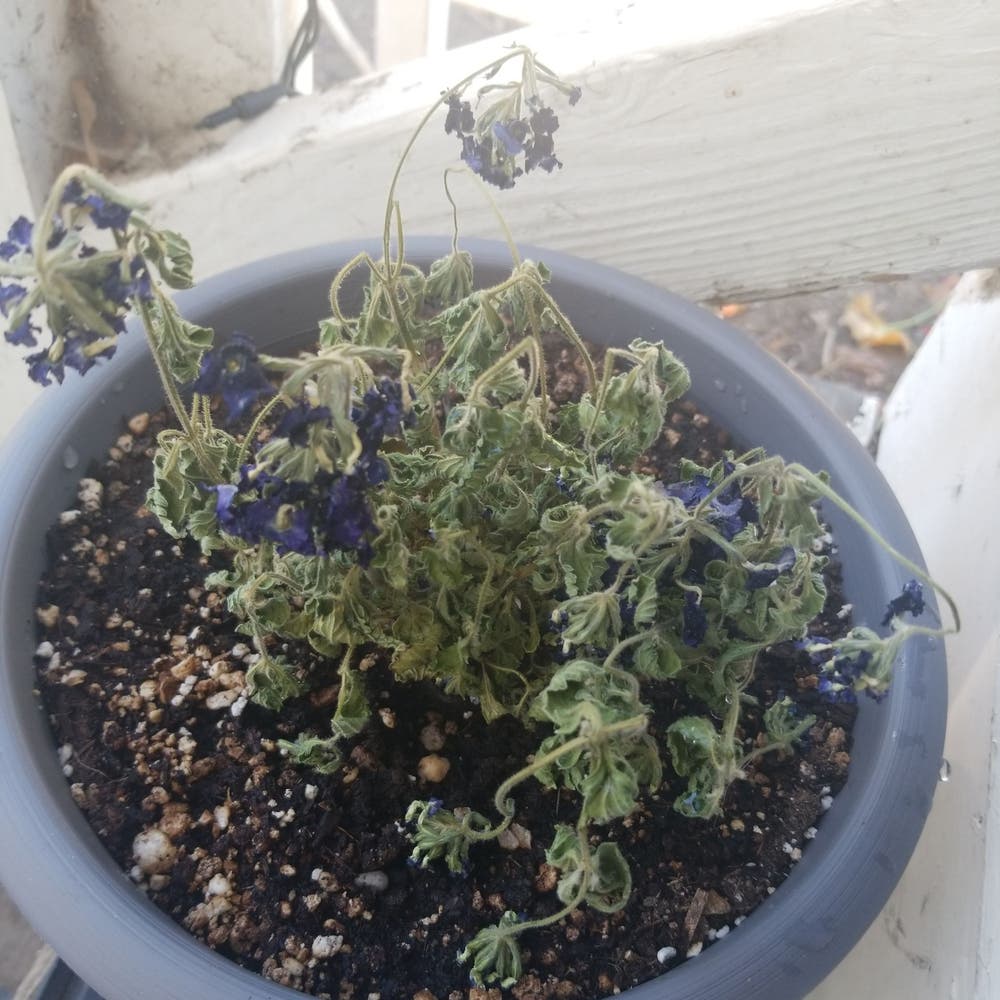
🔍 What to Do About Black Spots on Your Verbena 'Fiesta'
Verbena 'Fiesta'
By the Greg Editorial Team
Nov 07, 2024•5 min read
This article was created with the help of AI so we can cover more plants for you. May contain errors. See one? Report it here.
Revitalize your Verbena 'Fiesta' by mastering black spot prevention and treatment! 🌱✨
- 🌱 Black spots on Verbena 'Fiesta' stem from fungal, bacterial infections, and nutrient deficiencies.
- 💧 Prevent black spots by adjusting watering and ensuring good drainage and air circulation.
- 🌿 Treat effectively with organic fungicides and homemade remedies like baking soda.
Causes of Black Spots
🦠 Fungal Infections
Fungal infections are a primary culprit behind black spots on your Verbena 'Fiesta.' One of the most common is Cercospora leaf spot, which presents as dark brown to black spots surrounded by yellow halos. Other fungi, such as Alternaria and Phoma, can also wreak havoc on your plants.
Fungal growth thrives in specific conditions. High humidity and poor air circulation create a perfect storm for these pathogens. Additionally, overcrowded planting can lead to moisture retention, further exacerbating the problem.
🦠 Bacterial Infections
Bacterial infections can also lead to unsightly black spots. Bacterial leaf spot manifests as water-soaked spots that eventually turn black, signaling a serious issue.
These infections often arise from excessive moisture on leaves, typically due to overhead watering. Poor drainage can also contribute, leading to waterlogged soil that fosters bacterial growth.
🌪️ Environmental Stress Factors
Environmental stress plays a significant role in the development of black spots. Overwatering is a common issue, with signs including black spots and wilting caused by root rot.
Poor drainage exacerbates these problems, as soil that retains too much water can lead to further leaf issues. High humidity levels can create an environment ripe for fungal diseases, making it crucial to monitor your plants' surroundings.
🥦 Nutrient Deficiencies
Nutrient deficiencies can manifest as black spots on your Verbena. A nitrogen deficiency often leads to yellowing leaves accompanied by dark spots.
Similarly, a potassium deficiency can cause marginal leaf burn and blackened areas. Maintaining balanced fertilization is essential for overall plant health, ensuring your Verbena thrives without the threat of nutrient-related issues.
Understanding these causes is vital for effective management of black spots on your Verbena 'Fiesta.' By addressing these factors, you can help your plants flourish and prevent further complications. Next, we’ll explore how to identify these black spots effectively.
Identifying Black Spots
Characteristics of Black Spots 🕵️♂️
Black spots on your Verbena 'Fiesta' are typically small, round, and dark in color. You might notice variations, such as yellow halos around the spots or a water-soaked appearance, which can indicate different underlying issues.
Differentiating Between Fungal and Bacterial Spots ⚗️
To effectively treat these spots, it's crucial to differentiate between fungal and bacterial infections. Fungal spots usually have defined edges and can spread rapidly, while bacterial spots are often irregular in shape and may ooze when cut.
Other Symptoms to Look For 👀
Keep an eye out for yellowing leaves, which can signal nutrient deficiencies or stress in your plant. Additionally, wilting may indicate root issues or severe leaf disease, both of which require immediate attention.
Identifying these symptoms early can make a significant difference in your Verbena's health. By understanding the characteristics of black spots and their potential causes, you can take proactive steps to ensure your plant thrives.
Treatment Options
🌱 Organic Fungicides and Their Application
When it comes to treating black spots on your Verbena 'Fiesta', organic fungicides are a great first line of defense. Neem oil and sulfur-based fungicides are highly recommended for their effectiveness and safety.
Apply these products every 7-14 days during the plant's active growth period. This regular application helps keep fungal infections at bay and promotes healthier foliage.
🧪 Homemade Remedies
If you prefer a DIY approach, consider using a baking soda solution. Simply mix 1 tablespoon of baking soda with 1 gallon of water and spray it on the affected leaves.
This solution creates an alkaline environment that can inhibit fungal growth, making it a practical and eco-friendly option for plant care.
✂️ Pruning Affected Leaves
Pruning is another effective method to manage black spots. Here’s a simple step-by-step process to follow:
- Use clean, sharp scissors or pruning shears to avoid introducing new pathogens.
- Remove all visibly affected leaves to prevent the spread of disease.
- Dispose of the leaves properly; don’t just toss them in the compost pile.
This proactive approach can significantly improve the health of your Verbena.
💧 Adjusting Watering Practices
Watering practices play a crucial role in preventing black spots. Allow the top inch of soil to dry out before watering again to avoid excess moisture.
Additionally, water at the base of the plant rather than overhead. This keeps the leaves dry and reduces the risk of fungal infections.
By implementing these treatment options, you can effectively combat black spots and promote a thriving Verbena 'Fiesta'. Next, let’s explore some prevention strategies to keep your plants healthy and vibrant.
Prevention Strategies
Proper Watering Techniques 🌊
Watering your Verbena 'Fiesta' correctly is crucial for preventing black spots. Ensure your pots have drainage holes and use well-draining soil to avoid waterlogged conditions.
Water deeply but less frequently. This encourages deep root growth and helps your plants withstand periods of drought.
Soil Health and Amendments 🌱
Healthy soil is the foundation of a thriving garden. Incorporate compost and perlite to improve drainage and nutrient availability.
Regular soil testing is essential. It helps you monitor nutrient levels and pH balance, ensuring your plants receive what they need to flourish.
Sunlight and Air Circulation Considerations ☀️
Your Verbena needs plenty of sunlight to thrive. Aim for full sun exposure, ideally 6-8 hours daily, to reduce humidity around the leaves.
Don't forget about air circulation! Space your plants adequately to allow airflow, which helps prevent fungal diseases.
Regular Monitoring and Early Intervention 🔍
Routine checks are key to catching problems early. Inspect your plants weekly for any signs of disease or distress.
If you notice any issues, take immediate action. Treating problems promptly can prevent escalation and keep your Verbena healthy and vibrant.
By following these prevention strategies, you can significantly reduce the risk of black spots on your Verbena 'Fiesta'. Next, let’s explore how to identify these pesky black spots effectively.
⚠️ Safety First
This content is for general information and may contain errors, omissions, or outdated details. It is not medical, veterinary advice, or an endorsement of therapeutic claims.
Always consult a qualified healthcare professional before using any plant as food, medicine, or supplement.
Never eat any plant (or feed one to pets) without confirming its identity with at least two trusted sources.
If you suspect poisoning, call Poison Control (800) 222-1222, the Pet Poison Helpline (800) 213-6680, or your local emergency service immediately.
Spotted an error? Please report it here.
Keep your Verbena 'Fiesta' spot-free 🌿 by using Greg's tailored watering reminders and nutrient tracking to create the perfect environment for thriving plants!