🌸 All About Broad-Petaled Eulophia: Essential Facts
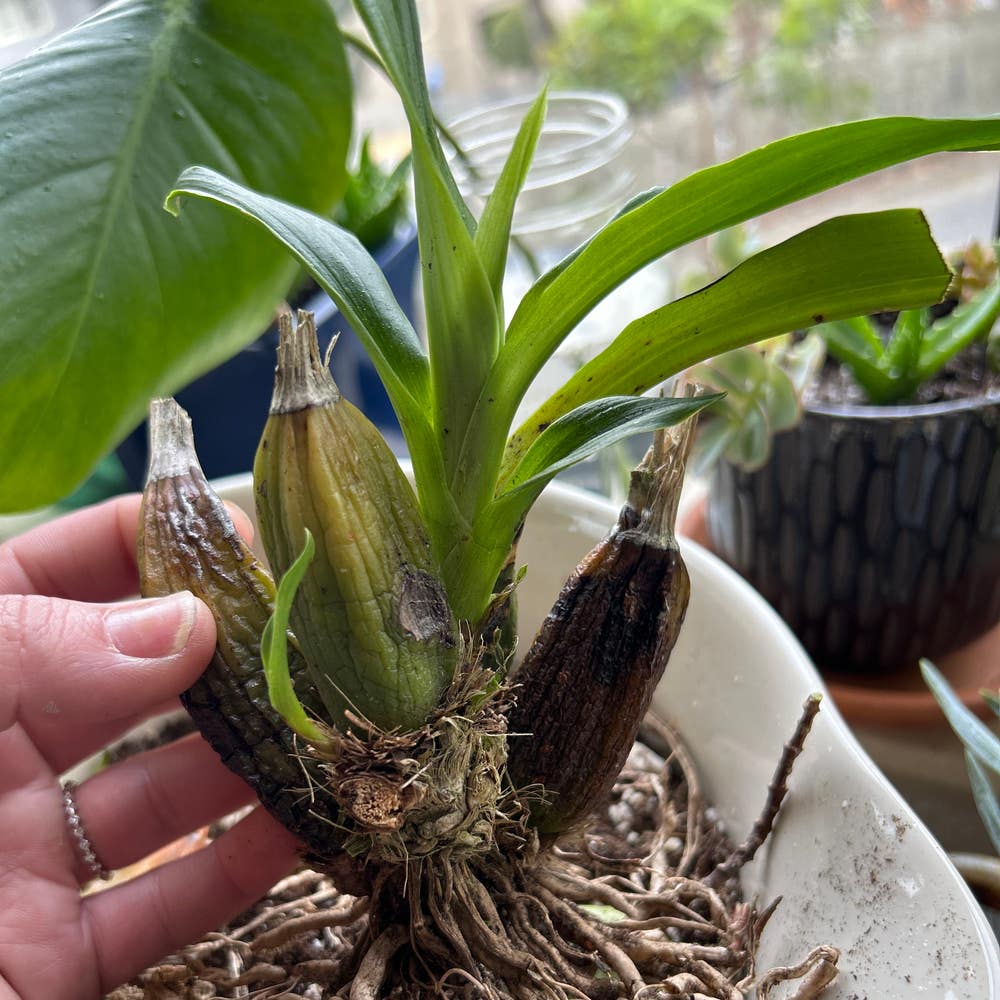
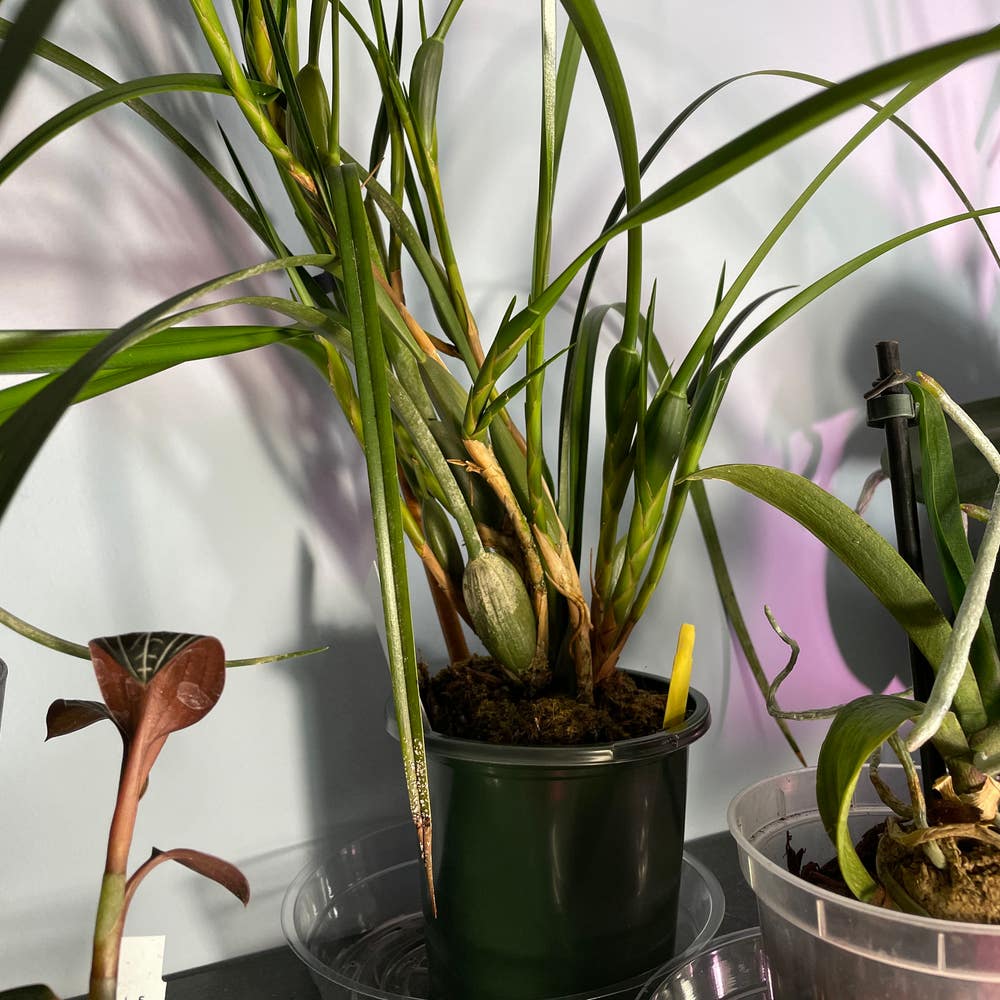
Eulophia platypetala
By the Greg Editorial Team
Feb 27, 2025•10 min read
This article was created with the help of AI so we can cover more plants for you. May contain errors. See one? Report it here.
- 🌞 Broad-Petaled Eulophia needs 4-6 hours of sunlight for optimal growth.
- 🌱 Well-draining, loamy soil with pH 6.0-7.0 is essential for healthy plants.
- 🐞 Regular care prevents pests and promotes biodiversity in your garden.
How to Grow
Choosing the Right Location 🌞
To thrive, Broad-Petaled Eulophia needs full sun to partial shade, ideally receiving 4-6 hours of direct sunlight daily. When deciding between outdoor planting and container growing, consider drainage and space requirements to ensure healthy growth.
Soil Preparation and Amendments 🌱
This plant flourishes in well-draining, loamy soil enriched with organic matter. Aim for a slightly acidic to neutral pH, ideally between 6.0 and 7.0, and enhance your soil with compost or well-rotted manure for optimal nutrient levels.
Planting Techniques and Spacing 🌼
When planting seeds or rhizomes, dig down 2-3 inches deep. Space your plants 12-18 inches apart to promote healthy growth and adequate air circulation.
Watering Requirements and Schedules 💧
Regular watering is crucial to maintain consistent moisture, but be cautious to avoid waterlogging. Watch for yellowing leaves as a sign of overwatering and wilting as an indicator of underwatering.
Fertilizing Methods and Types 🌿
During the growing season, fertilize your plants monthly. A balanced NPK fertilizer (10-10-10) or organic options will provide the nutrients they need to flourish.
Pruning and Ongoing Care Strategies ✂️
Keep your plants healthy by deadheading spent flowers and removing any yellowing leaves. Regular inspections for pests and diseases will help you catch any issues early.
Outdoor vs. Container Growing Considerations 🏡
If you choose container growing, select a pot with a minimum diameter of 12 inches to allow for adequate root space. Ensure your pots have drainage holes to prevent root rot, which can be detrimental to your plants' health.
With these essential growing tips, you're well on your way to cultivating beautiful Broad-Petaled Eulophia. Next, let's explore the fascinating world of propagation techniques to expand your garden even further!
Propagation
🌱 Seed Propagation Steps
Seed propagation is a rewarding way to grow Broad-Petaled Eulophia. Start by collecting seeds after the flowering period has ended.
Next, prepare seed trays filled with well-draining soil. Sow the seeds about 1/4 inch deep and water them lightly.
Maintain humidity in the trays until germination occurs, which typically takes 7-14 days.
✂️ Division of Rhizomes Method
Dividing rhizomes is another effective propagation method. In early spring, carefully dig up established plants to access the rhizomes.
Separate the rhizomes, ensuring each piece has healthy roots attached. Replant these immediately in prepared soil to encourage new growth.
🌿 Tips for Successful Cuttings
For those looking to propagate through cuttings, select healthy stems that have at least two nodes.
Using a rooting hormone can significantly improve your success rate. Place the cuttings in a moist, well-draining medium and keep them there until roots develop, which usually takes 2-4 weeks.
This method can be a bit more challenging, but the results are worth the effort.
With these propagation techniques, you can expand your Broad-Petaled Eulophia collection and share the beauty of these plants with others.
Next, let’s explore the lifecycle of Broad-Petaled Eulophia and understand how it grows from seed to maturity.
Lifecycle
Lifecycle Stages 🌱
The lifecycle of Broad-Petaled Eulophia is fascinating and unfolds in distinct stages. It begins with germination, where seeds sprout within 7-14 days under optimal conditions.
Following germination, the plant enters the seedling stage, lasting about 4-6 weeks. This is when the young plant establishes its roots and begins to grow.
Next is the vegetative growth phase, which can last several months. During this time, the plant experiences rapid growth, developing leaves and stems.
As the season progresses, the plant reaches the flowering stage, typically occurring in late spring to summer. This is when the plant showcases its vibrant blooms.
Finally, after flowering, the plant enters the seed production stage. Seeds develop and are ready for collection, completing the lifecycle.
Duration Until Maturity ⏳
Broad-Petaled Eulophia takes approximately 1-2 years to reach full maturity. This timeframe allows the plant to establish a robust root system and develop its characteristic height and spread.
Growth Speed and Factors Affecting Growth Rate ⚡️
The growth rate of Broad-Petaled Eulophia is considered moderate. Several factors influence this rate, including:
- Light: Adequate sunlight is crucial for optimal growth.
- Water: Consistent moisture levels help maintain healthy growth.
- Nutrients: The availability of nutrients in the soil significantly impacts growth speed.
Understanding these factors can help you provide the best care for your Broad-Petaled Eulophia, ensuring a thriving plant.
With this knowledge in hand, you can look forward to the next section, where we’ll explore the size characteristics of this beautiful plant.
Size
Mature Height and Spread 🌱
Broad-Petaled Eulophia typically reaches a mature height of 18 to 24 inches. Its spread ranges from 12 to 18 inches, making it a lovely addition to any garden.
Growth Rate and Time to Full Size ⏳
Under optimal conditions, you can expect this plant to reach its full size in about 1 to 2 years. This moderate growth rate allows for gradual integration into your landscape.
Size Variability Based on Growing Conditions 🌍
The size of Broad-Petaled Eulophia can vary significantly based on several factors. Key influences include soil quality, water availability, and light exposure, all of which play a crucial role in its overall growth and health.
Understanding these aspects will help you create the best environment for your plants. With the right care, you can enjoy the vibrant beauty of Broad-Petaled Eulophia in your garden for years to come.
Next, we will explore the characteristics of its root system, which are essential for its growth and stability.
Roots
🌱 Characteristics of the Root System
Broad-Petaled Eulophia features a fibrous root system. This type of root structure enhances stability and improves nutrient uptake, making it well-suited for various growing conditions.
📏 Root Depth and Spread
The roots typically extend 12-18 inches deep into the soil. They can spread beyond the plant's canopy, allowing for efficient absorption of water and nutrients.
⚠️ Common Root-Related Issues and Solutions
One common issue is root rot, often caused by overwatering. To prevent this, ensure your soil is well-draining.
Another problem is squishy roots, which indicate poor health. Adjusting your watering practices can remedy this condition.
✅ Identifying Healthy vs. Unhealthy Roots
Healthy roots are firm, white, and spread out evenly. In contrast, unhealthy roots appear dark, mushy, or may emit a foul smell.
🔄 Recognizing Rootbound Conditions and Management
Rootbound conditions occur when roots circle the pot, limiting growth. Signs include stunted growth and poor water absorption.
To manage this, repot your Broad-Petaled Eulophia into a larger container when you notice these signs. This simple step can rejuvenate your plant and promote healthy growth.
With a solid understanding of root health, you can ensure your Broad-Petaled Eulophia thrives. Next, let’s explore the benefits of growing this beautiful plant.
Benefits
Key Benefits of Growing Broad-Petaled Eulophia 🌼
Growing Broad-Petaled Eulophia comes with a host of benefits that can enhance your garden and local ecosystem.
Attracts Pollinators: These beautiful flowers are a magnet for bees and butterflies, boosting garden biodiversity and supporting pollination.
Vibrant Color: With their striking blooms, Broad-Petaled Eulophia adds a splash of color, making your landscape visually appealing throughout the growing season.
Ecosystem Support: This plant fosters symbiotic relationships with fungi, which can improve soil health and nutrient availability for surrounding plants.
Traditional Medicine: In various cultures, parts of the plant are used for their potential health benefits, offering a natural remedy for certain ailments.
Cultural Significance: Beyond aesthetics, Broad-Petaled Eulophia symbolizes beauty and resilience in many regions, enriching your garden's cultural narrative.
These benefits make Broad-Petaled Eulophia not just a plant, but a valuable addition to any garden.
As you consider incorporating this stunning flower into your space, think about how it can enhance not only your garden's beauty but also its ecological health. Next, let’s explore the best companion plants to grow alongside Broad-Petaled Eulophia for even greater benefits.
Companion Plants
🌱 Companion Planting and Its Benefits
Companion planting is all about creating a harmonious garden. By growing plants together, you can enhance pest management and boost overall growth, making your garden thrive.
🌼 Compatible Companion Plants
When it comes to Broad-Petaled Eulophia, certain companions shine. Marigolds are excellent for repelling pests, while ferns provide much-needed shade. Additionally, other flowering plants can add aesthetic appeal, creating a vibrant garden space.
🚫 Plants to Avoid
However, not all plants play well together. It's best to steer clear of heavy feeders like corn or tomatoes, as they compete for nutrients and can hinder the growth of your Broad-Petaled Eulophia.
By choosing the right companions, you can create a flourishing ecosystem that benefits all your plants. This thoughtful approach not only enhances your garden's beauty but also supports its health and productivity.
Problems
🌱 Common Problems Faced
Growing Broad-Petaled Eulophia can be rewarding, but it's not without its challenges. Understanding common problems can help you maintain a healthy plant.
💧 Incorrect Watering
Watering is crucial for plant health. Overwatering often leads to yellowing leaves, while underwatering causes wilting.
☀️ Incorrect Light Conditions
Light plays a significant role in growth. Too much sun can scorch leaves, whereas insufficient light results in leggy growth.
🌡️ Incorrect Temperature
Temperature fluctuations can stress your plant. Signs of cold stress include browning edges, while heat stress manifests as drooping leaves.
🦠 Diseases
Fungal diseases like powdery mildew and rust can affect your Eulophia. Good air circulation is key to prevention.
📉 Growth Problems
If your plant isn't growing or fruiting, it may be time to adjust your care practices. Regularly evaluate your watering, light, and temperature conditions to ensure optimal growth.
By being aware of these common issues, you can take proactive steps to keep your Broad-Petaled Eulophia thriving. Next, let’s explore the pests that might invade your garden and how to manage them effectively.
Bugs
🐞 Pest Resistance and Susceptibility
Broad-Petaled Eulophia boasts moderate pest resistance, making it a resilient choice for gardeners. However, it can still fall prey to a few common pests that require attention.
🕷️ Common Pests
Spider Mites
These tiny pests can wreak havoc on your plants. Look for signs like webbing and stippled leaves; if you spot them, treat your plants with insecticidal soap to eliminate the infestation.
🐜 Scale Insects
Scale insects can be tricky to identify. They leave behind sticky residue and cause yellowing leaves; neem oil is an effective control method to keep them at bay.
🧼 Mealybugs
Mealybugs appear as cotton-like masses on stems, which can be alarming. You can remove them by hand or treat the affected areas with alcohol for effective eradication.
🐞 Aphids
These small green insects are notorious for their rapid reproduction. Control aphid populations using insecticidal soap or by introducing natural predators into your garden.
By staying vigilant and addressing these pests promptly, you can ensure your Broad-Petaled Eulophia thrives beautifully. Next, let’s explore what garden animals might be interested in snacking on your plants.
What Eats Broad-Petaled Eulophia
🐾 Common Garden Animals
Broad-Petaled Eulophia can attract a variety of garden animals that may cause damage. Understanding these potential threats is essential for effective management.
🦌 Deer
Deer are notorious for munching on garden plants. Look for signs like chewed leaves and broken stems. To deter them, consider using fencing or repellents that can keep these hungry visitors at bay.
🐇 Rabbits
Rabbits can be quite the nuisance, often leaving behind clipped stems as evidence of their feasting. Barriers or repellents can help protect your plants from these furry foragers.
🐿️ Squirrels
Squirrels may not just raid your bird feeders; they can also damage flowers and seeds. Managing their presence can involve traps or deterrent sprays to keep them from snacking on your Eulophia.
🐦 Birds
Birds can be both beautiful and bothersome. They often peck at flowers, which can lead to unsightly damage. Using netting can effectively protect your blooms from these feathered friends.
🐭 Rodents
Rodents, including mice and voles, can wreak havoc in the garden. Look for signs like burrowing and nibbling. Control measures such as traps and habitat management can help keep these critters in check.
Understanding what eats Broad-Petaled Eulophia allows you to take proactive steps in protecting your plants. By implementing effective deterrents, you can enjoy a thriving garden free from unwanted visitors.
⚠️ Safety First
This content is for general information and may contain errors, omissions, or outdated details. It is not medical, veterinary advice, or an endorsement of therapeutic claims.
Always consult a qualified healthcare professional before using any plant as food, medicine, or supplement.
Never eat any plant (or feed one to pets) without confirming its identity with at least two trusted sources.
If you suspect poisoning, call Poison Control (800) 222-1222, the Pet Poison Helpline (800) 213-6680, or your local emergency service immediately.
Spotted an error? Please report it here.
Cultivate a thriving garden 🌼 with Greg's personalized care tips and watering reminders, ensuring your Broad-Petaled Eulophia flourishes while attracting pollinators and enhancing biodiversity!