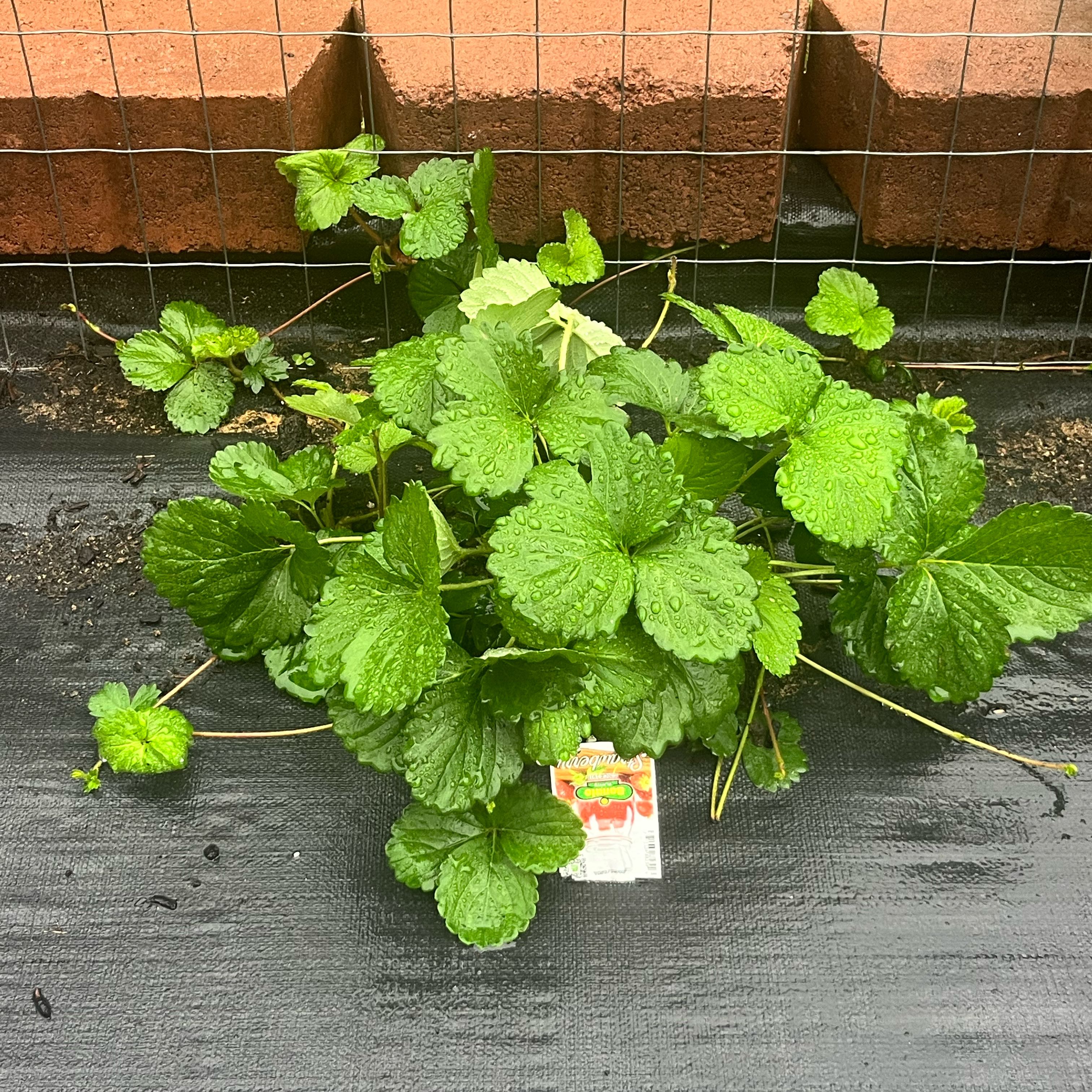
Best Pot for Strawberry
What Size Pot Do Strawberries Need?
Strawberry roots are shallow and fibrous, spreading outward just a few inches below the soil surface. This means width matters more than depth. A pot that's at least 8 inches wide and 6–8 inches deep gives a single plant plenty of room for its roots and leaves space for runners if you want to propagate.
For multiple plants, plan on 8–10 inches of surface area per plant. A 12-inch wide pot can comfortably hold 2–3 plants. Traditional strawberry pots with multiple planting pockets on the sides are designed specifically for this shallow root habit and allow you to pack more plants into a small footprint.
Avoid very deep pots because the lower soil will stay wet long after the surface dries, and strawberry roots don't reach down to use it. That stagnant wet soil below the root zone is a setup for disease.
What Material Pot Is Best for Strawberry?
Strawberries have a compact, fibrous root system that stays close to the surface and depends on consistent moisture to fuel steady fruiting. The roots like to stay evenly damp, but the crown where the roots meet the leaves must be kept dry or it becomes prone to rot.
A container with good drainage keeps water moving through the root zone rather than pooling at the base, and a shallower pot suits these surface roots better than a deep one. Steady, moderate moisture with reliable drainage is the balance these roots are looking for.
Strawberries are flexible when it comes to pot material. Fabric grow bags are a popular choice because they drain well and keep roots from circling, while glazed ceramic and plastic hold a bit more moisture during fruiting season when berries need steady water.
Plastic is the commercial standard for good reason. It is affordable, lightweight, and easy to move around to chase the sun. Most nursery strawberries already come in plastic, so you can keep them right where they are.
The only material to watch out for is metal. Strawberry roots sit close to the surface, and a metal pot in full sun can overheat them quickly.

Do My Strawberries Need Drainage Holes?
Yes, strawberries need good drainage at every stage. The crown of the plant (where roots meet stem) is the part most vulnerable to rot, and any waterlogging at the soil surface will damage or kill the plant. Drainage holes ensure excess water from rain or watering flushes through rather than pooling.
For traditional strawberry jars with side pockets, check that each pocket drains into the one below and that the bottom of the jar has a drainage hole. Some decorative strawberry pots can trap water internally even with a bottom hole. Water slowly and watch to make sure water moves through the entire pot, not just out the top pocket.
When Should I Repot My Strawberries?
Strawberry plants are typically most productive in their first 2–3 years, after which yield and fruit quality decline. Rather than repotting old plants, most growers renew their containers each spring with young plants or well-rooted runners from the previous season.
If you're keeping plants from year to year, refresh the potting mix each spring before growth resumes. Remove any dead or mushy material from around the crown and replant at the same level, making sure the crown stays at or just above the soil surface.
For runner propagation, pin the runner tip into a small pot of fresh soil while it's still attached to the mother plant. Once it roots and develops a few leaves, cut it free and transplant.
When Can I Plant Strawberries in the Ground?
Strawberries grow in the ground across an unusually wide range of USDA zones 3a through 10b, making them one of the most versatile fruiting plants for in-ground planting. Plant in early spring as soon as the soil can be worked, or in fall in warmer zones for a spring harvest.
In-ground strawberries spread readily by runners and can create a productive ground cover in a dedicated bed. In the ground, they're often more vigorous and productive than container plants, though they're also more exposed to slugs and soil-borne disease. In very hot climates (zones 9b–10b), choose heat-tolerant varieties and plant in partial shade.
Got More Questions?
About This Article
