Best Pot for Red Root Floater 💧
PHYLLANTHUS FLUITANS
By the Greg Editorial Team
Nov 09, 2024•6 min read
This article was created with the help of AI so we can cover more plants for you. May contain errors. See one? Report it here.
Unlock vibrant growth for your red root floater 🌱 by mastering pot selection and care essentials!
- 🌱 Use small pots (4-6 inches) for seedlings to manage nutrients effectively.
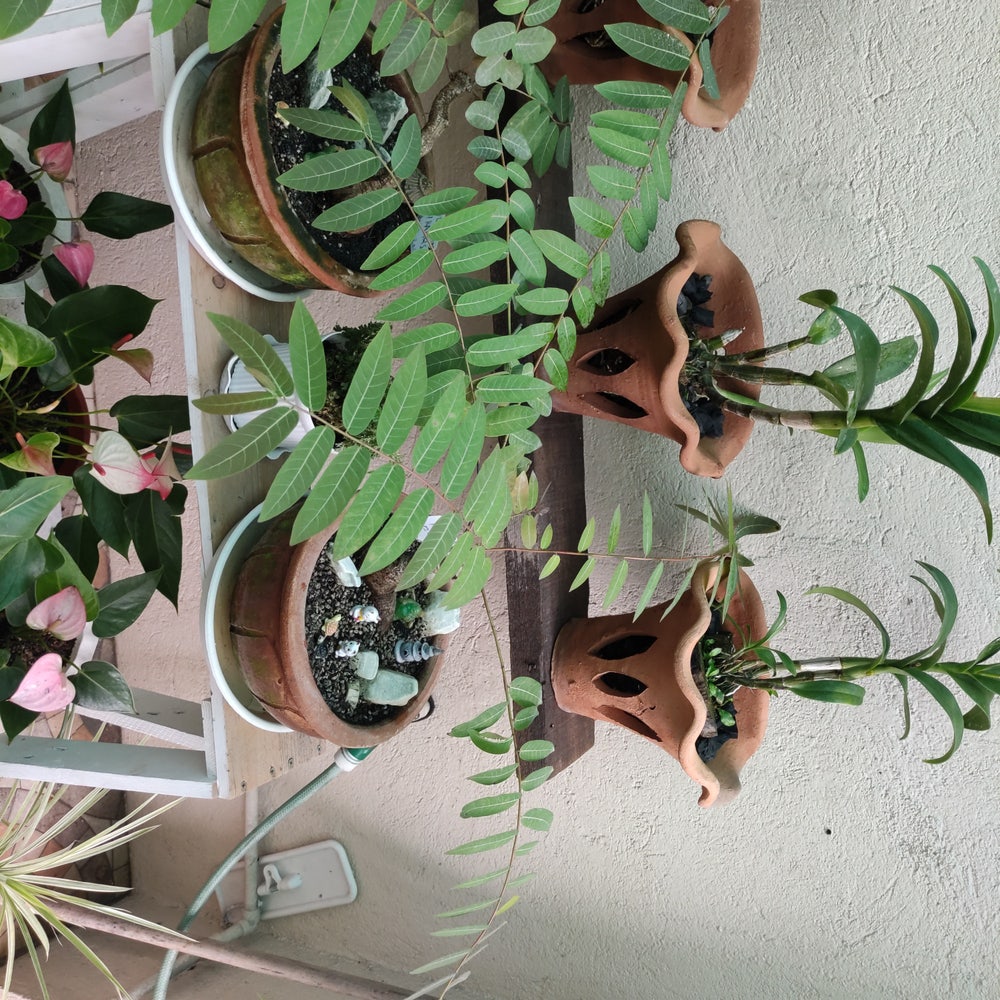
- 🏺 Clay pots enhance aeration and stability, ideal for red root floaters.
- 🚫 Proper drainage is crucial; avoid root rot by ensuring holes are clear.
Pot Sizes for Different Growth Stages
Recommended Sizes for Seedlings 🌱
When starting your red root floater, opt for small pots that are 4-6 inches in diameter. These compact containers make it easier to manage nutrient levels and water conditions, ensuring your seedlings thrive.
Smaller pots also allow for better control over the environment, which is crucial during the early growth stages. This focused approach helps prevent overwatering and nutrient imbalances that can hinder development.
Ideal Sizes for Mature Plants 🌳
As your red root floater matures, transition to larger pots, ideally between 10-12 inches in diameter. This size provides ample space for root expansion, which is essential for healthy growth.
A larger pot prevents overcrowding, allowing roots to spread out and access nutrients more effectively. This spacious environment supports robust plant health and vibrant growth, ensuring your aquatic garden flourishes.
With the right pot sizes for each growth stage, your red root floater will have the best chance to thrive. Next, let’s explore the materials that can enhance your potting experience.
Materials for Pots
🌱 Benefits of Clay Pots
Clay pots are a fantastic choice for your red root floater. Their natural breathability promotes better aeration for the roots, which is crucial for healthy growth.
Additionally, clay pots are heavier than plastic, providing stability in water. This weight helps prevent your plants from floating away, ensuring they stay anchored in their aquatic environment.
🪴 Advantages of Plastic Pots
On the other hand, plastic pots offer their own set of benefits. They are lightweight and easy to handle, making them ideal for frequent adjustments in your setup.
Cost-effectiveness is another significant advantage. Generally, plastic pots are less expensive than clay, allowing you to invest more in your plants rather than their containers.
⚖️ Comparison of Pot Materials
When choosing between clay and plastic, durability is a key factor. Clay pots can withstand aquatic environments well, but they may crack over time, while plastic pots are less prone to damage.
Water retention also varies between materials. Clay pots tend to absorb moisture, which can be beneficial, but it may lead to quicker drying out. In contrast, plastic pots retain water longer, which can be advantageous in maintaining consistent moisture levels.
Finally, consider the suitability of each material for floating plants. Clay pots provide stability, while plastic pots may require additional measures to prevent buoyancy issues. Understanding these differences will help you make an informed decision for your red root floater's needs.
With the right pot material selected, you're one step closer to creating the perfect environment for your aquatic plants. Next, let’s dive into drainage considerations to ensure your plants thrive!
Drainage Considerations
Importance of Drainage Holes 🌊
Drainage holes are crucial for preventing waterlogging, which can suffocate roots and lead to unhealthy plants. Ideally, you should have 1/4 inch holes spaced evenly around the base of your pot to ensure excess water can escape.
How Drainage Affects Root Health 🥴
Poor drainage can result in root rot and nutrient deficiencies, both of which can severely hinder your red root floater's growth. To maintain optimal drainage, consider using a well-draining substrate and regularly checking for any blockages in the holes.
Best Practices for Ensuring Optimal Drainage 🛠️
To ensure your aquatic plants thrive, follow these best practices:
- Choose the Right Substrate: Use a mix that promotes drainage, like a combination of gravel and soil.
- Regular Maintenance: Periodically clean the drainage holes to prevent buildup.
- Monitor Water Levels: Avoid overwatering; let the top layer of substrate dry out slightly between waterings.
By prioritizing proper drainage, you can create a healthy environment for your red root floater, allowing it to flourish.
Next, we’ll explore the signs that indicate it’s time to repot your plant for continued growth and vitality.
Repotting Red Root Floater
🕵️♂️ Signs That It's Time to Repot
Recognizing when your Red Root Floater needs repotting is crucial for its health. Look for signs like roots peeking through drainage holes or stunted growth, which indicate overcrowding.
Timing is also key. The best period to repot is during the growing season, as this minimizes stress on the plant and encourages a smoother transition.
🛠️ Step-by-Step Guide to Repotting
Repotting can seem daunting, but following these steps makes it manageable:
- Prepare new pot: Choose a pot that suits the plant's size and material needs.
- Remove plant carefully: Gently take the plant out to avoid disturbing the roots too much.
- Inspect roots: Check for any damaged or dead roots and trim them away.
- Place in new pot: Position the plant in the new pot and fill it with suitable substrate, ensuring all roots are covered.
- Water thoroughly: After potting, give it a good soak and let excess water drain out.
🪴 Choosing the Right Pot During Repotting
When selecting a pot for repotting, consider size, material, and drainage features. A well-chosen pot supports healthy growth and prevents future issues.
Maintaining optimal potting conditions is essential for your Red Root Floater's continued success. Choosing the right pot can make all the difference in its thriving journey.
With your plant repotted and settled, you’re well on your way to ensuring its vibrant growth. Next, let’s explore common mistakes in pot selection to avoid pitfalls in your gardening journey.
Common Mistakes in Pot Selection
🚰 Overlooking Drainage Needs
One of the biggest blunders in pot selection is neglecting drainage. Inadequate drainage can lead to root rot and poor nutrient absorption, which can quickly spell disaster for your red root floater.
To avoid this pitfall, always ensure your pots have sufficient drainage holes. Look for at least 1/4 inch holes spaced evenly around the base to promote healthy root systems.
📏 Choosing the Wrong Size Pot
Selecting the wrong pot size can significantly impact your plant's growth and health. A pot that's too small can restrict root development, while one that's too large may lead to overwatering and nutrient dilution.
To choose the right size, consider the growth stage of your plant. For seedlings, opt for smaller pots (4-6 inches), and for mature plants, larger pots (10-12 inches) are essential to allow for root expansion.
🪴 Ignoring Material Suitability
The material of your pot plays a crucial role in your plant's health. Not all materials withstand aquatic conditions equally, and choosing the wrong one can lead to problems down the line.
Common misconceptions suggest that all pots are created equal. In reality, materials like clay offer breathability, while plastic pots are lightweight and easy to handle. Understanding these differences can help you make informed choices that support your red root floater's growth.
By avoiding these common mistakes, you can create an optimal environment for your aquatic plants. Next, let’s dive into the essential drainage considerations that will further enhance their health and vitality.
⚠️ Safety First
This content is for general information and may contain errors, omissions, or outdated details. It is not medical, veterinary advice, or an endorsement of therapeutic claims.
Always consult a qualified healthcare professional before using any plant as food, medicine, or supplement.
Never eat any plant (or feed one to pets) without confirming its identity with at least two trusted sources.
If you suspect poisoning, call Poison Control (800) 222-1222, the Pet Poison Helpline (800) 213-6680, or your local emergency service immediately.
Spotted an error? Please report it here.
Get your red root floater thriving in the perfect pot 🌱 by using Greg's tailored reminders and expert tips to create an optimal environment for growth!