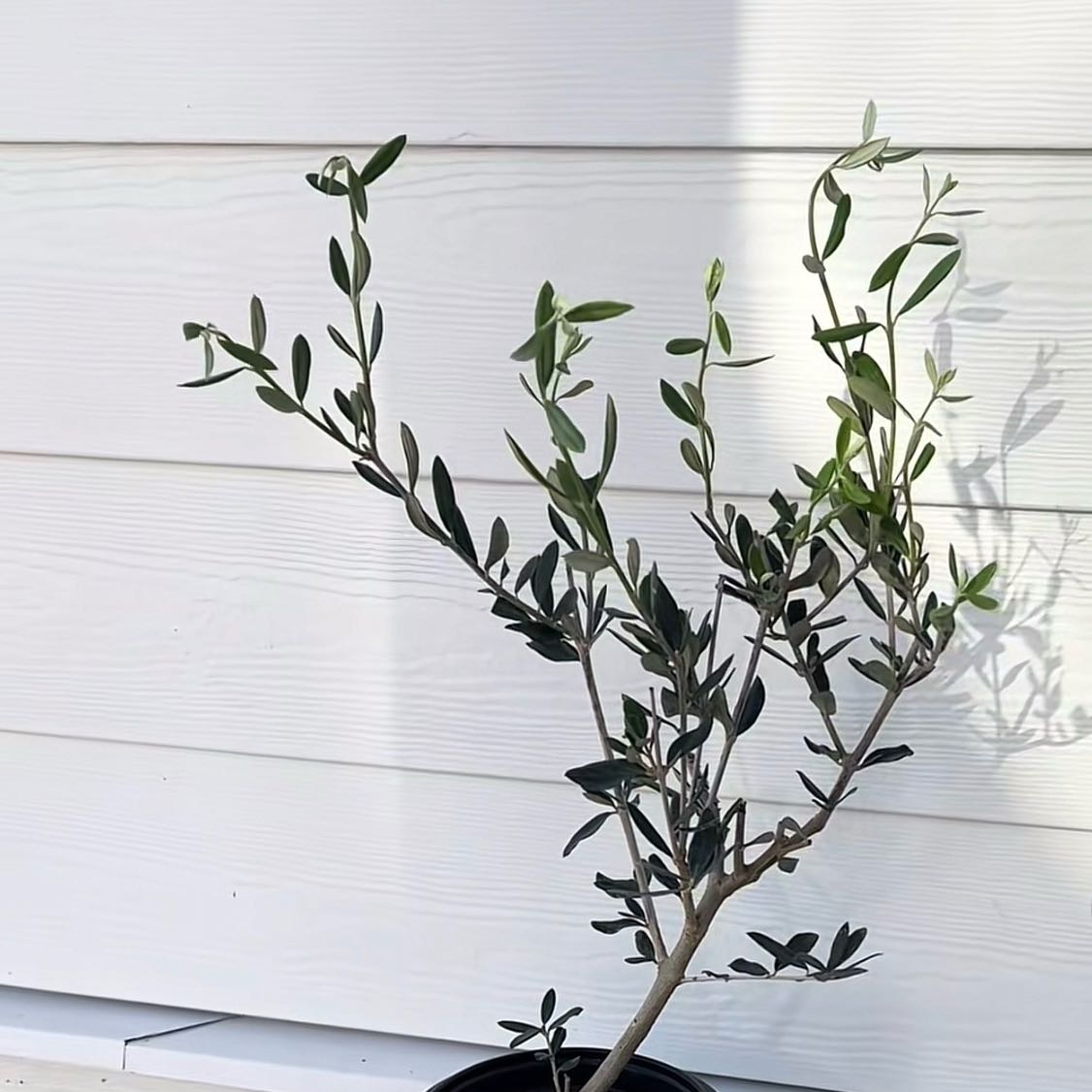
Best Pot for Olive Tree
What Size Pot Does an Olive Tree Need?
Olive Trees grow slowly and have relatively compact root systems for a tree their size, making them very well suited to container life. A pot just 2 inches wider than the current root ball is the right increment each time you repot.
Going too large is a significant risk with olive. Extra soil holds moisture far longer than an olive's roots can use, and wet soil is the enemy of this drought-adapted tree. A snug pot also encourages the plant to fruit more reliably, since container stress can promote flowering.
A 15–20 inch pot is typically where a mature patio olive tree settles for many years. At that size, you can manage it with annual top-dressing of fresh soil instead of full repotting.
What Material Pot Is Best for Olive Tree?
Olive trees come from the sun-baked Mediterranean, where deep tap roots learned to hunt for water far below dry, rocky soil. In a container the tap root adapts to the available space, but the roots still strongly prefer conditions that dry out between waterings and never stay wet.
A pot that drains rapidly and allows the soil to warm up in the sun mirrors the conditions this tree evolved in. Consistent moisture retention is the enemy here: the roots tolerate drought with ease but can struggle quickly if water lingers around them for too long.
Olive trees come from the dry, rocky hillsides of the Mediterranean, so they prefer soil that dries out between waterings. That means nearly every pot material works, from fast-draining fabric all the way to plastic.
Unglazed ceramic is a particularly nice match. The porous walls let moisture escape gradually, and the weight keeps a top-heavy olive from tipping in the wind. It also looks right at home on a sunny patio.
Skip metal pots if your tree sits in full sun. Metal conducts heat quickly and can cook roots on a hot summer day.

Does My Olive Tree Need Drainage Holes?
Yes, completely non-negotiable for olive. This tree has almost zero tolerance for waterlogged roots and will develop root rot very quickly if water can't drain freely. Without a drainage hole, a single generous watering can leave the roots sitting in water for days.
Use a pot with a large drainage hole or multiple holes. If you use a saucer, empty it within 30 minutes of watering. Never let an olive tree sit in standing water even briefly.
When Should I Repot My Olive Tree?
Olive Trees are slow growers that don't need frequent repotting. Most container olives are comfortable in the same pot for 3–5 years before they need more space. Spring is the best time to repot, just as the tree is coming out of its winter rest and before new growth begins in earnest.
Use a very fast-draining potting mix when repotting. A standard cactus or Mediterranean blend with extra grit or perlite is ideal. Never use a moisture-retaining mix or one with large amounts of peat.
For large, established trees in their final container, annual top-dressing with fresh gritty compost and a slow-release fertilizer can substitute for full repotting for several years.
When Can I Plant My Olive Tree in the Ground?
Olive Tree grows in the ground in USDA zones 8a through 11b, where it handles both the summer heat and the mild winters it prefers. It's well-suited to hot, dry climates with good drainage and poor soil. In zones 8a and 8b it can survive but may be damaged in harsh winters.
Outside those zones, keep your olive in a container. It can spend summers outdoors in full sun, which is actually beneficial for fruiting. Bring it back indoors before temperatures drop consistently below 20°F, ideally into a cool but bright space for winter.
Got More Questions?
About This Article
