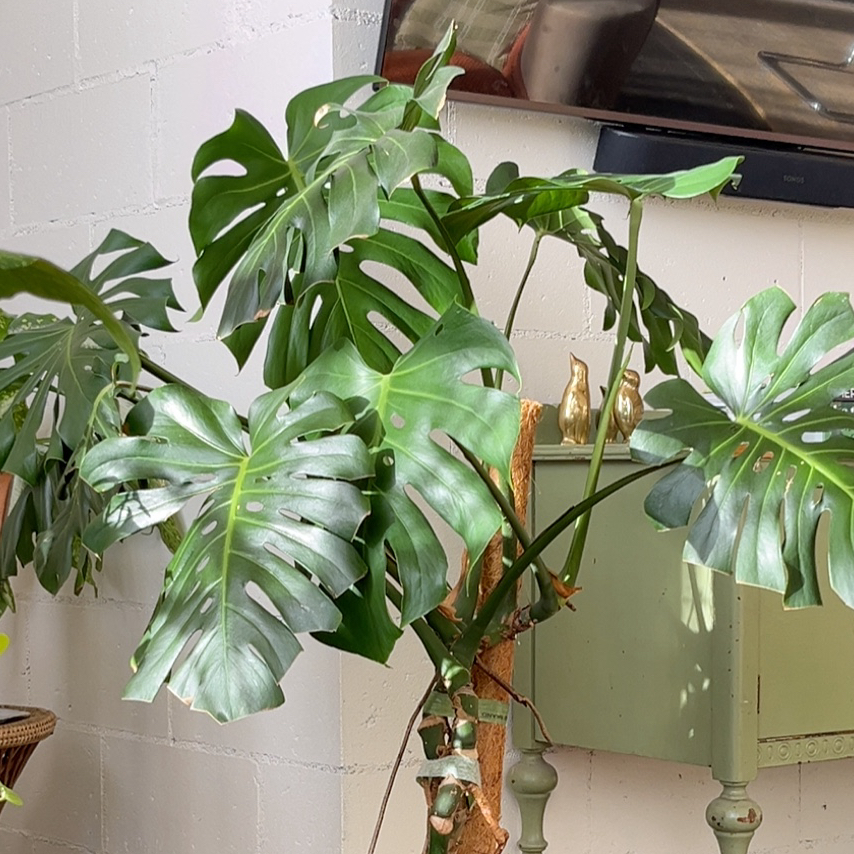
10 Tips for Selecting the Best Pot for Monstera deliciosa πŸͺ΄

Monstera deliciosa

By the Greg Editorial Team

Jan 07, 20256 min read

This article was created with the help of AI so we can cover more plants for you. May contain errors. See one? Report it here.

Transform your Monstera's growth 🌱 by mastering the perfect pot size and material for every stage of life!

  1. 🌱 Choose pot sizes: 4-6 inches for seedlings, 10-14 inches for mature Monstera.
  2. πŸ•³οΈ Ensure proper drainage with 2-4 holes to prevent root rot and yellowing leaves.
  3. 🏺 Select materials wisely: clay for breathability, plastic for lightweight, ceramic for aesthetics.

Pot Sizes for Different Growth Stages

Recommended Sizes for Seedlings 🌱

When starting your Monstera deliciosa from seed, choose a pot that is 4-6 inches in diameter. Smaller pots help retain moisture and provide stability, which is crucial for young plants as they establish their roots.

Ideal Sizes for Juvenile Monstera 🌿

As your Monstera grows into its juvenile stage, it's time to upgrade to a container that measures 6-10 inches in diameter. This size accommodates the plant's increasing growth rate and allows for adequate root expansion.

Best Sizes for Mature Monstera 🌳

For mature Monstera plants, opt for pots that are 10-14 inches in diameter or even larger. Factors like the plant's overall size, growth habits, and environmental conditions will influence your pot size choice.

Keep an eye out for signs that indicate your plant needs a larger pot, such as roots growing out of the drainage holes or stunted growth. Recognizing these signs early can help ensure your Monstera continues to thrive.

With the right pot size at each growth stage, your Monstera will flourish and bring vibrant life to your space. Next, let’s explore the various pot materials that can enhance your plant's growth.

Pot Materials

Choosing the right pot material for your Monstera deliciosa can significantly impact its growth and health. Let's explore the benefits and drawbacks of various pot materials to help you make an informed decision.

🌱 Benefits of Clay Pots

Clay pots are a popular choice for many plant enthusiasts. Their breathability allows for better air circulation around the roots, which helps prevent root rot.

Additionally, clay pots regulate moisture effectively, making it easier to maintain the right level of humidity for your Monstera. Their aesthetic appeal adds a natural touch to your plant display, while their weight provides stability, reducing the risk of tipping.

πŸͺ΄ Advantages of Plastic Pots

Plastic pots are lightweight and easy to handle, making them a practical option for those who frequently rearrange their plants. They come in various sizes and shapes, allowing for flexibility in your pot selection.

Moreover, plastic pots are cost-effective, making them accessible for plant lovers on a budget. Their durability means they can withstand outdoor conditions without deteriorating quickly.

βš–οΈ Comparison of Other Materials

Ceramic Pots

Ceramic pots offer a decorative flair that can enhance your indoor decor. They provide good insulation, helping to maintain a stable temperature for your plant.

However, they tend to be heavier, which can make moving them around a bit cumbersome. Additionally, ceramic pots may retain moisture longer than other materials, which could lead to overwatering if not monitored closely.

Metal Pots

Metal pots bring a modern aesthetic to your plant collection, appealing to those who prefer a sleek look. They are durable and can withstand various weather conditions, making them suitable for outdoor use.

On the downside, metal pots can retain heat, potentially overheating the roots during hot weather. They may also be prone to rusting, especially if exposed to moisture over time.

πŸ† Conclusion

Selecting the right pot material is crucial for the health of your Monstera. Consider factors like weight, moisture retention, and aesthetics to find the perfect fit for your plant's needs.

Next, we'll dive into the importance of drainage considerations to ensure your Monstera thrives in its new home.

Drainage Considerations

🌧️ Importance of Drainage Holes

Drainage holes are crucial for preventing root rot in your Monstera. They allow excess water to escape, ensuring that the roots don’t sit in soggy soil.

For optimal health, aim for pots with at least 2-4 drainage holes. The size of these holes should be around 1/2 inch in diameter to effectively manage water flow.

🚰 How to Ensure Proper Drainage in Pots

Choosing the right potting soil is essential for good drainage. Look for mixes specifically designed for aroids or those that contain components like peat and bark.

Enhance drainage further by adding materials like perlite or gravel. These additions create air pockets, allowing water to flow freely and preventing compaction.

⚠️ Signs of Poor Drainage and Its Effects

Watch for symptoms of overwatering, such as yellowing leaves or mushy roots. These are clear indicators that your Monstera is struggling due to poor drainage.

If you notice these signs, act quickly. Repot your plant into a container with better drainage and refresh the soil to restore its health.

With proper drainage, your Monstera will thrive, setting the stage for vibrant growth and lush foliage. Now, let’s explore the importance of repotting your Monstera to keep it flourishing.

Repotting Monstera

When to Repot 🌱

Repotting your Monstera is essential when you notice signs of being root-bound or if growth has stalled. Typically, you should consider repotting every 1-2 years, depending on the growth stage of your plant.

How to Choose the Right Pot When Repotting πŸͺ΄

Start by assessing the current pot size and the health of the roots. Choose a new pot that allows for future growth, ensuring it’s slightly larger than the current one.

Step-by-Step Guide to Repotting πŸ› οΈ

  1. Gather necessary materials: You'll need a new pot, fresh potting soil, and some basic tools.
  2. Remove Monstera from the current pot carefully: Gently loosen the soil around the edges to avoid damaging the roots.
  3. Inspect roots for health and trim if necessary: Look for any signs of rot or damage and trim unhealthy roots.
  4. Place Monstera in the new pot and fill with potting soil: Ensure the plant is centered and the soil is packed lightly around it.
  5. Water thoroughly and place in appropriate light conditions: This helps settle the soil and provides hydration after the move.

Repotting can be a rewarding experience, giving your Monstera the space it needs to thrive. With the right pot and care, your plant will flourish in its new home.

Common Mistakes in Pot Selection

πŸ₯΄ Overpotting vs. Underpotting

Choosing the right pot size for your Monstera is crucial. Overpotting can lead to excess soil that retains too much moisture, risking root rot, while underpotting restricts root growth and can stunt your plant.

Finding the right balance is key. Aim for a pot that allows for some growth without overwhelming the roots with unnecessary space.

🚰 Ignoring Drainage Needs

Drainage is a non-negotiable aspect of pot selection. Pots without adequate drainage holes can trap water, leading to root rot and other issues that can devastate your Monstera.

Always check for drainage before making a purchase. A good rule of thumb is to ensure your pot has at least one drainage hole for every 6 inches of pot diameter.

πŸͺ΄ Choosing the Wrong Material for the Environment

The material of your pot can significantly impact your plant's health. Environmental factors, such as humidity and temperature, should guide your choice of pot material.

For indoor settings, lightweight plastic or ceramic pots work well, while outdoor environments may benefit from sturdier materials like clay or metal. Always consider the specific needs of your Monstera when selecting a pot to ensure it thrives in its environment.

With these common mistakes in mind, you can make informed decisions that promote healthy growth for your Monstera. Next, let’s explore the importance of drainage considerations in pot selection.

⚠️ Safety First

This content is for general information and may contain errors, omissions, or outdated details. It is not medical, veterinary advice, or an endorsement of therapeutic claims.

Always consult a qualified healthcare professional before using any plant as food, medicine, or supplement.

Never eat any plant (or feed one to pets) without confirming its identity with at least two trusted sources.

If you suspect poisoning, call Poison Control (800) 222-1222, the Pet Poison Helpline (800) 213-6680, or your local emergency service immediately.

Spotted an error? Please report it here.

Choose the ideal pot πŸͺ΄ for your Monstera deliciosa with Greg's tailored reminders and expert tips, ensuring your plant flourishes in its perfect home!