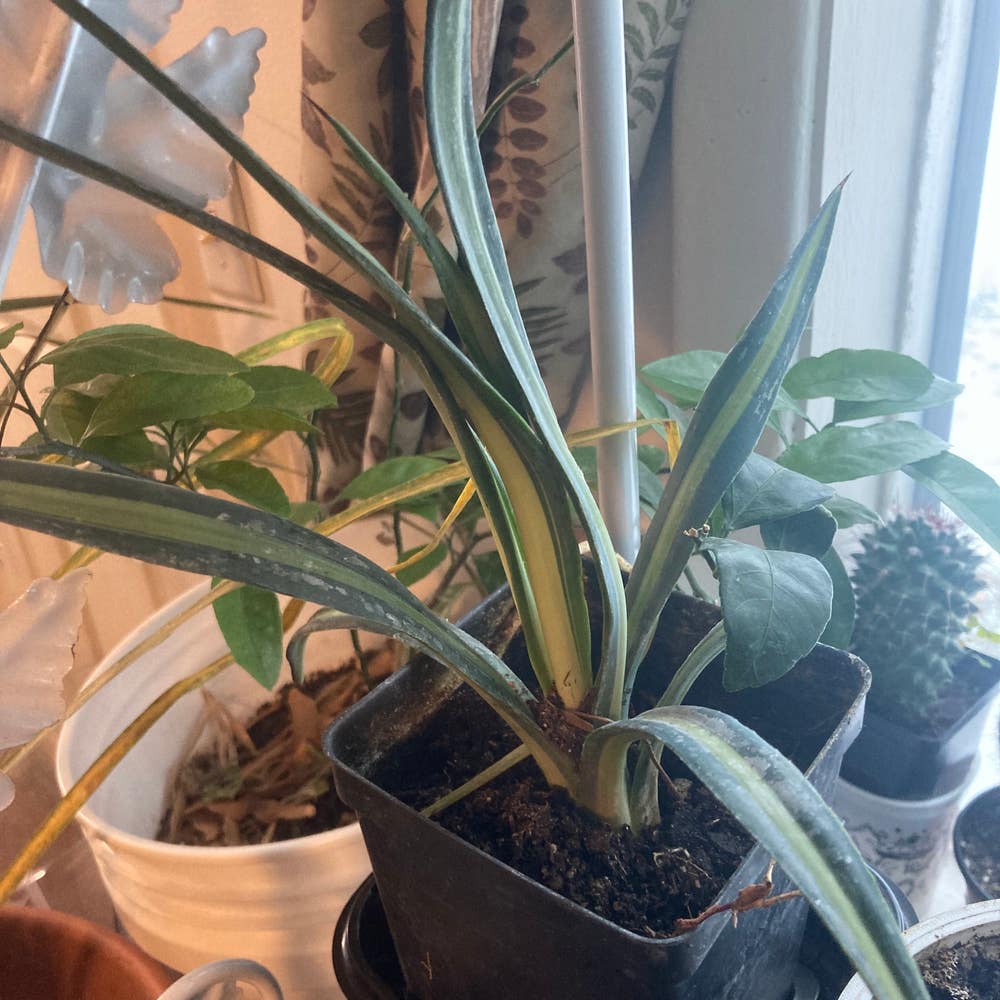
⚾ Why Does My Baseball Cactus Have Yellow Leaves?
Neoraimondia herzogiana
By the Greg Editorial Team
Feb 11, 2024•7 min read
This article was created with the help of AI so we can cover more plants for you. May contain errors. See one? Report it here.
Uncover the secrets to reviving your Baseball Cactus 🌵 from distressing yellow leaves to vibrant health!
- 🌵 Yellow leaves signal distress in Baseball Cacti, often due to watering or light issues.
- Sunlight and nutrients matter: Adjust light exposure and use cactus-specific fertilizers.
- Check roots and drainage to prevent overwatering and root rot.
Spotting Trouble: When Yellow Leaves Signal a Problem
Yellow leaves on your Baseball Cactus aren't just a quirky color change; they're a distress signal. It's crucial to decode what these hues are hinting at.
🍋 Visual Guide to Yellow Leaf Patterns
Uniform Yellowing: This could point to a systemic issue like nutrient deficiency or improper watering. If the yellowing is even across the plant, think big picture and reassess your care routine.
Spotty Yellowing: If your cactus is sporting yellow with spots, it's time to investigate for pests or diseases. These little blemishes are like red flags, urging you to take a closer look.
Yellow with Brown Spots: This combo is often a sign of a calcium deficiency. Don't overlook these marks; they're a cry for help from your cactus.
Yellowing of New Growth: When fresh spikes start to turn yellow, it's a red flag. New growth should be vibrant and green, not pale and sickly.
Lower Leaf Yellowing: If it's just the old, lower leaves that are yellowing, they might be taking a bow and exiting stage left. It's the natural aging process.
Rapid Yellowing: When leaves turn yellow quicker than a banana left in the sun, it's a sign that something's off. This is when you need to act fast to prevent further damage.
Remember, spotting these patterns early can make a huge difference. It's like catching a cold before it turns into pneumonia. Keep a vigilant eye on your cactus, and it will thank you with vibrant health.
Water Woes: Finding the Sweet Spot for Hydration
💧 Too Much of a Good Thing: Overwatering Hazards
Overwatered cacti are like plants taking an endless bath. Yellow leaves and a heavy, wet pot are your clues to cut back. To adjust, let the soil dry before diving in with the watering can again.
Proper drainage is your best defense against a swampy situation. Make sure your pot's holes aren't playing hide and seek; they should be clear and ready to let excess water escape.
🏜️ Parched Plants: The Impact of Underwatering
Underwatering turns your cactus into a sad, thirsty hermit. Look for droopy leaves and soil drier than a comedian's punchline to know it's time for a drink.
When rehydrating, think of it as a plant spa day—water deeply, but don't drown the guest. Let the water flow through, then give it a break. Your cactus will thank you with perky leaves and a vibrant green hue.
Let There Be Light: Ensuring Optimal Sunlight
🌞 The Impact of Light on Leaf Color and Health
Sunlight is the lifeblood of your Baseball Cactus, but too much can bleach the leaves faster than a bottle of peroxide on dark hair. Think of bright, indirect light as the cactus's comfort zone, where it can photosynthesize happily without the risk of a sunburn.
🌅 Adjusting Your Cactus's Sun Exposure
If your cactus's leaves are screaming yellow, it's time to reassess its tanning habits. Direct sunlight can be harsh, like a spotlight on stage, overwhelming and damaging. To prevent the yellowing of leaves, consider filtering the light or moving your cactus to a spot with dappled shade.
📏 Monitoring Sunlight Intensity
A light meter isn't just a gadget for photographers; it's a handy tool for cactus caregivers too. It helps you measure the intensity of sunlight bathing your plant, ensuring it's just right—not too scorching, not too dim.
🌄 Acclimating to New Light Conditions
When shifting your cactus to a new spot, go slow. Sudden changes can send your plant into shock, like jumping into a cold pool on a hot day. Gradually introduce it to new light conditions to avoid a leafy meltdown.
🌦 Seasonal Adjustments
As the seasons change, so does the angle and intensity of sunlight. Keep an eye on your cactus and rotate it occasionally to ensure all sides receive equal love from the sun. This helps prevent one side from getting too toasty.
🏖 Using Shade Cloth
During peak sun hours, a shade cloth can be your cactus's best friend, acting as a beach umbrella to protect it from harsh rays. If your cactus is potted, moving it to a less intense spot can be as simple as shifting a chair.
💡 Grow Lights in Darker Months
In the darker months, grow lights can be a savior for your cactus, providing the light it craves. Use them wisely to simulate the natural light cycles, keeping your cactus's growth on track without overdoing it.
Remember, your Baseball Cactus isn't a sun worshipper by nature. It prefers the bright but indirect light, much like the dappled sunlight it would receive in its natural habitat. Keep the light consistent, and your cactus will thank you with vibrant green leaves, free of yellow distress signals.
Feeding Your Cactus: Nutrient Needs and Deficiencies
🌱 The Usual Suspects: Key Nutrients to Watch
Yellowing leaves on your Baseball Cactus might be screaming for nutrients. Iron is crucial; without it, new growth turns as pale as a ghost. Magnesium shortage? Expect yellow patches gatecrashing between leaf veins. When old leaves are yellowing but new ones are green, your cactus is likely throwing a sulfur shortage tantrum. And nitrogen – it's the life of the party for green color, without it, your cactus's vibrancy fades into oblivion.
To combat these deficiencies, you'll want to play matchmaker with a balanced, cactus-specific fertilizer. But remember, it's not a buffet. Over-fertilizing is the equivalent of a nutrient overdose, causing more harm than good. Stick to the recommended dosage, and consider a soil test to really tailor your approach. If you're using tap water, switch to filtered or rainwater to dodge salt buildup, which just throws fuel on the fire of nutrient issues.
🌿 How to Choose and Apply Fertilizers
Choosing the right fertilizer is like picking a suit – it needs to fit just right. Go for a balanced, water-soluble fertilizer with an even NPK ratio, crafted for cacti. It's a precision tool, not a sledgehammer. Apply it with a light hand; over-fertilization is like giving your cactus a nutrient hangover.
Remember, consistency is key. Set a schedule that mimics your cactus's growth cycle, typically a light feeding during the growing season. If you've been heavy-handed in the past, flush the soil with water to help your cactus detox from those excess nutrients. Keep an eye on the soil pH too; it's the bouncer that decides which nutrients make it to the roots. Aim for a slightly acidic to neutral pH to keep things in balance.
And if all else fails, repotting with fresh soil can be the equivalent of a spa day for your cactus, replenishing those essential nutrients and giving it a new lease on life.
Root of the Issue: Checking Below the Soil
🕵️ Spotting Root Problems
Yellow leaves can be the silent scream of a Baseball Cactus in distress. To get to the root of the issue, you'll need to play detective. Start by gently removing your cactus from its pot. Healthy roots should be firm and white, while rotten roots will appear soft and discolored. A bad smell is another dead giveaway—root rot reeks like last week's forgotten leftovers.
🚑 Steps to Take for Root Rot
If you've unearthed a horror show of mushy, brown roots, it's time for some triage. Snip off the damaged parts with sterilized scissors. Be ruthless; this is no time for sentimentality. Once you've removed the rot, replant your cactus in fresh, well-draining soil. Think of it as moving your plant to a penthouse with better airflow.
🕳️ Drainage Drama
Ensure your pot has more holes than a conspiracy theory. Good drainage is non-negotiable. If your cactus's current home is more of a swamp than a desert, consider a pot upgrade. Remember, cacti roots hate waterlogged conditions more than cats hate water.
🏞️ Soil SOS
Sometimes, the soil itself is the culprit. If it's as compacted as a rush-hour subway car, it's time for a soil refresh. Loosen things up with a mix that's more aerated than a wine connoisseur's best bottle. Your cactus's roots need room to breathe, not a chokehold.
🩺 Regular Check-Ups
Make it a habit to check the soil moisture with the fingertip test. If it feels more like a damp sponge than dry desert sand, hold off on watering. Consistency is key—water when the topsoil feels dry, but don't wait for your cactus to start looking like it's been through a drought.
⚠️ Safety First
This content is for general information and may contain errors, omissions, or outdated details. It is not medical, veterinary advice, or an endorsement of therapeutic claims.
Always consult a qualified healthcare professional before using any plant as food, medicine, or supplement.
Never eat any plant (or feed one to pets) without confirming its identity with at least two trusted sources.
If you suspect poisoning, call Poison Control (800) 222-1222, the Pet Poison Helpline (800) 213-6680, or your local emergency service immediately.
Spotted an error? Please report it here.
Turn your Baseball Cactus's yellow leaves back to healthy green 🌵 with Greg's custom watering schedules and sunlight reminders, ensuring your spiky friend thrives.