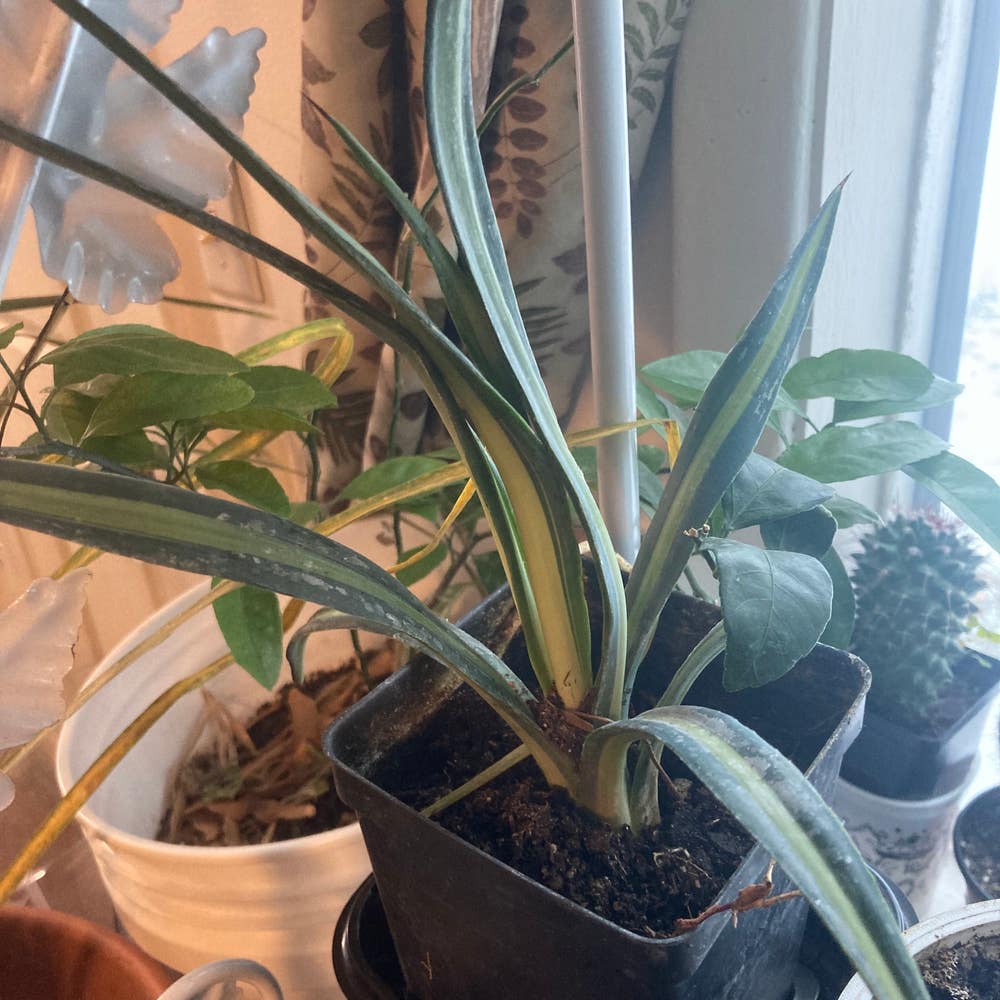
🏐 Why Are My Baseball Cactus Leaves Curling?
Neoraimondia herzogiana
By the Greg Editorial Team
Feb 11, 2024•6 min read
This article was created with the help of AI so we can cover more plants for you. May contain errors. See one? Report it here.
Solve the mystery of curling Baseball Cactus leaves for a lush, thriving plant! 🌵🔍
- Environmental stress like sunburn or low humidity can cause leaf curling.
- Watering routine is key: avoid over/underwatering for cactus health.
- Prevent pests and diseases with natural remedies and regular inspections.
Spotting the Culprits Behind Leaf Curling
💡 Signs of Environmental Stress
Baseball Cactus leaves curling? Sunburn or chill could be the villains. Too much light, and your cactus tries to shield itself, curling up like a hedgehog. Not enough, and it reaches out, desperate for rays. Temperature swings are like mood swings—they stress your plant out, causing those leaves to contort. Low humidity is another sneak attack, leaving leaves dry and curled like old parchment.
🚰 Water Woes
Overwatering turns your cactus's home into a swamp, and nobody likes soggy feet. Leaves curl down as if to escape the deluge. Underwatering, on the other hand, leaves your cactus gasping for a drink, leaves curling up in a silent plea for hydration. Poor drainage? It's like standing in a puddle with no boots—unpleasant and unhealthy for the roots.
🐜 Unwanted Guests
Pests are the party crashers nobody invited. Aphids and spider mites suck the life out of your cactus, leaving leaves curled and deformed. Diseases sneak in like thieves in the night, causing curling, discoloration, and blight. Stay vigilant—regular inspections can catch these culprits before they do too much damage.
Turning the Game Around: Fixing Leaf Curling
💡 Fine-Tuning the Environment
Adjusting your Baseball Cactus's sun hat and thermostat can work wonders. Too much sun acts like a bad tan, causing leaves to curl up in defense. Find that sweet spot where the light is bright but indirect, like the perfect shade on a sunny day. Temperature-wise, keep it Goldilocks—not too hot, not too cold. Shield your cactus from drafts and the harsh breath of heating or cooling appliances. And don't forget airflow; it's the silent guardian against pests and diseases.
🌡 Balancing Humidity
Humidity can be a fickle friend. Your cactus doesn't want to swim, nor does it wish to parch. Aim for that comfortable middle ground, around 50-60% humidity. If your indoor air mimics the Sahara, consider a humidifier, but don't turn your living room into a tropical greenhouse.
🚰 Getting Watering Right
Watering your Baseball Cactus shouldn't be a shot in the dark. Establish a routine that lets the soil dry out a bit between waterings—think of it as the plant's breathing room. When the top inch of soil feels like a dry joke, it's time to water. But go easy; overwatering is like keeping your cactus in wet socks—unpleasant and unhealthy.
🍽️ Improving Soil Drainage
Soil should be your cactus's best friend, not a clingy nightmare. If it's holding water like a sponge, it's time for an intervention. Mix in some perlite or pumice to make the soil loose and well-aerated, ensuring it drains quicker than a spy's escape route. And always, always make sure the pot has drainage holes. No one likes a soggy bottom.
Keeping Pests and Diseases at Bay
🛡️ Defensive Strategies
Pests can be a real pain in the cactus, but don't fret. Natural remedies are your best friend here. Neem oil? It's like a superhero cape for your Baseball Cactus, warding off villainous bugs without the toxic aftermath. Encourage beneficial insects to take up residence; they're like the neighborhood watch for your plant. And if you're not into the whole bug-on-bug warfare, try creating physical barriers. It's simple: pests can't harm what they can't reach.
🕵️ Routine Checks
Consistency is key. Make regular inspections of your Baseball Cactus a part of your routine, like brushing your teeth or checking your phone first thing in the morning. Catching pests or funky-looking leaves early can save your green buddy from a world of hurt. And remember, cleanliness isn't just for show; it's a pest deterrent. Keep the area around your plant as tidy as a pin, and you'll be less likely to host an insect rave.
Remember, Integrated Pest Management (IPM) isn't just a fancy term; it's a way of life for the proactive plant parent. Mix and match strategies like crop rotation (or pot rotation, in this case) and proper fertilization to keep your cactus as tough as nails. And if you do spot trouble, don't hesitate to act. Sometimes, you've got to be ruthless for the greater good—infected plants need to go before they turn your plant corner into a horror show.
Pro Tips for a Thriving Baseball Cactus
In the quest for a leaf-curl-free Baseball Cactus, routine is king. Here's the lowdown on keeping your cactus on the straight and narrow.
👀 Regular Monitoring: The Cactus Whisperer's Routine
- Check the soil before watering—think of it as the cactus's mood ring.
- Brown spots or discoloration? Could be sunburn or pests gatecrashing the party.
- Soft spots often scream overwatering or disease—don't ignore these silent pleas for help.
💧 Watering Wisdom: Less is More
- Water only when the soil is bone-dry; your cactus isn't a fan of soggy feet.
- Adjust watering with the seasons—less in winter, a bit more in summer.
🌞 Sunlight and Temperature: The Comfort Zone
- Bright, indirect sunlight is the sweet spot; direct rays are a no-go.
- Keep the temperature steady—your cactus despises drama.
🌱 Fertilizing: The Occasional Treat
- A springtime snack of cactus fertilizer will do; it's like a rare dessert, not an everyday meal.
- Overfeeding is a no-no—flush out excess with water if you've been overzealous.
🐜 Pest Patrol: Keep Those Eyes Peeled
- Insecticidal soap or neem oil will show pests the door.
- Regular inspections are your best defense; catch those critters before they settle in.
🛠 Aftercare: The Cactus Cool Down
- Post-repotting, monitor like it's your favorite reality show.
- New growth is a high-five, but wilting or discoloration means it's time to reassess your game plan.
🌱 Soil and Drainage: The Foundation of Success
- Well-drained, gritty soil is your cactus's best friend.
- Ensure pots have drainage holes to avoid unwanted swimming pools.
✂️ Pruning and Rotation: The Finishing Touches
- Prune sparingly; it's about maintenance, not a makeover.
- Rotate the pot occasionally for even growth; nobody likes a lopsided cactus.
By sticking to these guidelines, your Baseball Cactus will be less likely to throw you a curveball with leaf curling. Keep it simple, stay observant, and your spiky companion will thrive.
⚠️ Safety First
This content is for general information and may contain errors, omissions, or outdated details. It is not medical, veterinary advice, or an endorsement of therapeutic claims.
Always consult a qualified healthcare professional before using any plant as food, medicine, or supplement.
Never eat any plant (or feed one to pets) without confirming its identity with at least two trusted sources.
If you suspect poisoning, call Poison Control (800) 222-1222, the Pet Poison Helpline (800) 213-6680, or your local emergency service immediately.
Spotted an error? Please report it here.
Prevent your baseball cactus leaves from curling by using Greg for custom care reminders 🌵 and expert community tips to ensure the perfect environment!