How Much Humidity Does My Bacopa Need?
Chaenostoma cordatum
By the Greg Editorial Team
Jun 18, 2024•3 min read
This article was created with the help of AI so we can cover more plants for you. May contain errors. See one? Report it here.
Discover the secret to lush Bacopa blooms by nailing the ideal humidity range. 🌼🌡️
- 40%-70% humidity ideal for Bacopa's health and blooming.
- Monitor with hygrometers, group plants, or use mist for optimal humidity.
- Ventilate or dehumidify to prevent excessive moisture and plant diseases.
Decoding Humidity for Your Bacopa
🌿 What Bacopa Wants: The Ideal Humidity Range
Bacopa's comfort zone is a relative humidity (RH) of 40% to 70%. It's the Goldilocks range—not too dry, not too damp. Signs of a happy Bacopa include lush growth and vibrant blooms. If your Bacopa could smile, it would do so in this humidity sweet spot.
🌵 When Humidity Goes South: Recognizing the Signs
Low humidity symptoms are hard to miss—think wilted leaves and a general look of despair. Your Bacopa is silently screaming for moisture. On the flip side, too much humidity can trigger a powdery mildew party on the leaves, and root rot becomes a real risk. Keep an eye out for these unwanted guests.

Measuring Up: Keeping Tabs on Humidity Levels
🌡️ Tools of the Trade: Hygrometers and Beyond
Hygrometers are the MVPs when it comes to monitoring your Bacopa's humidity levels. These nifty gadgets give you a digital readout that's as straightforward as a bathroom scale—no fluff, just facts.
- Place the hygrometer near your Bacopa, but dodge those sneaky drafts and deceptive sunbeams.
- Check the readings throughout the day to catch any humidity curveballs.
- Compare different rooms if your Bacopa is a bit of a nomad, finding its happy place.
But hey, not everyone has a hygrometer lying around. For the DIY crowd, try the ice cube trick—place a few on a tray and watch the condensation party. It's not rocket science, but it gives you a clue.
🌍 Local Humidity and Your Bacopa
Your local humidity is like a mood ring for your Bacopa—it changes colors with the seasons. Understanding your area's humidity trends is like reading a local's guidebook before a trip.
- Seasonal shifts can turn your home from a desert to a rainforest. Keep an eye out for these sneaky changes.
- Indoor humidity can be a wild card, thanks to your heating or cooling systems playing god with the air.
Remember, your Bacopa's not just living in your home—it's living in your climate. So, get to know your regional humidity like a new neighbor, and you'll be on your way to a thriving green friendship.

Balancing Act: Adjusting Humidity for Bacopa Bliss
💦 Boosting Humidity: Tips and Tricks
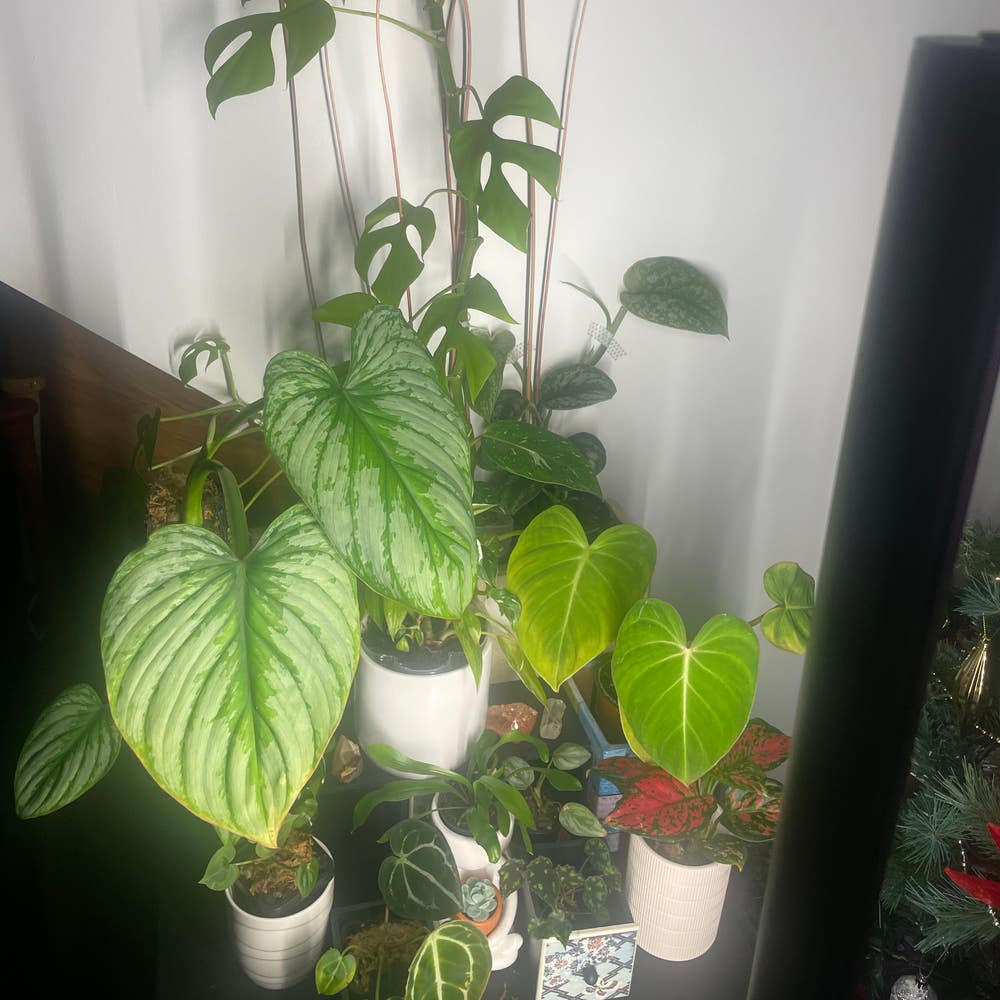
Group therapy: It's not just for humans. Placing your Bacopa with other plants can create a microclimate that naturally boosts humidity. Think of it as a communal moisture hub.
Mist and pebbles: A quick spritz from a spray bottle can give your Bacopa a humidity hit, but it's a fleeting fix. For a more stable solution, set your pot atop a pebble tray filled with water. The evaporation game is strong with this one, providing a steady stream of ambient moisture.
🌬 Bringing Humidity Down a Notch
Airflow and space: If your Bacopa's leaves are starting to feel like they're in a steam room, it's time to introduce some air circulation. A fan or an open window can work wonders in cutting through the mugginess.
The dehumifier option: Sometimes, you need to bring out the big guns. A dehumidifier can suck the excess moisture out of the air like a straw in a smoothie. Use it when the air feels more like a swamp than a sanctuary for your Bacopa.

⚠️ Safety First
This content is for general information and may contain errors, omissions, or outdated details. It is not medical, veterinary advice, or an endorsement of therapeutic claims.
Always consult a qualified healthcare professional before using any plant as food, medicine, or supplement.
Never eat any plant (or feed one to pets) without confirming its identity with at least two trusted sources.
If you suspect poisoning, call Poison Control (800) 222-1222, the Pet Poison Helpline (800) 213-6680, or your local emergency service immediately.
Spotted an error? Please report it here.
Keep your Bacopa flourishing 🌿 with Greg's personalized humidity tracking, ensuring your green friend never suffers from wilt or mildew.