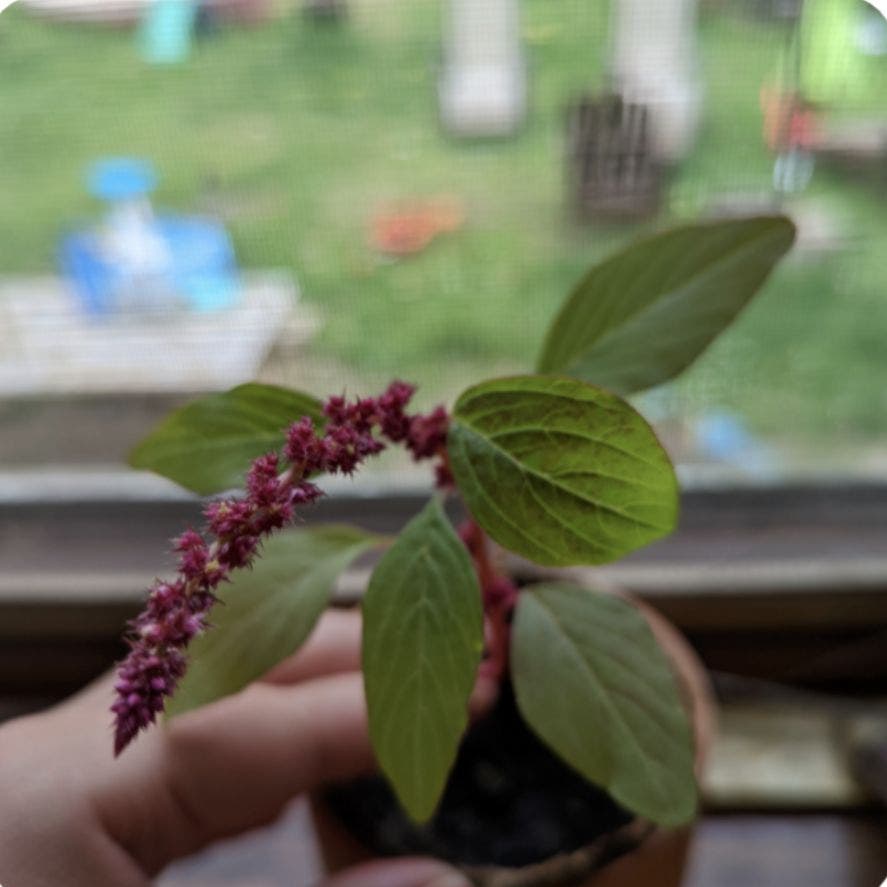
Amaranthus 'Elephant Head' Explained: Key Information 🐘
Amaranthus gangeticus 'Elephant Head'
By the Greg Editorial Team
Jan 24, 2025•11 min read
This article was created with the help of AI so we can cover more plants for you. May contain errors. See one? Report it here.
- 🌞 Amaranthus 'Elephant Head' needs 6-8 hours of sunlight for optimal growth.
- 🌱 Space plants 12-18 inches apart to enhance airflow and reduce disease risk.
- 💧 Water consistently, allowing soil to dry between waterings for healthy plants.
How to Grow Amaranthus 'Elephant Head'
Choosing a Location 🌞
To thrive, Amaranthus 'Elephant Head' needs full sun, requiring 6-8 hours of sunlight daily. Ensure you space plants 12-18 inches apart to promote airflow and reduce disease risk.
Soil Preparation 🌱
The ideal soil for this vibrant plant is well-draining, fertile loam. Aim for a soil pH between 6.0 to 7.5 to optimize nutrient uptake, and enrich the soil with organic matter like compost to boost fertility.
Planting Techniques 🌼
When planting seeds, bury them at a depth of 1/4 inch. Maintain the recommended spacing of 12-18 inches between plants and time your planting for after the last frost date in spring for the best results.
Watering Guidelines 💧
Water your Amaranthus consistently, allowing the top inch of soil to dry out between waterings. Aim for about 1 inch of water per week to encourage deep root growth.
Fertilizing Recommendations 🌿
Use a balanced NPK fertilizer (10-10-10) to nourish your plants. Fertilize monthly during the growing season to keep them healthy and vibrant.
Pruning and Ongoing Care ✂️
Regularly deadhead spent flowers to promote new blooms and keep your plants looking fresh. Additionally, make it a habit to check for pests and diseases to ensure your Amaranthus remains healthy.
With these straightforward guidelines, you'll be well on your way to cultivating a stunning display of Amaranthus 'Elephant Head' in your garden. Next, let's explore how to propagate this beautiful plant effectively.
Propagation
🌱 Seed Propagation
To successfully propagate Amaranthus 'Elephant Head' from seeds, start by soaking the seeds for 24 hours before planting. This simple step enhances germination rates and prepares them for growth.
Timing is crucial; sow seeds indoors 6-8 weeks before the last frost or directly outdoors once the frost has passed. This ensures that your plants have the best chance to thrive in the warmer months.
✂️ Cutting Propagation
Another effective method is through cutting propagation. Take 4-6 inch cuttings from healthy plants, ensuring that you select vigorous stems for the best results.
The success rate for this method is notably high, especially when cuttings are taken during the growing season. This allows you to expand your garden with minimal effort and enjoy the beauty of Amaranthus 'Elephant Head' in multiple spots.
With these propagation techniques, you can easily cultivate more of this vibrant plant, enhancing your garden's appeal. Next, let's explore the impressive size characteristics of Amaranthus 'Elephant Head'.
Size
Mature Height and Spread 🌱
Amaranthus 'Elephant Head' can reach an impressive height of 3 to 5 feet. With a mature spread of 2 to 3 feet, these plants create a striking presence in any garden.
Growth Rate and Factors Affecting Size 🚀
This variety is known for its fast growth under ideal conditions. Key factors influencing its size include soil quality, sunlight exposure, and water availability.
Size Variability Based on Growing Conditions 🌍
The size of Amaranthus 'Elephant Head' can vary significantly based on growing conditions. Nutrient-rich soil and consistent watering can lead to larger plants, while poor conditions may stunt their growth.
As you consider planting Amaranthus 'Elephant Head', keep these size factors in mind to ensure a thriving garden. Next, let's explore the root system characteristics that support this vibrant plant.
Roots
Root System Characteristics 🦶
Amaranthus 'Elephant Head' features a fibrous root system that is essential for its stability. These roots can extend up to 2 feet deep and spread laterally, anchoring the plant firmly in the soil.
Common Root-Related Issues ⚠️
One of the most common problems is root rot, which occurs due to overwatering. Symptoms include wilting and yellowing leaves, signaling that your plant is struggling.
Another issue is being rootbound, often seen in potted plants. Signs include stunted growth and roots circling the pot, indicating they need more space to thrive.
Visual Cues for Healthy vs. Unhealthy Roots 👀
Healthy roots are firm, white, and spread evenly throughout the soil. In contrast, unhealthy roots appear dark, mushy, or may even emit a foul smell.
Tips for Managing Root Problems 📝
To prevent root rot, ensure your soil has proper drainage and avoid overwatering. If you notice roots growing out of drainage holes, it’s a sign your plant may be rootbound and needs repotting.
Understanding these root characteristics and issues can help you maintain a healthy Amaranthus 'Elephant Head'. With the right care, your plant will flourish, leading to a vibrant garden display.
Next, let’s explore the benefits of growing this unique plant.
Benefits
Nutritional Benefits 🥗
Amaranthus 'Elephant Head' is a powerhouse of nutrition. It's packed with essential vitamins and minerals, particularly calcium and iron, making it a great addition to a healthy diet.
Aesthetic Appeal in Gardens 🌺
This plant isn't just nutritious; it also brings stunning beauty to your garden. Its unique inflorescence showcases vibrant colors that can brighten up any landscape.
Cultural Significance and Symbolism 🌍
In many cultures, Amaranthus holds deep significance. It's often used in traditional ceremonies and symbolizes abundance, making it a meaningful choice for gardeners.
Use in Traditional Dishes 🍽️
Culinary enthusiasts love incorporating Amaranthus into their meals. It's commonly featured in various cuisines, celebrated for its nutritional value and versatility.
Environmental Benefits 🌱
Beyond its beauty and nutrition, Amaranthus 'Elephant Head' plays a vital role in the ecosystem. It attracts pollinators, enhancing biodiversity in your garden and supporting local wildlife.
With its myriad benefits, Amaranthus 'Elephant Head' is a fantastic choice for any gardener looking to enrich their space both visually and nutritionally. Next, let’s explore the best companion plants to pair with this vibrant species for optimal growth and health.
Companion Plants
Explanation of Companion Planting Benefits 🌱
Companion planting is a fantastic way to boost your garden's health. It enhances growth, improves pest management, and creates a more vibrant ecosystem.
Recommended Companion Plants 🌼
When growing Amaranthus 'Elephant Head', consider pairing it with basil. This herb shares similar care needs and helps repel pests.
Another great companion is marigolds. They deter harmful insects while attracting beneficial ones, making them a perfect addition to your garden.
Plants to Avoid Near Amaranthus 'Elephant Head' 🚫
On the flip side, steer clear of planting nightshades nearby. These plants can compete for nutrients and may attract similar pests, which could hinder your Amaranthus growth.
By choosing the right companions, you can create a thriving garden that supports your Amaranthus 'Elephant Head' and enhances your gardening experience. Now, let’s explore the nutritional benefits of this remarkable plant.
Toxicity to Humans
Parts of the Plant That May Cause Irritation 🌿
Amaranthus 'Elephant Head' can cause skin irritation, particularly from its leaves and sap. It's essential to be cautious when handling this vibrant plant.
Symptoms of Irritation 🤕
If contact occurs, you might experience skin rashes, mild gastrointestinal upset, or eye irritation. These symptoms can be uncomfortable but are generally manageable.
Safe Handling Tips 🧤
To minimize the risk of irritation, always wear gloves when handling the plant. This simple precaution can help you enjoy gardening without the worry of adverse reactions.
When to Seek Medical Care 🚑
If symptoms persist or worsen, it's wise to consult a healthcare professional. Staying informed and proactive about your health is key to a safe gardening experience.
As you explore the beauty of Amaranthus 'Elephant Head', remember to handle it with care. Next, we'll delve into its edible parts and culinary uses, showcasing how this plant can be both beautiful and beneficial in your kitchen.
Edible
Edible Parts of Amaranthus 'Elephant Head' 🌱
Amaranthus 'Elephant Head' offers delicious young leaves and seeds that are safe to eat. However, it's best to avoid the stems, as they are not recommended for consumption.
Identification and Harvesting Techniques 🔍
To enjoy the best flavor, harvest the young leaves before the plant flowers. Look for vibrant, tender leaves that are easy to pluck.
Nutritional Value and Health Benefits 🥗
These edible parts are packed with nutrients, boasting high levels of protein, fiber, and antioxidants. Incorporating them into your diet can contribute to overall health and wellness.
Culinary Uses and Traditional Recipes 🍽️
Amaranthus 'Elephant Head' is versatile in the kitchen. Use the young leaves in salads, toss them into soups, or sauté them as a nutritious cooked green.
This plant not only enhances your garden's beauty but also adds a healthy twist to your meals. Embrace its culinary potential and enjoy the benefits it brings to your table!
Toxicity to Dogs
Parts of the Plant That May Irritate Dogs 🐶
Amaranthus 'Elephant Head' can pose mild irritation to dogs, particularly through its leaves and sap. While not highly toxic, it's best to keep your furry friends away from this plant.
Symptoms of Discomfort in Dogs 🤢
If a dog comes into contact with the plant, you might notice symptoms like drooling, pawing at the mouth, or mild vomiting. These signs indicate that your pet may be experiencing discomfort.
When to Seek Veterinary Care 🚑
Should these symptoms persist or worsen, it's important to consult a veterinarian. Quick action can help ensure your dog's health and well-being.
Understanding the potential effects of Amaranthus 'Elephant Head' on dogs can help you create a safer environment for your pets. Always monitor their interactions with plants and seek professional advice when needed.
Toxicity to Cats
Parts of the Plant That May Irritate Cats 🐱
Amaranthus 'Elephant Head' can be mildly irritating to cats, particularly its leaves and sap. While not highly toxic, it's best to keep these plants out of reach to avoid any discomfort.
Symptoms of Discomfort in Cats 🤢
If your feline friend comes into contact with the plant, you might notice symptoms like drooling, pawing at the mouth, or mild vomiting. These signs indicate that your cat may be experiencing some irritation.
When to Seek Veterinary Care 🚑
If your cat shows persistent symptoms or if their condition worsens, it's important to consult a veterinarian. Quick action can ensure your pet receives the appropriate care and relief.
By being aware of these potential issues, you can enjoy your Amaranthus 'Elephant Head' while keeping your furry companions safe. Now, let’s explore how to effectively manage any problems that may arise when growing this vibrant plant.
Problems
Common Problems Faced When Growing Amaranthus 'Elephant Head' 🌱
Growing Amaranthus 'Elephant Head' can be rewarding, but it comes with its share of challenges. One of the most common issues is incorrect watering; overwatering leads to wilting, while underwatering results in crispy leaves.
Identification and Causes of Issues 🔍
Light conditions play a crucial role in plant health. Yellowing leaves often signal insufficient light, while diseases like powdery mildew manifest as white spots on leaves, indicating a need for better air circulation.
Solutions for Resolving Problems 🛠️
To tackle watering issues, adjust your schedule based on soil moisture levels. For fungal diseases, improving air circulation can make a significant difference, helping your plants thrive.
By staying vigilant and responsive to these common problems, you can enjoy a flourishing Amaranthus 'Elephant Head' garden. Next, let’s explore the potential pests that might disrupt your plant's growth.
Bugs
🐜 Potential Pest Issues Specific to Amaranthus 'Elephant Head'
Amaranthus 'Elephant Head' can attract a few pesky pests that may hinder its growth.
- Spider Mites: Look for fine webbing and stippled leaves, which indicate their presence.
- Aphids: These tiny insects leave behind a sticky residue and can cause leaves to curl.
🔍 Identification and Damage Caused by Pests
Identifying pests early can save your plants from serious damage.
- Mealybugs: These pests appear as white cottony masses on stems and leaves, often clustering in groups.
🛠️ Effective Treatment Options
Dealing with pests doesn't have to be a nightmare.
- Neem Oil: This natural pesticide is effective against many pests, including spider mites and aphids.
- Insecticidal Soap: Another great option, it suffocates pests on contact, providing a quick solution.
By keeping an eye out for these common pests and acting swiftly, you can ensure your Amaranthus 'Elephant Head' thrives. Now, let's explore how to protect your plants from animal intruders.
What Eats Amaranthus 'Elephant Head'
🦌 Common Animals That May Damage the Plant
Amaranthus 'Elephant Head' can attract a variety of hungry critters. Deer are notorious for munching on these plants, leaving behind chewed leaves and broken stems as evidence of their feast.
Rabbits also find this plant appealing, often resulting in clipped stems and missing foliage. Keeping an eye out for these signs can help you catch any potential damage early.
🐾 Signs of Animal Presence and Damage
To identify if animals are visiting your garden, look for tracks or droppings near your plants. These telltale signs can indicate which animals are causing trouble, allowing you to take action.
🚫 Deterrent Methods
Preventing animal damage is crucial for maintaining the health of your Amaranthus. Fencing around your garden can create a physical barrier against larger animals like deer.
Additionally, using repellents can deter smaller pests such as rabbits. These methods can help protect your plants and ensure they thrive without unwanted nibbling.
With the right precautions, you can enjoy the beauty of Amaranthus 'Elephant Head' without the worry of animal intruders.
⚠️ Safety First
This content is for general information and may contain errors, omissions, or outdated details. It is not medical, veterinary advice, or an endorsement of therapeutic claims.
Always consult a qualified healthcare professional before using any plant as food, medicine, or supplement.
Never eat any plant (or feed one to pets) without confirming its identity with at least two trusted sources.
If you suspect poisoning, call Poison Control (800) 222-1222, the Pet Poison Helpline (800) 213-6680, or your local emergency service immediately.
Spotted an error? Please report it here.
Transform your garden with vibrant Amaranthus 'Elephant Head' 🌱 by using Greg's tailored watering and care reminders to keep your plants thriving all season long!