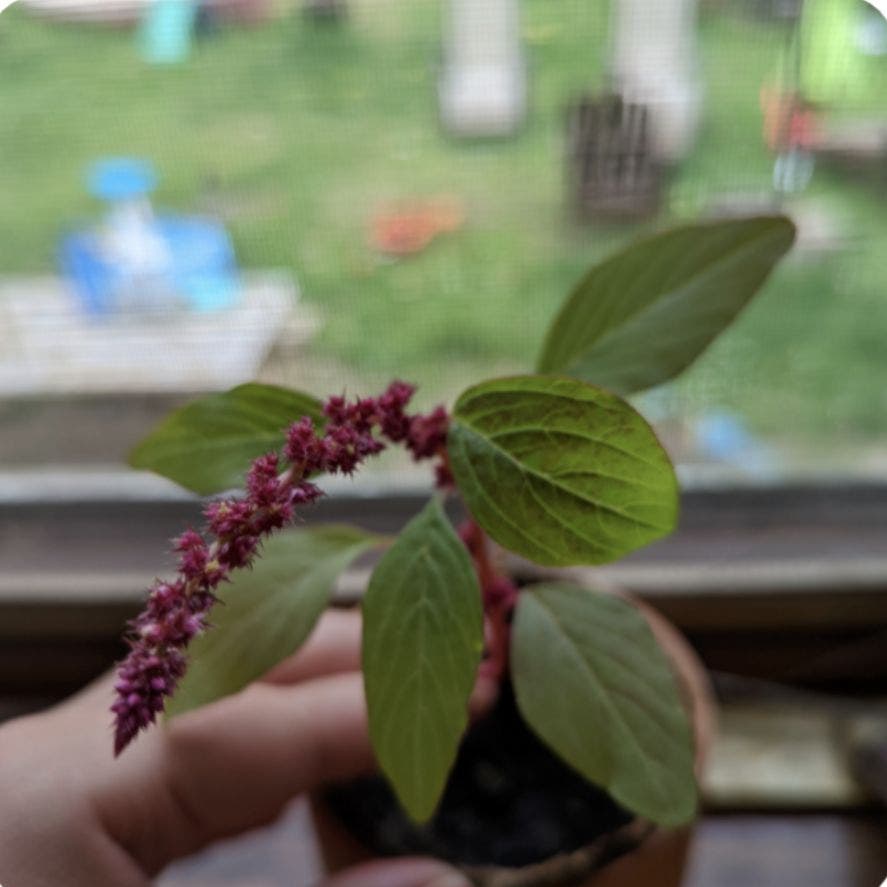
🖐️ Everything You Need to Know About Amaranth 'Green Thumb'
Amaranthus hypochondriacus 'Green Thumb'
By the Greg Editorial Team
Jan 24, 2025•12 min read
This article was created with the help of AI so we can cover more plants for you. May contain errors. See one? Report it here.
Elevate your garden with Amaranth 'Green Thumb' 🌱, a vibrant plant that brings beauty and nutrition to your space!
- 🌞 Amaranth 'Green Thumb' needs 6-8 hours of sunlight for optimal growth.
- 🌱 Plant seeds 1/4 inch deep and space them 12-18 inches apart.
- 🍽️ Rich in vitamins A, C, K, calcium, and iron, Amaranth is a nutritious garden choice.
How to Grow Amaranth 'Green Thumb'
🌞 Choosing a Location
To thrive, Amaranth 'Green Thumb' needs full sun, soaking up 6 to 8 hours of sunlight daily. Whether you’re planting outdoors or in containers, ensure the location receives ample light for optimal growth.
🌱 Soil Preparation
Start with well-draining, fertile loam to give your plants the best chance. Aim for a soil pH between 6.0 and 7.5, and enrich it with compost or organic matter before planting.
🌾 Planting Techniques
When planting, bury the seeds about 1/4 inch deep. Space them 12 to 18 inches apart, and time your planting for after the last frost date to ensure a successful start.
💧 Watering Requirements
Keep the soil consistently moist but avoid waterlogging. Drip irrigation or soaker hoses are excellent techniques to maintain moisture without oversaturating the roots.
🌿 Fertilizing Tips
Fertilize your Amaranth monthly during the growing season to promote healthy growth. A balanced NPK fertilizer works best to provide essential nutrients.
✂️ Pruning Methods
Prune your plants after flowering to encourage bushier growth. Pinching back the tips can help create a fuller appearance and enhance overall vigor.
🛠️ Ongoing Care for Outdoor and Container Growing
Regularly monitor your plants for pests and diseases to catch issues early. Incorporate weeding and mulching into your routine, and adjust care based on seasonal changes to keep your Amaranth thriving.
With these tips, you’re well on your way to cultivating a vibrant Amaranth 'Green Thumb' garden. Next, let’s explore how to propagate this resilient plant!
Propagation
🌱 Seed Propagation
To successfully propagate Amaranth 'Green Thumb' from seeds, timing is crucial. Start your seeds indoors about 6-8 weeks before the last frost date to give them a head start.
For optimal germination, maintain warm temperatures around 70°F (21°C). This warmth encourages quick sprouting and healthy growth.
✂️ Cutting Propagation
Cutting propagation is another effective method. Select healthy stems that are about 4-6 inches long for the best results.
Use a rooting medium that consists of equal parts peat moss and perlite. This combination provides excellent drainage and aeration for the developing roots.
Expect rooting to take about 2-3 weeks. During this time, keep the medium moist but not soggy to promote healthy root development.
With these propagation techniques, you can expand your Amaranth 'Green Thumb' garden effortlessly. Next, let’s explore the lifecycle of this vibrant plant.
Lifecycle
Annual Characteristics 🌱
Amaranth 'Green Thumb' is classified as an annual plant, meaning it completes its life cycle within a single growing season. This characteristic makes it a popular choice for gardeners looking for quick results.
Stages of Growth 🌿
Understanding the stages of growth is crucial for successful cultivation.
- Germination: This initial phase takes about 5-10 days, where seeds begin to sprout.
- Seedling Stage: Lasting 2-3 weeks, seedlings develop their first true leaves.
- Vegetative Growth: Over 4-6 weeks, the plant focuses on growing leaves and stems.
- Flowering: This stage occurs around 8-10 weeks, where vibrant blooms start to appear.
- Seed Production: Finally, within 10-12 weeks, the plant produces seeds for future growth.
Growth Timeline ⏳
The time to maturity for Amaranth 'Green Thumb' is approximately 10-12 weeks. Under ideal conditions, this plant exhibits rapid growth, making it an exciting addition to any garden.
With the right care and attention, you can witness its transformation from seed to a lush, vibrant plant in just a few months. This quick turnaround not only provides satisfaction but also encourages gardeners to experiment with multiple planting cycles throughout the season.
As we delve deeper into the specifics of growing Amaranth, the next section will cover its size and growth characteristics.
Size
Mature Height and Spread 🌱
Amaranth 'Green Thumb' can reach a mature height of up to 3 feet, making it a striking addition to any garden. Its spread typically ranges from 2 to 3 feet wide, allowing it to fill space effectively.
Growth Rate and Size Variability ⚡️
This plant is known for its fast growth rate, especially under optimal conditions. However, the size can vary significantly based on factors like soil quality and sunlight exposure.
Impact of Growing Conditions on Size 🌧️
The availability of nutrients and water plays a crucial role in determining the size of Amaranth 'Green Thumb.' Ensuring your plant receives adequate care can lead to impressive growth and lush foliage.
As you consider growing this vibrant plant, remember that the right conditions can make all the difference. Next, let’s explore the roots of Amaranth 'Green Thumb' and how they contribute to its overall health and growth.
Roots
🌱 Root System Characteristics
Amaranth 'Green Thumb' boasts a fibrous root system that helps it absorb nutrients efficiently. Typically, these roots extend to a depth of 12 to 18 inches, anchoring the plant firmly in the soil.
🛠️ Common Root-Related Issues and Solutions
One of the most common problems is root rot, often caused by overwatering. To identify healthy roots, look for firm, white roots; unhealthy roots will appear brown and mushy.
🔗 Recognizing and Addressing Rootbound Conditions
If you notice roots growing out of the drainage holes, your plant may be rootbound. The best solutions are repotting the plant into a larger container or performing root pruning to encourage new growth.
Understanding these root characteristics and issues will help you maintain a healthy Amaranth 'Green Thumb.' With the right care, your plant can thrive and provide you with its lush foliage and nutritional benefits.
Next, let's explore the numerous benefits of growing this remarkable plant.
Benefits
Nutritional Benefits 🥗
Amaranth 'Green Thumb' is a powerhouse of nutrition. It's loaded with vitamins A, C, and K, along with essential minerals like calcium and iron.
Cultural Significance 🎭
This plant holds a special place in various traditional cuisines and cultural rituals. Its historical importance adds depth to its culinary uses.
Environmental Benefits 🌍
Growing Amaranth contributes positively to the environment. It enhances soil health and promotes biodiversity, making it a great choice for eco-conscious gardeners.
Aesthetic Appeal 🌺
With its lush foliage, Amaranth 'Green Thumb' adds a vibrant touch to any garden. Its striking appearance can elevate the visual interest of your outdoor space.
Culinary Versatility 🍽️
Both the leaves and seeds of Amaranth are edible. They can be incorporated into a variety of dishes, showcasing their versatility in the kitchen.
Incorporating Amaranth 'Green Thumb' into your garden not only enriches your diet but also supports cultural traditions and environmental health. Next, let’s explore the concept of companion planting and how it can enhance your gardening experience.
Companion Plants
🌱 Concept of Companion Planting
Companion planting is a gardening strategy that pairs plants together for mutual benefits. This approach can enhance pest management, improve growth, and increase overall garden diversity.
🌼 Best Companion Plants
When growing Amaranth 'Green Thumb', consider these excellent companions:
- Basil: Enhances flavor and repels pests.
- Beans: Fix nitrogen in the soil, benefiting nearby plants.
- Marigolds: Deter harmful insects and attract beneficial ones.
🚫 Plants to Avoid
Not all plants play well together. Avoid planting Amaranth near nightshades, such as:
- Tomatoes: They can compete for nutrients and attract pests.
- Potatoes: Similar issues with nutrient competition and pest attraction.
By choosing the right companions, you can create a thriving garden ecosystem that supports your Amaranth 'Green Thumb'. This thoughtful approach not only boosts plant health but also enhances your gardening experience.
Toxicity to Humans
⚠️ Potential Irritants
Amaranth 'Green Thumb' can cause irritation through its leaves and sap. While not highly toxic, it's wise to handle this plant with care.
🤕 Symptoms of Irritation
Contact with the plant may lead to skin rashes, itching, or mild gastrointestinal upset. These symptoms are generally mild but can be uncomfortable.
🧤 Safe Handling Tips
To minimize risk, wear gloves when handling Amaranth. Always wash your hands thoroughly after contact to prevent any irritation.
🏥 When to Seek Medical Care
If you experience persistent or worsening symptoms, it's important to seek medical advice. Better safe than sorry when it comes to your health!
This section highlights the importance of being cautious while enjoying the beauty and benefits of Amaranth 'Green Thumb.' Next, we’ll explore its edible parts and how to harvest them safely.
Edible
Edible Parts 🌱
Amaranth 'Green Thumb' offers both edible leaves and seeds, making it a versatile addition to your garden. The leaves are tender and flavorful, while the seeds provide a nutritious boost.
Identification and Harvesting Tips 🥗
To enjoy the best flavor, harvest the leaves when they are young and tender. For seeds, wait until they are fully mature, which typically occurs when they turn a darker color and easily detach from the plant.
Nutritional Value 🥦
These edible parts are not just tasty; they are also packed with nutrition. Amaranth leaves and seeds are high in protein and essential amino acids, making them a great choice for a healthy diet.
Cultural Uses 🌍
Across various cultures, amaranth is celebrated for its culinary versatility. It features prominently in traditional dishes, showcasing its rich heritage and importance in global cuisines.
Toxicity to Dogs
🐶 Safety for Dogs
Amaranth 'Green Thumb' is generally safe for dogs. Major pet poison control centers do not list it as toxic, making it a worry-free addition to your garden.
⚠️ Minor Issues from Excessive Consumption
While it's not harmful, excessive consumption may lead to mild gastrointestinal upset in dogs. Keep an eye on your furry friend if they decide to munch on the leaves.
🏡 Tips for Introducing to Homes with Dogs
When introducing Amaranth to your home, consider proper placement. Monitor your dog's behavior around the plant to ensure they don't overindulge.
With these precautions, you can enjoy the beauty of Amaranth 'Green Thumb' without concern for your canine companions. Next, let’s explore its safety for cats, as many households have both pets.
Toxicity to Cats
Safety for Cats 🐱
Amaranth 'Green Thumb' is not considered toxic by major pet poison control centers. This means you can enjoy growing it without worrying about your feline friends.
Minor Issues from Excessive Consumption 🤢
While generally safe, excessive consumption of amaranth leaves may lead to mild gastrointestinal upset in cats. It's always best to monitor their intake to avoid any discomfort.
Tips for Introducing to Homes with Cats 🏡
When introducing amaranth to a home with cats, consider proper placement. Keep the plant out of reach and observe your cat's behavior around it to ensure they don’t nibble excessively.
With these precautions, you can enjoy the beauty of Amaranth 'Green Thumb' while keeping your cats safe and sound.
Problems
Common Problems 🌱
Growing Amaranth 'Green Thumb' can be rewarding, but it comes with its share of challenges. Here are some common problems you might encounter:
- Incorrect Watering: Overwatering can lead to root rot, while underwatering causes wilting.
- Incorrect Light Conditions: Insufficient light results in weak, leggy plants that struggle to thrive.
- Diseases: Fungal issues like powdery mildew and blight can affect plant health.
- Leaf Issues: Scorching and yellowing leaves often indicate stress or nutrient deficiencies.
- Growth Problems: Leaning or leggy growth suggests inadequate light or poor soil conditions.
Identifying Symptoms and Causes 🔍
Recognizing the symptoms of these issues is crucial for effective management.
- Overwatering: Yellowing leaves and a mushy stem are telltale signs.
- Underwatering: Leaves may curl or become crispy.
- Insufficient Light: Stretched, tall plants with sparse foliage indicate a lack of sunlight.
- Fungal Diseases: Look for white powdery spots or dark patches on leaves.
- Nutrient Deficiencies: Yellowing leaves, especially older ones, can signal a lack of essential nutrients.
Solutions for Top 5 Common Issues 🛠️
Addressing these problems can help your Amaranth flourish. Here are simple solutions:
- Watering: Ensure consistent moisture without waterlogging. Use well-draining soil and check moisture levels regularly.
- Light Conditions: Position your plants in a location that receives full sun for at least 6-8 hours daily.
- Disease Management: Apply organic fungicides at the first sign of fungal issues and ensure good air circulation.
- Leaf Care: Regularly inspect leaves for signs of stress and adjust watering or fertilization as needed.
- Growth Support: If plants lean, consider staking them or adjusting their light exposure to promote more balanced growth.
By staying vigilant and proactive, you can tackle these common problems and enjoy a thriving Amaranth 'Green Thumb' garden. Next, let’s explore the fascinating process of propagation!
Bugs
🛡️ Pest Resistance
Amaranth 'Green Thumb' generally boasts a good level of pest resistance. However, it can still fall victim to certain pests that may threaten its health.
🐜 Common Pests
The most common pests to watch out for include:
- Spider mites: Tiny but mighty, they can cause significant damage.
- Aphids: These small, soft-bodied insects suck sap and can weaken your plants.
- Whiteflies: Often found on the undersides of leaves, they can create a sticky mess.
- Mealybugs: These cotton-like pests can be a nuisance, clustering in groups.
🔍 Identification and Damage
Identifying pest infestations early is crucial. Look for:
- Spider mites: Fine webbing on leaves.
- Aphids: Curling leaves and sticky residue.
- Whiteflies: Clouds of tiny white insects when disturbed.
- Mealybugs: Cottony masses on stems and leaves.
Damage can manifest as yellowing leaves, stunted growth, or even plant death if left unchecked.
💊 Treatment Options
When it comes to treatment, you have options. For organic control, consider:
- Neem oil: Effective against a variety of pests.
- Insecticidal soap: Targets soft-bodied insects like aphids and mealybugs.
- Companion planting: Certain plants can deter pests naturally.
If you prefer chemical methods, look for targeted insecticides that won't harm beneficial insects. Always follow the instructions carefully to ensure safety and effectiveness.
By staying vigilant and proactive, you can keep your Amaranth 'Green Thumb' thriving and pest-free. Next, let’s explore how to recognize and address common problems that may arise during its growth.
What Eats Amaranth 'Green Thumb'
🦌 Common Animals
Amaranth 'Green Thumb' can attract a variety of hungry critters. Common visitors include deer, rabbits, squirrels, and birds, all of which may find your vibrant plants irresistible.
🕵️♂️ Signs of Animal Presence
To identify if animals are munching on your amaranth, look for browsing patterns and droppings around your garden. These signs can help you determine which animals are causing the damage.
🚧 Deterrent Methods
Protecting your plants can be achieved through several effective strategies. Consider using fencing to create a physical barrier, applying repellents to deter animals, or implementing companion planting to confuse and distract pests.
By taking these precautions, you can enjoy your amaranth without the worry of it becoming a snack for local wildlife.
⚠️ Safety First
This content is for general information and may contain errors, omissions, or outdated details. It is not medical, veterinary advice, or an endorsement of therapeutic claims.
Always consult a qualified healthcare professional before using any plant as food, medicine, or supplement.
Never eat any plant (or feed one to pets) without confirming its identity with at least two trusted sources.
If you suspect poisoning, call Poison Control (800) 222-1222, the Pet Poison Helpline (800) 213-6680, or your local emergency service immediately.
Spotted an error? Please report it here.
Cultivate a bountiful harvest 🌱 of Amaranth 'Green Thumb' by using Greg's tailored care tips to ensure optimal sunlight, nutrients, and pest protection!