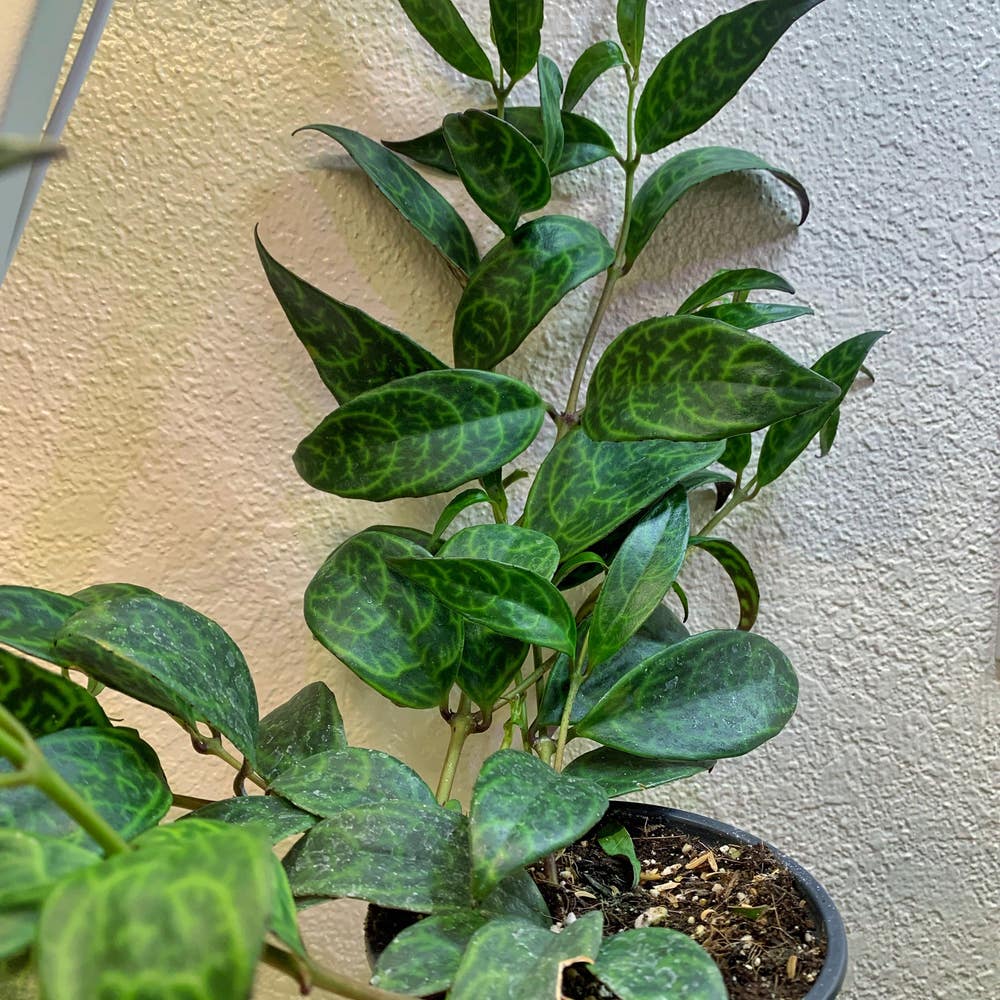
Ultimate Guide to Zebra Basket Vine 🦓
Aeschynanthus longicaulis
By the Greg Editorial Team
Jan 09, 2025•15 min read
This article was created with the help of AI so we can cover more plants for you. May contain errors. See one? Report it here.
- 🌞 Zebra Basket Vine thrives in bright, indirect light for optimal growth indoors and outdoors.
- 🌱 Use a well-draining potting mix with pH 6.0-7.0 for best results.
- 💧 Water when the top inch is dry to prevent overwatering and root rot.
How to Grow
🌞 Choosing a Location
To thrive, the Zebra Basket Vine prefers bright, indirect light. Whether you're growing it indoors or outdoors, ensure the location provides ample light without harsh direct sun, which can scorch its leaves.
🌱 Soil Preparation
A well-draining potting mix is essential for healthy growth. Aim for a soil pH between 6.0 and 7.0 to create the ideal environment for your plant.
🌿 Planting Techniques
The best time to plant your Zebra Basket Vine is during spring or early summer. When planting seeds or cuttings, ensure they are placed at a depth of 1-2 inches for optimal growth.
💧 Watering Requirements
Water your plant when the top inch of soil feels dry to the touch. Be mindful of the signs of overwatering, such as yellowing leaves, and underwatering, which can cause wilting.
🌼 Fertilizing Schedule
Use a balanced, water-soluble fertilizer to nourish your plant. Fertilize every 4-6 weeks during the growing season to support its growth and vitality.
✂️ Pruning Methods
Prune your Zebra Basket Vine in late winter or early spring to encourage bushiness. Pinching back growth helps maintain its shape and promotes fuller foliage.
🔍 Ongoing Care Tips
Keep an eye on humidity levels and temperature to ensure your plant remains healthy. Adjust your care routine based on seasonal changes to meet its evolving needs.
With these foundational growing tips, you're well on your way to cultivating a thriving Zebra Basket Vine. Next, let’s explore how to propagate this beautiful plant for even more greenery in your space!
Propagation
🧬 Methods of Propagation
Zebra Basket Vine is a fantastic plant to propagate, whether you're using seeds or cuttings. Each method has its own charm and can lead to a thriving new plant.
Seeds
Sowing seeds is a straightforward process. Here’s how to do it:
- Prepare the Soil: Use a well-draining potting mix and fill a seed tray or small pots.
- Sow the Seeds: Plant the seeds about 1/4 inch deep, spacing them a few inches apart.
- Water Gently: Moisten the soil without soaking it. Keep it consistently damp but not waterlogged.
- Provide Warmth: Place the tray in a warm spot with indirect light. A temperature around 70°F (21°C) is ideal.
- Germination Time: Expect seeds to germinate in 2-4 weeks. Be patient and keep the soil moist.
Cuttings
Taking cuttings is another effective way to propagate your Zebra Basket Vine. Follow these steps for success:
- Select a Healthy Stem: Choose a stem that is healthy and has at least a few leaves.
- Make the Cut: Use clean, sharp scissors to cut a 4-6 inch section just below a leaf node.
- Remove Lower Leaves: Strip off the leaves from the bottom half of the cutting to prevent rot.
- Rooting Hormone (Optional): Dip the cut end in rooting hormone to encourage faster root growth.
- Plant the Cutting: Insert the cutting into a pot filled with moist, well-draining soil.
- Water and Cover: Water lightly and cover the pot with a plastic bag or a clear plastic dome to maintain humidity.
- Light and Temperature: Place in a warm area with indirect sunlight. Roots should develop in 2-4 weeks.
Both methods are rewarding and can lead to a lush collection of Zebra Basket Vines. With a little care and attention, you'll soon have new plants to enjoy or share with friends.
As you explore propagation, remember that each plant has its own personality. Embrace the journey of growth and enjoy the process!
Lifecycle
Overview of Lifecycle Stages 🌱
The lifecycle of the Zebra Basket Vine begins with germination, which typically takes 7 to 14 days under optimal conditions. This stage requires warmth and moisture, making a warm, humid environment ideal for sprouting seeds.
Once germinated, the plant enters the seedling stage. During this phase, it develops its first true leaves and requires consistent moisture and bright, indirect light for healthy growth.
Next is the vegetative growth stage, where the plant focuses on expanding its foliage. This stage can last several weeks, and the vine will need ample light, water, and nutrients to thrive.
The flowering stage follows, usually occurring in late spring to early summer. Conditions such as adequate light and proper watering are crucial for encouraging blooms.
Finally, the plant produces seeds, completing its lifecycle. This seed production phase can happen in late summer to early fall, allowing the cycle to begin anew.
Duration Until Maturity ⏳
The Zebra Basket Vine typically reaches full maturity in approximately 6 to 12 months. This timeframe can vary based on environmental conditions and care practices.
Growth Rate Specifics 🚀
This vine is known for its fast growth rate, often achieving maturity quickly. With the right care, you can enjoy a lush, vibrant plant in no time.
As you nurture your Zebra Basket Vine through its lifecycle, remember that each stage is an opportunity to observe and learn. This journey not only enhances your gardening skills but also deepens your connection with this beautiful plant.
Size
Mature Height and Spread 🌱
The Zebra Basket Vine typically reaches a height of 3 to 6 feet and can spread between 2 to 4 feet wide. This makes it an excellent choice for adding vertical interest to your garden or indoor space.
Growth Rate and Time to Full Size ⏳
Under optimal conditions, you can expect your Zebra Basket Vine to reach its full size within 1 to 2 years. This fast growth rate allows for quick coverage of trellises or walls, making it a popular choice for gardeners.
Size Variability Based on Growing Conditions 🌦️
Several factors can influence the size of your Zebra Basket Vine. Light exposure, water availability, and soil quality all play crucial roles in determining how robust your plant will grow.
Adjusting these conditions can help you achieve the desired size and health for your Zebra Basket Vine.
As you consider these factors, remember that providing the right environment will not only enhance growth but also improve the overall appearance of your plant.
With the right care, your Zebra Basket Vine can thrive and become a stunning focal point in your home or garden.
Next, let’s explore the fascinating lifecycle of this resilient plant.
Roots
Characteristics of the Root System 🌱
The Zebra Basket Vine features a fibrous root system that is both shallow and extensive. This structure allows the plant to absorb nutrients efficiently while spreading out to stabilize itself.
Common Root-Related Issues ⚠️
One of the most common problems you might encounter is root rot. This condition typically arises from overwatering or poor drainage, leading to a decline in plant health.
Visual Cues for Healthy vs. Unhealthy Roots 👀
Healthy roots are firm, white, and spread evenly throughout the pot. In contrast, unhealthy roots appear dark, mushy, or may emit a foul smell, indicating a serious issue.
Recognizing and Addressing Rootbound Conditions 🔄
If you notice roots growing out of the drainage holes, your plant is likely rootbound. To remedy this, consider repotting the plant into a larger container or employing root pruning techniques to encourage new growth.
Understanding the root system of your Zebra Basket Vine is crucial for its overall health. By monitoring these aspects, you can ensure your plant thrives and flourishes.
Next, let's explore the benefits of growing this unique vine.
Benefits
Aesthetic Appeal 🌿
The Zebra Basket Vine is a showstopper with its unique foliage that can elevate any space. Its striking patterns and vibrant colors make it a perfect addition to your home decor.
Air Purification 🌬️
This plant isn't just pretty; it also contributes to improved indoor air quality. By filtering out toxins, it helps create a healthier living environment.
Fast Growth 🚀
If you're looking for a plant that grows quickly, the Zebra Basket Vine fits the bill. It can swiftly cover trellises and walls, adding lush greenery in no time.
Versatile Use 🌍
Whether indoors or outdoors, this vine adapts beautifully to various settings. Its versatility makes it a favorite among gardeners and plant enthusiasts alike.
Low Maintenance 🧘♀️
One of the best features of the Zebra Basket Vine is its low maintenance requirements. It's easy to care for and propagate, making it ideal for both novice and experienced gardeners.
Cultural Significance and Symbolism 🌱
Beyond its physical attributes, the Zebra Basket Vine holds cultural significance. It symbolizes resilience and adaptability, reflecting the spirit of those who cultivate it.
This plant not only beautifies your space but also embodies a deeper connection to nature and growth. As you nurture it, you may find inspiration in its journey, reminding you of the importance of resilience in your own life.
Companion Plants
🌱 Explanation of Companion Planting
Companion planting is a gardening technique that involves growing different plants together for mutual benefits. This practice can enhance pest management and promote garden diversity, creating a healthier ecosystem.
🌿 List of Compatible Plants and Their Benefits
When considering companion plants for your Zebra Basket Vine, think about the following options:
- Ferns: They provide a lush backdrop and help maintain humidity levels.
- Pothos: This hardy plant thrives in similar conditions and can help improve air quality.
- Other Tropical Plants: Varieties like peace lilies or snake plants can complement the vine's aesthetic and care requirements.
🚫 Plants to Avoid Near Zebra Basket Vine
While many plants can thrive alongside your Zebra Basket Vine, some should be avoided. Heavy feeders, such as tomatoes or corn, may compete for nutrients, leading to stunted growth and poor health for your vine.
By selecting the right companions, you can create a vibrant and thriving garden space that benefits all your plants. Next, let's explore the potential toxicity of the Zebra Basket Vine to humans and pets.
Toxicity to Humans
🛡️ Safety of Zebra Basket Vine for Humans
The Zebra Basket Vine is generally considered safe for humans. Major poison control centers do not list it as toxic, which is a relief for plant lovers.
However, it's important to note that contact or ingestion in large quantities may lead to mild skin irritation or digestive discomfort. Always monitor for any unusual symptoms after contact to ensure safety.
By keeping an eye on your interactions with this plant, you can enjoy its beauty without worry. With proper care and awareness, the Zebra Basket Vine can be a delightful addition to your home.
Toxicity to Dogs
Safety of Zebra Basket Vine for Dogs 🐶
The Zebra Basket Vine is generally safe for dogs, as it is not listed as toxic by major pet poison control centers. However, if your dog consumes a large quantity, it may experience mild gastrointestinal upset.
Tips for Introducing the Plant to Homes with Dogs 🏡
To ensure a harmonious coexistence, place the plant in an area that is out of reach of your furry friend. Additionally, keep an eye on your dog's behavior around the plant to prevent any unwanted nibbling.
Monitoring for Unusual Symptoms 👀
While serious issues are rare, it's wise to monitor your dog for any unusual symptoms after contact. Quick action can help address any minor irritations before they escalate.
With these precautions, you can enjoy the beauty of the Zebra Basket Vine without worrying about your dog's safety. Next, let’s explore how this plant interacts with our feline friends.
Toxicity to Cats
Safety of Zebra Basket Vine for Cats 🐱
Zebra Basket Vine is not considered toxic to cats by major pet poison control centers. This means you can enjoy this beautiful plant without worrying too much about your feline friends.
However, if consumed in large quantities, it may cause mild gastrointestinal upset. It's always wise to monitor your cat's behavior and health after introducing any new plant into your home.
Tips for Introducing the Plant to Homes with Cats 🏡
To ensure a harmonious coexistence, place the Zebra Basket Vine in areas that are less accessible to your cats. Consider hanging it or placing it on high shelves to minimize their interest.
Additionally, keep an eye on your cat's behavior around the plant. If you notice any unusual nibbling or signs of discomfort, it may be best to relocate the plant or provide alternative distractions for your curious kitty.
In summary, while Zebra Basket Vine is generally safe for cats, a little precaution goes a long way in keeping both your plant and pet happy. Now, let’s explore the common problems faced when growing this vibrant vine.
Problems
🌱 Common Problems Faced When Growing
Growing the Zebra Basket Vine can be rewarding, but it’s not without its challenges. Here are some common problems you might encounter and how to tackle them effectively.
💧 Incorrect Watering
Watering issues are among the most frequent problems. If you notice wilting or yellowing leaves, it’s a sign that your watering routine needs adjustment.
- Solution: Check the top inch of soil; if it’s dry, it’s time to water. Aim for a consistent schedule to keep your plant thriving.
💡 Incorrect Light Conditions
Light plays a crucial role in the health of your Zebra Basket Vine. Leggy growth or scorched leaves indicate that your plant isn’t getting the right amount of light.
- Solution: Move your plant to a brighter location where it can soak up bright, indirect light. This adjustment can make a significant difference.
🌡️ Incorrect Temperature
Temperature fluctuations can stress your plant. If you notice stunted growth or leaf drop, your Zebra Basket Vine may be too cold or exposed to drafts.
- Solution: Maintain warm, humid conditions, ideally between 65°F and 75°F. This will help your plant flourish.
🦠 Diseases
Diseases like powdery mildew and root rot can plague your Zebra Basket Vine. These issues often arise from poor air circulation or overwatering.
- Solution: Improve air circulation around your plant and adjust your watering habits. Ensure the soil dries out between waterings to prevent root rot.
🍃 Leaf Issues
Yellowing or fuzzy growth on leaves can signal underlying problems. These symptoms often point to pests or improper care.
- Solution: Inspect your plant for pests and adjust your care routine accordingly. Regular monitoring can help catch issues early.
By staying vigilant and addressing these common problems, you can enjoy a healthy and vibrant Zebra Basket Vine. Next, let’s explore the potential pest issues that could threaten your plant’s well-being.
Bugs
Potential Pest Issues 🐞
When growing your Zebra Basket Vine, be on the lookout for common pests that can disrupt its health. Identifying these pests early can save your plant from significant damage.
Spider Mites
- Identification: Look for fine webbing on leaves, often a sign of spider mite infestation.
- Damage: These pests can cause leaf discoloration and eventual drop.
- Treatment: Increase humidity around the plant and apply insecticidal soap to eliminate them.
Scale Insects
- Identification: Scale insects leave behind a sticky residue and create small bumps on stems.
- Damage: They weaken the plant, making it more susceptible to other issues.
- Treatment: Manual removal of the insects and application of horticultural oil can help control their population.
Mealybugs
- Identification: These pests appear as cotton-like masses on leaves.
- Damage: Mealybugs can stunt the growth of your Zebra Basket Vine.
- Treatment: Use rubbing alcohol on a cotton swab to remove them effectively.
Aphids
- Identification: Small, green insects often found on new growth are a telltale sign of aphids.
- Damage: They cause curling leaves and reduce the plant's vigor.
- Treatment: Neem oil or insecticidal soap can effectively manage aphid infestations.
By keeping an eye out for these pests and acting quickly, you can maintain the health and beauty of your Zebra Basket Vine. Next, let’s explore what animals might be drawn to your plant and how to protect it from them.
What Eats Zebra Basket Vine
Common Animals That May Damage 🐾
Zebra Basket Vine can attract a variety of animals that may cause damage. Understanding these potential threats is essential for maintaining the health of your plant.
Deer 🦌
Deer are notorious for browsing on leaves and stems. Their feeding can lead to significant leaf loss, which can impact the overall vitality of your Zebra Basket Vine.
Deterrent Methods:
- Fencing around the plant can effectively keep deer at bay.
- Using repellents that emit scents deer dislike can also help.
Rabbits 🐇
Rabbits are another common culprit, often leaving behind cleanly cut stems and leaves. Their nibbling typically targets the lower parts of the plant, which can stunt growth.
Deterrent Methods:
- Physical barriers, such as wire mesh, can prevent rabbits from accessing your plants.
- Repellents designed for rabbits can also be effective.
Squirrels 🐿️
Squirrels may gnaw on stems and leave behind fallen leaves. Their activity can disrupt the growth of your Zebra Basket Vine, leading to an unkempt appearance.
Deterrent Methods:
- Motion-activated sprinklers can startle squirrels and keep them away.
- Consider using squirrel-proof feeders if you have other plants nearby.
Birds 🐦
Birds can peck at leaves and seeds, causing noticeable damage. Their feeding habits can lead to seed loss and foliage damage, which may hinder the plant's growth.
Deterrent Methods:
- Netting can protect your plants from birds.
- Reflective objects, like old CDs, can deter them by creating an unsettling environment.
Rodents 🐭
Rodents often burrow near the roots of the Zebra Basket Vine, causing root damage and plant instability. Their presence can be particularly concerning as it affects the foundation of your plant.
Deterrent Methods:
- Traps can effectively manage rodent populations.
- Natural repellents, such as peppermint oil, can also help keep them away.
Understanding these common threats and implementing effective deterrent methods will help ensure your Zebra Basket Vine thrives. With the right care, you can enjoy its beauty without the worry of unwanted visitors.
⚠️ Safety First
This content is for general information and may contain errors, omissions, or outdated details. It is not medical, veterinary advice, or an endorsement of therapeutic claims.
Always consult a qualified healthcare professional before using any plant as food, medicine, or supplement.
Never eat any plant (or feed one to pets) without confirming its identity with at least two trusted sources.
If you suspect poisoning, call Poison Control (800) 222-1222, the Pet Poison Helpline (800) 213-6680, or your local emergency service immediately.
Spotted an error? Please report it here.
Cultivate your Zebra Basket Vine with confidence 🌱 by using Greg's tailored watering alerts and care tips to help it thrive in any environment!