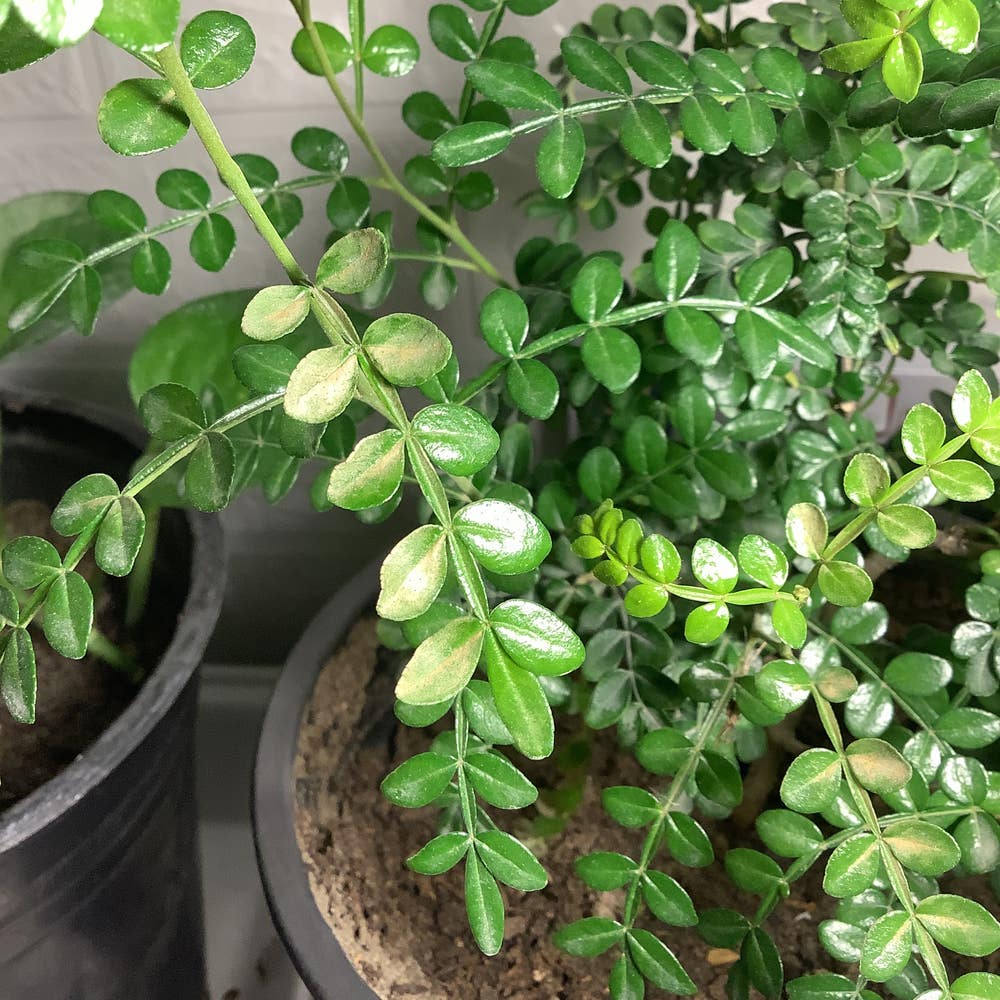
All About Zanthoxylum tomentellum: Essential Facts
Zanthoxylum tomentellum
By the Greg Editorial Team
Feb 18, 2025•11 min read
This article was created with the help of AI so we can cover more plants for you. May contain errors. See one? Report it here.
Unlock the beauty and benefits of Zanthoxylum tomentellum 🌿, a versatile plant perfect for any garden enthusiast!
- 🌞 Zanthoxylum tomentellum thrives in full sun; protect from strong winds and frost.
- 🌱 Well-drained, fertile soil with pH 6.0-7.0 is essential for optimal growth.
- 🐛 Monitor for pests like spider mites; use organic treatments for effective management.
How to Grow
Choosing a Location 🌞
When selecting a spot for Zanthoxylum tomentellum, aim for full sun to partial shade. Whether you’re planting outdoors or in a container, ensure the location offers protection from strong winds and frost.
Soil Preparation 🌱
This plant thrives in well-drained, fertile soil. Aim for a pH level between 6.0 and 7.0, and consider adding organic matter to enhance drainage and fertility.
Planting Techniques 🌿
For planting, dig a hole that is 1-2 inches deeper than the root ball. Space your plants 3-5 feet apart if planting outdoors, and spring is the best time to get them in the ground after the last frost.
Watering Requirements 💧
After planting, give your Zanthoxylum a deep watering. Moving forward, water when the top inch of soil feels dry, and watch for signs of overwatering, such as waterlogged soil.
Fertilizing Schedule 🌼
Use a balanced NPK fertilizer for optimal growth. Fertilize every 4-6 weeks during the growing season, adjusting your approach for container plants versus those in the ground.
Pruning Methods ✂️
Prune in late winter or early spring before new growth begins. Focus on removing dead or damaged branches and shaping the plant for aesthetics, as pruning is crucial for maintaining health and promoting growth.
Ongoing Care Tips 🛡️
Keep an eye out for pests and diseases, adjusting your care based on seasonal changes. Mulching is also important, as it helps retain moisture and supports overall plant health.
With these guidelines, you’re well on your way to successfully growing Zanthoxylum tomentellum. Next, let’s explore how to propagate this versatile plant.
Propagation
🌱 Seed Propagation Steps
Seed propagation is a straightforward way to grow Zanthoxylum tomentellum. Start by soaking the seeds for 24 hours before planting to enhance germination.
Next, sow the seeds at a depth of 1/2 inch in well-draining soil. Under optimal conditions, you can expect germination within 2-4 weeks.
✂️ Cutting Propagation Methods
If you prefer cuttings, select healthy stems that are 4-6 inches long. This method can be quite rewarding and allows for quicker growth.
Use a rooting medium that combines perlite and peat moss for the best results. Keep the cuttings in a humid environment, and they should root within 4-6 weeks.
This propagation knowledge opens up exciting possibilities for expanding your Zanthoxylum tomentellum collection. Whether you choose seeds or cuttings, both methods can lead to thriving plants in your garden.
Lifecycle
🌱 Lifecycle Stages
Zanthoxylum tomentellum is a perennial plant, meaning it lives for multiple years. Its lifecycle includes several key stages: germination, seedling, vegetative growth, flowering, and seed production.
🌼 Germination Process
For successful germination, maintain an optimal temperature of 70°F (21°C). Additionally, keep the soil consistently moist to encourage healthy seed sprouting.
🌿 Seedling Development
After germination, expect a timeframe of 4-6 weeks for seedlings to develop and be ready for transplanting. During this period, provide adequate light and moisture to support their growth.
⏳ Growth Timeline
Under optimal conditions, Zanthoxylum tomentellum can live for several decades. It has a moderate growth rate, typically reaching maturity within 3-5 years, making it a rewarding addition to any garden.
This lifecycle overview highlights the resilience and adaptability of Zanthoxylum tomentellum. Understanding these stages can help you nurture this plant effectively, ensuring it thrives in your garden. Next, we will explore the plant's size and growth characteristics.
Size
Mature Height and Spread 🌳
Zanthoxylum tomentellum typically reaches an average mature height of 10 to 20 feet. Its spread usually ranges from 6 to 12 feet, making it a substantial addition to any garden.
Growth Rate and Size Variability 📈
This plant exhibits a moderate growth rate, which can vary based on environmental conditions. Factors such as soil quality, sunlight, and water availability can influence how large your Zanthoxylum tomentellum will grow, leading to differences among cultivars and growing conditions.
Understanding these size characteristics helps in planning your garden layout effectively. By considering the mature height and spread, you can ensure that each plant has enough space to thrive without overcrowding.
Roots
🌱 Root System Characteristics
Zanthoxylum tomentellum features a fibrous root system that plays a crucial role in its stability and nutrient uptake. Typically, these roots extend 2-3 feet deep, allowing the plant to access moisture and nutrients effectively.
⚠️ Common Root-Related Issues
One of the most common problems with roots is root rot, which occurs due to overwatering and poor drainage. Signs of unhealthy roots include dark, mushy textures that indicate decay.
👀 Identifying Healthy vs. Unhealthy Roots
Healthy roots are firm and exhibit a white or light tan color, signaling vitality. In contrast, unhealthy roots will appear soft and may show brown or black discoloration, indicating a need for immediate attention.
🔄 Recognizing and Addressing Rootbound Conditions
Rootbound conditions occur when roots circle the pot, restricting the plant's growth. Signs include stunted growth and water pooling on the surface, which can be detrimental to the plant's health.
To resolve this issue, consider repotting the plant into a larger container with fresh soil. This simple step can rejuvenate your Zanthoxylum tomentellum, allowing it to thrive once more.
Understanding the root system and its health is vital for the overall well-being of your plant. With proper care and attention, you can ensure that your Zanthoxylum tomentellum grows strong and healthy, ready to flourish in your garden.
Next, we will explore the numerous benefits this remarkable plant offers, from culinary uses to its aesthetic appeal.
Benefits
Top 5 Benefits 🌟
Zanthoxylum tomentellum offers a variety of benefits that make it a valuable addition to any garden or landscape.
Culinary Uses: The leaves and bark of this plant are not just for show; they are used in traditional dishes, adding unique flavors to culinary creations.
Medicinal Properties: Historically, Zanthoxylum tomentellum has been utilized for its medicinal qualities, particularly for alleviating toothaches and other ailments.
Aesthetic Appeal: With its unique foliage and structure, this plant enhances garden design, making it a striking focal point in any outdoor space.
Wildlife Attraction: It provides habitat for beneficial insects, contributing to a healthy ecosystem and promoting biodiversity in your garden.
Cultural Significance: This plant holds a special place in various traditional practices and rituals, enriching cultural heritage and community connections.
Incorporating Zanthoxylum tomentellum into your garden not only beautifies your space but also supports culinary, medicinal, and ecological benefits. Its multifaceted nature makes it a worthwhile investment for any gardener.
As we explore the propagation methods next, you'll discover how to share these benefits with even more plants!
Companion Plants
🌱 Concept of Companion Planting
Companion planting involves growing different species together to create mutual benefits. This practice can enhance pest management, improve growth, and increase garden diversity.
🌼 Best Companion Plants
When considering companions for Zanthoxylum tomentellum, marigolds and basil are excellent choices. These plants share similar care requirements and possess pest-repellent properties that can help protect your garden.
🚫 Plants to Avoid
It's crucial to avoid planting species that compete for nutrients or attract pests. Incompatible plants can hinder the growth of Zanthoxylum tomentellum and lead to increased pest issues.
By carefully selecting companion plants, you can create a thriving garden ecosystem that supports the health and vitality of your Zanthoxylum tomentellum. This thoughtful approach not only enhances your garden's aesthetic appeal but also promotes a balanced environment for all your plants.
Toxicity to Humans
Zanthoxylum tomentellum is not listed as toxic by major poison control centers, making it generally safe for handling and consumption in small amounts. This means you can enjoy its culinary benefits without undue worry.
However, be mindful that excessive contact may lead to mild skin irritation. If you experience any unusual symptoms after handling or ingesting the plant, it’s wise to seek medical advice.
In summary, while Zanthoxylum tomentellum is safe for most people, always exercise caution and listen to your body. This way, you can enjoy the plant's benefits while keeping health concerns at bay.
Next, let’s explore how this plant interacts with our furry friends, particularly dogs.
Toxicity to Dogs
When it comes to Zanthoxylum tomentellum, you can breathe easy. This plant is not listed as toxic by major pet poison control centers, making it generally safe for your furry friends.
However, it's always wise to handle plants with care. While Zanthoxylum tomentellum poses minimal risk, consuming large quantities may lead to mild gastrointestinal upset in dogs.
🐶 Safe Handling Practices
To ensure your dog's safety, keep this plant out of reach. Curious pets can sometimes get into trouble, so proper placement is key.
By being mindful of your dog's behavior around plants, you can enjoy the beauty of Zanthoxylum tomentellum without worry.
As we explore further, let's look into its toxicity to cats and what you need to know to keep all your pets safe.
Toxicity to Cats
Zanthoxylum tomentellum is not listed as toxic by major pet poison control centers, making it generally safe for households with cats. When handled properly, this plant poses little risk to your feline friends.
However, if a cat consumes large quantities, it may experience mild gastrointestinal upset. It's always wise to monitor your pets and ensure that any plants are placed out of reach to prevent any curious nibbling.
To keep your home safe, consider positioning Zanthoxylum tomentellum in areas that are less accessible to your cats. This simple precaution can help you enjoy the beauty of this plant while keeping your furry companions safe and sound.
With the right care and attention, you can cultivate a vibrant environment that benefits both your plants and your pets.
Problems
🌱 Common Problems
Growing Zanthoxylum tomentellum can come with its share of challenges.
Incorrect Watering
Overwatering can lead to root rot, while underwatering may cause wilting. Look for signs like yellowing leaves for overwatering and dry, crispy edges for underwatering.
Incorrect Light Conditions
Insufficient light can stunt growth, while too much direct sunlight may scorch the leaves. Symptoms of inadequate light include leggy growth, while excessive light often results in leaf burn.
Leaf Issues
Yellowing leaves can indicate nutrient deficiencies or water problems. Scorched leaves may signal too much sun exposure, while fuzzy growth could be a sign of pests or disease.
Growth Problems
Stunted growth or leaning plants often indicate environmental stress. A leggy appearance usually means the plant is stretching for light, which can be easily remedied.
🛠️ Solutions for Resolving Issues
To tackle these problems effectively, start with your watering practices.
Adjusting Watering Practices
Establish a consistent watering schedule, ensuring the top inch of soil dries out between waterings. This balance helps prevent both overwatering and underwatering.
Modifying Light Exposure
If your plant shows signs of light stress, consider relocating it to a spot with more suitable light conditions. A little adjustment can make a big difference in your plant's health and growth.
By keeping an eye on these common issues and implementing these solutions, you can ensure your Zanthoxylum tomentellum thrives beautifully in your garden. Next, let’s explore the fascinating world of pests that might affect your plant.
Bugs
🐜 Potential Pest Issues
Zanthoxylum tomentellum is generally pest-resistant, making it a robust choice for your garden. However, it can still fall prey to certain pests, such as spider mites and mealybugs, which can cause significant damage if left unchecked.
Identifying these pests early is crucial. Spider mites often leave fine webbing on leaves, while mealybugs appear as small, white cottony masses. Both can weaken your plant and affect its overall health.
🧪 Effective Treatment Options
When it comes to treatment, organic solutions are your best bet. Neem oil and insecticidal soap are effective at managing these pests without harming beneficial insects.
In addition to treatments, cultural practices play a vital role in pest management. Regular monitoring of your plants and maintaining their health through proper watering and fertilization can prevent infestations before they start.
By staying vigilant and proactive, you can keep your Zanthoxylum tomentellum thriving and pest-free.
What Eats
Common Animals 🦌
Zanthoxylum tomentellum can attract a few hungry visitors. Deer often leave signs of browsing on the leaves and stems, while rabbits may munch on the tender shoots.
Signs of Animal Presence and Damage 🐾
Keep an eye out for tracks or droppings near your plants; these are telltale signs of animal activity. Additionally, visible damage to foliage or stems can indicate that your plant has become a snack.
Deterrent Methods 🚫
To protect your plants, consider using chemical deterrents like commercial repellents. Alternatively, you can opt for organic methods, such as planting deterrent species nearby or using physical barriers to keep the munchers at bay.
With these strategies, you can help ensure your Zanthoxylum tomentellum thrives without becoming a buffet for local wildlife. Next, let’s explore the common problems that can arise while caring for this unique plant.
⚠️ Safety First
This content is for general information and may contain errors, omissions, or outdated details. It is not medical, veterinary advice, or an endorsement of therapeutic claims.
Always consult a qualified healthcare professional before using any plant as food, medicine, or supplement.
Never eat any plant (or feed one to pets) without confirming its identity with at least two trusted sources.
If you suspect poisoning, call Poison Control (800) 222-1222, the Pet Poison Helpline (800) 213-6680, or your local emergency service immediately.
Spotted an error? Please report it here.
Unlock the secrets to thriving Zanthoxylum tomentellum 🌱 with Greg's personalized care tips and watering reminders, ensuring your garden flourishes beautifully!