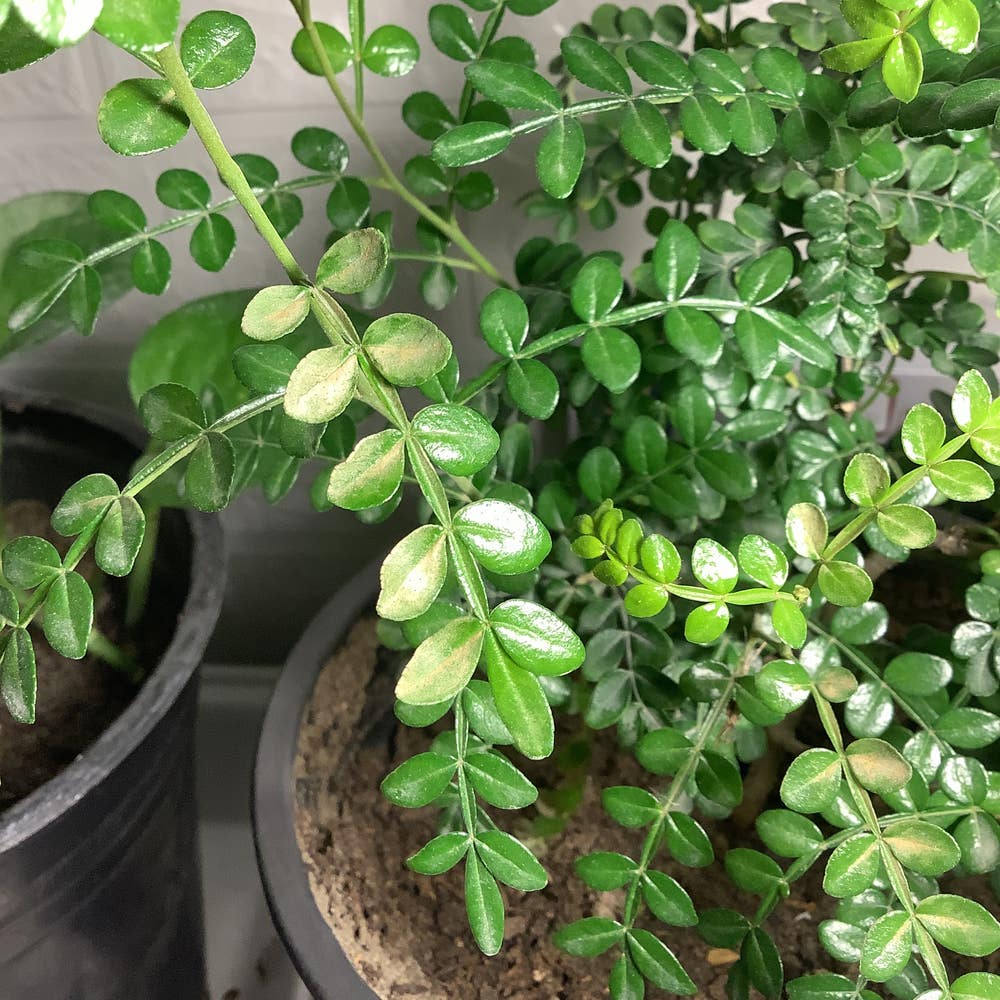
🌳 Ultimate Guide to Zanthoxylum fagara subsp. lentiscifolium
Zanthoxylum fagara subsp. lentiscifolium
By the Greg Editorial Team
Feb 25, 2025•13 min read
This article was created with the help of AI so we can cover more plants for you. May contain errors. See one? Report it here.
- 🌞 Zanthoxylum fagara thrives in full sun to partial shade; ensure ample space for growth.
- 🌱 Well-draining, fertile soil with pH 6.0-7.0 is crucial for optimal health.
- 💧 Water deeply and allow soil to dry to prevent root rot; monitor moisture regularly.
How to Grow
🌞 Choosing a Location
When selecting a location for Zanthoxylum fagara subsp. lentiscifolium, aim for an area that receives full sun to partial shade. Ensure there's ample space for the plant to grow and spread, as it can reach a significant size.
🌱 Soil Preparation
This plant thrives in well-draining, fertile soil. Aim for a pH level between 6.0 and 7.0, which is slightly acidic to neutral, to promote healthy growth.
🌿 Planting Techniques
For planting, dig a hole that is 2-3 times the diameter of the root ball. Space your plants 3-5 feet apart to allow for proper air circulation and growth.
💧 Watering Requirements
After planting, give your Zanthoxylum a deep watering to help establish its roots. Moving forward, water based on soil moisture levels, allowing the soil to dry out between waterings to prevent root rot.
🌼 Fertilizing Schedule
Use a balanced NPK fertilizer to nourish your plant. Apply it every 4-6 weeks during the growing season to support robust growth.
✂️ Pruning Methods
Prune your plant in late winter or early spring, just before new growth begins. Focus on removing dead or damaged branches and shaping the plant to achieve your desired form.
🌿 Ongoing Care
For container-grown plants, ensure they have adequate drainage and regularly monitor moisture levels. If your Zanthoxylum is planted outdoors, consider mulching to retain moisture and suppress weeds, creating a healthier environment for growth.
With these guidelines, you'll be well on your way to cultivating a thriving Zanthoxylum fagara subsp. lentiscifolium. Next, let's explore how to propagate this fascinating plant effectively.
Propagation
🌱 Seed Propagation
To start your Zanthoxylum fagara subsp. lentiscifolium from seeds, begin with scarification. This process enhances germination by breaking down the seed coat, allowing moisture to penetrate.
Under optimal conditions, expect germination to take about 2-4 weeks. Keep the seeds warm and consistently moist for the best results.
✂️ Cutting Propagation
Another effective method is cutting propagation. Select healthy stems that are 4-6 inches long, ensuring they are free from disease.
For rooting, use a mix of peat and perlite. This combination provides excellent drainage and aeration, crucial for root development.
🌿 Layering Techniques
Layering is a simple yet effective propagation technique. Bend a low branch down to the ground and cover it with soil, leaving the tip exposed.
Maintain moisture in the soil until roots develop. This method allows the new plant to establish itself while still connected to the parent plant, ensuring a higher success rate.
With these propagation methods, you can easily expand your collection of Zanthoxylum fagara subsp. lentiscifolium. Each technique offers a unique way to grow this versatile plant, setting the stage for a thriving garden.
Lifecycle
Lifecycle Stages 🌱
Zanthoxylum fagara subsp. lentiscifolium exhibits a perennial growth habit, meaning it lives for multiple years. This resilience allows it to thrive in various environments, making it a valuable addition to gardens.
Germination Process 🌡️
For optimal germination, provide warm temperatures and consistent moisture. These conditions typically lead to successful seed sprouting within a few weeks.
Seedling Development 🌿
Once germinated, seedlings require about 4-6 weeks to develop before they are ready for transplanting. During this time, ensure they receive adequate light and moisture to promote healthy growth.
Vegetative Growth Phase 🌳
The vegetative growth phase lasts approximately 1-2 years, during which the plant establishes its structure and foliage. This period is crucial for building a strong foundation for future growth.
Flowering and Seed Production 🌸
Flowering generally occurs in late spring to early summer, showcasing the plant's vibrant blooms. Following this, seed production takes place, allowing for propagation and continued growth.
Lifespan and Growth Rate ⏳
Under optimal conditions, Zanthoxylum fagara can live for several decades. Its moderate growth rate means it typically reaches maturity in about 3-5 years, providing a rewarding experience for gardeners who nurture it.
As we explore the lifecycle of this fascinating plant, it’s essential to understand how to care for it effectively. Next, we’ll delve into its size and growth characteristics.
Size
Mature Height and Spread 🌳
Zanthoxylum fagara subsp. lentiscifolium typically reaches an average mature height of 10 to 15 feet. Its spread usually ranges from 6 to 10 feet, making it a suitable choice for various garden spaces.
Growth Rate and Size Variability 📈
The growth rate of this plant can vary significantly based on several factors. Key influences include soil quality, water availability, and sunlight exposure, all of which play a crucial role in determining how quickly and robustly your plant will grow.
Factors Affecting Size 🌍
The environment in which Zanthoxylum fagara is planted can greatly impact its overall size. For instance, plants grown in containers often exhibit different growth patterns compared to those planted directly in the ground, typically resulting in smaller sizes due to restricted root space.
Understanding these size dynamics can help you make informed decisions about planting and care, ensuring your Zanthoxylum fagara thrives in your garden. Next, we’ll explore the fascinating root system of this resilient plant.
Roots
Root System Characteristics 🌱
Zanthoxylum fagara subsp. lentiscifolium features a fibrous root system. This type of root structure is essential for stability and nutrient absorption.
Depth and Spread of Roots 📏
Typically, the roots extend to a depth of 2-3 feet. They can also spread beyond the plant's canopy, allowing for efficient resource gathering.
Common Root-Related Issues ⚠️
One of the most common problems is root rot, which occurs due to overwatering. Signs of this issue include wilting and yellowing leaves, indicating that the roots are struggling.
Identifying Healthy vs. Unhealthy Roots 🧐
Healthy roots are firm and exhibit a white or light tan color. In contrast, unhealthy roots appear dark, mushy, or may emit a foul smell.
Recognizing Rootbound Plants 🪴
If you notice roots growing out of the drainage holes, your plant may be rootbound. The best solutions are to repot the plant into a larger container or prune the roots to encourage new growth.
Understanding the root system of Zanthoxylum fagara subsp. lentiscifolium is crucial for its overall health. Proper care can prevent common issues and promote robust growth, setting the stage for a thriving plant.
Benefits
Top 5 Benefits 🌟
Zanthoxylum fagara subsp. lentiscifolium offers a variety of benefits that make it a valuable addition to any garden or landscape.
Culinary Uses: This plant serves as a unique flavoring agent in Caribbean cuisine. Its aromatic qualities enhance dishes, making it a favorite among chefs and home cooks alike.
Medicinal Properties: Traditionally, the plant has been used for various ailments. Its leaves and bark are believed to possess healing properties, contributing to its popularity in herbal medicine.
Wildlife Habitat: Zanthoxylum fagara supports local ecosystems by providing food and shelter for various wildlife. Birds and insects are drawn to its foliage, making it a great choice for biodiversity.
Ornamental Value: With its attractive foliage and unique growth habit, this plant adds aesthetic appeal to gardens. Its lush appearance can enhance the visual interest of any landscape.
Drought Tolerance: Once established, it requires minimal water. This low water requirement makes it an excellent choice for sustainable gardening practices.
These benefits highlight why Zanthoxylum fagara subsp. lentiscifolium is not just a plant but a multifaceted asset for culinary, medicinal, and ecological purposes.
As we explore further, let's dive into the fascinating world of companion planting and discover which plants thrive alongside this remarkable species.
Companion Plants
🌱 Concept of Companion Planting
Companion planting is a gardening technique that promotes the growth of diverse plant species together. This practice not only enhances garden aesthetics but also improves pest management, leading to healthier plants.
🌼 Best Companion Plants
When growing Zanthoxylum fagara subsp. lentiscifolium, consider pairing it with:
- Basil: This aromatic herb can repel pests and enhance the flavor of nearby plants.
- Marigolds: Known for their pest-repelling properties, marigolds can protect your garden from harmful insects.
- Other Aromatic Herbs: Herbs like thyme and rosemary can also be beneficial companions, attracting beneficial insects.
🚫 Plants to Avoid
Be cautious with heavy feeders, as they may compete for nutrients. Avoid planting alongside:
- Corn: This tall crop can overshadow your Zanthoxylum and deplete soil nutrients.
- Tomatoes: They may attract pests that could harm your plant.
By choosing the right companions, you can create a thriving ecosystem that supports the growth of Zanthoxylum fagara subsp. lentiscifolium while minimizing pest issues. Next, let’s explore the potential toxicity of this plant to humans, dogs, and cats.
Toxicity to Humans
Zanthoxylum fagara subsp. lentiscifolium is not listed as toxic by major poison control centers. This means you can enjoy its presence in your garden without the worry of severe health risks.
However, it's important to note that consuming large quantities may lead to mild skin irritation or digestive discomfort. If you experience any unusual symptoms after contact or consumption, it's wise to seek medical advice.
In summary, while this plant is generally safe, a little caution goes a long way. Always be mindful of how your body reacts, and enjoy the benefits of this unique species without unnecessary concern.
Next, let's explore how Zanthoxylum fagara interacts with our furry friends.
Toxicity to Dogs
When it comes to Zanthoxylum fagara subsp. lentiscifolium, good news for dog owners: it’s not listed as toxic by major pet poison control centers. This means your furry friends can roam around the garden without the constant worry of serious health risks.
However, it’s worth noting that if dogs consume large quantities of the plant, they might experience mild gastrointestinal upset. Keep an eye on your pup, especially if they’re curious about the greenery.
🐶 Tips for Dog Owners
To ensure a safe environment, consider these practical tips:
Proper Placement: Position the plant in an area that’s less accessible to your dog. This can help minimize any potential nibbling.
Monitoring Behavior: Keep an eye on your dog’s behavior around the plant. If they show unusual interest, redirect their attention with toys or treats.
By taking these simple precautions, you can enjoy the beauty of Zanthoxylum fagara subsp. lentiscifolium while keeping your canine companions safe.
Next, let’s explore how this plant interacts with our feline friends.
Toxicity to Cats
Zanthoxylum fagara subsp. lentiscifolium is not listed as toxic by major pet poison control centers. This means your feline friends can safely coexist with this plant in your home or garden.
However, if a cat consumes large quantities, it may experience mild gastrointestinal upset. While this is generally not serious, it's always wise to monitor your pet's behavior.
🐱 Tips for Safe Placement
To ensure your cat's safety, consider placing the plant in areas that are less accessible. High shelves or hanging planters can be effective solutions.
Additionally, keep an eye on your cat's interactions with the plant. If you notice any unusual behavior, it’s best to consult your veterinarian for advice.
In summary, while Zanthoxylum fagara subsp. lentiscifolium poses minimal risk to cats, taking precautions can help maintain a harmonious environment for both your plants and pets.
Problems
🌱 Common Problems
Growing Zanthoxylum fagara subsp. lentiscifolium can come with its share of challenges. Understanding common problems is the first step to ensuring your plant thrives.
Incorrect Watering: Overwatering can lead to root rot, while underwatering can cause wilting. Look for yellowing leaves as a sign of overwatering and dry, crispy edges for underwatering.
Incorrect Light Conditions: Insufficient light can stunt growth, while too much can scorch leaves. If your plant's leaves are pale or dropping, it might need more light; if they're browning at the edges, it may be getting too much.
Diseases: Fungal issues like powdery mildew and blight can affect your plant's health. Keep an eye out for white, powdery spots or dark, water-soaked patches on leaves.
🔍 Identifying Symptoms and Causes
Recognizing symptoms early can save your plant from serious damage.
Overwatering Symptoms: Look for wilting, yellow leaves, and a soggy root ball. These signs indicate that your plant is drowning.
Underwatering Symptoms: If leaves are curling or crispy, your plant is thirsty. Check the soil moisture to confirm.
Light Condition Symptoms: Pale leaves suggest insufficient light, while burnt tips indicate too much sun. Adjust your plant's location accordingly.
Disease Symptoms: Fungal infections often present as discolored spots or a powdery coating. If you see these, act quickly to prevent spread.
🛠️ Solutions for Common Issues
Now that you know the problems, let’s tackle solutions.
Watering Adjustments: Ensure your pot has drainage holes. Water deeply but infrequently, allowing the top inch of soil to dry out between waterings.
Light Adjustments: Move your plant to a location with the right balance of sun and shade. A spot with morning sun and afternoon shade often works best.
Disease Management: For fungal issues, remove affected leaves and apply a fungicide if necessary. Ensure good air circulation around the plant to prevent future outbreaks.
By addressing these common problems proactively, you can help your Zanthoxylum fagara subsp. lentiscifolium flourish. Next, let's explore the fascinating world of pests that may also affect your plant's health.
Bugs
🐜 Potential Pest Issues
Zanthoxylum fagara subsp. lentiscifolium can face a variety of pest challenges. While this plant exhibits some resistance, it is still susceptible to common pests that can affect its health and growth.
🔍 Identification of Pests
Keep an eye out for these common pests:
- Spider Mites: Tiny and often invisible to the naked eye, they can cause stippling on leaves.
- Aphids: Small, soft-bodied insects that cluster on new growth, sucking sap and potentially transmitting diseases.
- Mealybugs: White, cottony masses found in leaf axils or on stems, they can weaken the plant significantly.
🛠️ Damage and Treatment Options
Each pest requires a tailored approach for effective management:
Spider Mites: Increase humidity around the plant and spray with water to dislodge them. For severe infestations, consider insecticidal soap or neem oil.
Aphids: Introduce beneficial insects like ladybugs or use insecticidal soap. A strong stream of water can also knock them off the plant.
Mealybugs: Manually remove them with a cotton swab dipped in alcohol. For larger infestations, systemic insecticides may be necessary.
By staying vigilant and addressing pest issues promptly, you can maintain the health and vitality of your Zanthoxylum fagara subsp. lentiscifolium. Next, let’s explore what animals might be interested in munching on this resilient plant.
What Eats
🦌 Common Animals
Zanthoxylum fagara subsp. lentiscifolium can attract a variety of herbivores. Common culprits include deer, rabbits, and squirrels, all of which may find the plant's foliage appealing.
🚨 Signs of Damage
Damage from these animals can manifest in several ways. Look for chewed leaves, missing branches, or even entire plants that seem to have vanished overnight.
🛡️ Deterrent Methods
To protect your plant, consider both chemical and organic deterrent methods.
- Chemical Options: Use commercial repellents designed for deer and rabbits, which can be sprayed on the foliage.
- Organic Solutions: Try sprinkling cayenne pepper or using garlic spray to create an unappetizing barrier.
Implementing these strategies can help safeguard your Zanthoxylum fagara from hungry visitors. With a little effort, you can enjoy your plant without the worry of it becoming a snack!
⚠️ Safety First
This content is for general information and may contain errors, omissions, or outdated details. It is not medical, veterinary advice, or an endorsement of therapeutic claims.
Always consult a qualified healthcare professional before using any plant as food, medicine, or supplement.
Never eat any plant (or feed one to pets) without confirming its identity with at least two trusted sources.
If you suspect poisoning, call Poison Control (800) 222-1222, the Pet Poison Helpline (800) 213-6680, or your local emergency service immediately.
Spotted an error? Please report it here.
Grow your Zanthoxylum fagara subsp. lentiscifolium like a pro 🌱 with Greg's tailored care tips and watering reminders, ensuring it thrives while you enjoy its culinary and medicinal perks!