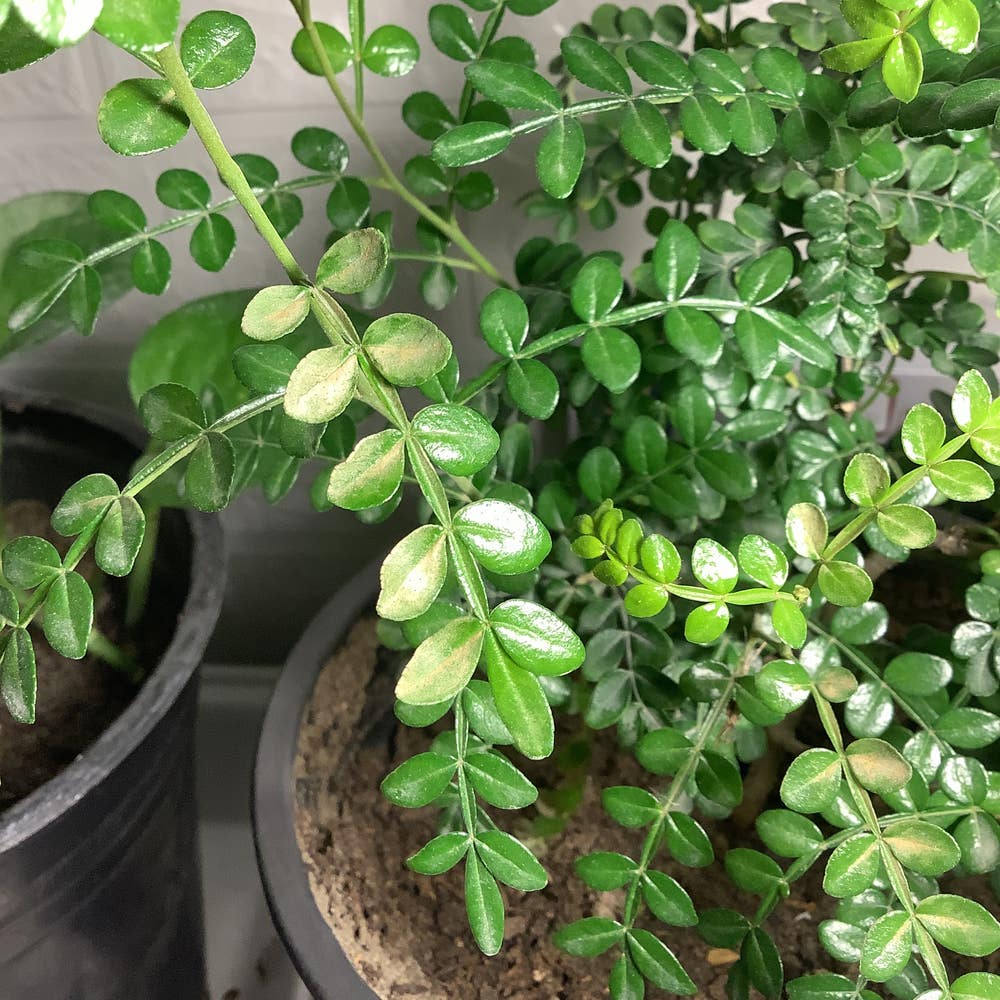
🌵 Introduction to Zanthoxylum fagara subsp. aguilarii
Zanthoxylum fagara subsp. aguilarii
By the Greg Editorial Team
Feb 25, 2025•11 min read
This article was created with the help of AI so we can cover more plants for you. May contain errors. See one? Report it here.
Discover the versatile Zanthoxylum fagara 🌿, a resilient plant that enhances your garden with culinary, medicinal, and ecological benefits!
- 🌞 Zanthoxylum fagara needs 6+ hours of sunlight for optimal growth and health.
- 🌱 Proper soil pH (6.0-7.5) and drainage prevent root rot and promote stability.
- 🐛 Monitor for pests like spider mites; early action ensures plant vitality.
How to Grow
Choosing a Location 🌞
When selecting a spot for Zanthoxylum fagara subsp. aguilarii, consider its sunlight needs. It thrives in full sun to partial shade, so find a place that offers at least six hours of sunlight daily.
Space is also crucial. Ensure there's enough room for the plant's mature spread and good air circulation to prevent disease.
Soil Preparation 🏞️
Next, focus on soil preparation. The ideal pH for this plant ranges from 6.0 to 7.5, which supports healthy growth.
Additionally, well-draining soil is essential to prevent root rot. Avoid heavy clay soils that retain too much moisture.
Planting Techniques 🌱
When planting, depth matters. Aim to plant the root ball 2-3 times its size to encourage strong root development.
For spacing, position your plants 3-6 meters apart. This distance allows for optimal growth and airflow between plants.
Watering Requirements 🚰
Watering is vital for your plant's health. Water deeply once a week, adjusting based on rainfall to keep the soil consistently moist but not soggy.
Using drip irrigation is preferred. This method minimizes leaf wetness, reducing the risk of fungal diseases.
Fertilizing Schedule 🍽️
A balanced NPK fertilizer (10-10-10) works wonders for Zanthoxylum fagara. Fertilize every 4-6 weeks during the growing season to provide essential nutrients.
Timing your fertilization is key. Apply it when the plant is actively growing for the best results.
Pruning Practices ✂️
Pruning is an important part of ongoing care. The best time to prune is late winter or early spring, just before new growth begins.
When pruning, focus on removing dead or crossing branches. This practice improves airflow and encourages healthy growth.
Ongoing Care 🔍
Regular monitoring of your plant's health is essential. Check for pests and diseases frequently to catch any issues early.
As the seasons change, adjust your watering and fertilizing routines. Tailoring care based on growth stages ensures your plant remains vibrant and healthy.
With these guidelines, you’re well on your way to successfully growing Zanthoxylum fagara subsp. aguilarii. Next, let’s explore how to propagate this resilient plant.
Propagation
🌱 Seed Propagation
To start growing Zanthoxylum fagara subsp. aguilarii from seeds, begin by soaking them in water for 24 hours. This simple step kickstarts the germination process, which thrives in a warm, moist environment for about 2 to 4 weeks.
✂️ Cutting Propagation
Another effective method is cutting propagation. For this, take 4 to 6-inch cuttings from healthy stems, ideally during late spring or early summer when the plant is actively growing.
This approach not only helps you expand your garden but also allows you to share this unique plant with friends. Whether you choose seeds or cuttings, both methods can lead to successful growth and a thriving Zanthoxylum fagara subsp. aguilarii in your garden.
Next, let’s explore the lifecycle of this fascinating plant and understand its growth stages.
Lifecycle
Stages of Growth 🌱
The lifecycle of Zanthoxylum fagara subsp. aguilarii unfolds in distinct stages: seed, seedling, vegetative growth, flowering, and seed production. Each phase is crucial for the plant's development and overall health.
Germination Process 🌼
Germination typically takes 2-4 weeks under optimal conditions. Providing warmth and moisture during this time is essential for successful sprouting.
Lifespan and Maturity ⏳
In ideal conditions, this plant can live between 10 to 20 years. It usually takes about 3 to 5 years to reach full maturity, showcasing its robust growth potential.
This lifecycle overview highlights the resilience and adaptability of Zanthoxylum fagara subsp. aguilarii. Understanding these stages can help you nurture this plant effectively, ensuring it thrives in your garden. Next, let's explore how to propagate this remarkable species.
Size
Mature Dimensions 🌳
Zanthoxylum fagara subsp. aguilarii can reach impressive heights of 3 to 6 meters (10 to 20 feet). Its spread typically ranges from 2 to 4 meters (6 to 13 feet), making it a substantial presence in any garden.
Growth Rate 🚀
Under ideal conditions, this plant exhibits a moderate to fast growth rate. With the right care, you can witness its rapid development, adding vibrancy to your landscape.
Size Variability 📏
Keep in mind that size can vary significantly based on environmental factors. Poor soil quality or inadequate light can lead to a decrease in growth, so ensure your plant receives optimal conditions for the best results.
As you consider the size of Zanthoxylum fagara, remember that proper care and attention can help it thrive, enhancing your garden's beauty. Next, let's explore the fascinating root system of this resilient plant.
Roots
Root System Characteristics 🌱
Zanthoxylum fagara subsp. aguilarii features a fibrous root system that is essential for its stability and nutrient uptake. Typically, these roots extend 30-60 cm deep, allowing the plant to access moisture and nutrients efficiently.
Common Root-Related Issues ⚠️
One common issue is root rot, which occurs due to overwatering. Symptoms include wilting leaves and a general decline in plant health.
Another problem is being rootbound, where roots circle tightly within the pot. Signs of this include stunted growth and roots visibly emerging from drainage holes.
Visual Cues for Healthy vs. Unhealthy Roots 👀
Healthy roots are firm, white, and spread out, indicating a robust plant. In contrast, unhealthy roots appear dark, mushy, or may emit a foul smell, signaling potential problems that need addressing.
Understanding these root characteristics and issues can significantly enhance your gardening success. By monitoring root health, you can ensure your Zanthoxylum fagara thrives beautifully.
Next, let’s explore the benefits of this remarkable plant, from culinary uses to its environmental impact.
Benefits
🍽️ Culinary Uses
Zanthoxylum fagara subsp. aguilarii boasts spicy, aromatic leaves that elevate traditional dishes. These flavorful leaves can add a unique kick to your culinary creations.
💊 Medicinal Properties
This plant is not just a treat for the taste buds; it also serves as an anti-inflammatory and digestive aid in herbal medicine. Its natural properties make it a valuable addition to holistic health practices.
🌺 Aesthetic Appeal
With its attractive foliage and vibrant flowers, Zanthoxylum fagara enhances any garden design. Its visual appeal makes it a favorite among gardeners looking to create a stunning landscape.
🌍 Environmental Benefits
The flowers of this plant are a magnet for pollinators, drawing in bees and butterflies. By planting it, you contribute to a healthier ecosystem and support local wildlife.
🏺 Cultural Significance
In many cultures, Zanthoxylum fagara symbolizes resilience and adaptability. Its presence in gardens reflects a connection to nature and the enduring spirit of the communities that cherish it.
This multifaceted plant not only enriches our plates and gardens but also plays a vital role in our ecosystems and cultural narratives. Next, let’s explore the fascinating world of companion plants that thrive alongside Zanthoxylum fagara.
Companion Plants
🌱 Companion Planting Benefits
Companion planting is a fantastic way to enhance your garden's overall health. It promotes growth, improves pest management, and adds diversity to your planting scheme.
🤝 Recommended Companions
When growing Zanthoxylum fagara subsp. aguilarii, consider pairing it with basil, marigolds, and other aromatic herbs. These companions not only thrive together but also help deter pests and attract beneficial insects.
🚫 Plants to Avoid
Be cautious with heavy feeders like corn. These plants compete for nutrients and can hinder the growth of your Zanthoxylum, leading to less vigorous plants.
By choosing the right companions, you can create a thriving ecosystem in your garden. This thoughtful approach not only supports your Zanthoxylum but also enhances the beauty and productivity of your entire garden space.
Toxicity to Humans
Safety Profile 🛡️
Zanthoxylum fagara subsp. aguilarii is not listed as toxic, making it safe for handling and consumption in small amounts. This means you can enjoy its culinary uses without worrying about harmful effects.
Minor Issues ⚠️
While generally safe, some individuals may experience mild skin irritation or digestive discomfort after consumption. It's always wise to be cautious and observe how your body reacts.
Recommendations 📋
If you notice any unusual symptoms after handling or consuming this plant, seek medical advice promptly. Staying informed and cautious can help ensure a positive experience with this unique species.
As we explore further, let’s dive into the toxicity of Zanthoxylum fagara subsp. aguilarii for our furry friends.
Toxicity to Dogs
Safety Profile 🐶
Zanthoxylum fagara subsp. aguilarii is not listed as toxic to dogs, making it a safe addition to your garden. Veterinary sources confirm that this plant poses no significant risk to your furry friends.
Minor Issues 🚨
While generally safe, consuming large quantities may lead to mild gastrointestinal upset in dogs. It's always wise to monitor your pet's behavior after they've been around the plant.
Tips for Introducing 🌱
When introducing Zanthoxylum fagara to your garden, place it in areas that are out of reach of your dog. Keeping an eye on their behavior around the plant will help ensure a safe and enjoyable environment for both your pet and your garden.
As you explore the benefits of this plant, remember to consider its impact on other pets as well. Let's dive into how it affects cats next!
Toxicity to Cats
Safety Profile 🐱
Zanthoxylum fagara subsp. aguilarii is not listed as toxic to cats, making it a safe addition to your home or garden. This means you can enjoy its beauty without worrying about your feline friends.
Minor Issues 🚨
While generally safe, consuming large quantities may lead to mild gastrointestinal upset in cats. It's always best to keep an eye on your pet's behavior after exposure.
Tips for Introducing 🌱
When introducing this plant, monitor your cat's behavior closely. It's wise to place the plant out of reach to prevent any potential nibbling.
Problems
Common Problems 🌱
Growing Zanthoxylum fagara subsp. aguilarii can come with its challenges. Two of the most common issues are overwatering and light deficiencies.
Symptoms and Causes 🧐
Overwatering is often indicated by yellowing leaves and wilting. This occurs because the roots become mushy and may eventually rot, leading to serious health issues for the plant.
Inadequate light can also cause problems. When the plant doesn't receive enough sunlight, it may exhibit leggy growth, and leaves might scorch or drop off.
Solutions 💪
To combat overwatering, allow the soil to dry out before watering again. This simple adjustment can help restore your plant's health.
For light issues, consider moving your Zanthoxylum to a brighter location or adjusting its light exposure. Ensuring it receives adequate sunlight will promote robust growth and vitality.
By addressing these common problems proactively, you can enjoy a thriving Zanthoxylum fagara subsp. aguilarii in your garden. Next, let's explore the pests that may threaten its health.
Bugs
Common Pests 🐜
Zanthoxylum fagara subsp. aguilarii can attract a few pesky bugs. The most common culprits are spider mites and scale insects.
Spider mites leave behind fine webbing and cause stippled leaves. Scale insects, on the other hand, create a sticky residue and can lead to yellowing leaves.
Identification and Damage 🔍
Identifying these pests early can save your plant from serious damage. Spider mites cause leaf discoloration and can lead to leaf drop if not addressed.
Scale insects weaken the plant, resulting in stunted growth. Their presence can be spotted through the sticky residue they leave behind.
Treatment Options 🧴
Dealing with spider mites? Increase humidity around the plant and apply insecticidal soap to eliminate them effectively.
For scale insects, manual removal is often the best approach. You can also use horticultural oil to help control their population.
By keeping an eye on these pests, you can ensure your Zanthoxylum fagara subsp. aguilarii remains healthy and vibrant. Next, let’s explore what animals might be interested in munching on your plant.
What Eats
🦌 Common Animals
Zanthoxylum fagara subsp. aguilarii can attract a few hungry visitors. Deer are notorious for munching on its leaves, leaving behind chewed remnants and broken branches.
Rabbits also find this plant appealing, often resulting in clipped stems and missing foliage. Keeping an eye out for these signs can help you protect your plant.
👣 Signs of Presence
To identify deer, look for tracks and droppings near your Zanthoxylum. These signs indicate that they’ve been enjoying a snack.
Rabbits leave behind nibbled edges on leaves, which can be a clear indicator of their presence. Being vigilant about these signs can help you take action before significant damage occurs.
🚫 Deterrent Methods
To keep these animals at bay, consider using commercial repellents. These products can effectively deter deer and rabbits from feasting on your plants.
For a more organic approach, try planting garlic around your Zanthoxylum. Physical barriers like fencing can also provide a protective shield against these hungry critters.
By employing these methods, you can enjoy your plant without the worry of unwanted visitors.
⚠️ Safety First
This content is for general information and may contain errors, omissions, or outdated details. It is not medical, veterinary advice, or an endorsement of therapeutic claims.
Always consult a qualified healthcare professional before using any plant as food, medicine, or supplement.
Never eat any plant (or feed one to pets) without confirming its identity with at least two trusted sources.
If you suspect poisoning, call Poison Control (800) 222-1222, the Pet Poison Helpline (800) 213-6680, or your local emergency service immediately.
Spotted an error? Please report it here.
Cultivate a thriving Zanthoxylum fagara 🌱 with Greg's tailored watering reminders and pest alerts, ensuring your plant flourishes while you enjoy its culinary and medicinal perks!