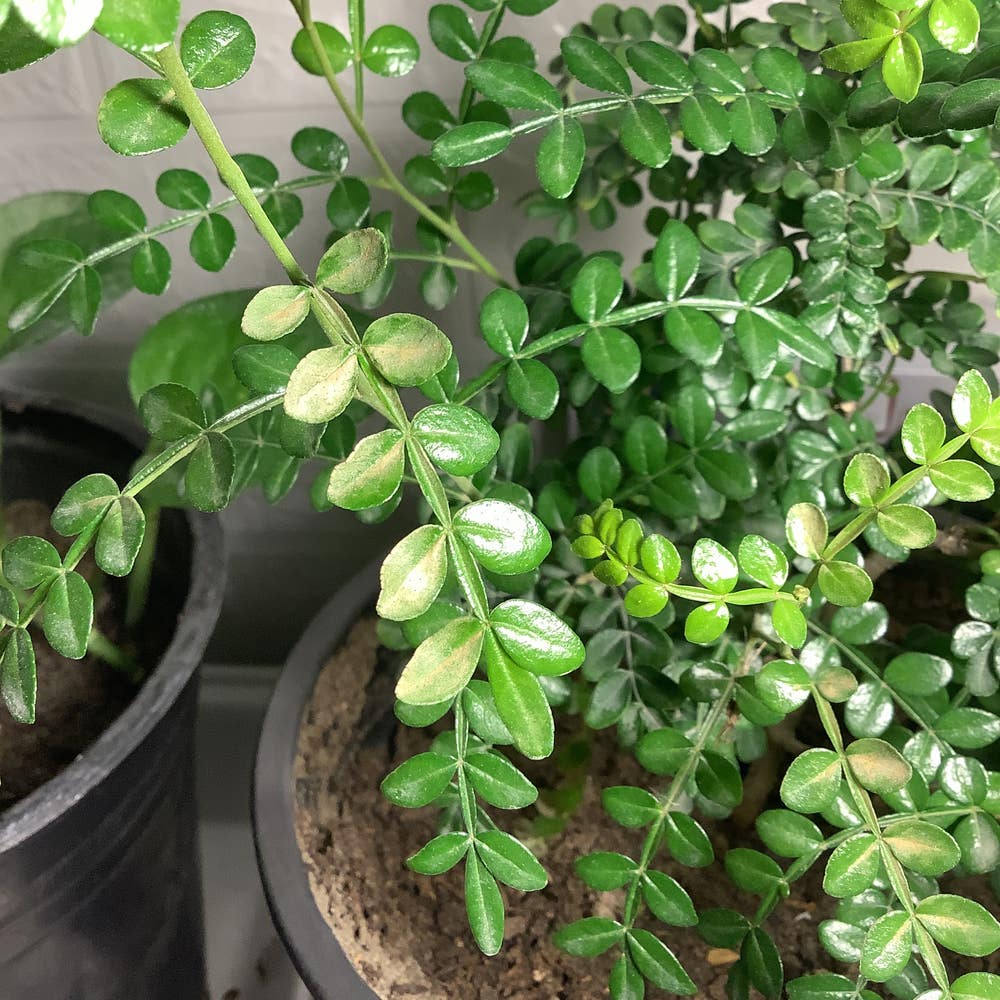
🔍 Zanthoxylum aff. yuanjiangense Explained: Key Information
Zanthoxylum aff. yuanjiangense
By the Greg Editorial Team
Feb 18, 2025•11 min read
This article was created with the help of AI so we can cover more plants for you. May contain errors. See one? Report it here.
- 🌱 Zanthoxylum aff. yuanjiangense thrives in subtropical climates; protect from frost for best growth.
- 🌿 Well-draining, loamy soil with pH 6.0-7.0 is essential for optimal health.
- 🌼 Regular watering and pruning promote robust growth and prevent common issues.
How to Grow
Choosing the Right Location 🌍
To successfully grow Zanthoxylum aff. yuanjiangense, start by selecting an ideal location. This plant thrives in subtropical conditions and needs protection from frost.
Sunlight is crucial; aim for full sun to partial shade to ensure healthy growth.
Soil Preparation and Requirements 🏞️
Next, focus on soil preparation. Zanthoxylum aff. yuanjiangense prefers well-draining, loamy soil that is rich in organic matter.
The ideal soil pH ranges from slightly acidic to neutral, specifically between 6.0 and 7.0.
Planting Techniques and Spacing 🌱
When it comes to planting, depth matters. Plant the root ball 1-2 inches deeper than its original position to promote stability.
For optimal growth, space your plants 3-5 feet apart. This allows for adequate air circulation and room to grow.
Watering Needs and Schedules 💧
Watering is essential for maintaining plant health. Regular watering during dry spells is necessary, but be cautious to avoid waterlogging.
Watch for signs of overwatering, such as yellowing leaves, and underwatering, which may cause wilting.
Fertilizing Recommendations 🌿
Fertilization helps your plant thrive. Use a balanced fertilizer every 4-6 weeks during the growing season to support robust growth.
Consider organic options like compost or well-rotted manure for a natural boost.
Pruning Methods and Timing ✂️
Pruning is vital for shape and health. Aim to prune in early spring, just before new growth begins.
Remove any dead or damaged branches to encourage a healthier plant structure.
Ongoing Care for Healthy Growth 🌼
Ongoing care is key to a thriving Zanthoxylum aff. yuanjiangense. Mulching helps retain moisture and suppress weeds, creating a better environment for growth.
Additionally, regularly monitor for pests and diseases to catch any issues early.
With these guidelines, you'll be well on your way to cultivating a healthy and vibrant plant. Next, let's explore propagation methods to expand your garden!
Propagation
🌱 Seed Propagation Steps
Propagation of Zanthoxylum aff. yuanjiangense can begin with seeds. Start by collecting seeds from mature fruits, ensuring they are ripe for the best germination rates.
Next, soak the seeds in water for 24 hours before planting. This step helps to soften the seed coat and promotes quicker germination. Finally, plant the seeds about 1/4 inch deep in a seed-starting mix, ensuring they have adequate moisture to thrive.
✂️ Cutting Propagation Techniques
Another effective method is through cuttings. Select healthy, semi-hardwood cuttings that are 4-6 inches long for the best results.
After selecting your cuttings, dip the cut ends in rooting hormone to encourage root development. Plant the cuttings in a well-draining medium and maintain humidity to create an ideal environment for rooting.
🌿 Layering Methods
Layering is a more advanced propagation technique that can yield great results. Start by choosing a low-growing branch and make a small cut to stimulate root growth.
Bury the cut section in soil while leaving the tip exposed. With patience, roots will develop in 6-12 months, allowing you to transplant the new plant successfully.
This variety of propagation methods allows you to choose the one that best fits your gardening style and resources. Whether you prefer seeds, cuttings, or layering, each method offers a unique way to expand your Zanthoxylum aff. yuanjiangense collection.
Next, let’s explore the lifecycle of this fascinating plant and understand its growth stages.
Lifecycle
Lifecycle Stages 🌱
The lifecycle of Zanthoxylum aff. yuanjiangense begins with germination, which takes about 2-4 weeks after planting seeds. Following this, the seedling stage sees the development of true leaves, marking the plant's transition into its early growth phase.
Vegetative Growth 🌿
During the vegetative growth phase, the plant experiences rapid growth that lasts several months. This is a crucial time for establishing a strong foundation before it moves on to flowering.
Flowering and Seed Production 🌸
Flowering typically occurs in late spring to early summer, showcasing the plant's vibrant blooms. After flowering, fruits develop, completing the lifecycle and setting the stage for the next generation.
Lifespan and Growth Timeline ⏳
Under optimal conditions, Zanthoxylum aff. yuanjiangense has an overall lifespan of 10-15 years. It generally takes about 3-5 years to reach maturity, allowing gardeners to enjoy its benefits for many seasons.
Growth Rate 📏
The average growth rate of this plant is moderate, averaging about 1-2 feet per year. Full size is typically achieved within 3-5 years, making it a rewarding addition to any garden.
This lifecycle overview highlights the resilience and adaptability of Zanthoxylum aff. yuanjiangense, setting the stage for understanding its care and cultivation. Next, we’ll explore how to propagate this fascinating plant effectively.
Size
Mature Height and Spread 🌳
Zanthoxylum aff. yuanjiangense can reach a mature height of 6 to 12 feet, making it a versatile choice for various garden spaces. Its spread typically ranges from 4 to 8 feet, allowing for ample room to flourish.
Growth Rate and Factors Affecting Size 📈
The growth rate of this plant is influenced by several factors, including soil quality, water availability, and sunlight exposure. Optimal conditions can lead to a moderate growth rate, helping it achieve its full size within a few years.
Size Variability 📏
Size variability is common, particularly when comparing container-grown plants to those planted directly in the ground. Additionally, regional climate differences can further affect the overall size and growth habits of Zanthoxylum aff. yuanjiangense, making it adaptable to various environments.
As you consider adding this plant to your garden, keep in mind its size and growth potential. Understanding these factors will help you create a thriving space that showcases its unique characteristics.
Benefits
Top 5 Benefits 🌿
Zanthoxylum aff. yuanjiangense offers a variety of advantages that make it a valuable addition to any garden.
- Aromatic Leaves: The leaves are not just for show; they enhance culinary dishes with their unique flavor.
- Traditional Medicinal Uses: This plant has a history of aiding digestive health in traditional medicine.
- Attractive Ornamental Plant: Its lush foliage and structure make it a beautiful choice for landscaping.
- Pest-Repellent Properties: It naturally deters pests, reducing the need for chemical interventions.
- Contributes to Garden Biodiversity: By planting this species, you support a diverse ecosystem in your garden.
Cultural Significance 🎭
Beyond its practical benefits, Zanthoxylum aff. yuanjiangense holds cultural significance. It symbolizes resilience and adaptability, reflecting the values of traditional practices.
Incorporating this plant into your garden not only enhances its beauty but also connects you to a rich heritage. As you cultivate it, you participate in a legacy that celebrates nature's gifts and the wisdom of those who came before us.
Companion Plants
🌱 Companion Planting Benefits
Companion planting is a fantastic strategy that boosts growth, enhances pest management, and increases garden diversity. By pairing plants that support each other, you create a thriving ecosystem in your garden.
🌿 Compatible Companion Plants
When it comes to Zanthoxylum aff. yuanjiangense, consider planting it alongside basil, marigolds, and other aromatic herbs. These companions share similar care needs and can help repel pests, making your garden healthier and more productive.
🚫 Plants to Avoid
While some plants thrive together, others can compete for nutrients. Avoid heavy feeders that may drain resources from your Zanthoxylum, ensuring it gets the nutrients it needs to flourish.
By carefully selecting companion plants, you can create a vibrant garden that supports the growth of Zanthoxylum aff. yuanjiangense while minimizing pest issues. This thoughtful approach not only enhances your garden's health but also makes it a more enjoyable space to cultivate.
Ready to dive deeper into the next section? Let's explore the fascinating world of toxicity and safety regarding Zanthoxylum aff. yuanjiangense!
Toxicity to Humans
Zanthoxylum aff. yuanjiangense is generally considered safe, as it is not listed as toxic by major poison control centers. However, it’s wise to be cautious; excessive contact or ingestion may lead to mild skin irritation or digestive discomfort.
If you experience any unusual symptoms after handling or consuming parts of the plant, seek medical advice promptly. Staying informed and cautious ensures a safe and enjoyable gardening experience.
Edible
Edible Parts 🍃
Zanthoxylum aff. yuanjiangense offers delicious edible parts, primarily its leaves and young shoots. These components can add a unique flavor to various dishes.
Harvesting and Preparation 🍽️
To enjoy these culinary delights, harvest the young leaves. Be sure to wash them thoroughly before use to ensure cleanliness and safety.
Nutritional Value 🥗
These leaves are not just tasty; they are also rich in antioxidants. Incorporating them into your diet may aid digestion and contribute to overall health.
Cultural Uses 🌍
In many cultures, Zanthoxylum aff. yuanjiangense is celebrated for its role in traditional dishes and herbal remedies. Its culinary uses reflect a deep connection to local practices and flavors.
As you explore the edible aspects of this plant, consider how it can enhance your meals while also connecting you to cultural traditions. Next, let’s delve into its toxicity to pets, ensuring a safe gardening experience.
Toxicity to Dogs
Zanthoxylum aff. yuanjiangense is generally safe for dogs, as it is not listed as toxic by major poison control centers.
However, if your furry friend consumes too much of the plant, they may experience mild gastrointestinal upset.
🐶 Monitoring Your Dog
It's always a good idea to keep an eye on your dog's behavior around this plant.
If you notice any unusual symptoms, such as vomiting or diarrhea, consult your veterinarian for advice.
🚫 Keeping Plants Out of Reach
To prevent any potential issues, consider placing Zanthoxylum aff. yuanjiangense out of your dog's reach.
This simple precaution can help ensure your pet stays safe while you enjoy the beauty of this unique plant.
As we move forward, let’s explore how Zanthoxylum aff. yuanjiangense interacts with our feline friends.
Toxicity to Cats
Zanthoxylum aff. yuanjiangense is not considered toxic to cats, which is great news for pet owners who love to garden. However, if your feline friend indulges a bit too much, you might notice mild gastrointestinal upset.
It's always wise to keep an eye on your cat's behavior around plants. If they show signs of discomfort, it’s best to place the plant out of reach to prevent any potential issues.
By being proactive, you can enjoy the beauty of Zanthoxylum aff. yuanjiangense while ensuring your furry companions stay safe and healthy.
Problems
Common Problems 🌱
Growing Zanthoxylum aff. yuanjiangense can be rewarding, but it's not without its challenges. Understanding these common problems will help you keep your plant thriving.
Incorrect Watering 🚰
Watering issues are the most frequent culprits. Overwatering leads to yellowing leaves, while underwatering results in wilting.
Light Conditions ☀️
Light plays a crucial role in plant health. Insufficient light can cause leggy growth, whereas too much light may scorch the leaves.
Diseases 🦠
Fungal diseases, such as powdery mildew, can also affect your plant. Treat these issues promptly with appropriate fungicides to prevent further damage.
Root Problems 🌿
Root rot is another concern, often stemming from poor drainage. Ensure your soil conditions are optimal to promote healthy root growth and prevent this issue.
By being aware of these potential problems, you can take proactive steps to ensure your Zanthoxylum aff. yuanjiangense remains healthy and vibrant. Next, let's explore how to effectively manage pests that may threaten your plant's well-being.
Bugs
🐛 Potential Pest Issues
Zanthoxylum aff. yuanjiangense is generally known for its moderate pest resistance. However, it can still attract certain pests that may pose a threat to its health.
🕷️ Identification and Treatment
Spider Mites
These tiny pests leave fine webbing on leaves, indicating their presence. To combat spider mites, treat the affected areas with insecticidal soap, which is effective and easy to apply.
Mealybugs
Look for cotton-like masses on stems, a telltale sign of mealybugs. You can remove them by hand or use neem oil for a more thorough treatment.
Keeping an eye on your plant and acting quickly can help maintain its health and vitality. Regular monitoring is key to preventing pest infestations and ensuring your Zanthoxylum thrives.
What Eats
Common Animals 🦌
Zanthoxylum aff. yuanjiangense can attract a variety of hungry critters. Deer, rabbits, and rodents are known to nibble on its leaves and stems, potentially causing damage to your plant.
Signs of Damage 🐾
Keep an eye out for signs of animal activity. Chewed leaves and droppings near the plant are clear indicators that your Zanthoxylum is being targeted by local wildlife.
Deterrent Methods 🚫
To protect your plant, consider implementing a few deterrent strategies. Fencing around the garden, using repellents, and practicing companion planting can help keep these munching marauders at bay.
By taking these precautions, you can enjoy the beauty and benefits of Zanthoxylum aff. yuanjiangense without the worry of it becoming a snack for local animals.
⚠️ Safety First
This content is for general information and may contain errors, omissions, or outdated details. It is not medical, veterinary advice, or an endorsement of therapeutic claims.
Always consult a qualified healthcare professional before using any plant as food, medicine, or supplement.
Never eat any plant (or feed one to pets) without confirming its identity with at least two trusted sources.
If you suspect poisoning, call Poison Control (800) 222-1222, the Pet Poison Helpline (800) 213-6680, or your local emergency service immediately.
Spotted an error? Please report it here.
Nurture your Zanthoxylum aff. yuanjiangense to thriving heights 🌱 with Greg's custom watering alerts and expert care tips tailored just for your plant's needs!