🌻 Yellow-Flowered Rebutia Explained: Key Information
Rebutia xanthocarpa var. luteirosea
By the Greg Editorial Team
Feb 18, 2025•11 min read
This article was created with the help of AI so we can cover more plants for you. May contain errors. See one? Report it here.
- 🌞 Yellow-Flowered Rebutia thrives in full sun and prefers temperatures between 20°C to 30°C.
- 🌱 Use well-draining soil with a pH of 6.0 to 7.0 for optimal growth.
- 💧 Water only when soil is dry to prevent root rot and ensure healthy growth.
How to Grow
Choosing a Location 🌞
To thrive, Yellow-Flowered Rebutia needs full sun to partial shade. Aim for warm conditions, ideally between 20°C to 30°C (68°F to 86°F), to keep your plant happy and healthy.
Soil Preparation 🌱
For optimal growth, use a well-draining cactus mix or sandy loam. The ideal pH level is slightly acidic to neutral, ranging from 6.0 to 7.0.
Planting Techniques 🌍
When planting, consider whether to use a container or plant directly in the ground, keeping drainage and space in mind. Ensure the crown of the plant is above soil level to promote healthy growth.
Watering Requirements 💧
Allow the soil to dry out completely between waterings to prevent root rot. Watch for signs of overwatering, such as yellowing or mushy stems, which indicate your plant is unhappy.
Fertilizing Schedule 🌼
Use a balanced, diluted cactus fertilizer to nourish your plant. Fertilize every 4-6 weeks during the growing season for the best results.
Pruning Methods ✂️
Prune your Rebutia after flowering to encourage new growth. Focus on removing any dead or damaged stems to keep the plant looking its best.
Ongoing Care Tips 🔍
Regularly monitor your plant for pests and diseases to catch any issues early. Adjust your care routine seasonally to accommodate changes in temperature and light.
With these tips, you'll be well on your way to cultivating a vibrant Yellow-Flowered Rebutia that adds beauty to your space. Next, let's explore how to propagate this stunning plant for even more blooms!
Propagation
🌱 Seed Propagation
To propagate Yellow-Flowered Rebutia from seeds, start by sourcing them from reputable suppliers or collecting them from mature plants. Ensure you create a warm, humid environment with indirect light for optimal germination, which typically takes a few weeks.
✂️ Offsets and Cuttings
Another effective method is through offsets and cuttings. Look for small pups at the base of the plant; these are your offsets. When taking cuttings, always use clean, sharp tools to prevent infection and ensure the best chance of successful growth.
With these propagation techniques, you can expand your collection of these vibrant cacti and share them with fellow plant enthusiasts. Next, let’s explore the lifecycle of the Yellow-Flowered Rebutia to understand its growth stages better.
Lifecycle
Lifecycle Stages 🌱
The Yellow-Flowered Rebutia is a perennial plant, meaning it lives for multiple years. This longevity allows it to thrive and bloom season after season.
Germination Process 🌼
Under optimal conditions, germination takes about 2-3 weeks. Providing warmth and humidity will significantly enhance the chances of successful sprouting.
Seedling Development 🌿
Once germinated, the seedlings exhibit small, spiky growth. This unique appearance is a hallmark of the Rebutia as it begins its journey toward maturity.
Vegetative Growth 🌳
Initially, growth is slow, but under favorable conditions, it accelerates rapidly. This phase is crucial for establishing a strong foundation for future blooms.
Flowering and Seed Production 🌸
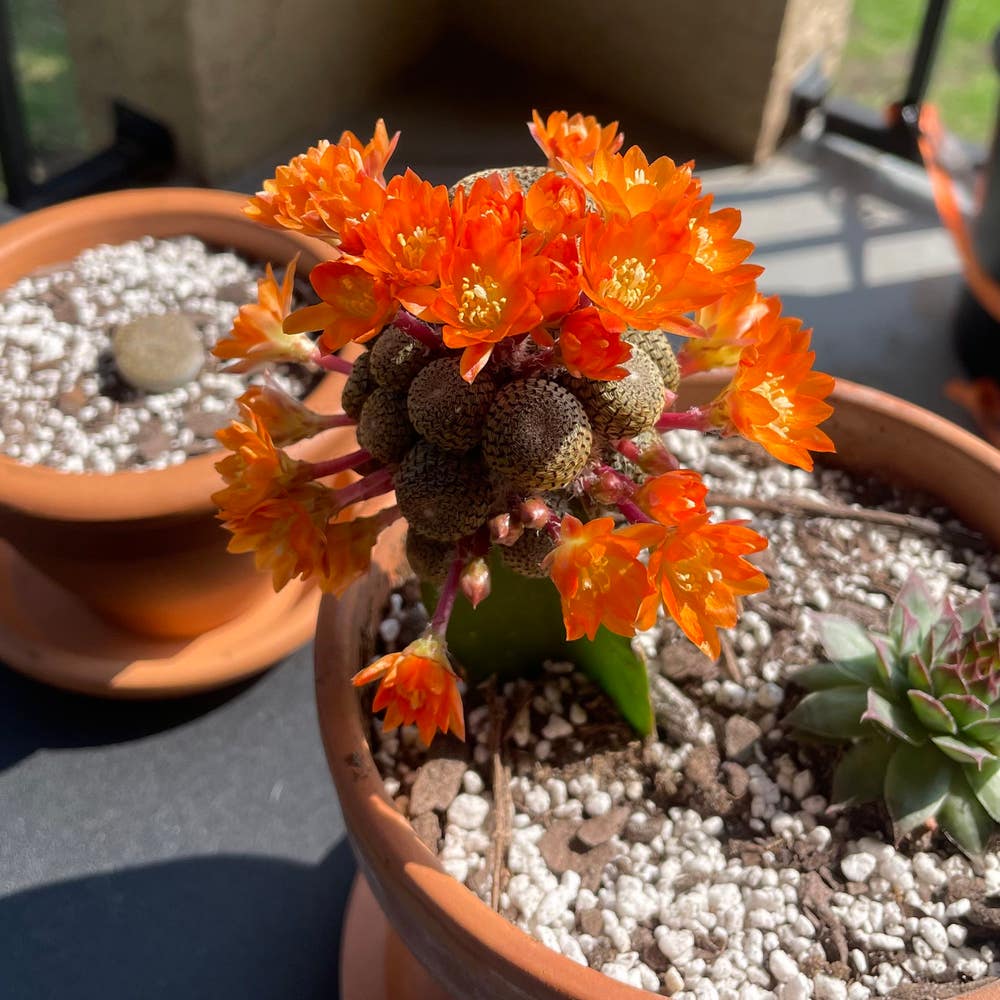
Spring is the flowering period, showcasing vibrant yellow blooms that are truly eye-catching. After successful pollination, the plant produces seeds, ensuring the continuation of its lifecycle.
Lifespan and Growth Rate ⏳
The average lifespan of a Yellow-Flowered Rebutia ranges from 10 to 20 years. With a moderate growth rate, it typically reaches maturity in about 2-3 years, rewarding patience with stunning flowers.
This lifecycle overview highlights the resilience and beauty of the Yellow-Flowered Rebutia, setting the stage for understanding its care and cultivation. Next, we will explore how to effectively propagate this remarkable plant.
Size
Mature Height and Spread 🌼
The Yellow-Flowered Rebutia typically reaches a height of 4 to 6 inches and can spread between 6 to 12 inches wide. This compact size makes it an excellent choice for small spaces or container gardening.
Growth Rate and Size Variability 📈
Several factors influence the size of your Rebutia, including light, water, and soil quality. Providing optimal conditions can lead to impressive growth, while neglect may stunt its development.
Factors Affecting Size 🌍
Environmental conditions play a crucial role in the plant's growth. Temperature and humidity levels can significantly impact how well your Rebutia thrives, so keep an eye on these elements for the best results.
In summary, understanding the size and growth factors of the Yellow-Flowered Rebutia can help you create the perfect environment for this charming cactus. Next, let’s explore its root system characteristics and how they contribute to its overall health.
Roots
🌱 Root System Characteristics
The Yellow-Flowered Rebutia features a fibrous root system. This structure is essential for stability and nutrient absorption.
📏 Depth and Spread
Typically, the roots extend 6-12 inches deep. They also spread laterally, which helps support the plant's overall stability.
⚠️ Common Root Issues
One of the most common problems is root rot, often caused by overwatering and poor drainage. This can lead to serious health issues for your plant.
🔍 Identifying Healthy vs. Unhealthy Roots
Healthy roots are firm, white, and well-formed. In contrast, unhealthy roots appear brown, mushy, or may even emit a foul smell.
🪴 Managing Rootbound Conditions
If you notice roots growing out of the drainage holes, your plant may be rootbound. The solution is simple: repot it into a larger container to give those roots room to thrive.
Understanding the root system of your Yellow-Flowered Rebutia is crucial for its health. Proper care will ensure your plant flourishes beautifully.
Next, let’s explore the benefits of having this stunning plant in your collection.
Benefits
Aesthetic Appeal 🌼
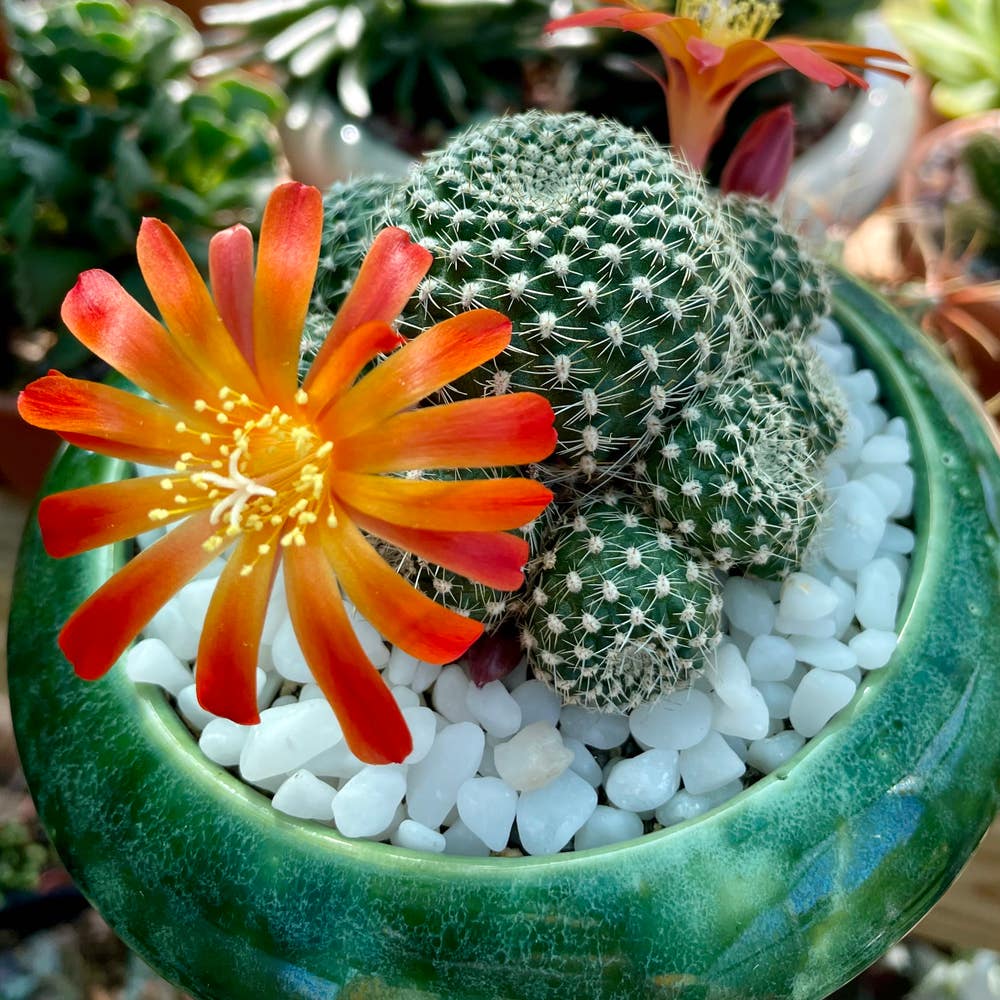
The Yellow-Flowered Rebutia is a showstopper in any garden or indoor space. Its bright yellow flowers bring a burst of color that can uplift any environment.
Low Maintenance 🧘♀️
One of the best features of this plant is its low maintenance needs. It thrives with minimal care, making it perfect for both novice and busy gardeners.
Air Purification 🌬️
Beyond beauty, this cactus contributes to improved air quality. It helps filter indoor air, making your living space healthier.
Symbolism and Cultural Significance 🌍
In various cultures, the Yellow-Flowered Rebutia symbolizes resilience and adaptability. Its ability to flourish in tough conditions resonates with many, making it a meaningful addition to any collection.
Unique Characteristics 🌟
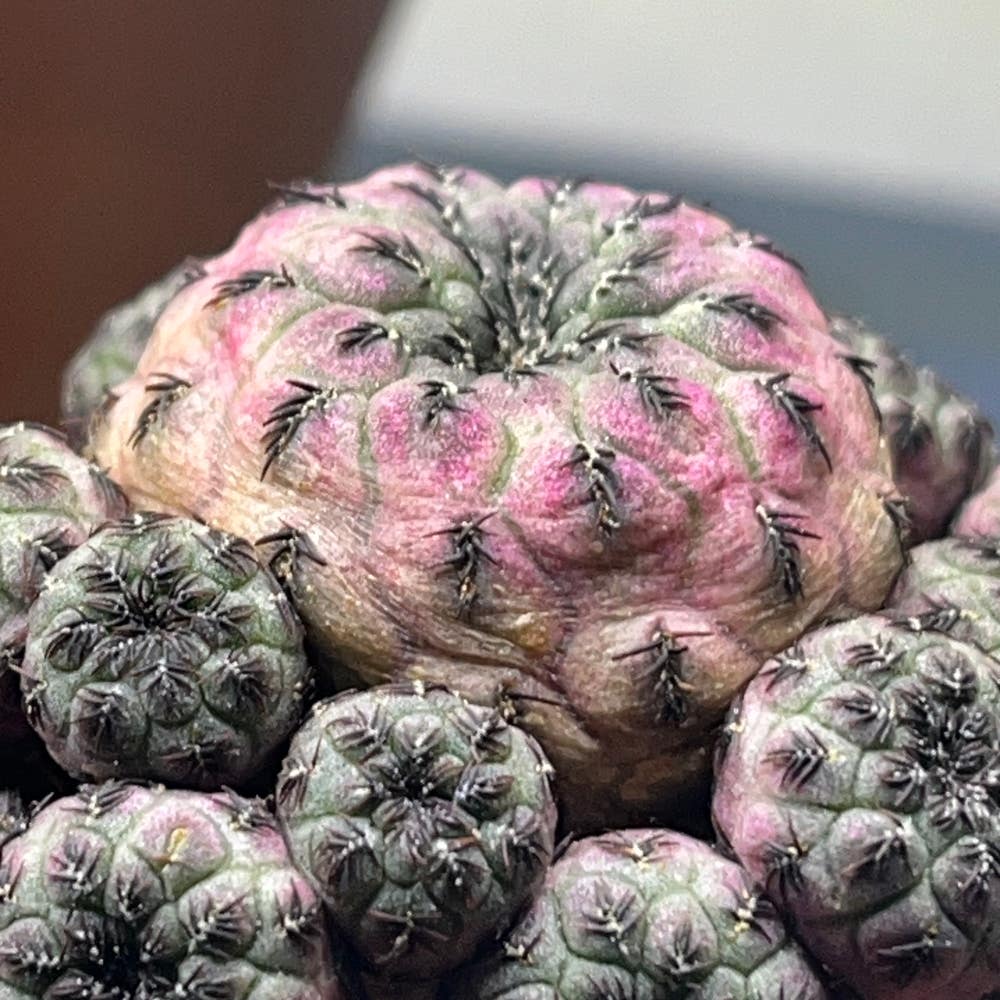
This plant boasts a distinctive globular shape that adds visual interest. Coupled with its vibrant blooms, it stands out as a unique specimen in both gardens and homes.
The benefits of the Yellow-Flowered Rebutia extend beyond its appearance. Its resilience and low maintenance make it a fantastic choice for anyone looking to enhance their space with a touch of nature.
Companion Plants
🌱 Concept of Companion Planting
Companion planting is all about creating a harmonious garden environment. By pairing plants that support each other, you can enhance garden diversity and improve pest management.
🌼 Best Companion Plants
When it comes to Yellow-Flowered Rebutia, consider these suitable companions:
- Other Cacti: They thrive in similar conditions and create a stunning visual display.
- Succulents: These drought-tolerant plants share water needs and can add variety to your garden.
- Drought-Tolerant Plants: They complement the Rebutia's low water requirements, ensuring a balanced ecosystem.
🚫 Plants to Avoid
It's crucial to steer clear of plants that demand high moisture or heavy shade. These conditions can lead to competition for resources, ultimately harming your Rebutia's growth and health.
By choosing the right companions, you can create a thriving garden that showcases the beauty of your Yellow-Flowered Rebutia while promoting a healthy growing environment. This thoughtful approach not only enhances aesthetics but also fosters a resilient plant community.
As you consider your garden layout, keep in mind the benefits of companion planting. It’s a simple yet effective way to elevate your gardening experience.
Toxicity to Humans
Yellow-Flowered Rebutia is not listed as toxic by major poison control centers, making it a safe choice for most households. However, it's always wise to exercise caution with any plant.
Ingesting large quantities may lead to mild skin irritation or digestive discomfort. If you experience unusual symptoms, it's best to seek medical advice promptly.
While these cacti are generally harmless, maintaining awareness is key. Enjoy your gardening experience, but remember to handle all plants with care!
Toxicity to Dogs
When it comes to the Yellow-Flowered Rebutia, good news for dog owners: this plant is not listed as toxic by major pet poison control centers. Your furry friends can safely roam around it without the worry of severe health risks.
However, it's important to note that excessive consumption might lead to mild gastrointestinal upset. Keep an eye on your dog’s behavior and ensure they don’t munch on too much of the plant.
🐶 Tips for Safe Placement
To prevent any potential issues, consider placing your Rebutia in areas that are less accessible to your dog. Monitoring their behavior around the plant can also help you catch any unusual interest before it becomes a problem.
With a little care, you can enjoy the beauty of your Yellow-Flowered Rebutia while keeping your canine companion safe. Now, let’s explore how to manage common problems that might arise with this delightful plant.
Toxicity to Cats
Yellow-Flowered Rebutia is not listed as toxic by major pet poison control centers. This means you can enjoy its vibrant blooms without worrying about your feline friends.
However, there are potential minor issues to consider. If a cat consumes too much of the plant, it may experience mild gastrointestinal upset.
🐱 Tips for Cat Owners
To keep your cat safe, consider proper placement of your Rebutia. Position it in areas that are less accessible to your curious kitty.
Additionally, monitor your cat's behavior around the plant. If you notice any unusual symptoms, consult your veterinarian for advice.
As you nurture your Rebutia, remember that a little caution goes a long way in ensuring a harmonious home for both your plants and pets.
Next, let’s explore common problems that can affect your Yellow-Flowered Rebutia and how to tackle them effectively.
Problems
🌱 Common Issues
Growing Yellow-Flowered Rebutia can be rewarding, but it’s essential to be aware of common problems that may arise.
Incorrect Watering
One of the most frequent issues is incorrect watering. Overwatering can lead to yellowing or mushy stems, while underwatering may cause the plant to shrivel.
Incorrect Light Conditions
Light conditions also play a crucial role in the health of your Rebutia. If the plant is not receiving enough light, it may exhibit etiolation, resulting in elongated stems. Conversely, too much direct sunlight can cause leaf scorch, leading to unsightly brown patches.
Incorrect Temperature
Temperature fluctuations can stress your plant. If it’s too cold, you might notice wilting or stunted growth, signaling that your Rebutia prefers a warmer environment.
Diseases
Fungal diseases can be a significant threat. Powdery mildew and root rot are common culprits that can devastate your plant if not addressed promptly.
Leaf Issues
Lastly, keep an eye on the leaves. Yellowing or fuzzy growth can indicate underlying problems, such as nutrient deficiencies or pest infestations.
By staying vigilant and addressing these issues early, you can ensure your Yellow-Flowered Rebutia thrives beautifully. Next, let’s explore the pests that might invade your plant and how to manage them effectively.
Bugs
Common Pests 🐜
Yellow-Flowered Rebutia can attract a few pesky critters.
- Spider mites: Look for fine webbing and stippled leaves, which indicate these tiny arachnids are at work.
- Scale insects: These pests leave a sticky residue and cause yellowing leaves, making them easy to spot.
- Mealybugs: Identified by their white cotton-like masses on stems, mealybugs can quickly become a nuisance.
Identification and Damage 🔍
Recognizing the signs of infestation is crucial for maintaining your plant's health.
Visible pests and a decline in plant vigor are clear indicators that something is amiss. If you notice wilting or discoloration, it’s time to investigate further.
Treatment Options 💪
Dealing with pests doesn’t have to be a hassle.
Organic methods like neem oil and insecticidal soap are effective and safe for your plants. Regular monitoring and prompt action can keep your Rebutia thriving and pest-free.
By staying vigilant and proactive, you can enjoy the beauty of your yellow-flowered cactus without the worry of unwanted guests. Next, let’s explore what animals might be interested in snacking on your Rebutia.
What Eats
🦌 Common Animals
Yellow-flowered Rebutia can attract a variety of hungry critters.
- Deer: Look for signs of browsing on flowers and leaves.
- Rabbits: They often nibble on the lower parts of the plant.
- Squirrels: These little diggers may disturb the soil around the base.
👣 Signs of Animal Presence
Identifying animal visitors is crucial for protecting your plant.
Keep an eye out for tracks, droppings, and any damaged foliage. These signs can help you determine which animal is causing the trouble.
⚠️ Damage Caused
The impact of these animals can be significant.
You might notice a loss of flowers and stunted growth, which can be disheartening for any plant lover.
🚫 Deterrent Methods
Preventing animal damage is key to keeping your Rebutia thriving.
Consider these effective strategies:
- Fencing: A physical barrier can keep larger animals like deer and rabbits at bay.
- Repellents: Use natural or commercial repellents to deter unwanted visitors.
- Companion Planting: Pair your Rebutia with plants that animals dislike to create a less inviting environment.
By taking these steps, you can help ensure your yellow-flowered Rebutia remains healthy and vibrant. Now, let's explore how to manage common pests that might also threaten your plant's well-being.
⚠️ Safety First
This content is for general information and may contain errors, omissions, or outdated details. It is not medical, veterinary advice, or an endorsement of therapeutic claims.
Always consult a qualified healthcare professional before using any plant as food, medicine, or supplement.
Never eat any plant (or feed one to pets) without confirming its identity with at least two trusted sources.
If you suspect poisoning, call Poison Control (800) 222-1222, the Pet Poison Helpline (800) 213-6680, or your local emergency service immediately.
Spotted an error? Please report it here.
Keep your Yellow-Flowered Rebutia blooming beautifully 🌼 by using Greg's tailored care reminders to ensure it gets the perfect light, soil, and watering it craves!