🌼 Overview of Yellow Pansy Orchid
Miltoniopsis roezlii var. xanthina
By the Greg Editorial Team
Feb 03, 2025•11 min read
This article was created with the help of AI so we can cover more plants for you. May contain errors. See one? Report it here.
- 🌞 Yellow Pansy Orchids thrive in bright, indirect sunlight and stable temperatures.
- 🌱 Use well-draining, organic-rich soil with a pH of 5.5 to 7.0 for growth.
- 🌼 Spring is ideal for planting Yellow Pansy Orchids at soil level for best results.
How to Grow
Choosing a Location 🌞
To thrive, the Yellow Pansy Orchid needs bright, indirect sunlight. Aim for a warm spot, avoiding extreme temperature fluctuations to keep your plant happy.
Soil Preparation 🌱
Opt for well-draining soil rich in organic matter for optimal growth. A slightly acidic to neutral pH, ideally between 5.5 and 7.0, will support healthy roots.
Planting Techniques 🌼
Spring, after the last frost, is the best time to plant your orchid. Ensure the crown sits at soil level for proper growth.
Watering Requirements 💧
Maintain consistent moisture without waterlogging your plant. Watch for signs of overwatering, like yellowing leaves, or underwatering, which may cause wilting.
Fertilizing Schedule 🌿
Use a balanced, water-soluble fertilizer to nourish your orchid. Fertilize every 4-6 weeks during the growing season for best results.
Pruning Methods ✂️
Prune your orchid after flowering to encourage new growth. Focus on removing dead or yellowing leaves to keep the plant healthy.
Ongoing Care Tips 🛠️
For container care, ensure proper drainage and the right pot size to prevent root issues. If growing outdoors, keep an eye out for pests and changing environmental conditions to protect your plant.
With these steps, your Yellow Pansy Orchid will flourish, bringing vibrant beauty to your space. Next, let’s explore how to propagate this stunning plant!
Propagation
🌱 Methods of Propagation
Propagation is a rewarding way to expand your collection of Yellow Pansy Orchids. You can do this through seeds or cuttings, both of which are effective methods.
- Seeds: Collecting and sowing seeds is a straightforward process that allows for genetic diversity.
- Cuttings: Taking healthy stem cuttings is another popular method that ensures you get a clone of your favorite plant.
📋 Step-by-Step Instructions
For successful propagation, follow these simple steps for each method.
For Seeds:
- Soak seeds for 24 hours before planting to enhance germination.
- Sow them in a seed-starting mix, covering them lightly to protect from drying out.
- Maintain humidity until germination occurs, which typically takes 7-14 days.
For Cuttings:
- Select healthy stems that are 4-6 inches long for the best results.
- Dip the cut end in rooting hormone to encourage root development.
- Plant the cutting in a moist medium and keep it in a warm, humid environment until roots develop, usually within 2-4 weeks.
With these methods, you'll be well on your way to growing more beautiful Yellow Pansy Orchids. Next, let’s explore the lifecycle of these stunning plants and what to expect as they grow.
Lifecycle
Overview of Lifecycle Stages 🌱
The lifecycle of the Yellow Pansy Orchid is a fascinating journey that begins with germination. Seeds typically sprout within 7-14 days, marking the start of their growth adventure.
Once germination occurs, the plant enters the seedling stage, where it develops true leaves. This is followed by the vegetative growth phase, characterized by robust leaf and root development, setting the stage for future blooms.
Flowering usually happens within 6-12 months, showcasing the orchid's vibrant beauty. After flowering, the plant produces seeds, continuing the cycle of life.
Lifespan and Growth Timeline ⏳
With proper care, the Yellow Pansy Orchid can thrive for about 2-3 years. It takes approximately one year for the plant to reach maturity, allowing you to enjoy its stunning flowers and lush foliage.
Understanding this lifecycle helps you provide the best care at each stage, ensuring your orchid remains healthy and vibrant. Now that you’re familiar with its lifecycle, let’s explore how to propagate this beautiful plant effectively.
Size
Mature Height and Spread 🌱
The Yellow Pansy Orchid typically reaches a mature height of 12 to 18 inches. Its spread can vary from 12 to 24 inches, depending on the growing conditions it experiences.
Growth Rate and Size Variability 📏
Several factors influence the size of your orchid, including light, water, and nutrient availability. Additionally, different cultivars may exhibit variability in their growth patterns, making each plant unique.
Understanding these aspects can help you create the ideal environment for your Yellow Pansy Orchid to thrive. With the right care, you can enjoy a vibrant and healthy plant that enhances your space beautifully.
Roots
🌱 Root System Characteristics
The Yellow Pansy Orchid features a fibrous root system that is essential for its growth. These roots are shallow and spread out, allowing the plant to absorb moisture and nutrients efficiently.
⚠️ Common Root-Related Issues and Solutions
One of the most common problems is root rot, which occurs due to overwatering. Signs of this issue include mushy roots; to combat it, improve drainage and adjust your watering schedule accordingly.
✅ Identifying Healthy vs. Unhealthy Roots
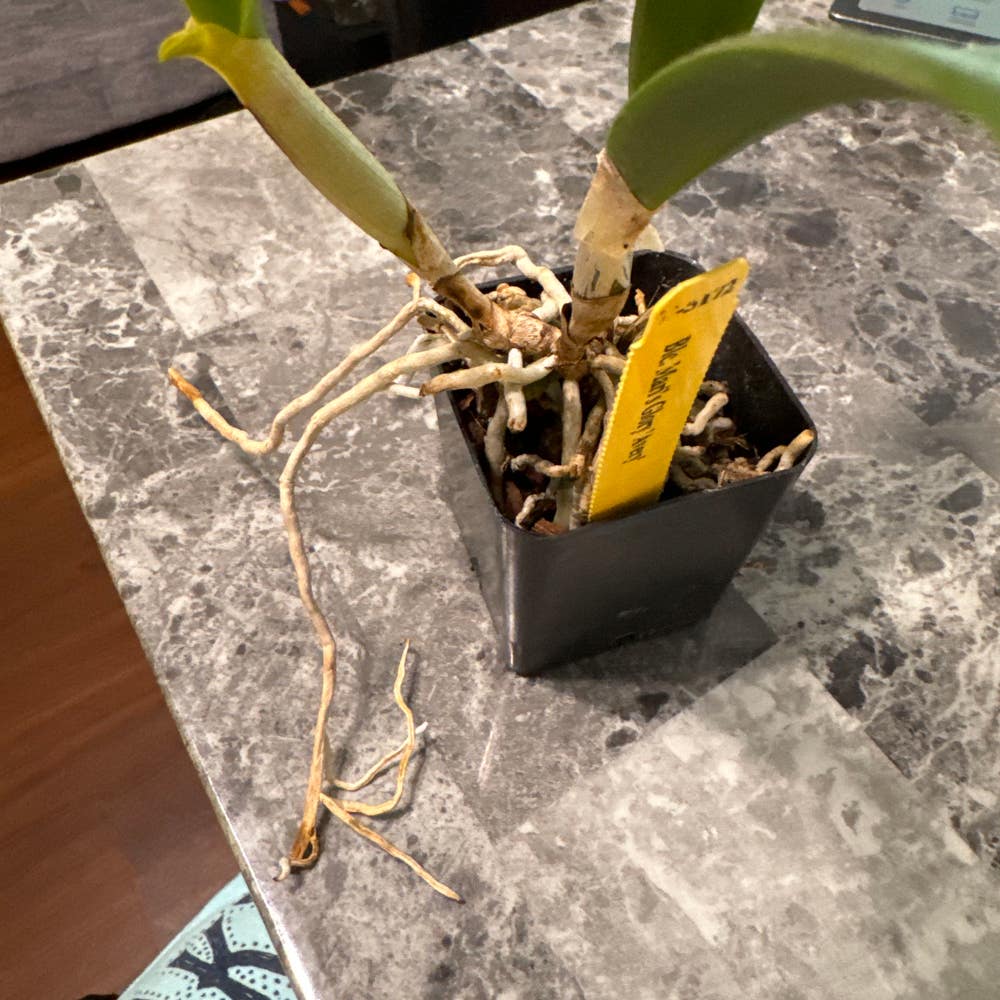
Healthy roots are firm, white, and spread evenly throughout the soil. In contrast, unhealthy roots appear brown, mushy, or may emit a foul smell, indicating that something is wrong.
🪴 Recognizing and Addressing Rootbound Conditions
If your orchid shows signs of stunted growth or roots emerging from drainage holes, it may be rootbound. The solution is simple: repot the plant into a larger container to give those roots room to thrive.
Understanding the root system of the Yellow Pansy Orchid is crucial for its overall health. With proper care and attention, you can ensure your orchid flourishes beautifully.
Benefits
Top 5 Benefits 🌟
1. Aesthetic Appeal
The vibrant flowers of the Yellow Pansy Orchid can transform any garden into a visual masterpiece. Their bright colors and unique shapes draw the eye, making them a favorite among gardeners.
2. Air Purification
These orchids are not just pretty; they also contribute to improved indoor air quality. By filtering out toxins, they help create a healthier living environment.
3. Cultural Significance
Giving a Yellow Pansy Orchid as a gift carries deep meaning. It symbolizes love and admiration, making it a thoughtful present for friends and loved ones.
4. Attracts Pollinators
Planting these orchids can benefit local ecosystems. They attract pollinators like bees and butterflies, which are essential for maintaining biodiversity.
5. Therapeutic Effects
Gardening with orchids can be a stress-reliever. The act of nurturing plants and watching them thrive brings joy and a sense of accomplishment.
These benefits make the Yellow Pansy Orchid a worthwhile addition to any garden or home. Next, let’s explore the concept of companion planting to enhance your gardening experience even further.
Companion Plants
🌱 Concept of Companion Planting
Companion planting is a gardening strategy that pairs plants together for mutual benefits. This approach enhances pest management, promotes healthier growth, and increases garden diversity.
🌼 Best Companion Plants
When selecting companions for your Yellow Pansy Orchid, consider plants with similar care needs. Ferns and bromeliads thrive in similar conditions, making them excellent partners.
Additionally, marigolds are a fantastic choice due to their pest-repellent properties. They deter harmful insects, helping to keep your orchids healthy and vibrant.
🚫 Plants to Avoid
While companion planting can be beneficial, some plants can compete for nutrients. It's best to avoid heavy feeders like tomatoes and corn, as they may hinder your orchid's growth.
By choosing the right companions, you can create a thriving garden that supports your Yellow Pansy Orchid's health and beauty. Next, let's explore the potential toxicity of these orchids to humans and pets.
Toxicity to Humans
The Yellow Pansy Orchid is not listed as toxic by major poison control centers, making it a safe choice for most households. However, consuming large quantities may lead to mild skin irritation or digestive discomfort.
It's always wise to exercise caution. If you experience any unusual symptoms after contact or consumption, seeking medical advice is a prudent step. Enjoy the beauty of this orchid while keeping safety in mind!
As we explore further, let’s look at how this orchid interacts with our furry friends.
Toxicity to Dogs
When it comes to the yellow pansy orchid, good news awaits dog owners. This beautiful plant is not listed as toxic by major pet poison control centers, making it a safe choice for homes with furry friends.
However, it's important to note that while the orchid is generally safe, consuming large quantities may lead to mild gastrointestinal upset. Keep an eye on your dog’s behavior, especially if they show interest in nibbling on the leaves or flowers.
🌿 Proper Placement
To ensure your dog's safety, place the yellow pansy orchid out of reach of curious pets. This simple precaution can prevent any potential mishaps while still allowing you to enjoy the vibrant beauty of your orchid.
In summary, the yellow pansy orchid can be a delightful addition to your home without posing a significant risk to your canine companions. Just remember to monitor their behavior and keep the plant in a safe spot.
Next, let’s explore how this orchid interacts with our feline friends.
Toxicity to Cats
The Yellow Pansy Orchid is not considered toxic by major pet poison control centers. This means you can enjoy its beauty without worrying too much about your feline friends.
However, if a cat consumes large quantities, it may experience mild gastrointestinal upset. It's always best to keep an eye on your pets and monitor their behavior around plants.
🐱 Proper Placement
To ensure safety, place your orchids in high or inaccessible areas. This helps prevent curious cats from nibbling on the leaves.
👀 Monitoring Behavior
Keep an eye on your cat's behavior around the plant. If you notice any unusual symptoms, it’s wise to consult a veterinarian for advice.
In summary, while the Yellow Pansy Orchid poses minimal risk to cats, taking precautions can help keep your furry companions safe. Now that you know about its safety, let’s explore some common problems that can arise when caring for these beautiful orchids.
Problems
Common Problems 🌱
Maintaining a healthy Yellow Pansy Orchid can be challenging. Here are some common issues you might encounter and how to address them effectively.
1. Incorrect Watering
Incorrect watering is a frequent culprit behind orchid distress. Symptoms include yellowing leaves and wilting.
- Solutions: Adjust your watering frequency to ensure the plant receives consistent moisture without becoming waterlogged.
2. Incorrect Light Conditions
Light conditions play a crucial role in the health of your orchid. If you notice leggy growth or leaf scorch, your plant may not be getting the right amount of light.
- Solutions: Relocate your orchid to a spot with bright, indirect sunlight to promote healthy growth.
3. Incorrect Temperature
Temperature fluctuations can stress your orchid. Look for signs like stunted growth or leaf drop.
- Solutions: Maintain stable temperatures, ideally between 65°F and 75°F, to keep your orchid thriving.
4. Diseases
Orchids can fall victim to various diseases, such as powdery mildew and black rot. These issues often arise from poor air circulation.
- Solutions: Improve air circulation around your plant and consider using fungicides if necessary.
5. Root Problems
Root issues can be detrimental to your orchid's health. Symptoms include root rot and squishy roots, often caused by overwatering.
- Solutions: Ensure proper drainage and adjust your watering practices to prevent root problems.
By staying vigilant and addressing these common problems, you can help your Yellow Pansy Orchid flourish. Next, let's explore potential pest issues that may affect your plant.
Bugs
🐜 Potential Pest Issues
While yellow pansy orchids are known for their moderate pest resistance, they can still attract certain nuisances. Keeping an eye out for these pests is essential to maintaining the health of your orchid.
🔍 Identification and Treatment of Specific Pests
Spider Mites
- Signs: Look for webbing and stippled leaves, which indicate their presence.
- Treatment: Increase humidity around the plant and consider using miticides to eliminate them.
Scale Insects
- Signs: Sticky residue on leaves and yellowing foliage are common indicators.
- Treatment: Apply insecticidal soap or neem oil to effectively manage these pests.
Mealybugs
- Signs: Cotton-like masses on stems signal an infestation.
- Treatment: Manual removal is effective, along with the application of insecticidal soap.
Aphids
- Signs: Curled leaves and sticky honeydew are telltale signs of aphids.
- Treatment: Introduce ladybugs to your garden or use insecticidal soap to control their population.
By staying vigilant and addressing pest issues promptly, you can ensure your yellow pansy orchid thrives. Next, let’s explore the common animals that may damage your beautiful plant.
What Eats
Common Animals That May Damage 🦌
Yellow Pansy Orchids can attract a variety of hungry critters. Common culprits include deer, rabbits, squirrels, birds, rodents, and groundhogs.
Signs of Animal Presence and Damage 🐾
Keep an eye out for telltale signs of these animals. Chewed leaves, droppings, and tracks can indicate that your orchids are being targeted.
Deterrent Methods 🚫
To protect your orchids, consider using deterrent methods. Chemical deterrents, like commercial repellents, can be effective, while organic options include planting deterrent plants and using physical barriers to keep pests at bay.
By being proactive, you can enjoy the beauty of your Yellow Pansy Orchids without the worry of unwanted visitors.
⚠️ Safety First
This content is for general information and may contain errors, omissions, or outdated details. It is not medical, veterinary advice, or an endorsement of therapeutic claims.
Always consult a qualified healthcare professional before using any plant as food, medicine, or supplement.
Never eat any plant (or feed one to pets) without confirming its identity with at least two trusted sources.
If you suspect poisoning, call Poison Control (800) 222-1222, the Pet Poison Helpline (800) 213-6680, or your local emergency service immediately.
Spotted an error? Please report it here.
Elevate your gardening game with the Yellow Pansy Orchid, and let Greg provide you with custom care tips 🌱 and watering reminders to ensure your orchid thrives beautifully!