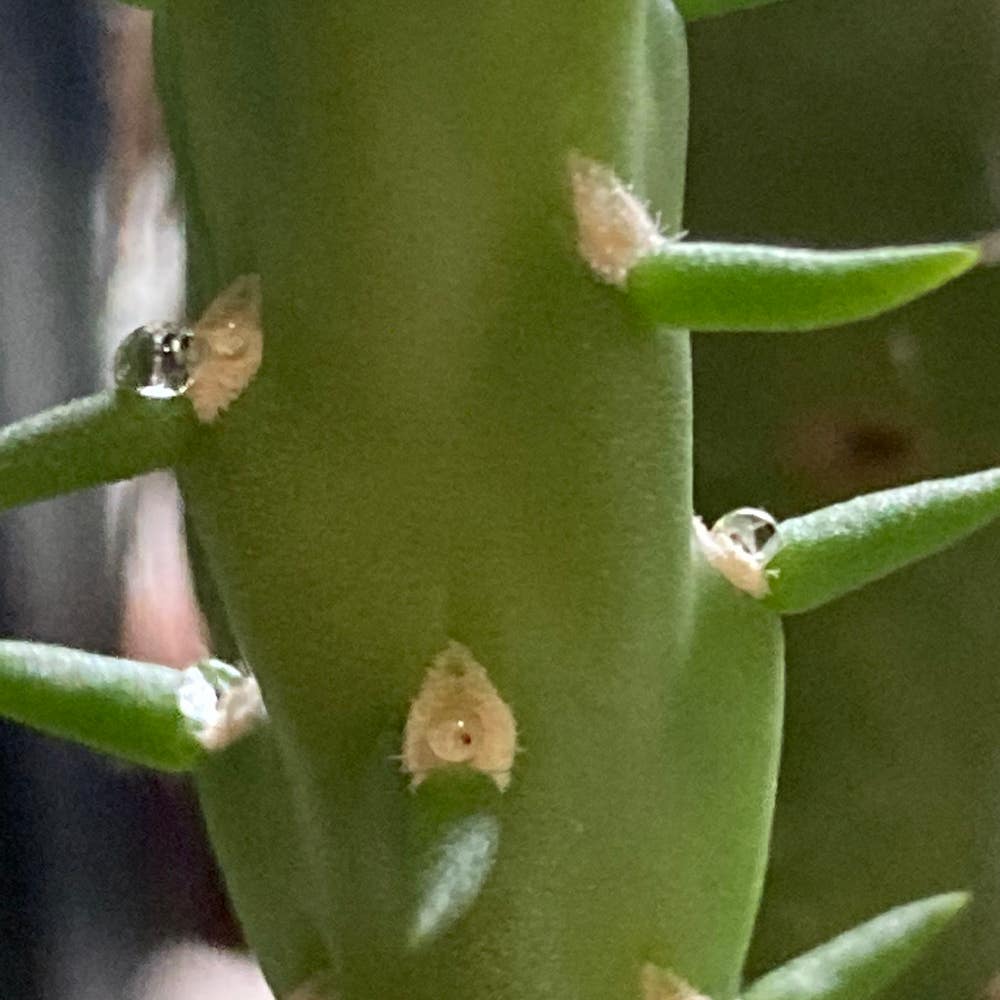
Overview of Wolf's Cholla 🌵
Cylindropuntia wolfii
By the Greg Editorial Team
Jan 24, 2025•11 min read
This article was created with the help of AI so we can cover more plants for you. May contain errors. See one? Report it here.
Discover the beauty and resilience of Wolf's Cholla 🌵, a low-maintenance cactus that enhances any garden with minimal effort!
- 🌞 Wolf's Cholla needs at least six hours of sunlight daily for optimal growth.
- 🌵 Drought-tolerant and low-maintenance, it thrives in sandy, well-draining soil.
- 🌼 Prune after flowering to promote new growth and maintain shape.
How to Grow
Choosing a Location 🌞
To thrive, Wolf's Cholla needs full sun exposure, ideally basking in at least six hours of sunlight each day. When deciding between outdoor planting and container growing, consider the space available and the climate in your area.
Soil Preparation 🏜️
This cactus flourishes in well-draining sandy or rocky soil, which prevents water retention. Aim for a pH level between 6.0 and 7.0, as slightly acidic to neutral conditions promote healthy growth.
Planting Techniques 🌱
When planting cuttings, ensure they are placed 2-3 inches deep in the soil. For outdoor planting, maintain a spacing of 3-4 feet apart to allow for adequate air circulation and growth.
Watering Requirements 🚰
Watering should be done sparingly; allow the soil to dry out completely between waterings. In winter, reduce the frequency even further, as the plant requires less moisture during its dormant period.
Fertilizing Tips 🍽️
During the growing season, which spans spring and summer, provide light feeding to support growth. Opt for a low-nitrogen cactus fertilizer to avoid overwhelming the plant.
Pruning Methods ✂️
Prune Wolf's Cholla after flowering to maintain its shape and health. Focus on removing any dead or damaged segments to encourage new growth.
Ongoing Care 🛡️
For container care, ensure that pots have drainage holes to prevent waterlogging. If growing outdoors, keep an eye out for pests and environmental stressors that may affect the plant's health.
With these guidelines, you'll be well on your way to cultivating a thriving Wolf's Cholla. Next, let’s explore the fascinating methods of propagation for this resilient cactus.
Propagation
🌱 Methods of Propagation
Wolf's Cholla can be propagated through two primary methods: seeds and cuttings. Both techniques are straightforward and can lead to successful growth if done correctly.
🌾 Propagating from Seeds
Soak Seeds: Start by soaking the seeds in water for 24 hours. This helps to soften the seed coat and promotes germination.
Planting: After soaking, plant the seeds in a shallow tray filled with well-draining soil.
Watering: Water lightly and cover the tray with plastic to create a humid environment until germination occurs.
✂️ Propagating from Cuttings
Prepare Cuttings: Take healthy segments of the plant and allow them to callous for 1-2 days. This step is crucial as it helps prevent rot.
Planting: Once calloused, plant the cuttings in well-draining soil.
Watering: Water sparingly until roots develop, ensuring the soil remains dry to the touch.
By following these methods, you can easily propagate Wolf's Cholla and enjoy its unique beauty in your garden. Next, let’s explore the lifecycle of this fascinating plant and understand its growth stages.
Lifecycle
Lifecycle Stages 🌱
The lifecycle of Wolf's Cholla begins with germination, which takes about 1-3 weeks for seeds. Once germinated, the plant enters the seedling stage, lasting 4-6 weeks until it develops true leaves.
Vegetative Growth 🌿
During spring and summer, Wolf's Cholla experiences rapid vegetative growth. This is when the plant thrives, soaking up sunlight and nutrients to prepare for the next stages.
Flowering and Seed Production 🌸
Typically, flowering occurs in late spring, showcasing vibrant blooms that attract pollinators. By late summer, the plant produces fruits, completing its reproductive cycle.
Lifespan and Growth Rate ⏳
Under optimal conditions, Wolf's Cholla can live for 10-20 years. Its growth rate is moderate, with the plant reaching maturity in about 3-5 years.
Time to Maturity ⏲️
In ideal environments, Wolf's Cholla fully matures in approximately 3-5 years. However, growth speed can vary based on factors like sunlight, water, and soil quality.
Understanding the lifecycle of Wolf's Cholla is essential for successful cultivation. This knowledge helps gardeners provide the right care at each stage, ensuring a healthy and thriving plant.
Next, we will explore the size of Wolf's Cholla, including its mature height and spread.
Size
Mature Height and Spread 🌱
Wolf's Cholla typically reaches a mature height of 2 to 3 feet and can spread 3 to 4 feet wide. This compact size makes it an excellent choice for various garden settings.
Growth Rate and Size Variability 📈
The growth rate of Wolf's Cholla is moderate, largely influenced by the amount of water and sunlight it receives. Depending on soil quality and care, the size can vary significantly, showcasing its adaptability.
Impact of Growing Conditions on Size 🌤️
Optimal growing conditions, such as well-draining soil and full sun, encourage larger growth. Conversely, poor conditions like overwatering or excessive shade can stunt its development, leading to a less robust plant.
Understanding these factors can help you cultivate a thriving Wolf's Cholla that enhances your landscape. Next, let's explore the fascinating root system of this resilient cactus.
Roots
Characteristics of the Root System 🌱
Wolf's Cholla features a fibrous root system that spreads shallowly. This design allows the plant to efficiently absorb moisture from light rains.
Root Depth and Spread 📏
Typically, the roots extend 1-2 feet deep into the soil. However, they can spread horizontally up to 3 feet, maximizing their reach for nutrients.
Common Root-Related Issues ⚠️
Root rot is a significant concern, often resulting from overwatering. Symptoms include mushy roots, which indicate that the plant is struggling.
Identifying healthy roots is crucial for plant health. Healthy roots are firm and white, while unhealthy roots appear brown and mushy.
Recognizing Rootbound Plants 🔗
A rootbound plant shows clear signs, such as roots growing out of the drainage holes.
To remedy this, consider repotting into a larger container or dividing the plant to encourage healthy growth.
With proper attention to the root system, your Wolf's Cholla can thrive beautifully. Next, let’s explore the benefits of this unique plant.
Benefits
Top 5 Benefits 🌟
1. Drought Tolerance
Wolf's Cholla is a champion when it comes to drought tolerance. Once established, it requires minimal water, making it a perfect choice for arid landscapes.
2. Aesthetic Appeal
With its unique structure and vibrant flowers, this cactus adds a striking visual element to any garden. Its beauty can enhance landscapes, drawing the eye and sparking conversation.
3. Edible Pads and Fruits
Not only is Wolf's Cholla visually appealing, but it also offers edible pads and fruits. These parts are nutritious and can be incorporated into various culinary dishes, adding both flavor and health benefits.
4. Wildlife Habitat
This cactus plays a vital role in supporting local ecosystems. It attracts pollinators and beneficial insects, making it a great addition for those looking to promote biodiversity in their gardens.
5. Cultural Significance
Wolf's Cholla has a rich history in indigenous cultures. Its uses in traditional medicine and cuisine highlight its importance beyond mere aesthetics, connecting us to the past and the natural world.
These benefits make Wolf's Cholla not just a plant, but a valuable asset to any garden. Whether you're looking to conserve water, enhance your landscape, or support wildlife, this cactus has you covered.
Next, let’s explore the fascinating methods of propagating Wolf's Cholla to expand your collection!
Companion Plants
🌱 Concept of Companion Planting
Companion planting is a gardening strategy that enhances diversity, improves pest management, and boosts plant health. By pairing compatible plants, you can create a thriving ecosystem in your garden.
🌼 Best Companion Plants
When growing Wolf's Cholla, consider companions like Agave, desert marigold, and other drought-tolerant plants. These plants share similar care needs and can help repel pests, making them ideal partners.
🚫 Plants to Avoid
It's wise to steer clear of high-water-demand plants. These can compete for resources, potentially stressing your Wolf's Cholla and hindering its growth.
By selecting the right companions, you can cultivate a vibrant and resilient garden. This thoughtful approach not only benefits your Wolf's Cholla but also enhances the overall health of your garden ecosystem. Next, let’s explore the potential toxicity of Wolf's Cholla to humans.
Toxicity to Humans
Safety Overview 🛡️
Wolf's Cholla is generally safe for humans and is not listed as toxic by major poison control centers. This makes it a great addition to gardens without the worry of harmful effects.
Potential Minor Issues ⚠️
While the plant is safe, it can cause mild skin irritation due to its spines. Additionally, consuming large quantities may lead to minor digestive discomfort, so moderation is key.
Cautionary Advice 🚨
Always exercise caution when handling any plant. If you experience unusual symptoms after contact or ingestion, seek medical advice to ensure your safety.
Toxicity to Dogs
Safety Overview 🐶
Wolf's Cholla is not considered toxic by major pet poison control centers. This means your furry friends can safely roam around it without the risk of severe poisoning.
Potential Minor Issues 🤢
However, if a dog consumes large quantities of Wolf's Cholla, it may experience mild gastrointestinal upset. Symptoms could include slight stomach discomfort or diarrhea, but these are generally not serious.
Tips for Introducing to Homes with Dogs 🏡
When introducing Wolf's Cholla to your home, proper placement is key. Keep the plant out of reach of curious pups and monitor their behavior around it to ensure they don’t nibble on any parts.
As you enjoy the beauty of Wolf's Cholla, rest easy knowing it poses minimal risk to your canine companions. Next, let’s explore how this plant interacts with our feline friends.
Toxicity to Cats
🛡️ Safety Overview
Wolf's Cholla is not listed as toxic by major pet poison control centers. This means you can enjoy this unique plant without worrying about severe health risks to your feline friends.
⚠️ Potential Minor Issues
While generally safe, consuming large quantities of Wolf's Cholla may lead to mild gastrointestinal upset in cats. It's always best to monitor your pet's behavior around any new plant.
🐾 Tips for Introducing to Homes with Cats
To keep your cat safe, place the Wolf's Cholla out of reach. Regularly observe your cat's interactions with the plant to ensure they don't nibble on it excessively.
With these precautions, you can enjoy the beauty of Wolf's Cholla while keeping your curious kitty safe.
Problems
Common Problems 🌱
1. Incorrect Watering
Watering is crucial for the health of your Wolf's Cholla. Overwatering can lead to yellowing pads, signaling that it's time to cut back on your watering frequency.
Conversely, underwatering can cause the pads to shrivel. If you notice this, gradually increase your watering to help revive your plant.
2. Incorrect Light Conditions
Light is another essential factor for growth. If your Wolf's Cholla exhibits leggy growth, it may not be receiving enough sunlight.
To remedy this, simply move the plant to a sunnier location where it can soak up those rays.
3. Incorrect Temperature
Temperature fluctuations can stress your plant. Signs of stress, such as wilting, often occur during extreme heat.
Providing shade during peak sun hours can help protect your Wolf's Cholla from heat-related issues.
4. Diseases
Diseases can also pose a threat. Powdery mildew appears as white powdery spots on the pads.
Improving air circulation around the plant can significantly reduce the risk of this disease.
5. Root Problems
Root health is vital for overall plant vitality. Symptoms of root rot include mushy roots, often caused by overwatering.
To combat this, focus on improving drainage and reducing watering frequency.
By addressing these common problems, you can ensure your Wolf's Cholla thrives in your garden. Next, let’s explore the fascinating world of pests that may affect your plant.
Bugs
Potential Pest Issues 🐜
Wolf's Cholla is generally known for its moderate pest resistance. However, it can still fall victim to a few pesky invaders.
Identification and Damage 🔍
- Spider Mites: Look for fine webbing on the pads, which can lead to leaf discoloration.
- Scale Insects: These pests leave a sticky residue that can weaken the plant's overall health.
- Mealybugs: Identified by their cotton-like masses, mealybugs can stunt growth significantly.
Effective Treatment Options 💪
To combat these pests, consider using Neem Oil, a natural pesticide that works well against various insects.
Another option is Insecticidal Soap, which is particularly effective against soft-bodied pests like mealybugs.
By staying vigilant and employing these treatments, you can keep your Wolf's Cholla thriving and pest-free.
What Eats
🦊 Common Animals
Wolf's Cholla can attract a variety of wildlife, which may pose challenges for gardeners. Understanding these animals and their behaviors can help you protect your plants effectively.
🦌 Deer
Deer are notorious for munching on succulent pads. Look for signs like chewed edges, and consider using fencing or repellents to keep them at bay.
🐇 Rabbits
Rabbits tend to nibble on the lower segments of the cholla. If you notice small bites, installing barriers can help deter these furry intruders.
🐿️ Squirrels
Squirrels may dig around the base of your cholla, causing potential damage. Traps or repellents can be effective solutions to keep them away.
🐦 Birds
Birds often peck at the vibrant flowers of Wolf's Cholla. To protect your blooms, try hanging reflective objects nearby to discourage them.
🐭 Rodents
Rodents can leave gnaw marks on your cholla, indicating their presence. Setting traps or using natural repellents can help manage these pests.
🦡 Groundhogs
Groundhogs are another potential threat, often leaving large bites on the pads. Fencing or repellents can be effective deterrents against these larger animals.
By being aware of these common animals and their habits, you can take proactive measures to safeguard your Wolf's Cholla. Next, let’s explore the potential pest issues that can affect your plant's health.
⚠️ Safety First
This content is for general information and may contain errors, omissions, or outdated details. It is not medical, veterinary advice, or an endorsement of therapeutic claims.
Always consult a qualified healthcare professional before using any plant as food, medicine, or supplement.
Never eat any plant (or feed one to pets) without confirming its identity with at least two trusted sources.
If you suspect poisoning, call Poison Control (800) 222-1222, the Pet Poison Helpline (800) 213-6680, or your local emergency service immediately.
Spotted an error? Please report it here.
Cultivating Wolf's Cholla successfully 🌵 is easy with Greg's tailored care reminders and expert tips, ensuring your cactus thrives in its ideal environment!