Ultimate Guide to Winter Heath 'Winter Melody' ❄️
Erica carnea 'Winter Melody'
By the Greg Editorial Team
Feb 06, 2025•11 min read
This article was created with the help of AI so we can cover more plants for you. May contain errors. See one? Report it here.
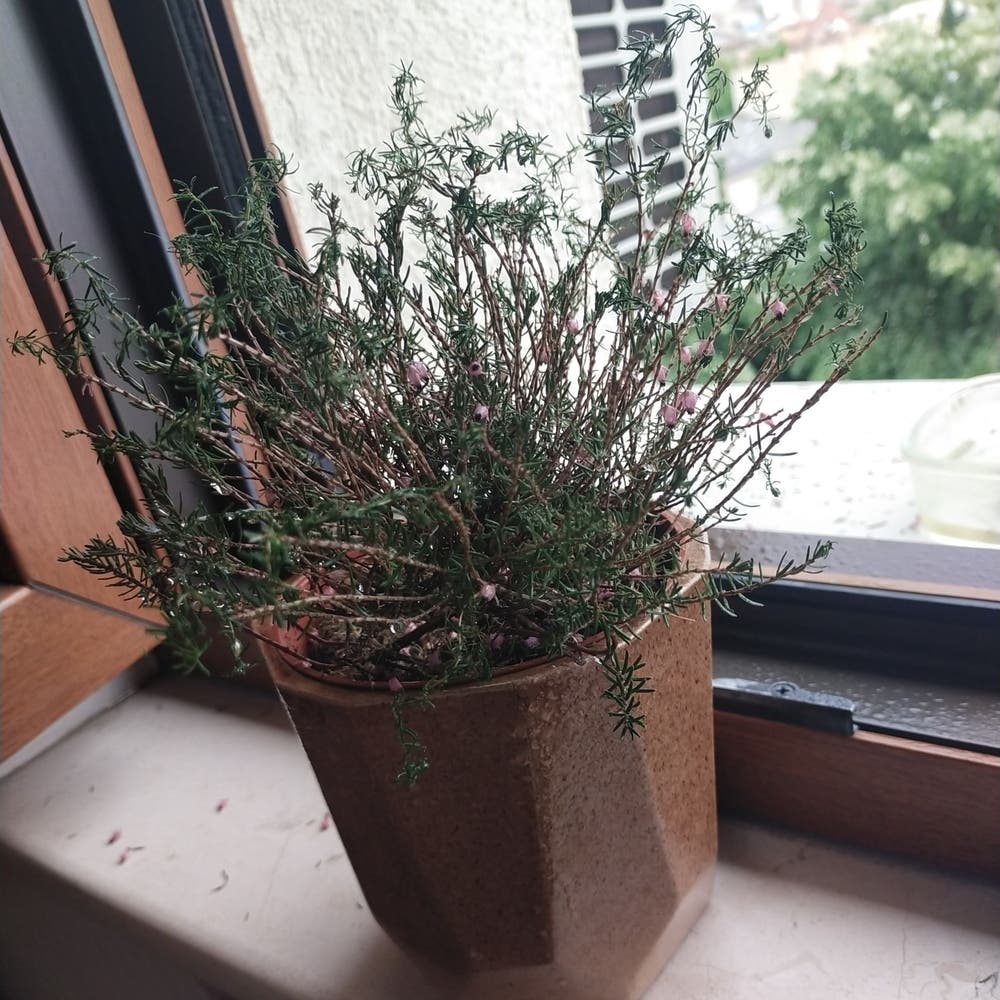
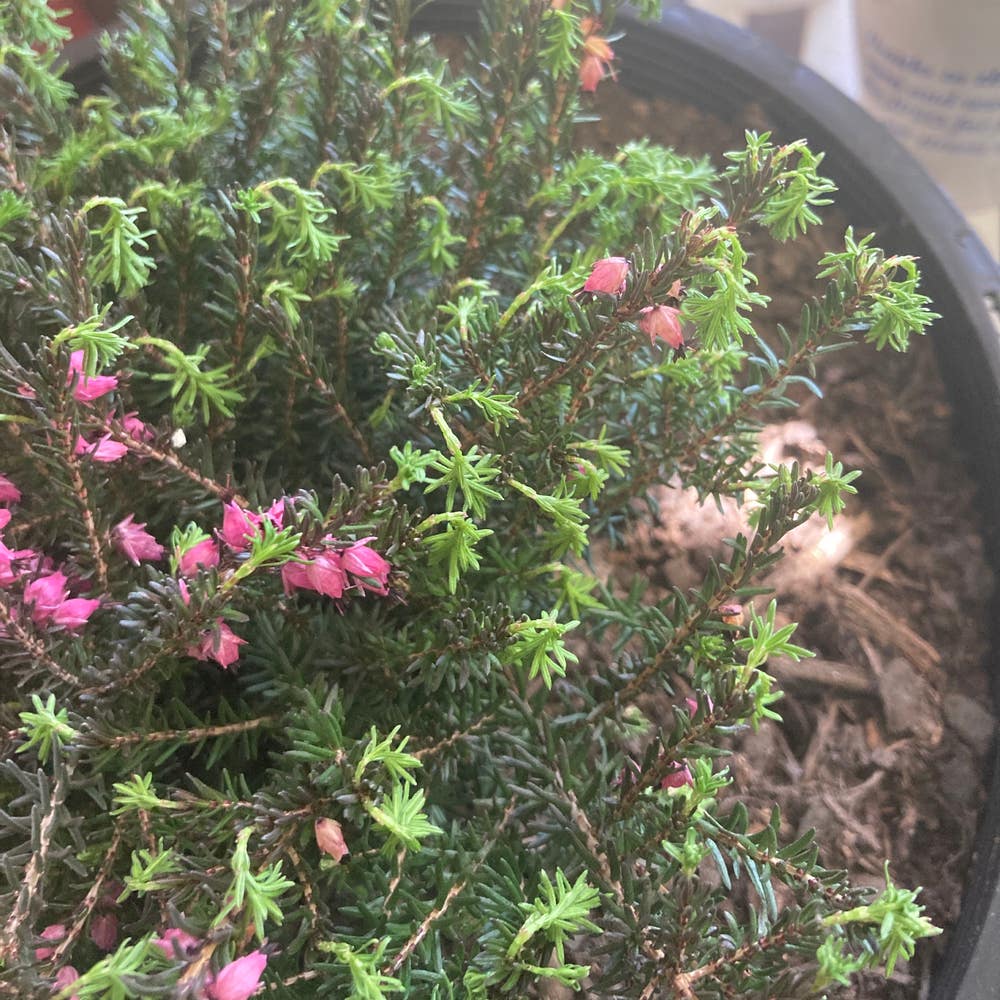
Brighten your winter garden with the vibrant blooms of Winter Heath 'Winter Melody'—a low-maintenance beauty! 🌱✨
- 🌞 Winter Heath thrives in full sun to partial shade, perfect for diverse gardens.
- 🌱 Plant in acidic, well-drained soil for healthy roots and robust growth.
- 🐝 Attracts winter pollinators, enhancing biodiversity while being non-toxic to pets and humans.
How to Grow
🌞 Choosing a Location
For optimal growth of Winter Heath 'Winter Melody', aim for full sun to partial shade. This plant thrives best when it receives adequate sunlight, but it can tolerate some shade, making it versatile for various garden settings.
When deciding between outdoor and container growing, consider drainage and temperature protection. Containers can offer better control over soil conditions, but ensure they have proper drainage to prevent waterlogging.
🌱 Soil Preparation
Winter Heath prefers acidic, well-drained soil. This type of soil supports healthy root development and overall plant vigor.
To enhance drainage, incorporate organic matter into your soil. This amendment not only improves soil structure but also provides essential nutrients for your plants.
🌼 Planting Techniques
The best time to plant Winter Heath is in early spring or fall. These seasons provide the ideal conditions for establishing strong roots before the heat of summer or the chill of winter sets in.
Space your plants 12-18 inches apart for optimal growth. This spacing allows for air circulation and prevents overcrowding, which can lead to disease.
💧 Watering Requirements
Regular watering is crucial until your plants are established. However, be cautious to avoid waterlogging, as this can lead to root rot.
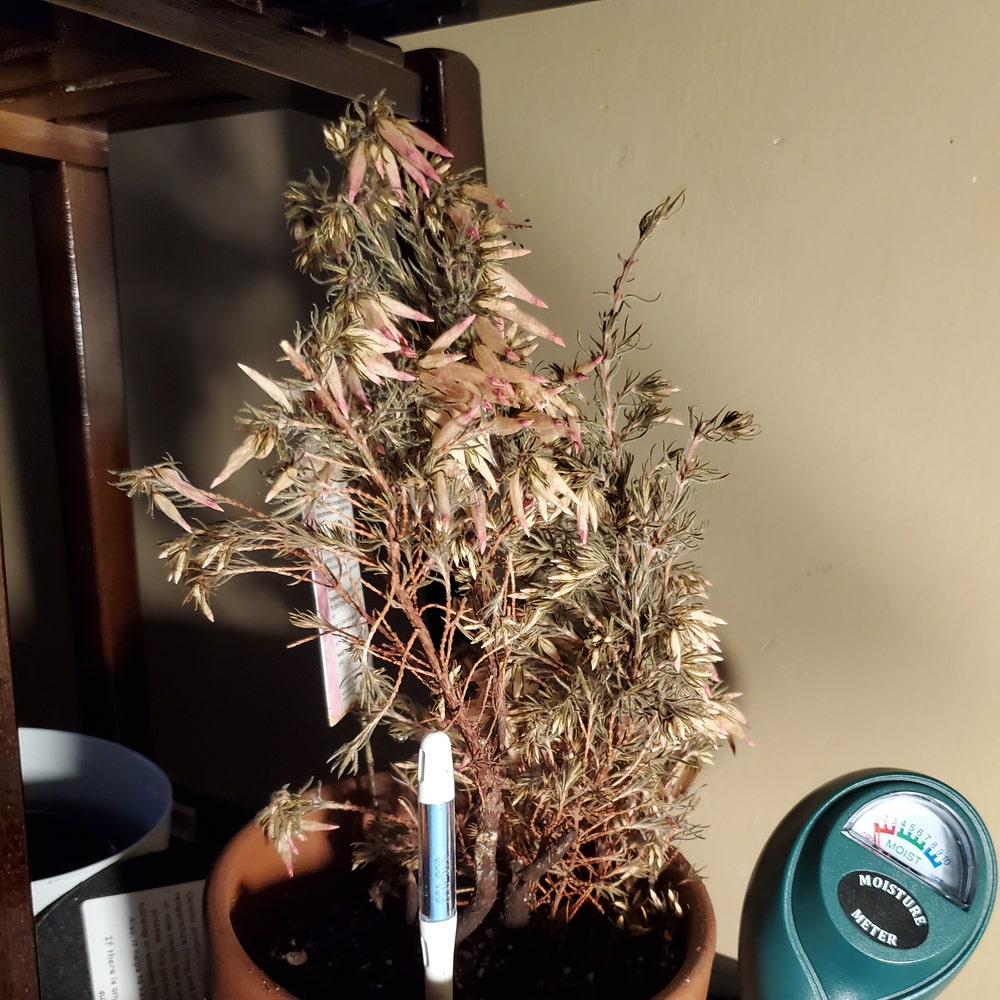
Look out for signs of overwatering, such as yellowing leaves or wilting, and underwatering, which may manifest as dry, crispy foliage. Adjust your watering schedule accordingly to keep your plants healthy.
🌿 Fertilizing Schedule
Use a balanced, slow-release fertilizer to nourish your Winter Heath. This type of fertilizer provides a steady supply of nutrients over time, promoting robust growth.
Apply the fertilizer in early spring, just before new growth begins. This timing ensures that your plants have the nutrients they need to thrive during the growing season.
✂️ Pruning Methods
Prune your Winter Heath after flowering to maintain its shape. This practice encourages bushier growth and helps the plant look tidy.
Light trimming is sufficient to promote a fuller appearance. Avoid heavy pruning, as this can stress the plant and affect its blooming potential.
🌾 Ongoing Care
Mulching is beneficial for moisture retention and temperature regulation. A layer of mulch helps keep the soil consistently moist and protects the roots from extreme temperatures.
Regularly monitor your plants for pests and diseases. Early detection is key to managing any issues that may arise, ensuring your Winter Heath remains healthy and vibrant.
With these tips in mind, you're well on your way to successfully growing Winter Heath 'Winter Melody'. Next, let's explore how to propagate this beautiful plant for even more blooms in your garden.
Propagation
🌱 Seed Propagation
To propagate Winter Heath 'Winter Melody' from seeds, start by surface sowing them in spring. This method is straightforward and, under optimal conditions, germination typically takes about 2-4 weeks.
✂️ Cutting Propagation
For those who prefer cuttings, select healthy stems that are 4-6 inches long. Use a rooting medium that combines peat and perlite for the best results. Expect the cuttings to root in approximately 4-6 weeks, giving you new plants to enjoy.
Propagation is a rewarding process that allows you to expand your garden with this beautiful winter bloom. Whether you choose seeds or cuttings, both methods are effective and can lead to a thriving collection of Winter Heath.
Lifecycle
Lifecycle Stages 🌱
The 'Winter Melody' heath is a perennial plant, showcasing a fascinating lifecycle that unfolds over multiple growth phases. Understanding these stages is key to nurturing this resilient beauty.
Germination Process 🌧️
For successful germination, seeds require a moist and warm environment. This creates the perfect conditions for them to sprout and begin their journey.
Seedling Stage 🌿
Once germinated, the seedling stage lasts about 4-6 weeks. During this time, seedlings develop the strength needed for transplanting.
Flowering Phase 🌸
Blooms typically appear in late winter to early spring, adding vibrant color to your garden when most plants are still dormant. This timing makes 'Winter Melody' a standout in any winter landscape.
Growth Timeline 📈
It takes approximately 1-2 years for 'Winter Melody' to reach its full size. The growth rate is moderate, influenced by factors such as soil quality and sunlight exposure.
This lifecycle knowledge empowers you to provide the best care for your 'Winter Melody' heath. Next, we’ll explore how to maximize its growth potential through effective propagation techniques.
Size
Mature Height and Spread 🌱
Winter Heath 'Winter Melody' typically reaches a height of 12-18 inches and spreads 18-24 inches wide. This compact size makes it an excellent choice for borders or as a ground cover in your winter garden.
Growth Rate 📈
The growth rate of this perennial is moderate, meaning it won't take over your garden but will steadily fill in over time. Environmental factors such as sunlight and soil quality can influence how quickly it grows.
Size Variability 📏
Several factors can affect the size of your Winter Heath. Soil quality, sunlight exposure, and watering practices all play a crucial role in determining how robust your plants will become.
Understanding these elements can help you optimize your growing conditions for the best results.
As you plan your garden, keep in mind how these size characteristics will fit into your overall landscape design. Next, let’s explore the fascinating root system of this resilient plant.
Roots
Root System Characteristics 🌱
The 'Winter Melody' heath features a fibrous root system that is essential for its stability and nutrient uptake. This shallow yet extensive spread allows it to efficiently absorb moisture and nutrients from the top layers of soil.
Common Root-Related Issues ⚠️
One of the most common problems gardeners face is root rot, which can occur when the soil is too wet. Symptoms include yellowing leaves and a foul smell from the roots; prevention involves ensuring well-drained soil and avoiding overwatering.
Identifying healthy roots is crucial for plant health. Healthy roots are firm and white, while unhealthy roots appear brown and mushy, indicating decay.
Recognizing Rootbound Plants 🪴
A rootbound plant has roots that circle the pot, indicating it has outgrown its container. Signs include stunted growth and roots emerging from drainage holes.
To remedy this, repotting is necessary. Choose a larger pot and gently loosen the roots before placing the plant in fresh soil, allowing it to thrive once again.
With proper care, your 'Winter Melody' heath will flourish, showcasing its beauty throughout the winter months. Next, let’s explore the benefits of this resilient plant.
Benefits
Top 5 Benefits 🌟
1. Winter Color
Winter Heath 'Winter Melody' brings vibrant blooms to your garden during the cold months. This splash of color can brighten up even the dreariest winter days.
2. Low Maintenance
This hardy plant thrives in poor soil and requires minimal care. It's perfect for gardeners looking for beauty without the hassle.
3. Wildlife Attraction
Not only does it look good, but it also attracts pollinators during winter. This makes it a fantastic addition to any garden focused on supporting local wildlife.
4. Erosion Control
Winter Heath is effective in stabilizing soil in rocky areas. Its root system helps prevent erosion, making it a practical choice for challenging landscapes.
5. Cultural Significance
This plant symbolizes resilience and beauty in harsh conditions. Its presence in your garden can serve as a reminder of nature's strength and adaptability.
These benefits make Winter Heath 'Winter Melody' a standout choice for any winter garden. Its combination of aesthetic appeal and practical advantages ensures it will thrive in your landscape.
Companion Plants
Companion Planting 🌱
Companion planting is a fantastic way to enhance your garden's diversity while managing pests naturally. By pairing compatible plants, you can create a thriving ecosystem that supports healthy growth.
Best Companions 🌼
When it comes to choosing companions for Winter Heath 'Winter Melody', consider these excellent options:
- Hellebores: These beauties thrive in similar light and soil conditions, making them perfect partners.
- Dwarf Conifers: They not only provide visual contrast but also share similar care requirements, enhancing your garden's aesthetic.
Plants to Avoid 🚫
While some plants work well together, others can compete for resources. Avoid planting heavy feeders near Winter Heath, as they may drain nutrients and hinder its growth.
By carefully selecting companion plants, you can create a vibrant garden that flourishes together. This thoughtful approach not only benefits your Winter Heath but also enriches the overall garden environment.
Toxicity to Humans
When it comes to the winter heath 'Winter Melody,' you can breathe easy. This plant is not listed as toxic by major health organizations, making it a safe choice for your garden.
However, it's worth noting that while generally non-toxic, consuming large quantities may lead to mild skin irritation or digestive discomfort. Always exercise caution and enjoy this beautiful plant responsibly!
Toxicity to Dogs
When it comes to the winter heath 'Winter Melody', dog owners can breathe a sigh of relief. This plant is not listed as toxic by veterinary organizations, making it a safe choice for gardens shared with our furry friends.
However, moderation is key. While the plant itself won't harm your dog, excessive consumption may lead to mild gastrointestinal upset. It's always a good idea to monitor your pet's behavior around any plants, just to be safe.
In summary, 'Winter Melody' is a dog-friendly option that adds beauty to your garden without the worry of toxicity. Keep an eye on your pup, and you can enjoy the vibrant blooms together!
Toxicity to Cats
When it comes to the winter heath 'Winter Melody', cat owners can breathe a sigh of relief. This plant is not listed as toxic by major pet poison control centers, making it a safe choice for households with feline friends.
However, moderation is key. While the plant is non-toxic, consuming large quantities may lead to mild gastrointestinal upset in cats. It's always best to keep an eye on your pets and ensure they don't munch on too much greenery.
In summary, 'Winter Melody' is a cat-friendly plant that adds beauty to your garden without posing a risk to your furry companions. Just remember to monitor their nibbling habits to keep them happy and healthy.
As we explore the benefits of this lovely plant, let's dive into how it can enhance your garden's appeal and support local wildlife.
Problems
Common Problems 🌱
Growing Winter Heath 'Winter Melody' can be a rewarding experience, but it’s not without its challenges. Understanding these common problems will help you keep your plants thriving.
Incorrect Watering 🚰
Watering is crucial for the health of your Winter Heath. Overwatering can lead to root rot, where leaves may turn yellow and drop off. Conversely, underwatering can cause wilting and browning of the leaf edges.
Incorrect Light Conditions ☀️
Light plays a vital role in the growth of your plants. If your Winter Heath isn’t getting enough sunlight, you might notice leggy growth and fewer blooms. Aim for full sun to partial shade to keep your plants happy.
Diseases 🦠
Fungal diseases can be a concern, especially in humid conditions. Powdery mildew is a common issue, characterized by a white, powdery coating on leaves. To manage this, ensure good air circulation and avoid overhead watering.
By keeping an eye on these potential problems, you can enjoy a vibrant display of Winter Heath throughout the colder months. Next, let’s explore the pests that might try to invade your garden.
Bugs
Potential Pest Issues 🐜
Winter Heath 'Winter Melody' can face a few pest challenges, but it's generally resilient. Understanding its susceptibility to pests is key to maintaining a healthy plant.
Identification of Pests 🔍
Being able to identify common pests is crucial for effective management.
Spider Mites
Spider mites are tiny, often invisible to the naked eye, but their damage is unmistakable. Look for yellowing leaves and fine webbing on the undersides; these are telltale signs of an infestation.
Mealybugs
Mealybugs appear as small, cottony masses on stems and leaves. They suck sap from the plant, leading to wilting and stunted growth. If you spot them, act quickly to treat the infestation with insecticidal soap or neem oil.
By keeping an eye out for these pests and their signs, you can ensure your Winter Heath thrives through the colder months. Next, let’s explore the common problems that can affect your plant's health.
What Eats
Common Animals 🦌
When it comes to your Winter Heath 'Winter Melody,' be aware of potential herbivores that might find it irresistible. Deer, rabbits, and rodents are the usual suspects that could munch on your beautiful blooms.
Signs of Animal Presence 🐾
Identifying signs of animal activity can save your plants from becoming a buffet. Look for tracks, droppings, and damaged foliage, which indicate that your garden has attracted some unwanted visitors.
Deterrent Methods 🚫
To protect your plants, consider implementing a few control strategies. Chemical repellents can deter herbivores, while physical barriers like fencing or netting can provide an effective shield against these hungry critters.
By staying vigilant and proactive, you can enjoy the beauty of your Winter Heath without the worry of it becoming a meal for local wildlife. Next, let's explore the common problems that can affect your plant's health and how to manage them effectively.
⚠️ Safety First
This content is for general information and may contain errors, omissions, or outdated details. It is not medical, veterinary advice, or an endorsement of therapeutic claims.
Always consult a qualified healthcare professional before using any plant as food, medicine, or supplement.
Never eat any plant (or feed one to pets) without confirming its identity with at least two trusted sources.
If you suspect poisoning, call Poison Control (800) 222-1222, the Pet Poison Helpline (800) 213-6680, or your local emergency service immediately.
Spotted an error? Please report it here.
Unlock a thriving winter garden 🌼 with Winter Heath 'Winter Melody' by using Greg's tailored care reminders and expert tips to keep your plants healthy and vibrant all season long!