❄️ Everything You Need to Know About Winter Heath 'Rubra'
Erica carnea 'Rubra'
By the Greg Editorial Team
Feb 06, 2025•10 min read
This article was created with the help of AI so we can cover more plants for you. May contain errors. See one? Report it here.
Elevate your winter garden with Winter Heath 'Rubra' 🌸, a vibrant bloom that supports pollinators and thrives in cold! 🌱
- 🌞 Winter Heath 'Rubra' needs 6+ hours of sunlight for optimal growth.
- 🌱 Prefers acidic, well-drained soil with a pH of 5.5 to 6.5.
- 🐝 Attracts pollinators in early spring, enhancing garden biodiversity.
How to Grow
🌞 Choosing a Location
To thrive, Winter Heath 'Rubra' needs full sun to partial shade, requiring at least six hours of sunlight each day. It's best suited for USDA planting zones 4-8, where it can flourish without stress.
🌱 Soil Preparation
This plant prefers acidic, well-drained soils with a pH between 5.5 and 6.5. To enhance drainage, mix in organic matter like peat moss or compost, creating a nutrient-rich environment.
🌿 Planting Techniques
When planting, ensure the crown of the plant is level with the soil surface. Space each plant 12-18 inches apart to promote adequate air circulation and prevent overcrowding.
💧 Watering Requirements
After planting, water thoroughly to establish roots. Moving forward, keep the soil consistently moist, allowing the top inch to dry out between waterings to avoid waterlogging.
🌼 Fertilizing Tips
In early spring, apply a balanced, slow-release fertilizer to support growth. Be cautious with high-nitrogen fertilizers, as they can lead to excessive foliage at the expense of blooms.
✂️ Pruning Methods
Prune your Winter Heath after flowering to encourage bushier growth. Focus on removing dead or damaged stems and spent flowers to keep the plant healthy and vibrant.
🌾 Ongoing Care
For container-grown plants, ensure pots have drainage holes and use a suitable potting mix to prevent root rot. In colder climates, apply mulch around the base to protect the roots during winter.
With these care tips, your Winter Heath 'Rubra' will not only survive but thrive, adding beauty and color to your garden. Next, let’s explore how to propagate this stunning plant for even more blooms!
Propagation
🌱 Seed Propagation
To propagate Winter Heath 'Rubra' from seeds, start by collecting seeds from mature flowers once they have dried. For successful germination, sow these seeds in a cold frame or indoors, ensuring the temperature stays between 60-70°F (15-21°C).
✂️ Cutting Propagation
Another effective method is cutting propagation. Select healthy stems and take 4-6 inch cuttings in late spring for the best results.
🪴 Rooting Medium
For rooting, use a mix of peat and perlite. This combination provides the ideal conditions for your cuttings to thrive and develop strong roots.
With these propagation techniques, you can easily expand your Winter Heath collection. Whether you choose seeds or cuttings, both methods offer a rewarding way to grow this beautiful plant.
Lifecycle
Germination Process 🌱
Germination is the first step in the lifecycle of Winter Heath 'Rubra'. Under ideal conditions, it typically takes about 2-4 weeks for seeds to sprout.
Seedling Stage 🌿
Once germinated, seedlings enter a slow growth phase. They require consistent moisture and adequate light to thrive during this delicate stage.
Vegetative Growth 🌳
The vegetative growth period occurs from spring to early summer. During this time, the plant focuses on developing lush foliage, which is essential for its overall health.
Flowering and Seed Production 🌸
Winter Heath 'Rubra' begins to bloom from late winter to early spring. These vibrant flowers not only beautify the garden but also attract essential pollinators, enhancing the ecosystem.
Lifespan and Growth Rate ⏳
This plant takes approximately 2-3 years to reach its full size. Its growth rate is moderate, averaging about 6-12 inches annually, depending on the growing conditions.
As you explore the lifecycle of Winter Heath 'Rubra', you'll appreciate the beauty and resilience of this plant. Next, let's delve into its size and growth characteristics.
Size
Mature Height and Spread 🌱
Winter Heath 'Rubra' typically reaches a mature height of 12-18 inches and spreads about 18-24 inches wide. This compact size makes it an excellent choice for borders or as a ground cover in your garden.
Growth Rate and Size Variability 📈
The growth rate of Winter Heath is moderate, influenced by factors such as soil quality and sunlight exposure. Plants receiving ample sunlight and nutrients tend to grow more vigorously.
Impact of Growing Conditions on Size 🌍
Growing conditions play a crucial role in the size of Winter Heath. When planted in optimal environments, these plants can achieve larger dimensions and exhibit more robust growth, enhancing their overall appeal in your landscape.
As you consider adding Winter Heath to your garden, remember that the right conditions can significantly impact its size and health. Next, let’s explore the fascinating root system that supports this resilient plant.
Roots
Root System Characteristics 🌱
Winter Heath 'Rubra' features a fibrous root system that spreads horizontally. This type of root structure helps the plant efficiently absorb nutrients and water from the surrounding soil.
Depth and Spread of Roots 📏
Typically, the roots extend 12-18 inches deep. This shallow root system allows for quick establishment but requires careful attention to watering practices.
Common Root-Related Issues ⚠️
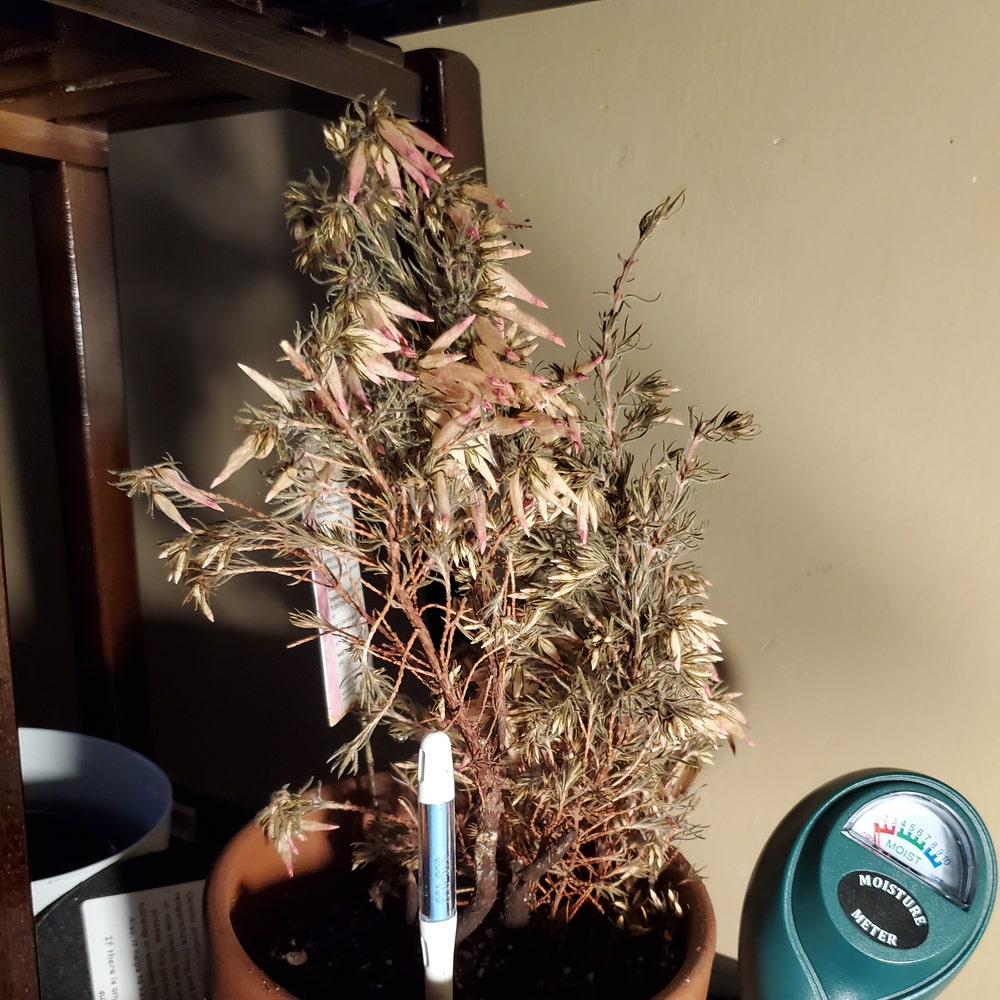
One of the most common problems is root rot, often caused by overwatering. Symptoms include wilting and yellowing leaves, signaling that the roots are struggling.
Identifying Healthy vs. Unhealthy Roots 🔍
Healthy roots are firm, white, and spread evenly throughout the soil. In contrast, unhealthy roots appear dark, mushy, or emit a foul smell, indicating rot.
Recognizing Rootbound Plants 🌿
If you notice roots growing out of drainage holes or circling the pot, your plant may be rootbound. The solution is simple: repot into a larger container or divide the plant to promote healthy growth.
Understanding the root system of Winter Heath 'Rubra' is crucial for its successful cultivation. With proper care, you can ensure that your plant thrives and continues to beautify your garden.
Benefits
Aesthetic Appeal 🌸
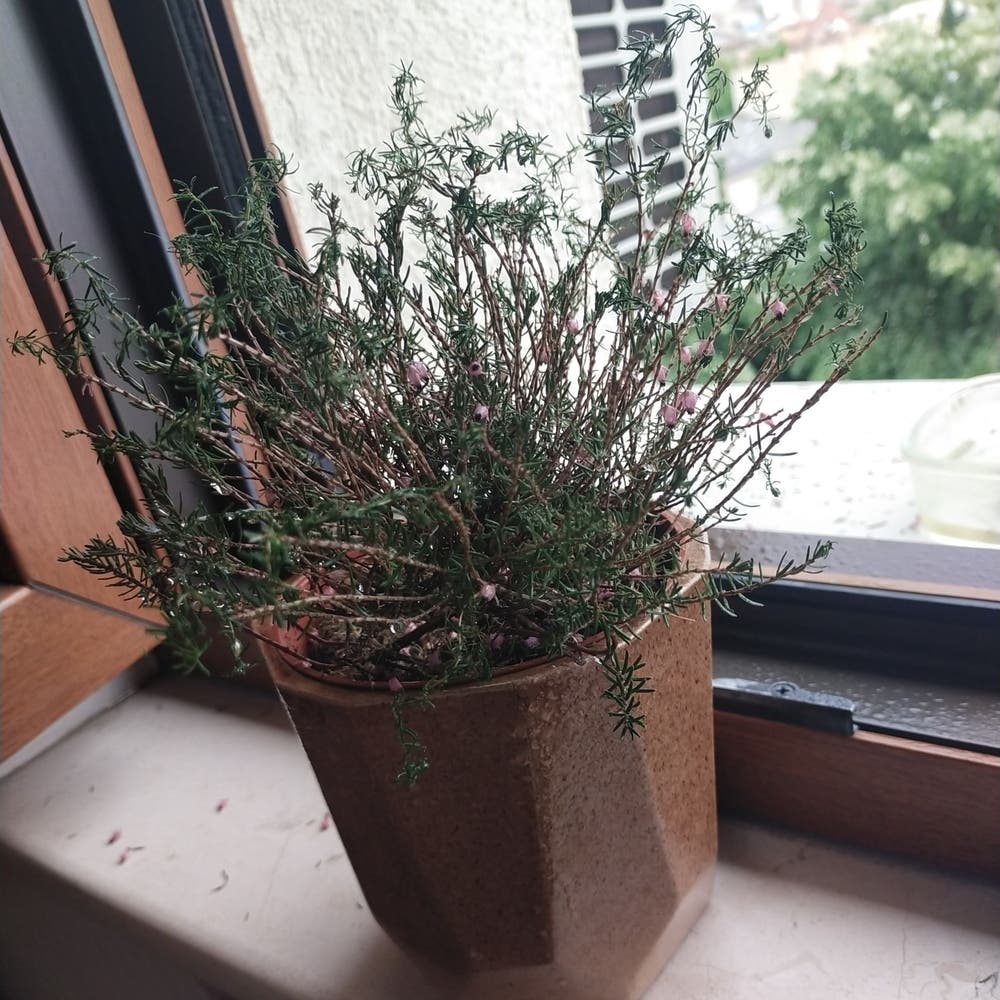
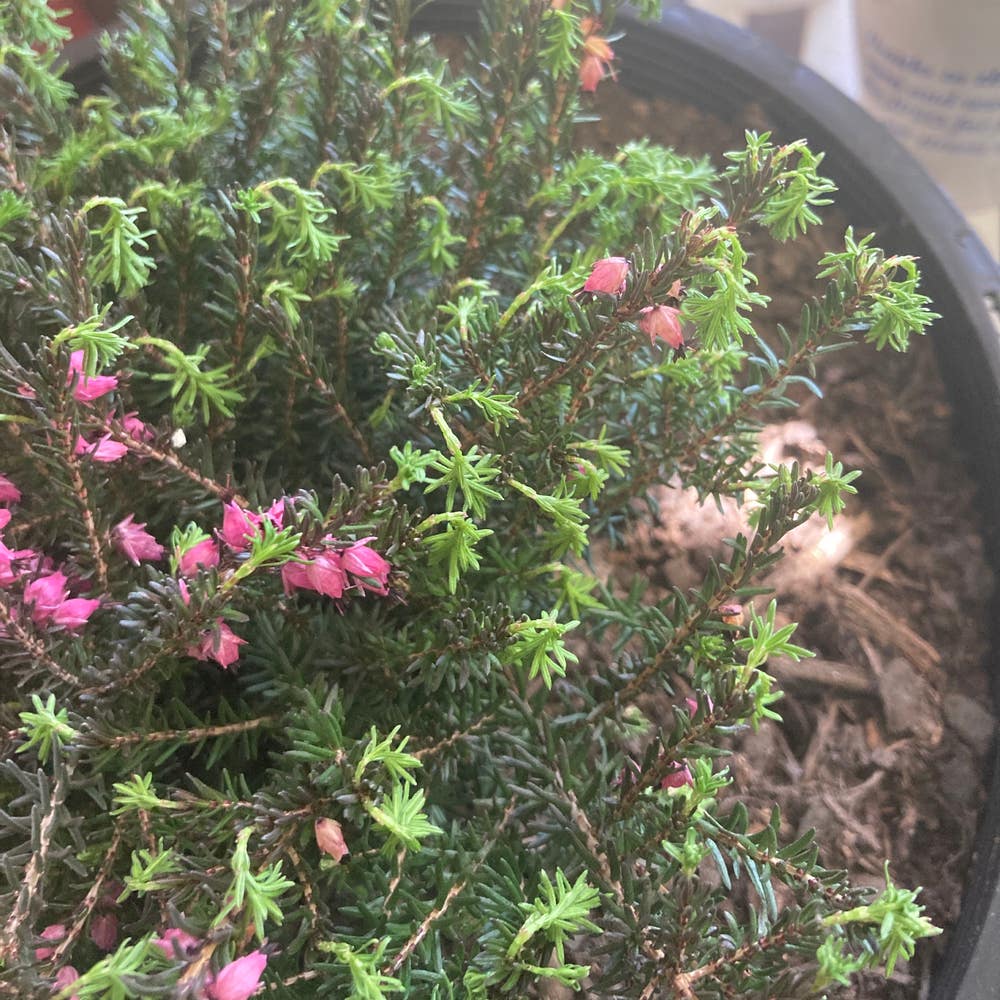
Winter Heath 'Rubra' brings a splash of vibrant color to your garden during the colder months. Its striking blooms can brighten up even the dreariest winter landscape, making it a favorite among gardeners.
Attracting Pollinators 🐝
This hardy plant is not just pretty; it also plays a crucial role in supporting local ecosystems. In early spring, Winter Heath provides essential nectar for bees and other pollinators, helping them thrive when food sources are scarce.
Erosion Control 🌍
Winter Heath is an excellent choice for erosion control. Its dense growth habit stabilizes soil, preventing erosion and promoting a healthier garden environment.
Cultural Significance 🎭
Often found in traditional gardens across Europe, Winter Heath carries a rich cultural heritage. Its historical use in landscaping adds a layer of depth and connection to gardening practices of the past.
Seasonal Interest ❄️
With its evergreen foliage and winter blooms, Winter Heath offers year-round interest. This plant ensures your garden remains lively and engaging, even in the coldest months.
Winter Heath 'Rubra' is not just a beautiful addition to your garden; it also supports wildlife, prevents erosion, and enriches your gardening experience. As we move forward, let’s explore how to effectively propagate this remarkable plant.
Companion Plants
🌱 Concept of Companion Planting
Companion planting is all about creating a thriving garden ecosystem. By pairing plants that support each other, you enhance diversity and promote healthy growth.
🌼 Best Companion Plants
For Winter Heath 'Rubra', consider companions like Hellebores and Snowdrops. These winter bloomers share similar care needs, making them perfect partners in your garden.
🚫 Plants to Avoid
Steer clear of heavy feeders such as roses. They can compete for nutrients, potentially hindering the growth of your Winter Heath.
Incorporating the right companions can elevate your garden's health and beauty. With thoughtful planning, you can create a vibrant, harmonious landscape that thrives together.
Toxicity to Humans
Winter Heath 'Rubra' is generally safe for humans. It is not listed as toxic by major poison control centers.
However, caution is advised. Consuming large quantities may lead to mild skin irritation or digestive discomfort.
If you experience unusual symptoms after contact, it's best to seek medical advice. Always prioritize safety when handling any plant.
Toxicity to Dogs
Winter Heath 'Rubra' is a safe choice for dog owners. According to veterinary organizations, this plant is not toxic to dogs.
However, it's important to note that if your furry friend consumes large quantities, they may experience mild gastrointestinal upset.
🐶 Proper Placement
To ensure your dog's safety, keep Winter Heath out of their reach. Regularly monitor your dog's behavior around the plant to prevent any potential issues.
This way, you can enjoy the beauty of Winter Heath without worrying about your pet's health.
As we move forward, let’s explore how Winter Heath interacts with other pets, particularly cats.
Toxicity to Cats
Winter Heath 'Rubra' is not toxic to cats, according to pet poison control centers. This means you can enjoy its beauty without worrying about your feline friends getting harmed.
However, if your cat consumes large quantities, it may experience mild gastrointestinal upset. It's always a good idea to keep an eye on your cat's behavior around new plants to ensure they don't overindulge.
While Winter Heath is safe, monitoring is key. If you notice any unusual symptoms, consult your veterinarian for peace of mind.
In summary, this vibrant plant can coexist safely with your cats, adding color to your garden without the risk of toxicity. Now, let's explore some common problems that may arise when growing Winter Heath.
Problems
Common Problems 🌱
Growing Winter Heath 'Rubra' can be rewarding, but it's not without its challenges. Understanding these common issues can help you maintain a healthy plant.
Incorrect Watering 🚰
Watering is crucial for plant health. Overwatered plants may show signs of wilting, while underwatered ones can develop dry, crispy leaves.
Incorrect Light Conditions 💡
Light plays a vital role in growth. Insufficient light can lead to leggy growth, making your plant look weak and stretched.
Incorrect Temperature 🌡️
Temperature fluctuations can harm your Winter Heath. Frost damage may occur in extreme cold, impacting the plant's overall health.
Diseases 🦠
Fungal diseases can pose a significant threat. Issues like powdery mildew and root rot can affect plant vitality, leading to decline if not addressed promptly.
Leaf Issues 🍃
Leaf color can be a telltale sign of trouble. Yellowing leaves often indicate nutrient deficiencies or overwatering, signaling that adjustments are needed.
By keeping an eye on these common problems, you can ensure your Winter Heath thrives. Next, let’s explore the potential pests that might invade your garden and how to manage them effectively.
Bugs
🐜 Potential Pest Issues
Winter Heath 'Rubra' is generally known for its moderate pest resistance. However, it can still fall prey to a few common pests that may affect its health.
🔍 Identification of Pests
- Spider Mites: Look for fine webbing on the leaves, which can lead to discoloration.
- Mealybugs: These pests appear as white, cottony masses on stems and can stunt growth significantly.
⚠️ Damage Caused by Pests
Pests can cause various issues, including leaf drop and discoloration. If left untreated, they may lead to overall plant decline, which is something no gardener wants to see.
🧴 Treatment Options
For effective pest control, consider using neem oil or insecticidal soap. Both options are gentle yet effective, helping to keep your Winter Heath healthy and thriving.
By staying vigilant and addressing pest issues promptly, you can ensure your Winter Heath 'Rubra' remains a vibrant part of your garden. Next, let’s explore what animals might be interested in snacking on this beautiful plant.
What Eats
🦌 Common Animals
Winter Heath is a tasty treat for various garden visitors. Deer, rabbits, and groundhogs are particularly fond of munching on its foliage.
👀 Signs of Animal Presence
Keep an eye out for signs of these hungry critters. Chewed leaves, tracks in the soil, and droppings nearby can indicate that your Winter Heath is being snacked on.
⚠️ Types of Damage
When animals browse on your plants, it can lead to stunted growth and an unsightly appearance. This damage not only affects the plant's health but can also detract from your garden's overall beauty.
🚧 Deterrent Methods
To protect your Winter Heath, consider a few effective deterrent methods. Fencing can keep larger animals at bay, while repellents can discourage smaller pests. Additionally, companion planting with less palatable species can create a natural barrier against unwanted visitors.
By taking these precautions, you can enjoy the beauty of your Winter Heath without the worry of it becoming a buffet for local wildlife. Next, let’s explore the potential pest issues that can affect your plant’s health.
⚠️ Safety First
This content is for general information and may contain errors, omissions, or outdated details. It is not medical, veterinary advice, or an endorsement of therapeutic claims.
Always consult a qualified healthcare professional before using any plant as food, medicine, or supplement.
Never eat any plant (or feed one to pets) without confirming its identity with at least two trusted sources.
If you suspect poisoning, call Poison Control (800) 222-1222, the Pet Poison Helpline (800) 213-6680, or your local emergency service immediately.
Spotted an error? Please report it here.
Grow your Winter Heath 'Rubra' to bloom beautifully 🌼 with Greg's tailored watering alerts and expert care tips that keep your plant thriving all year long!