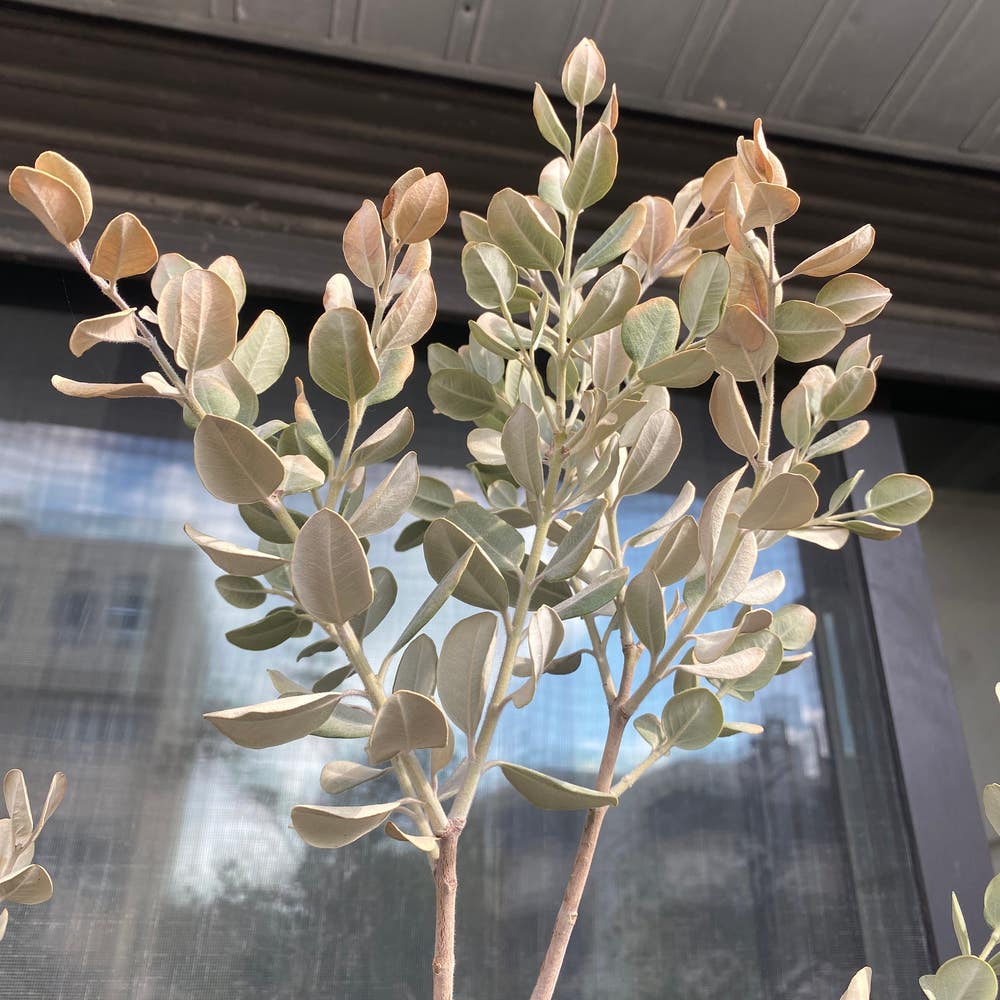
🌳 Introduction to White Rata
Metrosideros perforata
By the Greg Editorial Team
Jan 23, 2025•11 min read
This article was created with the help of AI so we can cover more plants for you. May contain errors. See one? Report it here.
Elevate your garden with the stunning white rata, a vibrant plant that attracts pollinators and thrives effortlessly! 🌼🌱
- 🌞 White rata thrives in full sun to partial shade; choose the right location!
- 🌱 Ideal soil pH is 6.0 to 7.0; ensure well-draining conditions for growth.
- 🌼 Plant in early spring or fall with 3-5 feet spacing for optimal results.
How to Grow
🌞 Choosing a Location
To thrive, white rata prefers full sun to partial shade. When deciding between outdoor and container growing, consider the space available and the plant's potential size.
🏗️ Soil Preparation
White rata flourishes in well-draining soil and can tolerate less-than-ideal conditions. Aim for a soil pH between slightly acidic and neutral, ideally around 6.0 to 7.0.
🌱 Planting Techniques
The best time to plant white rata is in early spring or fall. For outdoor planting, ensure you space the plants 3-5 feet apart to allow for healthy growth.
💧 Watering Requirements
Regular watering is crucial until the plant is established, but be careful to avoid waterlogging. This balance helps the roots develop without drowning.
🌿 Fertilizing Schedule
During the growing season, use a balanced NPK fertilizer to nourish your white rata. Apply it every 4-6 weeks for optimal growth.
✂️ Pruning Methods
Prune your white rata in late winter or early spring. Focus on removing dead or damaged branches to encourage healthy new growth.
🔍 Ongoing Care
Keep an eye out for pests and diseases as part of your ongoing care routine. Adjust your care practices based on seasonal changes to ensure your plant remains healthy and vibrant.
With these guidelines, you'll set your white rata up for success. Next, let's explore how to propagate this beautiful plant effectively.
Propagation
🌱 Seed Propagation
To propagate white rata from seeds, start by collecting them from mature flowers. Ensure you create a warm, moist environment for germination, which typically takes about 2 to 4 weeks.
✂️ Cutting Propagation
For cutting propagation, select healthy stems that are 4 to 6 inches long. Use a rooting medium that combines peat and perlite for optimal results.
⏳ Rooting Time
Expect the rooting process to take between 3 to 6 weeks. During this time, keep the cuttings in a warm, humid environment to encourage root development.
Propagation is a rewarding way to expand your white rata collection. Whether you choose seeds or cuttings, both methods offer unique experiences and opportunities for growth.
Lifecycle
Lifecycle Stages 🌱
The lifecycle of the white rata is a fascinating journey that unfolds in distinct stages: germination, seedling, vegetative growth, flowering, and seed production. Each stage plays a crucial role in the plant's development and overall health.
Germination Process 🌡️
Germination is the first step, requiring optimal temperatures between 20-25°C (68-77°F). This warm environment encourages the seeds to sprout and begin their growth journey.
Seedling Stage 🌿
Once germination occurs, the seedling stage lasts about 4-6 weeks. During this time, the plant develops its true leaves, marking its transition to a more robust growth phase.
Vegetative Growth 🌳
Following the seedling stage, the white rata enters vegetative growth, which can last from 1 to 2 years. This period is vital for establishing a strong foundation, as the plant focuses on building its structure and foliage.
Flowering and Seed Production 🌼
Flowering typically occurs in late spring to early summer, showcasing the plant's beautiful blooms. After flowering, the white rata produces seeds, ensuring the continuation of its lifecycle.
Time to Maturity ⏳
The full growth of the white rata takes approximately 2-3 years. Its growth rate is moderate, influenced by factors such as soil quality, sunlight, and water availability, making patience essential for gardeners.
Understanding these lifecycle stages helps you appreciate the growth process of the white rata and ensures you provide the right care at each phase. Next, we’ll explore the size of this remarkable plant and how its growth conditions can affect its overall dimensions.
Size
Mature Height and Spread 🌳
The white rata typically reaches an average height of 10 to 20 feet, making it a striking addition to any landscape. Its spread ranges from 5 to 10 feet, allowing it to fill space without overwhelming nearby plants.
Growth Rate and Size Variability 📈
Several factors influence the growth rate and size of white rata. Soil quality, sunlight exposure, and water availability all play crucial roles in determining how robust and tall your plant will grow.
Impact of Growing Conditions on Size 🌦️
Growing conditions significantly affect the size of white rata. For instance, plants grown in containers often remain smaller than those planted in the ground due to limited root space, which restricts their overall growth potential.
Understanding these size characteristics can help you plan your garden layout effectively. With the right conditions, your white rata can thrive and become a beautiful focal point in your outdoor space.
Roots
Root System Characteristics 🌱
The white rata features a fibrous root system that is typically shallow yet spreads extensively. This structure allows the plant to efficiently absorb nutrients and water from the surrounding soil.
Common Root-Related Issues 🚫
One of the most common problems faced by white rata is root rot, which occurs due to overwatering. Signs of this issue include wilting leaves and yellowing foliage, indicating that the roots are struggling.
Identifying Healthy vs. Unhealthy Roots 🔍
Healthy roots are firm, white, and spread throughout the soil, indicating a robust plant. In contrast, unhealthy roots appear brown, mushy, or may even emit a foul smell, signaling that the plant is in distress.
Recognizing Rootbound Plants 🪴
If you notice roots growing out of the drainage holes of your container, your plant may be rootbound. The solution is simple: repot the plant into a larger container or divide it to promote healthy growth.
Understanding the root system of your white rata is crucial for its overall health. By monitoring root conditions and addressing any issues promptly, you can ensure your plant thrives beautifully.
Next, let's explore the numerous benefits of growing this stunning plant in your garden.
Benefits
Top 5 Benefits 🌟
1. Attracts Pollinators
White Rata is a magnet for pollinators, including bees and butterflies. This not only enhances your garden's biodiversity but also supports the ecosystem.
2. Provides Habitat for Wildlife
The dense foliage of White Rata offers shelter and food for various local wildlife. This makes it an excellent choice for creating a thriving garden environment.
3. Aesthetic Appeal
With its fragrant flowers and lush greenery, White Rata adds a stunning visual element to any landscape. Its beauty can transform ordinary spaces into vibrant, inviting areas.
4. Drought-Tolerant
Once established, White Rata is remarkably drought-tolerant. This characteristic reduces your garden's water needs, making it an eco-friendly choice.
5. Cultural Significance
In New Zealand, White Rata symbolizes strength and resilience. Incorporating this plant into your garden not only enhances its beauty but also connects you to a rich cultural heritage.
These benefits make White Rata a fantastic addition to any garden, offering both practical advantages and aesthetic charm. As we delve deeper into the specifics of growing and caring for this remarkable plant, you'll discover how to maximize its potential in your own outdoor space.
Companion Plants
Concept of Companion Planting 🌱
Companion planting is a gardening strategy that enhances diversity and promotes plant health. By pairing compatible plants, you can improve pest management and create a more vibrant garden ecosystem.
Best Companion Plants 🌼
When it comes to white rata, consider planting it alongside native New Zealand plants and flowering herbs. These companions share similar care needs and can help repel pests, making them excellent partners in your garden.
Plants to Avoid 🚫
Be cautious with plants that have high water requirements or aggressive growth habits. These can compete with white rata for resources, leading to poor growth and health for both species.
Toxicity to Humans
Safety for Humans 🛡️
White Rata is generally safe for humans, as it is not listed as toxic by major poison control centers. This makes it a great addition to your garden without the worry of harmful effects.
Potential Minor Issues ⚠️
While serious toxicity is not a concern, there can be minor issues. Some individuals may experience mild skin irritation or digestive discomfort if they consume large quantities of the plant.
Cautionary Advice ⚠️
It's always wise to exercise caution with any plant. If you notice unusual symptoms after contact or ingestion, seek medical advice promptly to ensure your safety.
Toxicity to Dogs
Safety for Dogs 🐶
White Rata is generally safe for dogs, as it is not listed as toxic by major pet poison control centers. This means you can enjoy your garden without worrying too much about your furry friends.
Potential Minor Issues 🤢
However, if a dog consumes large quantities of White Rata, it may experience mild gastrointestinal upset. This could manifest as a slight stomach ache or an upset tummy, but it's usually nothing serious.
Tips for Introducing to Homes with Dogs 🏡
To keep your dog safe, it's wise to place White Rata out of their reach. Additionally, monitor your dog's behavior around the plant, watching for any unusual reactions or signs of discomfort.
With these precautions, you can enjoy the beauty of White Rata while ensuring your dog's well-being. Next, let's explore how this plant interacts with our feline friends.
Toxicity to Cats
Safety for Cats 🐱
White Rata is not listed as toxic by major pet poison control centers. This means you can enjoy its beauty without worrying about your feline friends.
Potential Minor Issues ⚠️
While generally safe, consuming large quantities of White Rata may cause mild gastrointestinal upset in cats. It's always best to keep an eye on their behavior after any plant interaction.
Tips for Introducing to Homes with Cats 🏡
To ensure a safe environment, place White Rata where cats cannot easily access it.
Monitoring Behavior 👀
Keep an eye on your cat for any unusual reactions after introducing this plant into your home. If you notice anything concerning, consult your veterinarian for advice.
With these precautions, you can enjoy the charm of White Rata while keeping your furry companions safe.
Problems
Common Problems 🌱
1. Incorrect Watering
Watering issues are a common pitfall for many gardeners. If you notice wilting or yellowing leaves, it’s a sign that your watering routine needs adjustment.
To remedy this, check the soil moisture regularly and modify your watering frequency accordingly. Remember, it's better to underwater than overwater!
2. Incorrect Light Conditions
Light conditions can make or break your plant's health. If your white rata is exhibiting leggy growth or scorched leaves, it’s likely not getting the right amount of light.
Consider relocating your plant to a spot that offers the appropriate light levels. Your plant will thank you with healthier growth!
3. Incorrect Temperature
Temperature fluctuations can stress your white rata. Symptoms like stunted growth or leaf drop indicate that your plant is uncomfortable.
To protect it, shield your plant from extreme temperatures, whether it’s too hot or too cold. A little adjustment can go a long way!
4. Diseases
Diseases such as powdery mildew and rust can plague your white rata. Keeping an eye out for these common issues is crucial for maintaining plant health.
To combat these diseases, improve air circulation around your plant and apply fungicides as needed. Prevention is key!
5. Leaf Issues
Leaf problems can signal underlying care issues. Yellowing or fuzzy growth often points to improper watering or light conditions.
Assess your plant’s environment and adjust your care routine accordingly. A little attention can restore your plant's vibrancy!
Conclusion 🌼
By being aware of these common problems and their solutions, you can ensure your white rata thrives. Next, let’s explore how to effectively manage pests that may threaten your plant's health.
Bugs
Potential Pest Issues 🐛
While the white rata is generally pest-resistant, it can still encounter some challenges. Awareness of potential pest issues is crucial for maintaining the health of your plant.
Identification of Pests 🔍
Common pests that may target your white rata include spider mites, aphids, and whiteflies. Identifying these pests early can help prevent significant damage.
Damage Caused by Pests ⚠️
Symptoms of pest infestations often manifest as wilting, leaf discoloration, or stunted growth. Keeping an eye out for these signs can help you act swiftly.
Effective Treatment Options 💊
For organic treatment, consider using neem oil or insecticidal soap, which are effective and environmentally friendly. If necessary, chemical pesticides can be used as a last resort, but always follow the manufacturer's instructions for safety.
By staying vigilant and addressing pest issues promptly, you can ensure your white rata thrives beautifully in your garden. Next, let's explore what animals might pose a threat to your plant.
What Eats
🦌 Common Animals
When it comes to your white rata, several animals might see it as a tasty treat. Deer, rabbits, squirrels, birds, and rodents are the main culprits that can cause significant damage to your plants.
👀 Signs of Animal Presence
Identifying these furry and feathered visitors is crucial for protecting your garden. Look for signs like chewed leaves, droppings scattered around, and tracks that indicate their movement.
⚔️ Damage Description and Deterrent Methods
The damage caused by these animals can vary. They may browse on leaves or even trample your plants, leading to unsightly and unhealthy growth.
To deter these pests, consider implementing a few strategies:
- Fencing: A sturdy fence can keep larger animals like deer and rabbits at bay.
- Repellents: Use natural or commercial repellents to discourage animals from munching on your plants.
- Companion Planting: Planting certain species alongside your white rata can help mask its scent or deter pests.
By being proactive and observant, you can safeguard your white rata from these common threats. Now, let's explore how to ensure your plant thrives despite these challenges!
⚠️ Safety First
This content is for general information and may contain errors, omissions, or outdated details. It is not medical, veterinary advice, or an endorsement of therapeutic claims.
Always consult a qualified healthcare professional before using any plant as food, medicine, or supplement.
Never eat any plant (or feed one to pets) without confirming its identity with at least two trusted sources.
If you suspect poisoning, call Poison Control (800) 222-1222, the Pet Poison Helpline (800) 213-6680, or your local emergency service immediately.
Spotted an error? Please report it here.
Grow your white rata like a pro 🌱 with Greg's tailored watering alerts and expert community tips to help you navigate its unique care needs!