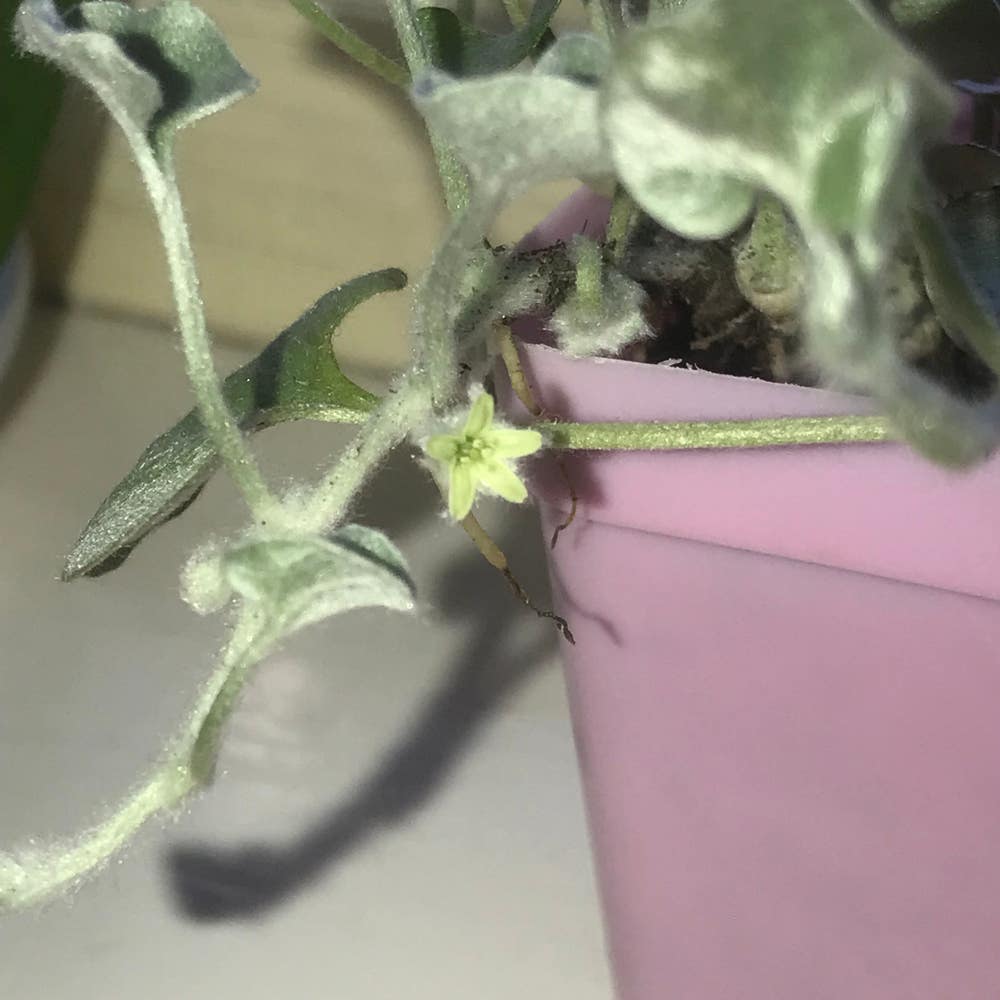
Understanding White Dichondra: The Basics
Dichondra repens 'Album'
By the Greg Editorial Team
Feb 19, 2025•11 min read
This article was created with the help of AI so we can cover more plants for you. May contain errors. See one? Report it here.
- 🌞 White Dichondra thrives in full sun to partial shade; choose the right location!
- 🌱 Well-drained, fertile soil with pH 6.0-7.0 is essential for healthy growth.
- 💧 Regular watering and balanced fertilization promote thriving, low-maintenance ground cover.
How to Grow
Choosing a Location 🌞
White Dichondra thrives in full sun to partial shade. While it can tolerate light shade, it truly flourishes in sunny spots, making location a key factor in its growth.
Soil Preparation 🌱
For optimal growth, ensure you have well-drained, fertile soil. Aim for a pH level between 6.0 and 7.0, as this range supports healthy development and prevents issues like root rot.
Planting Techniques 🌿
When planting, space your Dichondra 12-18 inches apart to allow for adequate spread. Seeds or cuttings should be planted at a depth of 1-2 inches for best results.
Watering Requirements 💧
Initially, water your plants regularly until they are established. After that, you can reduce the frequency, using methods like drip irrigation or soaker hoses to maintain consistent moisture.
Fertilizing 🍽️
A balanced NPK fertilizer (10-10-10) is ideal for feeding your Dichondra. Fertilize every 4-6 weeks during the growing season to promote lush growth.
Pruning and Ongoing Care ✂️
Regular trimming is essential to encourage dense growth and maintain an attractive appearance. Adjust your care practices according to seasonal changes to keep your plants healthy and vibrant.
With these guidelines, you're well on your way to cultivating a thriving patch of White Dichondra. Next, let's explore how to propagate this resilient plant for even more greenery in your garden!
Propagation
Seed Propagation 🌱
To start your journey with White Dichondra, sow seeds about 1/4 inch deep in well-prepared soil. Germination typically takes 14-21 days, so be patient as you watch your garden come to life.
Cutting Propagation ✂️
If you prefer a quicker method, consider taking cuttings. Select healthy stems that are 4-6 inches long, ensuring they are robust and free from disease.
Rooting Method 🌿
Once you have your cuttings, place them in a moist potting mix. In about 2-4 weeks, you should see roots developing, giving yoWhite Dichondraady to thrive in your garden.
With these propagation techniques, you can easily expand your White Dichondra collection. Whether through seeds or cuttings, you'll enjoy the satisfaction of nurturing new growth. Next, let's explore the lifecycle of this resilient plant and what to expect as it matures.
Lifecycle
Lifecycle Stages 🌱
White Dichondra has a fascinating lifecycle that begins with either seeds or cuttings. From germination to full growth, this process typically spans about 3-4 months.
Lifespan ⏳
As a perennial plant, White Dichondra can thrive for several years when given optimal conditions. This longevity makes it a reliable choice for gardeners looking to establish lasting ground cover.
Growth Timeline 📅
In ideal circumstances, youWhite Dichondrate Dichondra to reach maturity in approximately 3-4 months. This moderate growth rate allows it to establish quickly, filling in spaces beautifully.
Growth Rate 📈
The growth rate of White Dichondra is moderate, meaning it won’t take over your garden overnight. However, with the right care, it can quickly become a lush, green carpet that enhances your landscape.
With its manageable growth and longevity, White Dichondra is a fantastic option for those seeking a low-maintenance yet visually appealing ground cover. Next, let’s explore the size of this versatile plant and what you can expect in terms of height and spread.
Size
Mature Height and Spread 🌱
White Dichondra typically reaches a mature height of 2 to 4 inches, making it an ideal low-growing ground cover. It can spread impressively, covering an area of up to 3 feet, creating a lush, green carpet in your garden.
Growth Rate and Time to Full Size ⏳
Under optimal conditions, White Dichondra can achieve its full size in just 3 to 4 months. This moderate growth rate allows for quick establishment, making it a poWhite Dichondrar gardeners looking for rapid coverage.
Size Variability 📏
Several factors can influence the size of your White Dichondra. Light exposure, soil quality, and water availability play crucial roles in determining how well this plant thrives and how expansive its coverage will be.
With the right conditions, you can enjoy a vibrant and lush ground cover that enhances your outdoor space. As you plan your garden, consider these size factors to ensure your White Dichondra flourishes beautifully.
Next, let's explore the root system characteristics that support this resilient plant.
Roots
Root System Characteristics 🌱
White Dichondra White Dichondraous root system that is both shallow and spreading. This structure allows it to efficiently absorb moisture and nutrients from the upper soil layers.
Common Root-Related Issues ⚠️
One of the most common problems with White Dichondra is root rot, which occurs due to overwatering. Signs of this issue include wilting leaves and yellowing foliage, indicating that the roots are struggling.
Another concern is becoming rootbound, where the plant's growth is stunted due to limited space. Symptoms include a pot-bound appearance and a noticeable lack of new growth.
Visual Cues for Healthy vs. Unhealthy Roots 👀
Healthy roots are characterized by their firmness and white color, showing no signs of decay. In contrast, unhealthy roots appear dark and mushy, signaling potential rot and the need for immediate action.
By keeping an eye on these root characteristics, you can ensure your White Dichondra thrives. PropWhite Dichondraention to root health will lead to a lush, vibrant ground cover that enhances your garden.
As we move forward, let’s explore the benefits of White Dichondra and how it can elevate your outdoor space.
Benefits
Top 5 Benefits 🌟
White Dichondra is not just a pretty face in the garden; it offers a range of benefits that make it a fantastic choice for any landscape.
Aesthetic Appeal: With its lush green foliage, White Dichondra creates an attractive ground cover that enhances the beauty of your garden. Its vibrant color and texture can transform any dull area into a lively space.
Low Maintenance: Once established, this plant requires minimal care. It thrives with little intervention, making it perfect fWhite Dichondrars or those who prefer a hands-off approach.
Drought Resistance: White Dichondra is a champion when it comes to drought tolerance. It can withstand dry conditions, which means you can enjoy a beautiful garden without constantly worrying about watering.
Soil Erosion Control: This plant plays a crucial role in stabilizing soil aWhite Dichondrarosion. Its spreading nature helps hold the soil in place, making it an excellent choice for slopes or areas prone to washouts.
Wildlife Habitat: White Dichondra provides shelter for beneficial insects and small animals. By incorporating this plant into your garden, you create a welcoming environment for wildlife, promoting biodiversity.
These benefits make White Dichondra a versatile and valuable addition to any garden. Whether you're looking for beauty, ease of care, or ecological advantages, this plant has it all.
As we explore further, let’s dive into the fascinating world of companion plants that can enhance your gardening experience with White Dichondra.White DichondraPlants
🌱 Companion Planting Benefits
Companion planting is a fantastic way to enhance your garden's diversity and promote healthy growth. By pairing plants that support each other, you can create a thriving ecosystem that benefits all.
🌿 Best Companion Plants
When it comes to White Dichondra, consider low-growing herbs like thyme and oregano. These herbs not only share similar care needs but also add delightful aromas to your garden.
Another great option is creeping thyme, which complements Dichondra beautifully. This ground cover not only provides visual appeal but also helps with soil coverage, creating a lush, green carpet.
🚫 Plants to Avoid
While many plants can thrive alongside White Dichondra, it's essential to avoid aggressive growers. These plants can outcompete Dichondra for resources, leading to stunted growth and a less vibrant garden.
By selecting the right companions, you can ensure that your White Dichondra flourishes while creating a harmonious garden environment. Next, let’s explore the potential toxicity of White Dichondra to pets and humans.
Toxicity to Humans
White Dichondra is generally safe for human contact. It’s not listed as toxic, making it a popular choice for gardens and landscapes.
However, there are a few potential minor issues to be aware of. Some individuals may experience mild skin irritation or digestive discomfort if they consume large quantities of the plant.
It's always wise to exercise caution. If you notice any unusual symptoms after contact or consumption, seeking medical advice is the best course of action.
In summary, while White Dichondra is safe, a little mindfulness goes a long way in ensuring a pleasant gardening experience.
Toxicity to Dogs
White Dichondra is generally safe for dogs, according to veterinary organizations. This means you can enjoy your garden without worrying about your furry friends getting into trouble.
🐶 Potential Minor Issues
While it's not toxic, consuming large quantities of White Dichondra may cause mild gastrointestinal upset in dogs. It's always a good idea to monitor your pet's behavior if they decide to nibble on your plants.
🌱 Tips for Introducing
When introducing White Dichondra to your garden, consider its placement carefully. Keep an eye on your dog's interactions with the plant to ensure they don't overindulge.
In summary, White Dichondra is a dog-friendly option for your garden. With a little monitoring, you can create a beautiful space that both you and your pets can enjoy.
Toxicity to CatsWhite Dichondrara is not considered toxic to cats, according to veterinary organizations. This means you can enjoy this lush ground cover without worrying about your feline friends getting sick.
However, if your cat munches on large quantities, it might experience mild gastrointestinal upset. Keep an eye on your pet to ensure they don’t overindulge.
🌱 Tips for Introducing White Dichondra
When introducing White Dichondra to your garden, consider its placement carefully. Position it in areas where your cat is less likely to dig or nibble excessively.
Monitoring your cat's behavior around the plant is also essential. This way, you can ensure they are safe and happy while enjoying your beautiful gardDichondrah these precautions, you can create a vibrant space that both you and your pets can enjoy!
Problems
Common Problems 🌱
Growing White Dichondra can be a rewarding experience, but it’s not without its challenges. Here are some common issues you might encounter:
Overwatering: This is one of the most frequent problems. Signs include yellowing leaves and wilting, indicating that the roots are drowning.
Light Issues: Insufficient light can lead to leggy growth, where the plant stretches toward the light source, resulting in a weak appearance.
Diseases: Fungal issues, such as powdery mildew and root rot, can affect your plants, especially in humid conditions.
Identification and Resolution 🔍
Identifying these problems early can save your Dichondra from serious damage.
Overwatering: If you notice yellowing leaves, reduce your watering frequency and improve drainage. Ensure your soil allows excess water to escape.
Light Conditions: If your plants are leggy, consider moving them to a sunnier location. White Dichondra thrives best in full sun to partial shade.
Diseases: For fungal issues, treat with appropriate fungicides and improve air circulation around your plants. This can help prevent future outbreaks.
By staying vigilant and addressing these common problems, you can maintain a healthy and vibrant White Dichondra garden. Next, let’s explore how to effectively propagate this beautiful plant.
Bugs
🐜 Potential Pest Issues
While White Dichondra is generally pest-resistant, it can still fall victim to certain pests. Keeping an eye out for these invaders is crucial for maintaining a healthy garden.
🔍 Identification and Treatment
Spider Mites
These tiny pests can wreak havoc on your Dichondra. Look for webbing and stiDichondraves as telltale signs. If you spot them, treat the affected areas with insecticidal soap to eliminate the infestation.
Aphids
Aphids are another common nuisance, often found on new growth. Their presence can be identified by their small size and the sticky residue they leave behind. Control these pests using neem oil or by introducing ladybugs, which are natural predators.
By staying vigilant and addressing these pest issues promptly, you can keep your White Dichondra thriving and beautiful. Next, let’s explore what animals might be munching on your plants and how to deter them effectively.
What Eats White Dichondra
Common Animals 🦌
White Dichondra can attract a variety of garden visitors.
Deer: These graceful creatures often leave signs of their presence with chewed leaves and broken stems.
Rabbits: Look for evidence of nibbling on the foliage, as these little munchers can quickly decimate your plants.
Squirrels: While they may not eat the leaves, squirrels can dig up roots or disturb the plants, causing damage.
Signs of Animal Presence 🐾
Identifying animal activity around your Dichondra is crucial for effective management.
Keep an eye out for:
- Chewed leaves that indicate feeding.
- Tracks or footprints that suggest movement around the plant.
- Droppings, which can confirm the presence of these critters.
Deterrent Methods 🚫
Protecting your Dichondra from these hungry animals can be achieved through various methods.
Chemical repellents: Consider using commercial deer and rabbit repellents to create a barrier that discourages these animals from feasting on your plants.
Organic control methods: Planting deterrent species or using physical barriers like fences can help keep your Dichondra safe from unwanted nibblers.
By being proactive and observant, you can enjoy the beauty of your White Dichondra without the worry of it becoming a snack for local wildlife.
Next, let’s explore the common problems that can affect your Dichondra and how to tackle them effectively.
⚠️ Safety First
This content is for general information and may contain errors, omissions, or outdated details. It is not medical, veterinary advice, or an endorsement of therapeutic claims.
Always consult a qualified healthcare professional before using any plant as food, medicine, or supplement.
Never eat any plant (or feed one to pets) without confirming its identity with at least two trusted sources.
If you suspect poisoning, call Poison Control (800) 222-1222, the Pet Poison Helpline (800) 213-6680, or your local emergency service immediately.
Spotted an error? Please report it here.
Transform your garden with thriving White Dichondra 🌱 by using Greg's tailored care reminders to keep your plants healthy and happy with minimal effort!