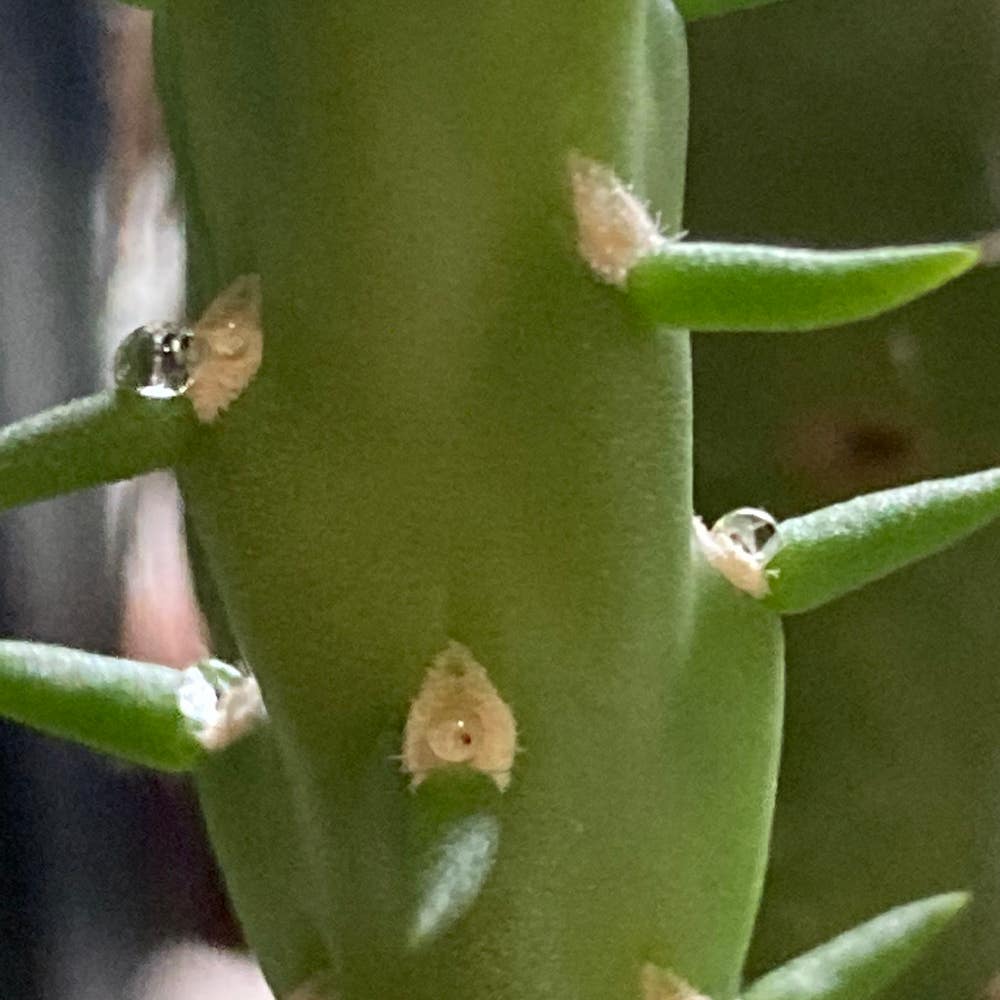
🌵 Overview of Whipple Cholla
Cylindropuntia whipplei
By the Greg Editorial Team
Jan 09, 2025•11 min read
This article was created with the help of AI so we can cover more plants for you. May contain errors. See one? Report it here.
Elevate your garden's charm with the stunning, low-maintenance Whipple Cholla cactus! 🌵✨
- 🌞 Whipple Cholla needs 6-8 hours of sunlight daily for optimal growth.
- 🌵 Water infrequently; let soil dry completely to prevent root rot.
- 🐾 Safe for pets; non-toxic but large quantities may cause mild upset.
How to Grow
🌞 Choosing a Location
To thrive, Whipple Cholla needs full sun exposure, ideally basking in 6-8 hours of sunlight daily. When deciding between outdoor and container growing, consider the plant's need for protection against extreme weather conditions, which can be crucial for its survival.
🏜️ Soil Preparation
Whipple Cholla flourishes in well-draining sandy or rocky soil. Aim for a soil pH between 6.0 and 7.0, and enhance drainage by incorporating sand or perlite into your mix.
🌱 Planting Techniques
When planting, ensure the cactus is set 2-3 inches deep in the soil. For outdoor planting, space them 3-4 feet apart; if potting, choose a container with a minimum diameter of 12 inches.
🚰 Watering Requirements
Watering should be infrequent, allowing the soil to dry out completely between sessions. During the active growth period in spring and summer, adjust your watering frequency to accommodate the plant's needs.
🍽️ Fertilizing Guidelines
Feed your Whipple Cholla lightly with a cactus-specific fertilizer during the growing season. Opt for low-nitrogen, slow-release options to promote healthy growth without overwhelming the plant.
✂️ Pruning Methods
Pruning is generally minimal, mainly for shaping or removing any dead stems. Use clean, sharp pruning shears to ensure a tidy cut and prevent disease.
🔍 Ongoing Care
Regularly monitor your cactus for pests and diseases, adjusting care as needed with the changing seasons. In colder months, take precautions to protect your Whipple Cholla from frost damage, ensuring it remains healthy and vibrant.
With these guidelines, you'll be well on your way to cultivating a thriving Whipple Cholla that can enhance your garden's beauty and resilience. Next, let’s explore the fascinating process of propagation!
Propagation
🌱 Seed Propagation
Seed propagation is a rewarding way to grow Whipple Cholla. Start by collecting seeds from mature fruit in late summer.
To ensure successful germination, provide warm, well-draining soil with adequate light exposure. Expect germination to take about 2-4 weeks.
✂️ Cutting Propagation
Cutting propagation is another effective method for expanding your Whipple Cholla collection. Select healthy, mature stems that are 4-6 inches long for the best results.
After cutting, allow the stems to dry and callous for 1-2 days before planting. Use a well-draining cactus mix as the rooting medium to promote healthy growth.
With these propagation techniques, you can easily cultivate new plants and enjoy the beauty of Whipple Cholla in your garden. Next, let’s explore the lifecycle of this fascinating cactus.
Lifecycle
Lifecycle Stages 🌱
Whipple Cholla is a perennial cactus, meaning it lives for multiple years and continues to grow and reproduce throughout its life. This characteristic allows it to thrive in its native desert environments.
Germination Process 🌞
For successful germination, Whipple Cholla seeds require warm temperatures and consistent moisture. These optimal conditions set the stage for the seeds to sprout and begin their journey.
Seedling Stage 🌿
Once germinated, the seedling stage lasts about 1-2 years. During this time, the young cactus establishes its root system and begins to adapt to its surroundings.
Vegetative Growth 🌼
As the Whipple Cholla matures, it enters a phase of moderate growth. You'll notice visible changes during spring and summer, when the plant actively grows and expands.
Flowering and Seed Production 🌸
In spring, Whipple Cholla showcases its vibrant flowers, which bloom for several weeks. After flowering, the cactus produces seeds that mature by late summer, ensuring the cycle continues.
Lifespan and Growth Rate ⏳
The lifespan of a Whipple Cholla can range from 10 to 30 years, depending on environmental conditions. Typically, it takes about 3-5 years to reach full maturity, allowing it to thrive and reproduce effectively.
This lifecycle not only highlights the resilience of the Whipple Cholla but also emphasizes the importance of proper care to support its growth. Understanding these stages can help you cultivate a thriving cactus in your own garden.
Size
Mature Height and Spread 🌵
Whipple Cholla typically reaches an average height of 2 to 3 feet. Its spread mirrors this, creating a compact yet striking presence in any garden.
Growth Rate and Size Variability 📈
This cactus exhibits a moderate growth rate, which can vary based on its environment. Factors like light, water, and soil quality play significant roles in how quickly it grows.
Impact of Growing Conditions on Size 🌞
Several conditions influence the size of Whipple Cholla. Optimal soil quality, adequate water availability, and sufficient sunlight exposure are crucial for achieving its full potential.
Understanding these factors can help you cultivate a thriving Whipple Cholla that enhances your landscape beautifully. As we move forward, let’s explore the roots of this resilient cactus and how they contribute to its overall health.
Roots
🌱 Root System Characteristics
Whipple Cholla features a fibrous root system that helps it thrive in arid environments. This type of root structure is essential for maximizing water absorption from the soil.
📏 Depth and Spread of Roots
Typically, the roots extend 1-2 feet deep, allowing the plant to access moisture. Interestingly, the root spread can be wider than the plant's canopy, which aids in stability and nutrient uptake.
⚠️ Common Root-Related Issues
One of the most common problems is root rot, often caused by overwatering. Signs of this issue include mushy roots, which can lead to the plant's decline if not addressed promptly.
🔍 Identifying Healthy vs. Unhealthy Roots
Healthy roots are firm and exhibit a white or light tan color. In contrast, unhealthy roots appear dark, mushy, or may even emit a foul smell, indicating a need for immediate action.
🌿 Recognizing Rootbound Plants
If you notice stunted growth or roots emerging from drainage holes, your plant may be rootbound. The solution is simple: repot the cactus into a larger container to give it room to grow and thrive.
Understanding the root system of Whipple Cholla is crucial for its care and longevity. With proper attention, you can ensure your cactus remains healthy and vibrant.
Benefits
Top 5 Benefits 🌟
1. Drought-tolerant
Whipple Cholla is a champion when it comes to water conservation. It thrives on minimal water, making it a perfect choice for xeriscaping.
2. Low maintenance
Once established, this cactus requires very little care. It’s a great option for busy gardeners or those who prefer a hands-off approach.
3. Aesthetic appeal
With its unique structure and vibrant flowers, Whipple Cholla adds a striking visual element to any garden. It’s not just a plant; it’s a conversation starter.
4. Wildlife attraction
This cactus provides essential habitat and food for local wildlife. By planting Whipple Cholla, you’re contributing to the ecosystem and supporting local fauna.
5. Cultural significance
Historically, Whipple Cholla has been used in traditional practices by indigenous peoples. Its cultural roots add depth to its presence in your garden.
Embracing the Whipple Cholla not only enhances your garden's beauty but also supports sustainability and biodiversity. Next, let’s explore the concept of companion planting and how it can further enrich your gardening experience.
Companion Plants
🌱 Concept of Companion Planting
Companion planting is all about creating a thriving garden ecosystem. By pairing plants that benefit each other, you can enhance garden diversity, improve pest management, and boost overall plant health.
🌼 Best Companion Plants
When it comes to Whipple Cholla, consider planting it alongside drought-tolerant companions like Agave and Desert Marigold. These plants share similar care needs and can help repel pests, making them ideal partners in your garden.
🚫 Plants to Avoid
Steer clear of high-water-demand plants that may compete for resources with your Whipple Cholla. These plants can disrupt the delicate balance of moisture and nutrients that your cactus thrives on.
Incorporating the right companions can elevate your gardening experience, making it not just about aesthetics but also about fostering a healthy environment for your plants. With thoughtful planning, your garden can flourish beautifully!
Toxicity to Humans
Whipple Cholla is generally safe for humans, as it is not listed as toxic by major poison control centers. However, it's wise to be aware of potential minor issues, such as mild skin irritation or digestive discomfort if consumed in large quantities.
While the risks are minimal, caution is always a good approach. If you experience any unusual symptoms after contact or consumption, it's best to seek medical advice promptly. Staying informed helps ensure a safe and enjoyable experience with this unique cactus.
Toxicity to Dogs
Whipple Cholla is not considered toxic by major pet poison control centers. This means your furry friends can roam around these cacti without the risk of serious harm.
However, if a dog consumes large quantities of the plant, it may experience mild gastrointestinal upset. Keep an eye on your pet's behavior and health if they show interest in nibbling on your Whipple Cholla.
🐶 Tips for Safe Placement
To ensure your dog's safety, consider the following tips:
- Location Matters: Place the plant in an area that’s less accessible to your dog.
- Monitor Behavior: Keep an eye on your pet's interactions with the plant, especially if they have a tendency to chew on things.
By taking these precautions, you can enjoy the beauty of Whipple Cholla while keeping your canine companion safe.
Next, let’s explore how this fascinating plant interacts with cats and their safety around it.
Toxicity to Cats
Whipple Cholla is not listed as toxic by major pet poison control centers. This means your feline friends can safely coexist with this beautiful cactus.
However, if a cat consumes large quantities, it may experience mild gastrointestinal upset.
🐾 Tips for Safe Placement
To keep your cat safe, consider the following:
- Proper Placement: Position the Whipple Cholla out of reach to prevent curious cats from nibbling on it.
- Monitoring Behavior: Keep an eye on your pet's interactions with the plant to ensure they don’t develop a habit of chewing on it.
By taking these precautions, you can enjoy the beauty of Whipple Cholla while keeping your furry companions safe.
As we move on, let’s explore the common problems that can arise when caring for this resilient cactus.
Problems
Common Problems 🌱
Incorrect Watering
Watering is crucial for Whipple Cholla health. Overwatering leads to wilting, while underwatering causes shriveling.
To fix this, adjust your watering frequency based on the soil's moisture level. Always check the soil before watering to ensure it’s completely dry.
Incorrect Light Conditions
Light is another key factor. If your plant is not getting enough sunlight, it may exhibit etiolated growth or leaf scorch.
Ensure your Whipple Cholla receives full sun exposure for at least 6-8 hours daily to thrive.
Incorrect Temperature
Temperature fluctuations can stunt growth. Cold conditions may hinder your cactus's development.
To combat this, provide protection from frost during colder months. A simple cover can make a big difference.
Diseases
Whipple Cholla can face diseases like powdery mildew and rust. These issues often arise from poor air circulation or excessive moisture.
To prevent these diseases, improve air circulation around your plants and avoid overhead watering. This keeps the foliage dry and healthy.
Leaf Issues
Leaf problems can manifest as yellowing or fuzzy growth. These symptoms often indicate underlying issues with watering or light conditions.
Assess your watering schedule and light exposure to address these leaf concerns effectively. Adjusting these factors can lead to a healthier plant.
Conclusion 🌟
By being aware of these common problems and their solutions, you can ensure your Whipple Cholla remains vibrant and healthy. Next, let’s explore the fascinating world of pests that may affect your cactus.
Bugs
🐜 Potential Pest Issues
Whipple Cholla cacti are generally known for their moderate pest resistance. However, they can still fall victim to a few pesky invaders that may disrupt their growth.
🔍 Identification and Damage
- Spider Mites: Look for fine webbing and stippled leaves, which indicate these tiny pests are at work.
- Scale Insects: These pests leave a sticky residue and cause yellowing leaves, making them easy to spot.
- Mealybugs: Identified by cotton-like masses on stems, mealybugs can weaken your cactus if left untreated.
🛠️ Effective Treatment Options
To combat these pests, consider using neem oil or insecticidal soap. Additionally, introducing beneficial insects can help keep pest populations in check, promoting a healthier environment for your Whipple Cholla.
With a little vigilance and the right treatments, you can ensure your cactus thrives despite potential pest issues. Now, let's explore how to protect your plants from common animal threats.
What Eats
Common Animals 🦌
Whipple Cholla cacti attract a variety of wildlife. Common visitors include deer, rabbits, squirrels, birds, rodents, and groundhogs.
Signs of Damage 🐾
Keep an eye out for signs of animal activity. Browsing on stems, droppings, and tracks can indicate that your Whipple Cholla is being nibbled on.
Deterrent Methods 🚧
To protect your cacti, consider several deterrent methods. Fencing can create a physical barrier, while repellents can help keep animals at bay. Additionally, planting deterrent species nearby may discourage unwanted visitors.
By taking these steps, you can ensure your Whipple Cholla thrives in your garden. Now, let’s explore the common problems that can affect its health.
⚠️ Safety First
This content is for general information and may contain errors, omissions, or outdated details. It is not medical, veterinary advice, or an endorsement of therapeutic claims.
Always consult a qualified healthcare professional before using any plant as food, medicine, or supplement.
Never eat any plant (or feed one to pets) without confirming its identity with at least two trusted sources.
If you suspect poisoning, call Poison Control (800) 222-1222, the Pet Poison Helpline (800) 213-6680, or your local emergency service immediately.
Spotted an error? Please report it here.
Cultivating Whipple Cholla is a breeze 🌵 with Greg's tailored care reminders and expert tips to help your cactus thrive in any garden!