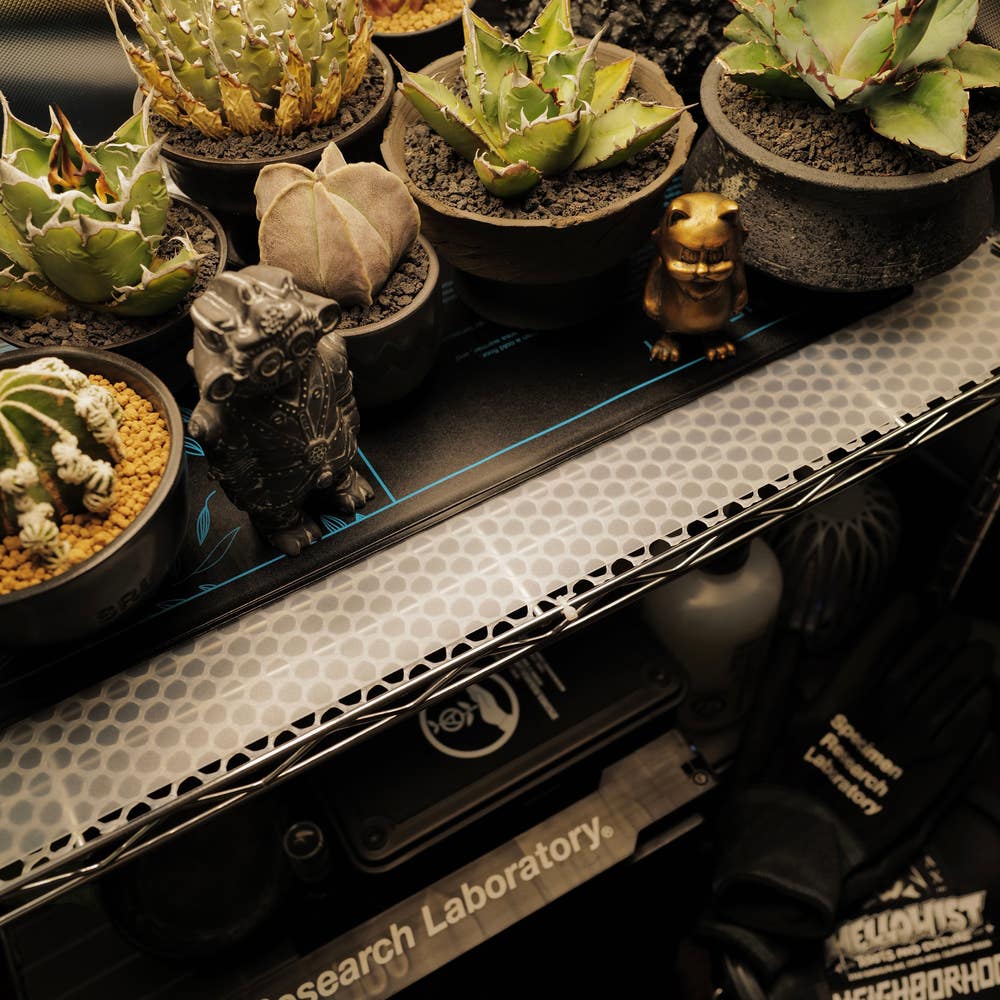
10 Perfect Spots to Grow Atacama Copiapoa 🌵
Copiapoa atacamensis
By the Greg Editorial Team
Sep 29, 2024•4 min read
This article was created with the help of AI so we can cover more plants for you. May contain errors. See one? Report it here.
Create a thriving oasis for Atacama Copiapoa with essential tips on microclimates and protection! 🌵
- 🌞 Optimal growth requires full sun; ensure minimal shade for Atacama Copiapoa.
- 🌬️ Wind protection is essential; use barriers like shrubs to shield your cacti.
- 💧 Proper drainage prevents root rot; consider raised beds or gravel for planting.
Assessing the Best Spot
🌡️ Evaluating Microclimates
Finding the right microclimate is crucial for growing Atacama Copiapoa. Look for warmer areas, such as south-facing slopes or walls, which can absorb and retain heat.
Temperature variations play a significant role in protecting your plants from frost, especially in cooler climates. Observing local wildlife can also provide clues; certain species thrive in favorable microclimates, indicating a healthy environment for your cactus.
🌬️ Wind Protection Strategies
Wind protection is essential to prevent physical damage to your Atacama Copiapoa. Strong winds can break spines and stress the plant, so consider using natural barriers like shrubs or fences.
When planning your garden, avoid open, exposed areas. Instead, position your plants where they can benefit from some wind protection, ensuring they thrive in a more sheltered environment.
🚰 Drainage Needs and Solutions
Proper drainage is vital for preventing root rot and waterlogging in your cactus. Assess your soil's drainage by testing how quickly water infiltrates; this will help you understand its capacity to support your plants.
If you discover poor drainage, consider solutions like raised beds or adding gravel layers. These strategies can significantly improve water flow and create a healthier environment for your Atacama Copiapoa.
With the right microclimate, wind protection, and drainage solutions, you're well on your way to creating a thriving habitat for your cacti. Next, let's explore the specific location needs to ensure your plants get the best care possible.
Specific Location Needs
🌳 Shade Tolerance
Atacama Copiapoa thrives best in full sun, requiring minimal shade to flourish. If you notice stunted growth or discoloration, it’s a clear sign your plant is stressed from insufficient light.
☀️ Sun Requirements
For optimal growth, ensure your Copiapoa receives direct sunlight for most of the day. Keep in mind that seasonal variations may require you to adjust their placement based on the sun's angle throughout the year.
🍂 Seasonal Considerations for Planting
The best times to plant Atacama Copiapoa are early spring or late fall, allowing for optimal establishment. Be vigilant about seasonal temperature fluctuations, especially monitoring for frost risks that could jeopardize your plants.
Understanding these specific location needs will set you up for success in cultivating your Atacama Copiapoa. Next, let’s explore how to design a cactus garden that complements these unique requirements.
Designing a Cactus Garden
🌱 Companion Planting
Companion planting is a fantastic way to enhance your cactus garden. Pairing Atacama Copiapoa with other drought-tolerant plants like succulents and agaves can create a thriving ecosystem.
These companions not only share similar water needs but also boost biodiversity. This diversity can lead to a more resilient garden, making it visually appealing and ecologically balanced.
🎨 Aesthetic Considerations for Placement
Creating a visually stunning cactus garden involves thoughtful placement. Grouping plants together mimics natural landscapes, providing a cohesive look.
Consider height variations when arranging your plants. Taller species can serve as striking backdrops for your Atacama Copiapoa, adding depth to your garden.
Color contrasts also play a crucial role. Pairing your cacti with vibrant flowering plants can create eye-catching displays that draw the eye and elevate the overall aesthetic.
Incorporating these design elements will not only enhance the beauty of your garden but also support the health of your plants. With the right companions and thoughtful placement, your cactus garden can become a vibrant oasis.
Next, let’s explore common mistakes in site selection that can hinder your cactus-growing success.
Common Mistakes in Site Selection
💧 Overwatering Risks
Identifying poor drainage spots is crucial for the health of your Atacama Copiapoa. Look for signs of standing water, which can indicate that the soil retains too much moisture.
Overwatering can lead to root rot, a common issue that causes plant decline. It's essential to ensure your planting area has adequate drainage to keep your cactus thriving.
☀️ Inadequate Sunlight Exposure
Insufficient sunlight can stunt the growth of your Atacama Copiapoa. Recognize signs of inadequate light, such as weak, leggy growth, which indicate your plant isn't getting enough energy.
Before planting, assess your site to ensure it receives ample sunlight. This step is vital for the overall health and vitality of your cactus.
🌬️ Neglecting Wind Protection
Wind exposure poses significant risks to your cactus, including damage to spines and overall plant health. Without proper wind protection, your Atacama Copiapoa may struggle to survive harsh conditions.
Planning for windbreaks in open areas is essential. Consider using natural barriers like shrubs or fences to shield your plants from strong winds.
Understanding these common mistakes can help you create a thriving environment for your Atacama Copiapoa. Next, let’s explore specific location needs to ensure your cactus flourishes.
⚠️ Safety First
This content is for general information and may contain errors, omissions, or outdated details. It is not medical, veterinary advice, or an endorsement of therapeutic claims.
Always consult a qualified healthcare professional before using any plant as food, medicine, or supplement.
Never eat any plant (or feed one to pets) without confirming its identity with at least two trusted sources.
If you suspect poisoning, call Poison Control (800) 222-1222, the Pet Poison Helpline (800) 213-6680, or your local emergency service immediately.
Spotted an error? Please report it here.
Position your Atacama Copiapoa for maximum growth potential 🌞 with Greg's tailored tips on sunlight, drainage, and wind protection to create a thriving cactus garden!