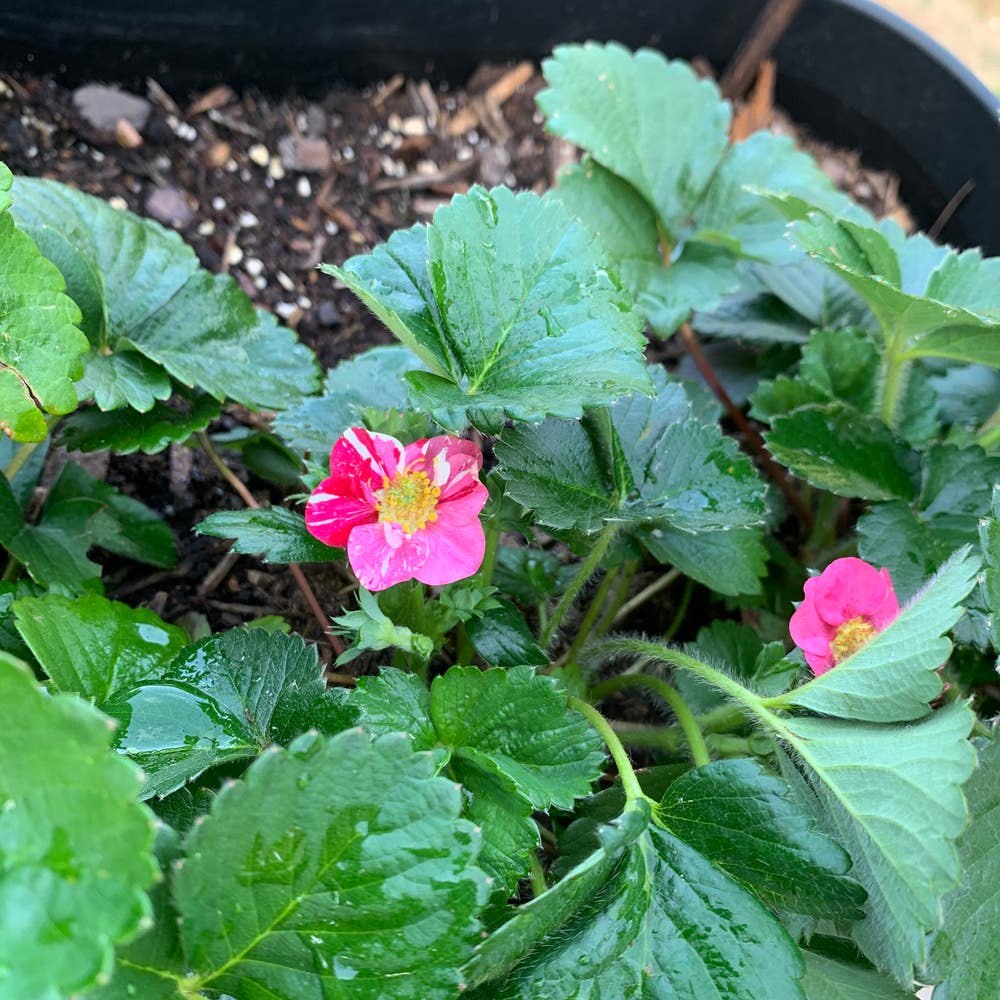
Best Time to Plant Your White Cinquefoil 🌼
Potentilla alba
By the Greg Editorial Team
Oct 16, 2024•3 min read
This article was created with the help of AI so we can cover more plants for you. May contain errors. See one? Report it here.
Unlock vibrant blooms of White Cinquefoil 🌼 by mastering the perfect planting timing for your region!
- 🌱 Plant White Cinquefoil after the last frost for optimal growth and health.
- 🌡️ Soil temperature should be 65°F to 70°F for ideal root development.
- 🗓️ Regional timing varies; adapt planting based on local climate conditions.
Timing for Planting White Cinquefoil
❄️ Frost Dates and Their Importance
Frost dates are crucial for successful planting. They refer to the last frost date in spring and the first frost date in fall, marking the safe window for planting.
Planting too early risks frost damage to seedlings, which can stunt growth or kill the plants. To find your local frost dates, consult USDA hardiness zone maps or reach out to local agricultural extensions.
For optimal growth, plant after the last frost date. For instance, in New York, the last frost date typically falls around mid-May.
🌡️ Soil Temperature Considerations
The ideal soil temperature for White Cinquefoil ranges from 65°F to 70°F (18°C to 21°C). This temperature range promotes healthy root development and overall plant vigor.
You can check soil temperature using a soil thermometer or the touch test. It’s best to wait until the soil reaches this optimal temperature before planting to ensure robust growth.
☀️ Day Length and Growth Impact
Photoperiod, or the length of daylight, significantly affects plant growth. White Cinquefoil thrives with 12-14 hours of daylight, which supports its flowering and overall health.
Regional variations in day length can influence when you should plant. Be mindful of your local conditions to maximize growth potential.
🌍 Regional Planting Recommendations
Florida
Recommended planting time is from March to April. The warm temperatures and minimal frost risk make this an ideal window.
California
In California, aim to plant between March and May. The state’s varied microclimates mean you should consider coastal versus inland differences.
Texas
For Texas, the best planting time is also March to April. Early spring planting helps avoid the intense summer heat.
New York
In New York, late May to early June is recommended. Keep an eye on late frosts and monitor soil temperature closely.
Colorado
Similar to New York, Colorado recommends planting from late May to early June. The high elevation and unpredictable weather patterns require careful timing.
Ohio
In Ohio, late April to early May is ideal. The moderate climate presents a frost risk in early spring, so timing is essential.
🌱 Seed Starting Techniques
Indoor Seed Starting vs. Direct Sowing
Indoor seed starting offers benefits like an extended growing season and better control over conditions. Conversely, direct sowing minimizes transplant shock and allows for natural acclimatization.
Choose the method that best suits your regional climate for optimal results.
⏰ Timing Considerations for Seed Starting
Start seeds indoors 6-8 weeks before the last frost date. For example, in New York, begin by early March.
For direct sowing, wait until after the last frost date and when soil temperature is optimal. In Florida, you can start direct sowing as early as March.
📋 Summary of Key Factors for Successful Planting
In summary, frost dates, soil temperature, and day length are critical factors for planting White Cinquefoil. Adapting your planting times based on local conditions and climate variability will set you up for success.
Next, we’ll explore effective seed starting techniques to give your plants the best possible start.
⚠️ Safety First
This content is for general information and may contain errors, omissions, or outdated details. It is not medical, veterinary advice, or an endorsement of therapeutic claims.
Always consult a qualified healthcare professional before using any plant as food, medicine, or supplement.
Never eat any plant (or feed one to pets) without confirming its identity with at least two trusted sources.
If you suspect poisoning, call Poison Control (800) 222-1222, the Pet Poison Helpline (800) 213-6680, or your local emergency service immediately.
Spotted an error? Please report it here.
Get your White Cinquefoil off to a thriving start 🌱 by using Greg's tailored reminders and soil checks to plant at the perfect time for your region!