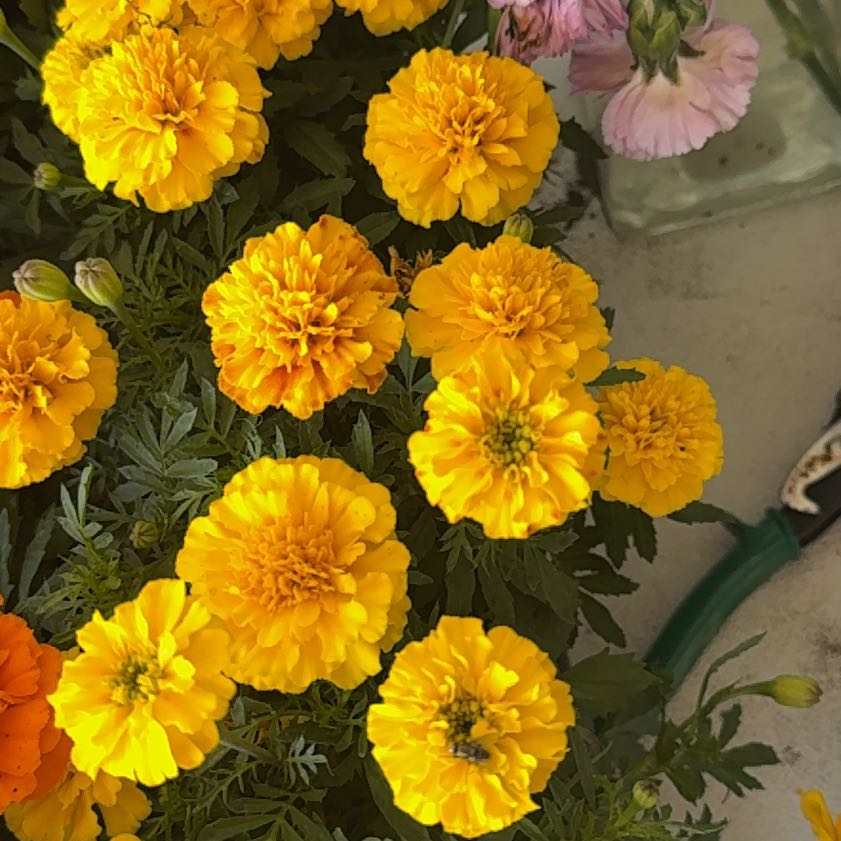
What's Eating Your Tagetes erecta

Tagetes erecta

By the Greg Editorial Team

Jul 22, 20245 min read

This article was created with the help of AI so we can cover more plants for you. May contain errors. See one? Report it here.

Transform your garden into a thriving ecosystem 🌿 while safeguarding your marigolds from feasting fauna. 🦌

  1. Deer, rabbits, squirrels, and other herbivores can damage your Tagetes erecta.
  2. Preventive measures like barriers and companion planting protect your garden.
  3. Balance is key; encourage beneficial fauna for a healthy ecosystem.

Attraction Factors

Tagetes erecta, with its vibrant blooms and lush foliage, is a magnet for a variety of garden dwellers. Here's why animals find it so appealing:

  • Flowers: The bright, showy flowers of Tagetes erecta are not just a visual treat but also a rich source of nectar and pollen, attracting bees, butterflies, and other pollinators.
  • Foliage: The greenery of the plant can be enticing to herbivores like deer and rabbits, especially when other food sources are scarce.
  • Fruits: If allowed to go to seed, the resulting fruits can draw birds and small mammals who feast on the seeds.

🌸 Seasonal Shifts

  • Spring: Fresh growth in spring can attract herbivores hungry after the winter.
  • Summer: Abundant flowers during the summer months are particularly attractive to pollinators.
  • Autumn: As the plant begins to seed, birds and small mammals may visit more frequently.
  • Winter: In milder climates or during warm spells, residual seeds or even the plant's dried structure can provide food for wildlife.

Herbivore Challenges

Herbivores can pose significant challenges to the well-being of your Tagetes erecta. Recognizing and managing these interactions is key to maintaining a healthy garden.

🦌 Deer Damage

Deer are attracted to the tender shoots and flowers of Tagetes erecta, especially in the spring and fall. Signs of deer damage include large parts of plants being chewed off and distinct tracks in the soil around your plants.

  • To deter deer, consider using deer repellents, installing a deer fence, or planting deer-resistant species nearby.
  • Dense barrier planting with prickly shrubs can also redirect deer away from your Tagetes erecta.

πŸ‡ Rabbit Intrusion

Rabbits typically cause sharp, clean cuts on foliage and may graze seedlings to the ground. Look for pea-sized droppings and damage occurring from dusk till dawn.

  • Implement barriers such as chicken wire fencing around your garden beds.
  • Remove brush piles and other hiding spots to make your garden less appealing to rabbits.

🐿️ Squirrel Antics

Squirrels may dig up soil and disturb young plants. They are particularly troublesome during planting season when freshly turned soil attracts them.

  • Employ exclusion methods like covering bulbs with chicken wire or netting.
  • Water and pat down soil after planting to deter digging.

🐦 Bird Visits

Birds are drawn to Tagetes erecta for their seeds and insects that the plants attract. Damage is typically seen as pecked leaves or flowers.

  • Use netting or open-weave cloth to protect your plants.
  • Auditory and visual repellents like reflective tape or decoys can help deter birds.

πŸ€ Rodent Issues

Mice and voles may gnaw on stems and roots, often causing unseen damage below the surface. Look for gnaw marks and small burrows near the base of the plants.

  • Wrap the base of stems with wire mesh or sheet metal to prevent gnawing.
  • Reduce habitat attractiveness by keeping the garden free of debris and dense ground cover.

🦑 Groundhog Habits

Groundhogs can quickly devastate a garden by eating shoots and digging burrows. They are attracted to weedy areas and shelters.

  • Use fencing that extends underground to prevent digging.
  • Plant less appealing species like marigolds and salvia around your garden to deter groundhogs.

Beneficial Fauna

While Tagetes erecta may be a feast for some herbivores, it's also a beacon for beneficial fauna. These creatures play a pivotal role in the health and vibrancy of garden ecosystems.

🌼 The Pollinators' Playground

  • Bees, butterflies, and other pollinators are often drawn to the vivid blooms of Tagetes erecta.
  • Their visits not only aid in plant reproduction but also help to sustain their populations, which are crucial for a thriving ecosystem.

🐞 Predators: Nature's Pest Control

  • Ladybugs, lacewings, and predatory wasps frequent Tagetes erecta, hunting aphids and other pests.
  • These natural allies can reduce the need for chemical interventions, keeping your garden more organic and balanced.

🌱 Soil Stewards

🌍 The Bigger Picture

  • Birds and small mammals may visit for shelter or to feed on the insects Tagetes erecta attracts.
  • Their presence can contribute to seed dispersal and add another layer of natural beauty to your garden.

To foster a beneficial fauna-friendly environment, consider:

By welcoming these allies into your garden, you're not just protecting your Tagetes erectaβ€”you're nurturing a vibrant, self-regulating oasis.

Protection Tactics

🌿 Preventive Measures

Implementing preventive measures is the first line of defense in protecting your Tagetes erecta from herbivores. Here's how to proactively safeguard your marigolds:

  • Barriers: Erect physical barriers such as fences or netting to deter larger animals like deer and groundhogs. For burrowing creatures, consider underground barriers.
  • Companion Planting: Integrate plants that naturally repel pests or attract beneficial insects. For example, planting garlic or chives may help ward off certain herbivores.

🦝 Reactive Solutions

Sometimes, despite your best efforts, animals will still find their way to your Tagetes erecta. Here's what you can do:

  • Repellents: Apply organic or chemical repellents to discourage herbivores. Choose products that are safe for the environment and target the specific animals you're dealing with.
  • Traps: In cases of persistent problems, consider humane traps. Always follow local regulations and use traps as a last resort.

🌱 Balancing Ecosystem Health

Maintaining a healthy garden ecosystem is about more than just protecting your plants; it's about coexisting with nature.

  • Integrated Pest Management (IPM): Adopt IPM strategies that focus on long-term prevention of pests through a combination of techniques such as biological control, habitat manipulation, and the use of resistant varieties.
  • Eco-Friendly Practices: Encourage a diverse garden that supports beneficial insects and pollinators, which in turn help control pest populations naturally.

⚠️ Safety First

This content is for general information and may contain errors, omissions, or outdated details. It is not medical, veterinary advice, or an endorsement of therapeutic claims.

Always consult a qualified healthcare professional before using any plant as food, medicine, or supplement.

Never eat any plant (or feed one to pets) without confirming its identity with at least two trusted sources.

If you suspect poisoning, call Poison Control (800) 222-1222, the Pet Poison Helpline (800) 213-6680, or your local emergency service immediately.

Spotted an error? Please report it here.

Keep your marigolds magnificent 🌼 by leaning on Greg for custom care and real-time community support against pesky intruders.