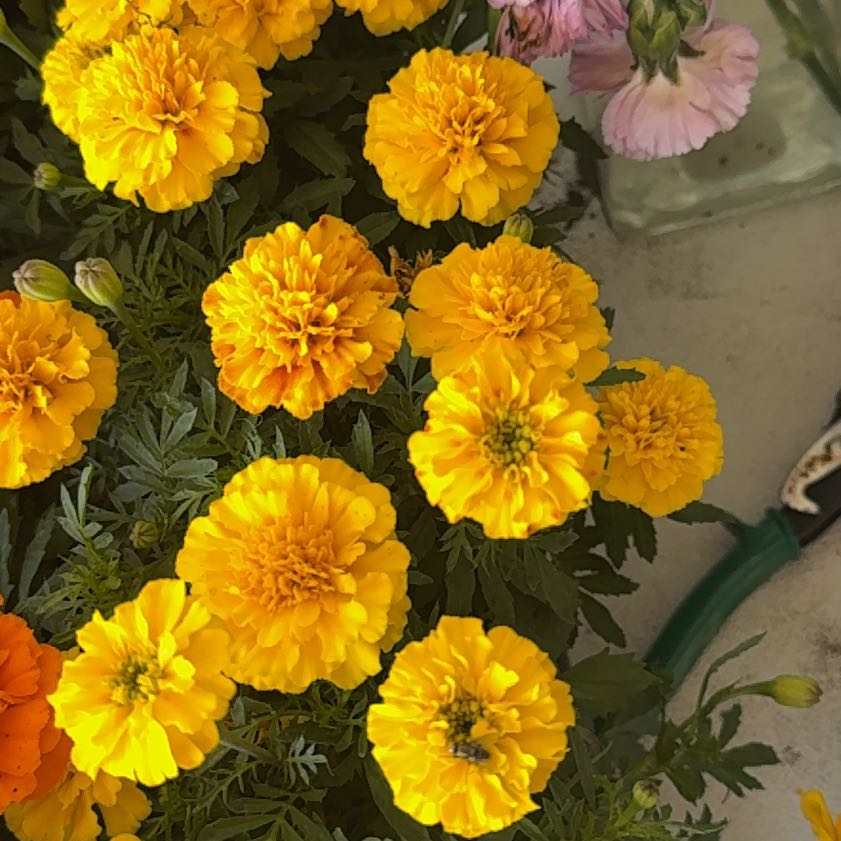
What's Eating Your African Marigold

Tagetes erecta

By the Greg Editorial Team

Jul 22, 20245 min read

This article was created with the help of AI so we can cover more plants for you. May contain errors. See one? Report it here.

Safeguard your marigolds 🌼 and cultivate a lively garden ecosystem with these expert tips.

  1. 🦌 Deer, rabbits, and groundhogs love munching on marigold parts, causing visible damage.
  2. 🐦🐿️ Birds and squirrels target seeds; rodents go for stems and leaves.
  3. 🌼🐝 Support beneficial fauna to maintain a healthy garden ecosystem with marigolds.

Marigold Appeal to Herbivores

African Marigolds, with their vibrant colors and lush foliage, are a buffet for various herbivores, though they may have toxic effects on some animals.

🦌 Deer Attraction

  • Deer are typically repelled by marigold's aroma, but if they do nibble, they tend to favor the flowers and young shoots.
  • Signs of deer damage include:
    • Trampled plants
    • Torn leaves and missing flowers
  • Control methods:

πŸ‡ Rabbit Preferences

  • Rabbits may avoid marigolds due to their pungent scent, but they might sample the leaves if other food sources are scarce.
  • Rabbit damage is indicated by:
    • Clean-cut damage on young stems and leaves
  • Deterrent strategies include:

🐿️ Squirrel Habits

  • Squirrels are opportunistic and may dig up marigold seeds or nibble on the leaves.
  • Squirrel activity is marked by:
    • Disturbed soil
    • Bite marks on leaves and flowers
  • Prevention techniques:
    • Netting over the soil
    • Spicy pepper sprays

🐦 Bird Interactions

  • Birds are attracted to marigold seeds and may also peck at the flowers.
  • Signs of bird damage:
  • Protective measures:
    • Bird netting
    • Scare tactics like reflective tape

πŸ€ Rodent Targets

  • Mice and voles may consume marigold seeds and young plants, with no significant toxicity reported.
  • Rodent presence is evidenced by:
    • Gnawed stems
    • Small burrows near the plant base
  • Management options:

🦑 Groundhog/Woodchuck Damage

Seasonal Animal Behavior

As the seasons shift, so does the allure of African Marigold to local fauna. In spring, the marigold's vibrant blooms emerge, signaling a feast for the eyes and a buffet for herbivores.

  • Spring: Fresh growth and bright flowers attract a variety of animals, from pollinators like bees to nibbling rabbits.
  • Summer: The full, lush plants provide ample cover and food, making them particularly attractive to insects and birds.
  • Fall: As other food sources wane, animals may turn to marigolds for sustenance, leading to increased nibbling by deer and rodents.
  • Winter: While marigolds are less vibrant, any remaining plant debris can still attract wildlife looking for remnants to consume.

🌿 Understanding these patterns can help gardeners anticipate and manage the presence of herbivores, ensuring that marigolds remain a garden highlight throughout the year.

Beneficial Fauna

African Marigolds are more than just a splash of color in the garden; they're a hub for bustling life. These vibrant flowers attract a variety of insects and animals that play pivotal roles in the health of your garden ecosystem.

Each creature contributes to a symbiotic relationship with African Marigolds, promoting a balanced and thriving garden environment.

🌿 Ecosystem Harmony

Creating a garden that's both a fortress for your African Marigolds and a sanctuary for beneficial wildlife is an art. Here are strategies to achieve this delicate balance:

  • Diverse Planting: Integrate a variety of plants to attract a wide range of beneficial fauna.
  • Avoid Pesticides: Chemicals can harm the very creatures that help your garden. Opt for organic pest control methods.
  • Provide Habitats: Leave some areas of your garden a little wild to offer shelter for beneficial insects and animals.

By fostering these relationships, you not only protect your marigolds but also support a vibrant, self-regulating ecosystem.

Proactive Plant Protection

Proactive management of your African Marigold is not just about fending off herbivores; it's about fostering a thriving garden ecosystem. Regular inspections are the cornerstone of plant health, allowing for early detection and swift action against potential threats. Here's a rundown of strategies to keep your marigolds blooming beautifully:

  • Regular Monitoring: Keep a vigilant eye on your African Marigolds for signs of herbivore presence. Early detection can make all the difference.
  • Strategic Planning: Group plants with similar needs together and use companion planting to your advantage. Diversity in the garden can act as a natural pest deterrent.
  • Soil Health: Maintain nutrient-rich, well-drained soil to bolster your marigolds' defenses. A healthy plant is less likely to succumb to pests and disease.
  • Beneficial Fauna: Introduce and support beneficial insects and animals. These natural allies can help manage pest populations and contribute to pollination.
  • Physical Barriers: Employ fences, netting, or row covers to physically shield your marigolds from hungry herbivores.
  • Organic Options: Opt for organic sprays and treatments when necessary, being mindful of their impact on the garden's ecosystem.
  • Watering and Fertilizing: Overwatering and overfertilizing can attract pests. Strike a balance to keep your marigolds strong without making them a target.

⚠️ Safety First

This content is for general information and may contain errors, omissions, or outdated details. It is not medical, veterinary advice, or an endorsement of therapeutic claims.

Always consult a qualified healthcare professional before using any plant as food, medicine, or supplement.

Never eat any plant (or feed one to pets) without confirming its identity with at least two trusted sources.

If you suspect poisoning, call Poison Control (800) 222-1222, the Pet Poison Helpline (800) 213-6680, or your local emergency service immediately.

Spotted an error? Please report it here.

Fend off those nibbling nuisances and ensure your African Marigolds stay critter-free πŸ›‘οΈ with Greg's personalized care reminders and proactive protection tips.