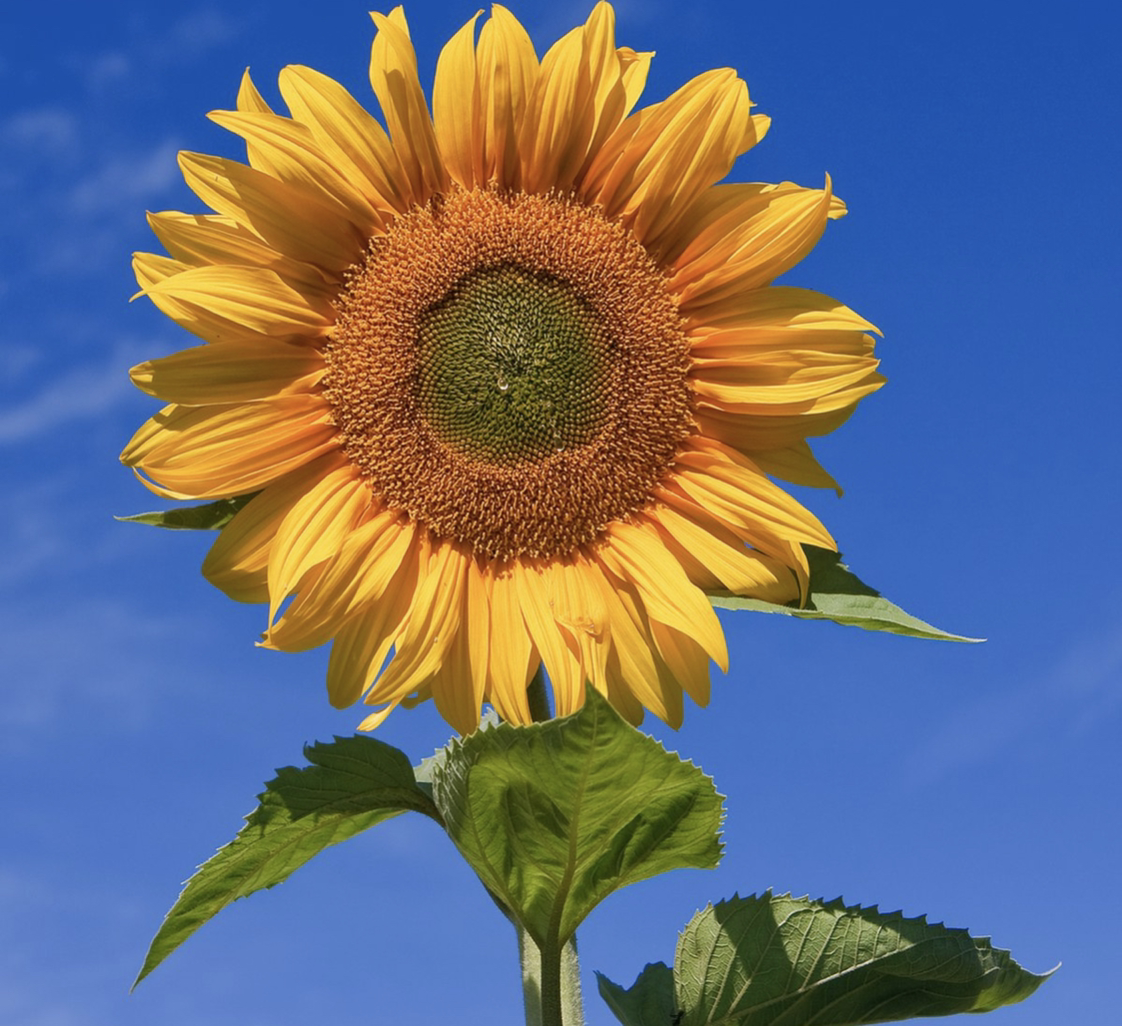
π» Identifying What is Eating Your Sunflower
Helianthus annuus
By the Greg Editorial Team
Jul 20, 2024•5 min read
This article was created with the help of AI so we can cover more plants for you. May contain errors. See one? Report it here.
Safeguard your sunflower smiles π» from wildlife woes with these expert garden guardian tips.
- π¦πΏοΈ Identify the culprit: Look for unique damage signs from deer, rabbits, squirrels, birds, and rodents.
- π§ Prevent and deter: Use fencing, repellents, and garden design to protect sunflowers.
- ππ» Attract helpers: Encourage pollinators and birds for a healthier, more resilient garden.
Recognizing Animal Damage
π¦ Deer Impact
Deer are notorious for their love of tender sunflower shoots and leaves. Here's how to spot their handiwork:
- Look for jagged edges on leaves and stems, a sign of deer's rough feeding habits.
- Keep an eye out for trampled plants, as deer can be clumsy foragers.
- Deer tracks and droppings near your sunflowers are dead giveaways.
To keep these majestic munchers at bay, consider these strategies:
- Install fencing at least 8 feet tall, as deer are excellent jumpers.
- Apply deer repellents around your sunflowers, focusing on smell and taste deterrents.
- Introduce plants that deer find unpalatable around your sunflower perimeter.
π Rabbit Intrusion
Rabbits have a penchant for nibbling sunflower seedlings. Detect their presence by:
- Noting clean, 45-degree angled cuts on stems, which are telltale signs of rabbit snacking.
- Spotting round droppings and evidence of burrowing in the vicinity of damaged plants.
To balance rabbit presence without harm, try these tips:
- Use chicken wire or fencing with small mesh to protect young plants.
- Plant a buffer zone of rabbit-resistant flora around your sunflowers.
- Encourage natural predators, like hawks or owls, by installing perches or nesting boxes.
πΏοΈ Squirrel Challenges
Squirrels can be a real headache, often digging up seeds and gnawing on sunflower heads. Evidence of their activity includes:
- Scattered, half-eaten sunflower seeds around the garden.
- Bite marks or missing chunks from sunflower heads and stalks.
Deter squirrels with these methods:
- Use seed baffles or cages to protect sunflower heads.
- Offer alternative food sources like corn or nuts well away from your sunflowers.
- Employ motion-activated sprinklers to startle and discourage squirrels.
π¦ Bird Interactions
Birds may peck at sunflower seeds and seedlings. Indicators of bird damage are:
- Peck marks or holes in sunflower leaves and flowers.
- Presence of bird droppings and feathers around the plants.
Manage bird visits while enjoying their presence by:
- Using reflective tape or scare devices to deter birds without causing harm.
- Providing bird feeders with alternative seeds to distract them from your sunflowers.
- Embracing bird visits as they also help with pest control and pollination.
π Rodent Issues
Rodents, such as mice and voles, can wreak havoc on sunflower roots and stems. Signs of rodent trouble include:
- Gnaw marks on lower stems and roots.
- Small, clean-cut holes in the ground near your plants.
Combat rodents with these tactics:
- Keep the garden tidy and remove debris to reduce hiding spots.
- Use traps strategically placed around the sunflower garden.
- Consider natural repellents like peppermint oil or predator urine to keep rodents at bay.
𦑠Groundhog Habits
Groundhogs, or woodchucks, are fond of sunflower leaves and stems. Their damage is often dramatic:
- Noticeable chunks missing from leaves and stems.
- Large burrow entrances close to damaged plants.
To deter these voracious vegetarians:
- Install a fence buried at least a foot underground to prevent digging.
- Apply taste deterrents on sunflower plants to discourage feeding.
- Remove brush and woodpiles that serve as attractive groundhog habitat.
Attracting Beneficial Wildlife
π Pollinators' Role
Sunflowers are a beacon for pollinators, their vibrant blooms serving as both a visual magnet and a rich source of nectar and pollen. Here's why these interactions are vital:
- Pollinators like bees, butterflies, and hoverflies are essential for the fertilization of many plants, ensuring the production of seeds and fruits.
- A diverse pollinator presence can enhance the overall health and yield of your garden.
- By providing habitat and food for these beneficial insects, sunflowers contribute to the stability and diversity of local ecosystems.
π¦ Seed Dispersal by Birds
Birds are not just visitors to the sunflower garden; they're active participants in the life cycle of these plants:
Species such as the Aminvasive plantsh and Northern cardinal feast onorganic deterrentsaiding in their disneem oil- This relationship is reciprocal; while birds gain nourishment, sunflowers benefit reseedingspreadnative plantsds to new growing lweedsons.
Encouraging birds in your garden can also help with pest control, as they consume a variety safe pesticides Herbivores and Plant Damage #read the labelding Herbivolegal guidelinesivorprotect both your plantsonal patterns when interacting with sunflowers.
In the early flowering season, certain pests like the head-clipping weevil and the sunflower moth are most active, causing significant damage.
As the season progresses, the threat from these early pests declines, but others, such as the seed fly, become more prevalent.
Deer, for instance, may alter their feeding habits unpredictably, especially during mating season or when food is scarce.
π» Sunflower's Attractive Parts
Sunflowers entice animals with various parts, each with its own allure.
- The vibrant flowers and nutrient-rich seeds are prime targets for birds, squirrels, and insects.
- Young shoots and leaves often attract rabbits and deer seeking tender greens.
- While sunflowers are generally not toxic, it's essential to be aware of the potential effects on wildlife, as some parts may cause adverse reactions in certain animals.
Safeguarding Sunflowers
π» Preventive Strategies
Designing a garden that deters herbivores involves a mix of ingenuity and understanding of animal behavior. Here are some strategies to keep your sunflowers safe:
- Introduce plants with scents that deer, rabbits, and other herbivores find unappealing, such as mint, lavender, or salvia.
- Use physical barriers like netting or fencing to protect against birds and rodents, ensuring they're appropriately sized to prevent entry.
- Encourage the presence of beneficial insects and predators through companion planting and habitat creation to naturally control pest populations.
- Implement good cultural practices, such as consistent watering and avoiding plant injuries, to maintain healthy sunflowers less susceptible to damage.
π» Reactive Solutions
When damage has already occurred, it's time to take action:
- Inspect your garden regularly for signs of animal presence and promptly remove any invasive plants that may harbor pests.
- Apply organic deterrents like capsaicin or neem oil to affected areas, which can repel pests without harming the ecosystem.
- Consider reseeding with native plants that compete with weeds and attract natural pollinators, aiding in the overall health of your garden.
- If necessary, use safe pesticides as a last resort, but always read the label and follow legal guidelines to protect both your plants and local wildlife.
β οΈ Safety First
This content is for general information and may contain errors, omissions, or outdated details. It is not medical, veterinary advice, or an endorsement of therapeutic claims.
Always consult a qualified healthcare professional before using any plant as food, medicine, or supplement.
Never eat any plant (or feed one to pets) without confirming its identity with at least two trusted sources.
If you suspect poisoning, call Poison Control (800) 222-1222, the Pet Poison Helpline (800) 213-6680, or your local emergency service immediately.
Spotted an error? Please report it here.