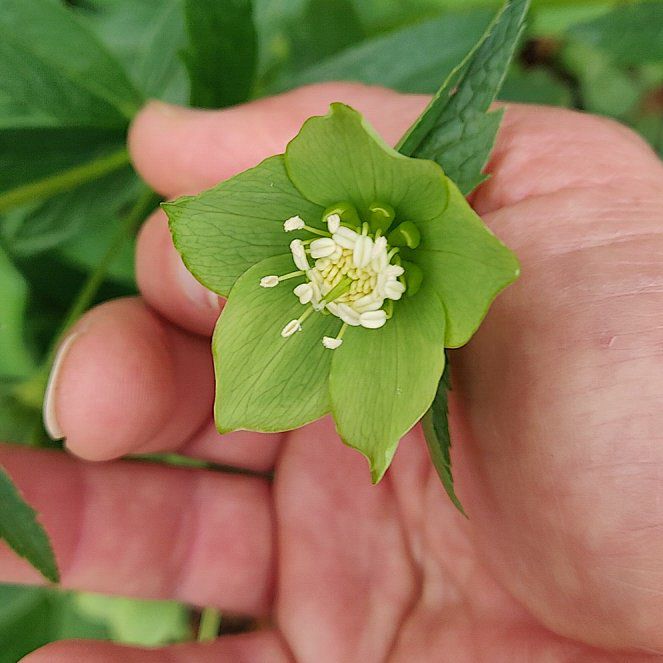
πŸ” Identifying What is Eating Your Hellebore

Helleborus spp.

By the Greg Editorial Team

Aug 24, 20246 min read

This article was created with the help of AI so we can cover more plants for you. May contain errors. See one? Report it here.

  1. 🦌 Identify herbivores like deer, rabbits, and squirrels damaging your Hellebore plants.
  2. πŸ” Look for signs: droppings, hoof prints, and chewed leaves indicate specific pests.
  3. 🌱 Use barriers and repellents to protect Hellebore from herbivore damage effectively.

Common Herbivores Affecting Hellebore

🦌 Deer

Signs of Presence

Look for hoof prints in muddy areas, which indicate deer activity. You may also notice cleanly clipped leaves and stems, a telltale sign of their browsing habits.

Type of Damage

Deer can cause significant damage to your Hellebore, stripping leaves and stunting growth. Their feeding can decimate entire populations if left unchecked.

Benefits vs. Harm

While deer are a natural part of the ecosystem, they are generally harmful to Hellebore. Their presence can lead to severe declines in plant health.

Management Strategies

Consider using commercial deer repellents for chemical control. Organic options like garlic spray and motion-activated sprinklers can also deter these herbivores effectively.

πŸ‡ Rabbits

Signs of Presence

Rabbits leave small, round droppings near plants, which can help you identify their presence. Look for jagged edges on leaves and missing young shoots as further evidence of their munching.

Type of Damage

These furry pests can cause severe leaf loss, leading to stress in your Hellebore. Their feeding habits can significantly hinder growth and overall health.

Benefits vs. Harm

Rabbits are generally harmful to your plants. Their appetite can quickly turn a thriving garden into a struggling one.

Management Strategies

Installing a fence that is 2-3 feet high and buried at the base can effectively keep rabbits out. You can also dust leaves with cayenne pepper as an organic deterrent.

🐿️ Squirrels

Signs of Presence

Look for chewed bark on stems and branches, which indicates squirrel activity. Nesting signs in nearby trees can also point to their presence.

Type of Damage

Squirrels can strip bark, weakening the plant structure. This damage can lead to long-term health issues for your Hellebore.

Benefits vs. Harm

While squirrels can be entertaining, they are generally harmful to your plants. Their feeding habits can lead to lasting damage.

Management Strategies

Commercial squirrel repellents can help manage their population. Additionally, scare tactics like reflective tape and noise devices can deter them organically.

🐦 Birds

Signs of Presence

Peck marks on flowers and leaves are clear indicators of bird activity. Nesting nearby can also signal their presence in your garden.

Type of Damage

Birds often feed on flowers, reducing the aesthetic appeal of your Hellebore. While they can be a nuisance, their impact varies.

Benefits vs. Harm

Birds are generally beneficial, as they contribute to pollination and pest control. Their role in the ecosystem is crucial, despite occasional damage.

Management Strategies

Using netting can protect flowers while still allowing light and rain to reach them. Visual deterrents, like shiny objects, can also help keep birds at bay.

🐭 Rodents (Mice, Voles)

Signs of Presence

Look for small holes in the ground, which indicate burrowing activity. Droppings, small and dark, near your plants can also signal their presence.

Type of Damage

Rodents can cause root damage, which may lead to plant death. Their feeding habits can severely impact the health of your Hellebore.

Benefits vs. Harm

Rodents are generally harmful, causing significant damage to your plants. Their presence can lead to a decline in overall garden health.

Management Strategies

Set traps, either snap or live, for effective removal. Planting mint or using castor oil can serve as organic deterrents.

🦑 Groundhogs/Woodchucks

Signs of Presence

Groundhogs leave large burrows near Hellebore, which are easy to spot. Look for evidence of heavy feeding on foliage as another sign of their activity.

Type of Damage

These animals can cause extensive damage, completely stripping plants of their leaves. Their feeding can devastate Hellebore populations.

Benefits vs. Harm

Groundhogs are generally harmful, posing a significant threat to your garden. Their appetite can lead to severe declines in plant health.

Management Strategies

Install fencing that is 3-4 feet high with buried edges to deter groundhogs. You can also use commercial repellents specifically designed for them.

Understanding these common herbivores is crucial for protecting your Hellebore. By recognizing their signs and implementing effective management strategies, you can maintain a thriving garden. Next, let’s explore the beneficial animals that play a positive role in your garden ecosystem.

Beneficial Animals and Ecosystem Roles

Positive Impacts on the Garden Ecosystem 🐝

In the world of gardening, not all animals are foes. Some, like bees and butterflies, are essential pollinators that enhance the beauty and productivity of your Hellebore.

These pollinators are drawn to the vibrant flowers, ensuring that your plants thrive and produce seeds. Their presence not only boosts your garden's aesthetics but also supports the broader ecosystem.

Additionally, predatory insects play a crucial role in natural pest control. They help keep harmful insect populations in check, reducing the need for chemical interventions.

By fostering a diverse garden environment, you create a balanced ecosystem. This balance allows beneficial animals to flourish while minimizing the impact of herbivores that may threaten your Hellebore.

Understanding these positive interactions can inspire you to cultivate a garden that supports both your plants and the wildlife around them. As you nurture your Hellebore, remember that you're also contributing to a vibrant ecosystem.

This awareness sets the stage for exploring how to protect your Hellebore from herbivores while embracing the beneficial roles of other garden inhabitants.

General Strategies for Protecting Hellebore

πŸ›‘οΈ Preventive Measures for Herbivore Damage

To safeguard your Hellebore, consider strategic plant placement. Positioning them in less accessible areas can deter many herbivores.

Companion planting is another effective tactic. Pairing Hellebore with plants that naturally repel herbivores can create a protective barrier.

🐾 Reactive Solutions for Managing Animal Interactions

Regular monitoring is crucial for early detection of animal presence. Keep an eye out for signs like tracks or damaged foliage.

When you notice any signs of damage, act quickly. A prompt response can prevent further harm to your plants.

🌱 Seasonal Considerations for Hellebore Protection

Be aware that early spring brings increased herbivore activity. This coincides with Hellebore blooming, making it a critical time for vigilance.

In late summer, continue monitoring for late-season feeding habits. Staying proactive during these times can help maintain the health of your Hellebore.

By implementing these strategies, you can effectively protect your Hellebore while enjoying the beauty they bring to your garden. Next, let’s explore the beneficial animals that contribute positively to the ecosystem.

Toxicity and Ecological Balance

🐾 Discussion of Hellebore Toxicity to Animals

Hellebore plants contain toxic compounds that can adversely affect herbivores that consume them. These toxins can lead to symptoms like gastrointestinal distress, making many animals think twice before munching on these beautiful blooms.

Interestingly, this toxicity can shape animal behavior. Some creatures instinctively avoid Hellebore, recognizing it as a potential threat. This natural aversion helps protect the plants, allowing them to thrive in their environments.

🌱 Balancing Plant Protection with Ecological Roles of Herbivores

While herbivores can pose a threat to Hellebore, they also play essential roles in the ecosystem. They contribute to soil health and support a balanced food web, making their presence valuable.

To coexist with these animals, consider strategies that protect your Hellebore while allowing beneficial interactions. For instance, planting Hellebore in less accessible areas can deter herbivores, while companion planting can create a natural barrier.

By understanding the delicate balance between protecting your plants and acknowledging the roles of herbivores, you can cultivate a thriving garden ecosystem. This approach not only safeguards your Hellebore but also fosters a vibrant environment for all garden inhabitants.

As we move forward, let’s explore general strategies for protecting Hellebore from various herbivores.

⚠️ Safety First

This content is for general information and may contain errors, omissions, or outdated details. It is not medical, veterinary advice, or an endorsement of therapeutic claims.

Always consult a qualified healthcare professional before using any plant as food, medicine, or supplement.

Never eat any plant (or feed one to pets) without confirming its identity with at least two trusted sources.

If you suspect poisoning, call Poison Control (800) 222-1222, the Pet Poison Helpline (800) 213-6680, or your local emergency service immediately.

Spotted an error? Please report it here.

Safeguard your Hellebore from hungry herbivores 🦌 with Greg's custom alerts for monitoring threats and keeping your garden vibrant!