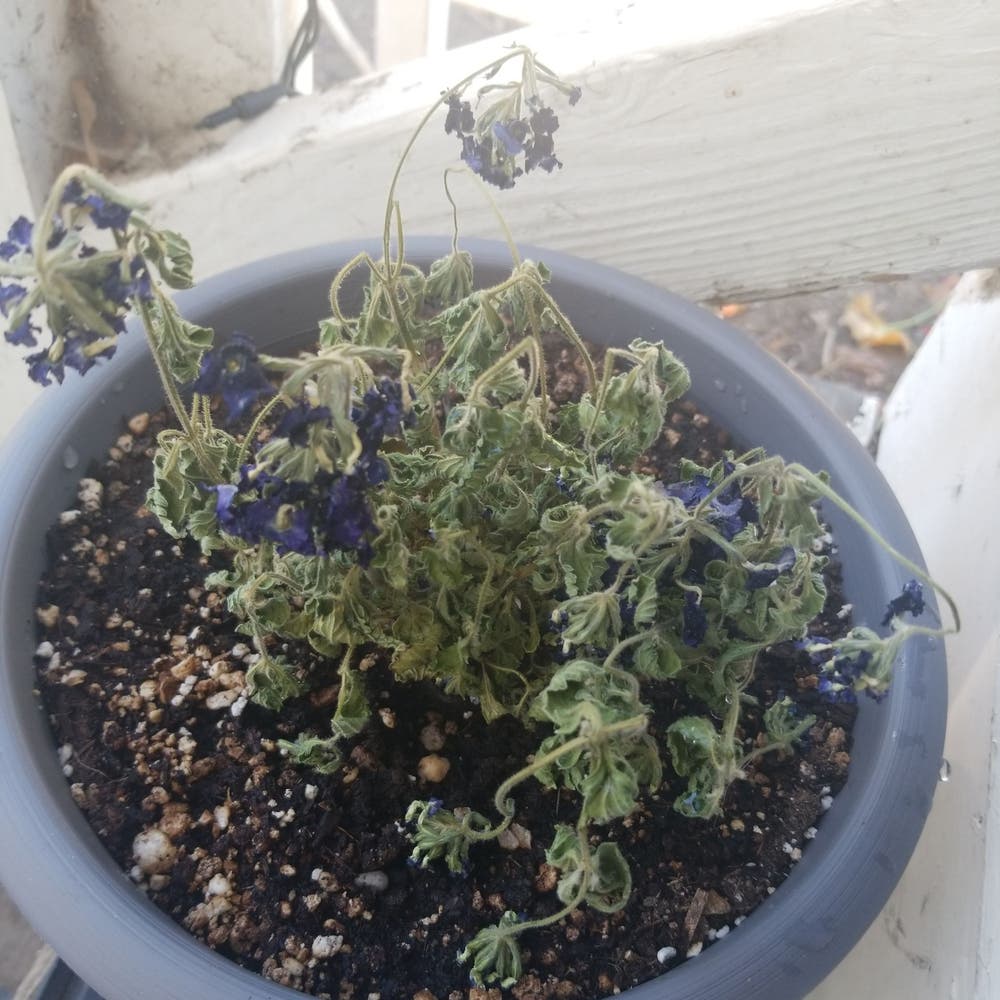
🌸 Ultimate Guide to Western Vervain
Verbena lasiostachys
By the Greg Editorial Team
Jan 24, 2025•11 min read
This article was created with the help of AI so we can cover more plants for you. May contain errors. See one? Report it here.
Elevate your garden with Western Vervain 🌼, a resilient beauty that attracts pollinators and boosts biodiversity!
- 🌞 Western Vervain needs 6-8 hours of sunlight for optimal growth and blooming.
- 🌱 Loamy or sandy soil with pH 6.0-7.0 is ideal for thriving plants.
- 🐝 Attract pollinators and support ecosystems by planting Western Vervain in your garden.
How to Grow
Choosing a Location 🌞
To thrive, Western Vervain needs a spot that receives full sun to partial shade, ideally basking in 6-8 hours of sunlight daily. The soil should be moist and well-drained, rich in fertility to support robust growth.
Soil Preparation 🏜️
Opt for loamy or sandy soil for the best results. Aim for a pH level between 6.0 and 7.0, slightly acidic to neutral, and enhance soil fertility by incorporating organic matter like compost before planting.
Planting Techniques 🌱
When planting, sow seeds about 1/4 inch deep to ensure proper germination. Space them 12-18 inches apart to give each plant room to flourish.
Watering Requirements 🚰
Keep the soil consistently moist, particularly during dry spells, to promote healthy growth. However, be cautious of waterlogging; good drainage is essential to prevent root rot.
Fertilizing Tips 🍽️
Apply a balanced fertilizer once in early spring to kickstart growth. For an organic boost, consider using compost or well-rotted manure to enrich the soil naturally.
Pruning and Ongoing Care ✂️
Regularly deadhead spent flowers to encourage more blooms throughout the season. Additionally, keep an eye out for pests and diseases to maintain plant health.
Outdoor vs. Container Growing 🏡
Western Vervain thrives best in garden beds with ample space for growth. If you prefer container gardening, choose a large pot with drainage holes and ensure consistent watering for optimal results.
With these tips in hand, you're well on your way to cultivating a thriving patch of Western Vervain. Next, let’s explore how to propagate this resilient plant!
Propagation
🌱 Seed Propagation
To propagate Western Vervain from seeds, sow them in early spring after the last frost. Expect germination to take about 14 to 21 days, so patience is key as you nurture these budding plants.
✂️ Cutting Propagation
For cutting propagation, take healthy stems and cut them to a length of 4 to 6 inches. Use a rooting medium that combines peat and perlite for optimal growth and rooting success.
🌿 Division Propagation
Division is best done in early spring or fall. Carefully separate clumps of the plant and replant them to encourage new growth and maintain plant health.
This propagation knowledge will help you expand your garden and enjoy the beauty of Western Vervain in various locations. Next, let’s explore the lifecycle of this fascinating plant.
Lifecycle
Lifecycle Stages 🌱
Western vervain is a perennial plant, typically living for about 2 to 3 years. This lifespan allows it to establish itself and thrive in various conditions.
Germination Process 🌡️
For optimal germination, seeds should be kept at a temperature of around 70°F (21°C). This warmth encourages the seeds to sprout effectively.
Seedling Stage 🌿
Once germinated, the seedlings will take about 4 to 6 weeks to develop enough for transplanting. During this time, they require consistent moisture and care.
Vegetative Growth 🌳
The vegetative growth phase occurs from late spring to early summer. This is when the plant focuses on growing leaves and stems, preparing for future flowering.
Flowering and Seed Production 🌼
Western vervain typically flowers from late summer to early fall. After flowering, seed production begins, with seeds maturing in late fall, ready for the next planting season.
Lifespan and Growth Rate 📈
The plant reaches full growth in approximately 2 years. Its growth rate is moderate, with an increase in height of about 1 to 3 feet each year, depending on environmental conditions.
This lifecycle overview highlights the resilience and adaptability of western vervain, making it a rewarding addition to any garden. Next, we’ll explore the size characteristics of this remarkable plant.
Size
Mature Height and Spread 🌱
Western vervain typically reaches a height of 2 to 4 feet, making it a striking addition to any garden. Its spread ranges from 1 to 2 feet wide, allowing it to fill space without overwhelming neighboring plants.
Growth Rate and Size Variability 📈
This perennial exhibits a moderate growth rate, which can be influenced by various factors such as soil quality and water availability. As a result, the size of western vervain can vary significantly depending on its growing conditions.
Factors Affecting Size ☀️
Light availability plays a crucial role in the plant's growth; more sunlight generally leads to taller specimens. Additionally, soil fertility is key—richer soils can promote larger, more robust plants, enhancing their overall aesthetic appeal in your garden.
Understanding these size dynamics can help you create the ideal environment for your western vervain, ensuring it thrives and adds beauty to your landscape. Next, let’s explore the fascinating lifecycle of this resilient plant.
Roots
🌱 Root System Characteristics
Western vervain features a fibrous root system that supports its growth and stability. This type of root structure is essential for nutrient absorption and anchoring the plant in the soil.
📏 Root Depth and Spread
Typically, the roots of Western vervain extend 12-18 inches deep. They can also spread laterally, reaching out 1-2 feet, which helps the plant access water and nutrients efficiently.
⚠️ Common Root-Related Issues
One of the most common problems is root rot, often caused by overwatering. To prevent this, ensure good drainage in the soil to keep the roots healthy and thriving.
👀 Identifying Healthy vs. Unhealthy Roots
Healthy roots are firm, white, and spread evenly throughout the soil. In contrast, unhealthy roots appear dark, mushy, or may emit a foul smell, indicating potential issues.
🔒 Recognizing Rootbound Plants
If you notice roots growing out of drainage holes or circling the pot, your plant may be rootbound. The solution is simple: repot into a larger container or divide the plant to encourage healthy growth.
Understanding the root system of Western vervain is crucial for its overall health and productivity. By keeping an eye on root conditions, you can ensure your plants flourish beautifully.
Next, let’s explore the benefits of growing Western vervain and how it can enhance your garden.
Benefits
Top 5 Benefits 🌟
Attracts Pollinators
Western vervain is a magnet for pollinators like bees and butterflies. This makes it essential for supporting local ecosystems and promoting biodiversity.Medicinal Uses
Historically, vervain has been used in herbal remedies for various ailments. Its medicinal properties have made it a staple in traditional medicine practices.Aesthetic Appeal
With its tall flower spikes, Western vervain adds vertical interest to any garden. Its striking appearance can enhance the beauty of your landscape.Drought Resistance
Once established, this plant requires significantly less water. Its drought resistance makes it an excellent choice for low-maintenance gardens.Cultural Significance
Western vervain has been used in various traditions and rituals throughout history. Its cultural importance adds a layer of depth to its presence in gardens.
These benefits make Western vervain not just a pretty plant, but a valuable addition to any garden. Whether you're looking to attract pollinators or enhance your garden's aesthetic, vervain has something to offer.
Next, let's explore how to propagate this versatile plant effectively.
Companion Plants
Concept of Companion Planting 🌱
Companion planting is all about creating a thriving garden ecosystem. By pairing plants that support each other, you can enhance diversity and improve pest management.
Best Companion Plants 🌼
When growing Western Vervain, consider companions like Echinacea, Monarda, and other native wildflowers. These plants share similar care requirements and attract beneficial insects, making them perfect partners.
Plants to Avoid 🚫
Be cautious of heavy feeders like corn. These plants can compete for nutrients, potentially stunting the growth of your Western Vervain.
Companion planting not only boosts your garden's health but also adds visual appeal. By choosing the right companions, you can create a vibrant and productive space that benefits all your plants.
Toxicity to Humans
🛡️ Safety for Humans
Western vervain is generally safe for humans, as it is not listed as toxic by major poison control centers. However, consuming large quantities may lead to mild skin irritation or digestive discomfort.
⚠️ Cautionary Notes
If you experience any unusual symptoms after contact or consumption, it's wise to seek medical advice. Staying informed helps ensure a safe and enjoyable experience with this versatile plant.
Toxicity to Dogs
Safety for Dogs 🐶
Western vervain is not listed as toxic by major pet poison control centers. This means your furry friends can enjoy the garden without the worry of severe health risks.
Potential Minor Issues ⚠️
While generally safe, consuming large quantities of vervain may lead to mild gastrointestinal upset in dogs. It's always a good idea to monitor your pet's interactions with the plant.
Tips for Pet Owners 📝
To ensure safety, keep western vervain out of reach of your dogs. Regularly check on their behavior around the plant to prevent any unwanted nibbling.
With these precautions, you can enjoy the beauty of western vervain in your garden while keeping your canine companions safe. Next, let’s explore how this plant interacts with our feline friends.
Toxicity to Cats
Safety for Cats 🐱
Western vervain is not considered toxic by major pet poison control centers. This means your feline friends can safely roam around it without immediate danger.
Potential Minor Issues ⚠️
However, if a cat consumes large quantities of the plant, it may experience mild gastrointestinal upset. It's always wise to keep an eye on your pet's behavior after they've been near any plant.
Tips for Care 📝
To ensure your cat stays safe, monitor their interactions with the plant. Keeping western vervain out of reach can prevent any accidental munching and help you avoid any potential issues.
With a little caution, you can enjoy the beauty of western vervain in your garden while keeping your furry companions safe.
Problems
🌱 Common Problems with Western Vervain
Growing Western vervain can be rewarding, but it comes with its share of challenges. Understanding these common problems can help you maintain a healthy plant.
💧 Incorrect Watering
One of the most frequent issues is incorrect watering. Overwatering leads to yellowing leaves, signaling that your plant is struggling.
💡 Incorrect Light Conditions
Light conditions also play a crucial role in the health of your vervain. If your plant appears leggy, it’s a sign that it’s not receiving enough light.
🦠 Diseases
Diseases like powdery mildew and rust can affect the foliage. These issues often arise in humid conditions, so keep an eye out for any unusual spots or growths.
🌿 Root Problems
Root rot is another concern, typically caused by poor drainage. Ensure your soil drains well to prevent this problem from taking hold.
🍂 Leaf Issues
Excessive sunlight can scorch the leaves, leading to unsightly brown patches. Monitor your plant's exposure to sunlight to keep it thriving.
By being aware of these common problems, you can take proactive steps to ensure your Western vervain remains healthy and vibrant. Next, let’s explore the potential pest issues that might affect your plant.
Bugs
Potential Pest Issues 🐛
Western vervain can attract a few pesky bugs that may disrupt its growth. Here’s a quick rundown of the most common culprits.
Spider Mites 🕷️
Spider mites are tiny but can cause significant damage. Look for webbing on the leaves and stippled discoloration, which indicates their presence.
Mealybugs 🧼
These pests appear as cotton-like masses on the stems and leaves. They suck the sap from the plant, weakening it over time.
Aphids 🐜
Aphids are small green or black insects that can cause leaf curling. They reproduce quickly, so catching them early is crucial to prevent an infestation.
Managing Pest Problems 🛠️
Regularly inspect your plants for these pests. Early detection and intervention can save your vervain from serious damage.
Prevention Tips 🚫
- Maintain Healthy Plants: Strong plants are less susceptible to pests.
- Encourage Beneficial Insects: Ladybugs and lacewings can help control aphid populations.
By staying vigilant and proactive, you can keep your Western vervain thriving and pest-free. Next, let’s explore what animals might be munching on your beloved plant.
What Eats Western Vervain
🦌 Common Animals
Western vervain can attract a variety of wildlife.
- Deer: Look for signs like chewed leaves and broken stems.
- Rabbits: They often nibble on the lower leaves, leaving noticeable damage.
- Squirrels: These critters may dig around the base of the plant, causing disruption.
🕵️♂️ Signs of Animal Presence
Identifying animal activity around your vervain is crucial for effective management.
Keep an eye out for tracks, droppings, and damaged foliage. These indicators can help you determine which animals are visiting your garden.
🚫 Methods for Deterring Animals
Protecting your vervain from hungry animals can be a challenge, but there are effective strategies.
- Chemical repellents: Consider using commercial deer and rabbit deterrents to keep these animals at bay.
- Organic methods: Planting strong-smelling herbs nearby can naturally repel pests, creating a less inviting environment for them.
By employing these techniques, you can enjoy the beauty of your Western vervain without the worry of it becoming a snack for local wildlife.
⚠️ Safety First
This content is for general information and may contain errors, omissions, or outdated details. It is not medical, veterinary advice, or an endorsement of therapeutic claims.
Always consult a qualified healthcare professional before using any plant as food, medicine, or supplement.
Never eat any plant (or feed one to pets) without confirming its identity with at least two trusted sources.
If you suspect poisoning, call Poison Control (800) 222-1222, the Pet Poison Helpline (800) 213-6680, or your local emergency service immediately.
Spotted an error? Please report it here.
Watch your Western Vervain thrive beautifully 🌼 with Greg's personalized care tips and watering reminders that ensure your garden flourishes!