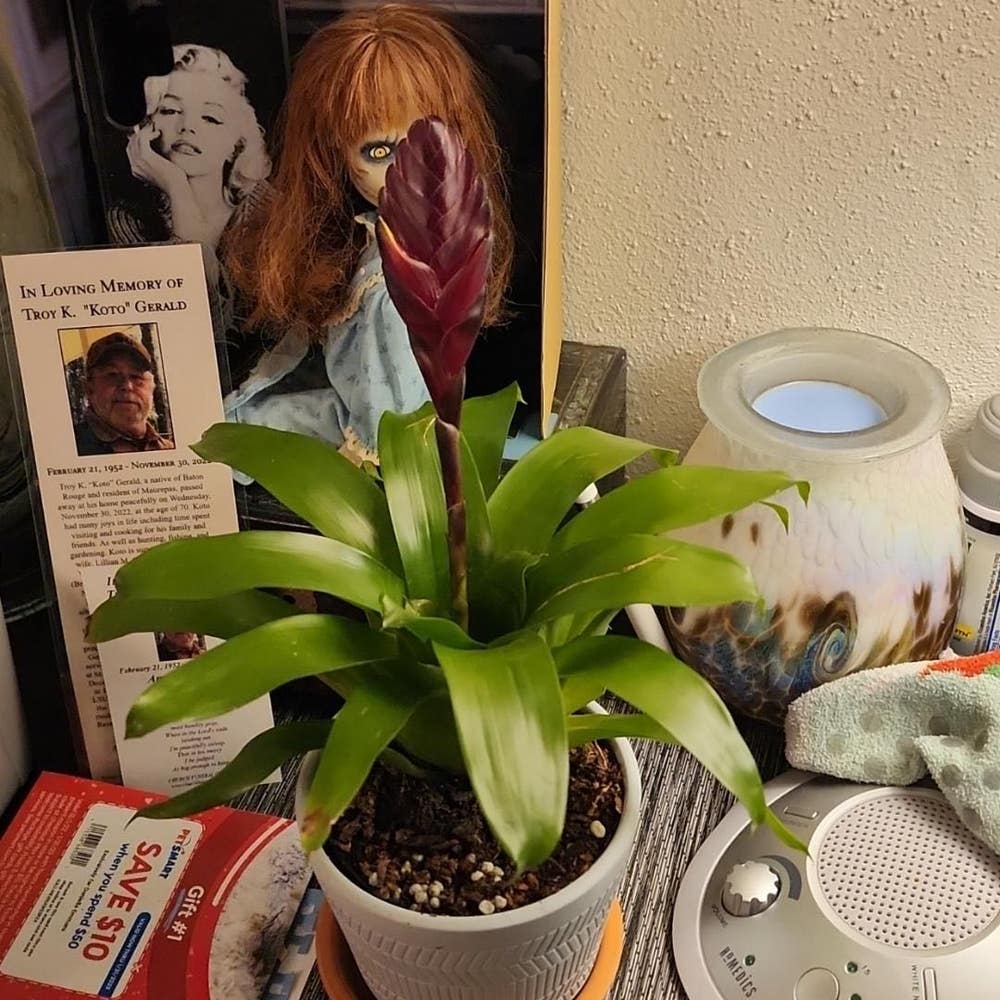
🌸 Vriesea teresopolitana: A Comprehensive Overview
Vriesea teresopolitana
By the Greg Editorial Team
Feb 26, 2025•11 min read
This article was created with the help of AI so we can cover more plants for you. May contain errors. See one? Report it here.
- 🌞💧 Vriesea teresopolitana thrives in bright, indirect light and high humidity (60%+).
- 🌱 Water when the top inch is dry; use bottom watering to prevent rot.
- 🐾 Safe for pets! Vriesea is non-toxic to humans, dogs, and cats.
How to Grow
Choosing a Location 🌞
To thrive, Vriesea teresopolitana needs bright, indirect sunlight. Aim for a temperature range of 20°C to 30°C (68°F to 86°F) and maintain high humidity levels of 60% or more for optimal growth.
Soil Preparation 🌱
Use a well-draining, organic-rich potting mix to provide the right environment for your plant. The ideal pH level should be slightly acidic to neutral, ranging from 5.5 to 7.0.
Planting Techniques 🌿
When potting, select a container that is at least 6-8 inches in diameter. Ensure that the base of the plant is level with the soil surface to promote healthy growth.
Watering Requirements 🚰
Water your Vriesea when the top inch of soil feels dry to the touch. The best method is to water from the bottom, which helps prevent crown rot and keeps the plant healthy.
Fertilizing Schedule 🍽️
During the growing season, use a balanced, water-soluble fertilizer to nourish your plant. Fertilize every 4-6 weeks to support robust growth and vibrant blooms.
This section sets the stage for understanding how to care for Vriesea teresopolitana effectively. Next, we’ll explore the fascinating world of propagation techniques to expand your collection!
Propagation
🌱 Methods of Propagation
Vriesea teresopolitana can be propagated in two primary ways: through offsets and seeds.
- Offsets: These are the pups that grow at the base of the parent plant.
- Seeds: You can collect seeds from mature flowers when they are ready.
📋 Step-by-Step Propagation Instructions
For offsets: Gently twist and pull the pups from the parent plant. Ensure you have a clean break to avoid damaging either plant.
For seeds: Sow the seeds in a well-draining potting mix, lightly covering them with soil.
Water lightly and maintain humidity until germination occurs. This will create a nurturing environment for your new plants.
Propagation is a rewarding process that allows you to expand your collection or share with friends. With the right care, your Vriesea will thrive and bring joy for years to come.
Next, let’s explore the lifecycle of this fascinating plant and understand its growth stages.
Lifecycle
Lifecycle Stages 🌱
The lifecycle of Vriesea teresopolitana consists of several distinct stages: germination, seedling, vegetative growth, flowering, and seed production. Each stage is crucial for the plant's development and overall health.
Germination Time ⏳
Seeds typically take about 2-4 weeks to germinate, depending on environmental conditions. Providing the right warmth and moisture can speed up this process.
Overall Lifespan 📅
Under optimal conditions, Vriesea teresopolitana can live for 3-5 years. This lifespan allows for multiple flowering cycles, enhancing your indoor space with vibrant blooms.
Growth Rate 📈
Expect a moderate growth rate of approximately 30 cm (1 foot) per year. This steady growth makes it a rewarding plant for both novice and experienced gardeners.
In summary, understanding the lifecycle of Vriesea teresopolitana is essential for successful cultivation. By nurturing each stage, you can enjoy the beauty and benefits this plant brings to your home. Next, let's explore how to propagate this stunning bromeliad effectively.
Size
Mature Height and Spread 🌱
Vriesea teresopolitana can reach impressive heights of up to 1 meter (3 feet). Its spread typically ranges from 30 to 60 cm (1 to 2 feet), making it a striking addition to any indoor or outdoor space.
Growth Rate and Size Variability 📈
This bromeliad exhibits a moderate growth rate, which can be influenced by factors such as light and humidity. Depending on the growing conditions, you may notice variability in size, with some plants thriving more than others.
Understanding these aspects of size will help you plan your space effectively. Whether you're looking to fill a corner or create a vibrant display, knowing what to expect from Vriesea teresopolitana is key to successful cultivation.
As you consider its size, think about how it will fit with your other plants and the overall aesthetic of your garden or home. Next, let’s explore the fascinating lifecycle of this unique plant.
Roots
Root System Characteristics 🌱
Vriesea teresopolitana features a fibrous root system that is both efficient and adaptable. These roots are shallow but wide-spreading, allowing the plant to absorb moisture and nutrients effectively from the surrounding soil.
Common Root-Related Issues ⚠️
One of the most common problems with Vriesea roots is root rot, which typically occurs due to overwatering. Symptoms include mushy roots that can lead to the plant's decline if not addressed promptly.
Identifying healthy roots is crucial for maintaining your plant's health. Healthy roots are firm and white, indicating they are thriving and capable of supporting the plant.
On the other hand, rootbound plants can signal trouble. Signs include roots growing out of drainage holes or circling the pot, which can hinder growth and nutrient absorption.
Understanding these root characteristics and issues is essential for successful cultivation. By keeping an eye on your Vriesea's roots, you can ensure it remains healthy and vibrant.
Transition to Next Section 🔄
With a solid grasp of root health, let's explore the many benefits of growing Vriesea teresopolitana, from its aesthetic appeal to its air-purifying qualities.
Benefits
🌟 Top 5 Benefits of Growing Vriesea teresopolitana
1. Aesthetic Appeal
Vriesea teresopolitana boasts striking foliage and vibrant flowers that can elevate any indoor or outdoor space. Its unique appearance adds a touch of exotic beauty to your decor.
2. Air Purification
This plant is not just a pretty face; it actively helps improve indoor air quality. By filtering out toxins, it contributes to a healthier living environment.
3. Low Maintenance
For those with busy lifestyles, Vriesea is a dream come true. It requires minimal care, making it perfect for anyone who wants greenery without the hassle.
4. Humidity Boost
Vriesea teresopolitana thrives in high humidity, making it an excellent choice for dry environments. It can help increase humidity levels, benefiting both the plant and your home.
5. Cultural Significance
This bromeliad represents beauty and resilience in Brazilian culture. Growing Vriesea connects you to a rich heritage, adding depth to your gardening experience.
These benefits make Vriesea teresopolitana a fantastic addition to your plant collection. Whether you're looking for beauty, health, or ease of care, this plant has it all.
As we explore further, let’s dive into the fascinating world of propagation techniques to expand your Vriesea collection!
Companion Plants
🌱 Concept of Companion Planting
Companion planting is all about creating a harmonious garden environment. It enhances diversity and can significantly improve pest management, making your Vriesea teresopolitana thrive alongside its neighbors.
🌼 Best Companion Plants
When selecting companions for your Vriesea, consider other bromeliads, ferns, and shade-loving plants. These choices share similar humidity and light requirements, ensuring a compatible growing environment.
🚫 Plants to Avoid
It's best to steer clear of heavy feeders or plants that demand direct sunlight. These can compete for resources or create unfavorable conditions for your Vriesea, hindering its growth and health.
By choosing the right companions, you can create a flourishing ecosystem that benefits all your plants. This thoughtful approach not only enhances your garden's beauty but also promotes a healthier growing environment.
Toxicity to Humans
Safety of Vriesea 🌿
Vriesea teresopolitana is not listed as toxic, according to major poison control centers. This makes it a safe choice for households, allowing you to enjoy its beauty without worry.
Potential Minor Issues ⚠️
While generally safe, there are a few minor concerns to keep in mind. Excessive contact with the plant may lead to skin irritation, and ingesting large quantities could cause digestive discomfort.
Caution Advised 🩺
It's always wise to exercise caution. If you experience any unusual symptoms after contact with the plant, seeking medical advice is recommended to ensure your well-being.
As you explore the joys of growing Vriesea, rest assured that you can do so with peace of mind regarding its safety for humans. Next, let’s delve into its safety for our furry friends—dogs.
Toxicity to Dogs
Safety of Vriesea for Dogs 🐶
Vriesea teresopolitana is not toxic to dogs, as confirmed by pet poison control centers. This means you can enjoy the beauty of this plant without worrying about your furry friends getting sick.
However, if your dog consumes a large quantity, it may experience minor gastrointestinal upset. It's always a good idea to monitor your pet's behavior after introducing any new plant into your home.
Tips for Introducing to Homes with Dogs 🏡
To ensure a harmonious coexistence, consider proper placement of your Vriesea. Keep it out of reach of curious noses and paws to minimize the chance of nibbling.
Additionally, observe your dog's behavior around the plant. If you notice any unusual interest, it might be worth relocating the plant to a more secure spot.
With these precautions, you can enjoy your Vriesea while keeping your canine companion safe. Now, let’s explore the potential problems that can arise when growing this stunning plant.
Toxicity to Cats
Safety of Vriesea for Cats 🐱
Vriesea teresopolitana is not toxic to cats, according to pet poison control centers. This means you can enjoy the beauty of this plant without worrying about your feline friends.
However, if your cat consumes large quantities, it may experience minor gastrointestinal upset. It's always best to monitor your pet's behavior around new plants to ensure their safety.
Tips for Introducing to Homes with Cats 🏡
When introducing Vriesea into a home with cats, consider proper placement. Position the plant in an area that is less accessible to your curious kitty.
Additionally, keep an eye on your cat's interactions with the plant. This way, you can prevent any potential nibbling and ensure a harmonious coexistence.
With these precautions, you can enjoy the vibrant beauty of Vriesea while keeping your furry companions safe.
Problems
🌱 Common Problems Faced
Growing Vriesea teresopolitana can be rewarding, but it comes with its share of challenges. Understanding these common problems will help you maintain a healthy plant.
Incorrect Watering
Watering issues are the most frequent culprits. Overwatering leads to yellowing leaves, while underwatering causes wilting.
Incorrect Light Conditions
Light is crucial for Vriesea's health. Too much direct sunlight can scorch the leaves, leading to unsightly brown patches.
Incorrect Temperature
Temperature fluctuations can stress your plant. Cold drafts may cause leaf drop, so keep your Vriesea in a stable environment.
Diseases
Fungal diseases, like powdery mildew, can plague your plant. Good air circulation is key to prevention, so ensure your Vriesea has enough space to breathe.
Growth Problems
If your Vriesea appears leggy or leans to one side, it’s likely not getting enough light. Adjusting its position can promote more balanced growth.
By being aware of these issues, you can take proactive steps to ensure your Vriesea thrives. Next, let’s explore the potential pest problems that can affect your plant.
Bugs
🐛 Potential Pest Issues
While Vriesea teresopolitana is generally pest-resistant, it can still fall victim to a few pesky intruders. Keeping an eye out for spider mites, mealybugs, and aphids is essential for maintaining the health of your plant.
🔍 Identifying Common Pests
Spider Mites: These tiny pests can cause significant damage by sucking the sap from leaves. Look for fine webbing and stippled leaves as telltale signs.
Mealybugs: Recognizable by their cotton-like appearance, mealybugs can cluster in leaf axils. They weaken the plant by feeding on its juices.
Aphids: These small, soft-bodied insects often congregate on new growth. They can cause leaves to curl and distort, making them easy to spot.
🧪 Treatment Options
If you notice any of these pests, act quickly to prevent further damage. Here are some effective treatment methods:
- Insecticidal Soap: Spray affected areas thoroughly, ensuring to cover both the tops and undersides of leaves.
- Neem Oil: This natural pesticide disrupts the life cycle of pests and can be used as a preventive measure.
- Manual Removal: For small infestations, wiping leaves with a damp cloth can help remove pests.
🚫 Prevention Tips
To keep your Vriesea thriving, consider these preventive measures:
- Regular Inspections: Check your plant weekly for any signs of pests.
- Good Air Circulation: Ensure your plant has enough space to breathe, as stagnant air can attract pests.
- Healthy Environment: Maintain optimal light and humidity levels to keep your plant robust and less susceptible to infestations.
By staying vigilant and taking proactive steps, you can enjoy the beauty of your Vriesea without the worry of unwanted pests. Next, let’s explore the common problems that can arise while caring for this stunning plant.
What Eats Vriesea
🦌 Common Animals That May Damage
Vriesea plants can attract a few common garden visitors that may cause damage.
Deer: These gentle giants may munch on your Vriesea, leaving behind chewed leaves and broken stems as evidence of their feast.
Rabbits: If you notice nibbled lower leaves, it’s likely the work of hungry rabbits looking for a snack.
Squirrels: These playful critters might dig around the base of your plant, potentially uprooting it in their quest for buried treasures.
🚫 Deterrent Methods
To protect your Vriesea from these munching marauders, consider a few deterrent strategies.
Chemical deterrents: You can use commercial repellents designed to keep animals at bay or whip up some homemade solutions that can be just as effective.
Organic methods: Planting deterrent species nearby or using physical barriers can also help. Surrounding your Vriesea with plants that deer and rabbits dislike can create a natural shield.
By implementing these strategies, you can enjoy your Vriesea without the worry of unwanted visitors snacking on your prized plant. Next, let’s explore the potential pest issues that can affect Vriesea and how to manage them effectively.
⚠️ Safety First
This content is for general information and may contain errors, omissions, or outdated details. It is not medical, veterinary advice, or an endorsement of therapeutic claims.
Always consult a qualified healthcare professional before using any plant as food, medicine, or supplement.
Never eat any plant (or feed one to pets) without confirming its identity with at least two trusted sources.
If you suspect poisoning, call Poison Control (800) 222-1222, the Pet Poison Helpline (800) 213-6680, or your local emergency service immediately.
Spotted an error? Please report it here.
Unlock the secrets to thriving Vriesea teresopolitana 🌱 with Greg's personalized care tips and reminders, ensuring your bromeliad flourishes beautifully in your home!