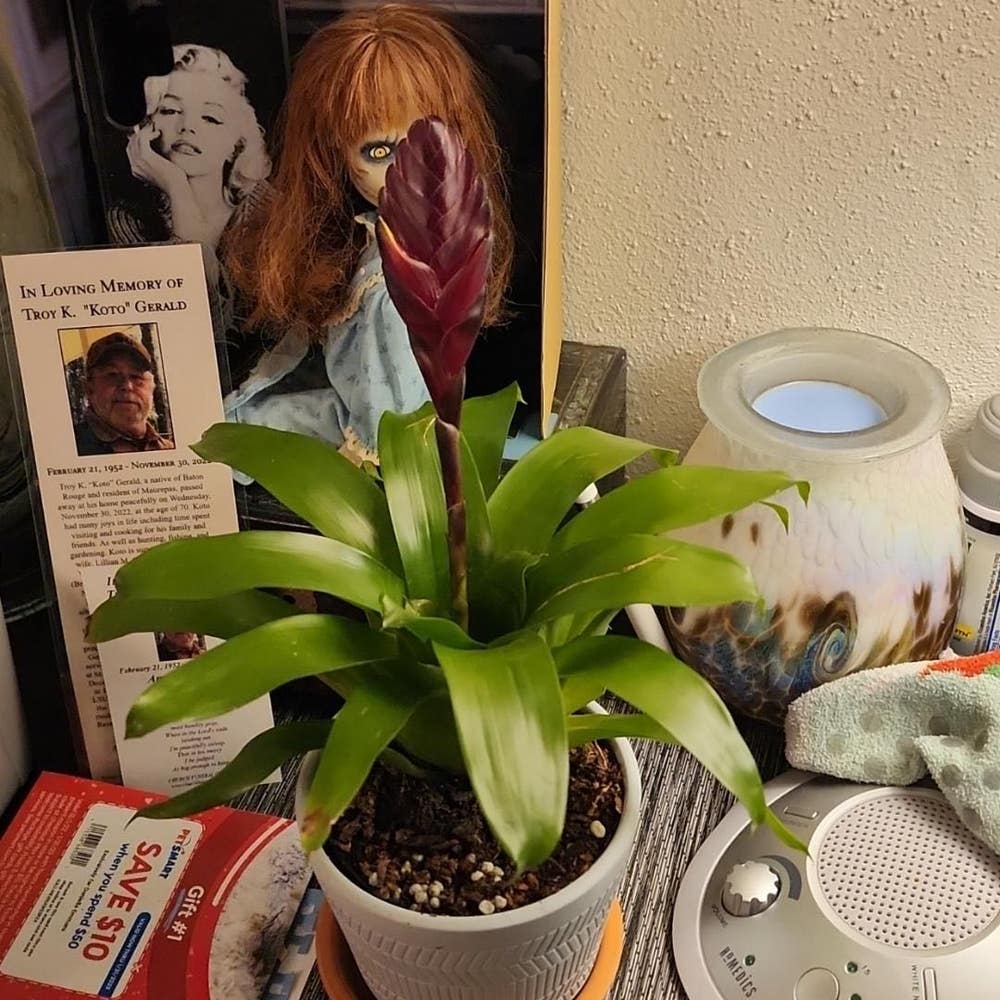
Everything You Need to Know About Vriesea stricta
Vriesea stricta
By the Greg Editorial Team
Feb 23, 2025•11 min read
This article was created with the help of AI so we can cover more plants for you. May contain errors. See one? Report it here.
Elevate your home with Vriesea stricta, a vibrant, low-maintenance plant that purifies air and boosts humidity! 🌿✨
- 🌞 Vriesea stricta thrives in bright, indirect sunlight and high humidity for optimal growth.
- 💧 Water regularly in the central cup to prevent root rot and maintain health.
- 🌱 Low maintenance and safe for pets, making it perfect for busy plant lovers.
How to Grow
Choosing a Location 🌞
To thrive, Vriesea stricta needs bright, indirect sunlight. Aim for a temperature range between 20°C to 30°C (68°F to 86°F) and maintain humidity levels of 50% or higher for optimal growth.
Soil Preparation 🌱
Select a well-draining, organic potting mix or orchid mix for planting. The ideal pH level should be slightly acidic to neutral, ranging from 5.5 to 7.0.
Planting Techniques 🌿
For young plants, use a container size of 6-8 inches. As they mature, choose larger pots, ensuring the base of the plant is level with the soil surface for proper growth.
Watering Requirements 🚰
Keep the central cup of the plant filled with water, changing it every 1-2 weeks. Watch for signs of overwatering, such as yellowing leaves and mushy roots, to prevent damage.
Fertilizing Schedule 🍽️
Use a balanced liquid fertilizer diluted to half strength. Fertilize every 4-6 weeks during the growing season to support healthy growth.
Pruning and Ongoing Care ✂️
Regularly prune by removing dead or damaged leaves at the base. Ongoing care includes checking for pests and maintaining humidity levels to keep your plant happy.
Outdoor vs. Container Growing 🌍
Vriesea stricta can thrive outdoors in tropical climates, but it prefers partial shade. For indoor settings, container growing is ideal; just ensure proper drainage to avoid water issues.
Transitioning from growing techniques, let’s explore how to propagate this beautiful plant effectively.
Propagation
Methods of Propagation 🌱
Vriesea stricta can be propagated through two primary methods: offsets and seeds. Offsets, or pups, are small plants that grow at the base of the parent plant, while seeds can be collected from mature flowers.
Step-by-Step Instructions for Each Method 📋
Offsets 🌿
- Wait until pups are at least one-third the size of the parent plant.
- Gently twist or cut the pup away from the base.
- Plant the pup in a separate container filled with appropriate soil.
Seeds 🌾
- Sow seeds on the surface of a moist seed-starting mix.
- Cover the seeds lightly and maintain humidity until germination.
Propagation is an exciting way to expand your collection of Vriesea stricta. Whether you choose offsets or seeds, both methods can lead to thriving new plants. Now that you know how to propagate, let’s explore the lifecycle of this fascinating bromeliad.
Lifecycle
Overview of Lifecycle Stages 🌱
The lifecycle of Vriesea stricta unfolds in distinct stages. It begins with germination, which takes about 2-4 weeks for seeds to sprout.
Following germination, the seedling stage lasts 4-6 weeks until the plant develops true leaves. After this, it enters the vegetative growth phase, which can last from 6 months to a year as the plant matures.
Typically, flowering occurs after 2-3 years, marking a significant milestone in its lifecycle. Once flowering is complete, the parent plant may die back, paving the way for new growth.
Lifespan and Growth Rate ⏳
Vriesea stricta has an overall lifespan of 3-5 years, with flowering happening only once during this period.
The time it takes to reach maturity is approximately 2-3 years, depending on the care it receives.
Its growth rate is moderate, influenced by factors such as light, humidity, and watering practices.
Understanding these lifecycle stages can help you provide the best care for your Vriesea stricta, ensuring it thrives and flourishes.
Next, we’ll explore how to effectively propagate this stunning plant.
Size
Mature Height and Spread 🌱
Vriesea stricta can reach a mature height of 18-24 inches (45-60 cm) and spread out to about 12-18 inches (30-45 cm). This size makes it a striking addition to any indoor or outdoor space.
Growth Habits and Rate 📈
This plant exhibits a rosette-forming growth habit, typical of many bromeliads. Its growth rate is moderate, heavily influenced by the light and humidity levels in its environment.
Factors Affecting Size Variability 📏
Several factors can affect the size of your Vriesea stricta.
- Light Conditions: Insufficient light can lead to leggy growth, making the plant appear stretched and less vibrant.
- Watering Practices: Both overwatering and underwatering can stunt growth, so maintaining a consistent watering routine is crucial.
Understanding these factors will help you cultivate a healthy, thriving plant that reaches its full potential.
Roots
Characteristics of the Root System 🌱
Vriesea stricta features a fibrous root system, perfectly adapted for its epiphytic lifestyle. These roots are shallow and primarily spread horizontally, allowing the plant to absorb moisture and nutrients efficiently from its environment.
Common Root-Related Issues ⚠️
Root health is crucial for the overall vitality of Vriesea stricta. Overwatering can lead to root rot, characterized by mushy roots, while being rootbound can stunt growth, evident by circling roots and reduced vigor.
Identifying Healthy vs. Unhealthy Roots 🔍
Healthy roots are firm and exhibit a white or light tan color. In contrast, unhealthy roots appear dark, mushy, or may emit a foul smell, indicating a need for immediate attention.
Recognizing and Addressing Rootbound Conditions 🏠
If you notice roots growing out of the drainage holes, your plant may be rootbound. The solution is simple: repot the plant into a larger container with fresh soil to give it room to thrive.
Understanding the root system of Vriesea stricta is essential for maintaining its health and beauty. With proper care, you can ensure your plant flourishes, setting the stage for the next topic on propagation techniques.
Benefits
Top 5 Benefits of Growing Vriesea stricta 🌱
1. Aesthetic Appeal
Vriesea stricta is a showstopper. Its vibrant colors and unique rosette form can instantly elevate the look of any indoor space.
2. Air Purification
This plant isn't just pretty; it also helps improve indoor air quality. By filtering out toxins, it creates a healthier environment for you and your loved ones.
3. Low Maintenance
If you're not a green thumb, Vriesea stricta is your friend. It requires minimal care compared to other houseplants, making it perfect for busy lifestyles.
4. Humidity Enhancement
In dry environments, this plant works wonders by increasing humidity levels. This can be especially beneficial during winter months when indoor air tends to be drier.
5. Symbolism
Vriesea stricta represents resilience and adaptability in various cultures. Having one in your home can serve as a daily reminder of strength and perseverance.
These benefits make Vriesea stricta a fantastic choice for both novice and experienced plant enthusiasts. Whether you're looking to beautify your space or improve air quality, this plant has you covered.
Next, let's explore the concept of companion planting and discover which plants thrive alongside Vriesea stricta.
Companion Plants
🌱 Concept of Companion Planting
Companion planting is all about creating a harmonious garden environment. It enhances diversity, improves pest management, and boosts overall plant health.
🌿 Best Companion Plants
When it comes to Vriesea stricta, consider pairing it with other bromeliads, ferns, and tropical plants. These companions thrive under similar humidity and light conditions, making them ideal partners.
🚫 Plants to Avoid
Steer clear of heavy feeders or plants that prefer dry conditions. These plants compete for nutrients and water, which can hinder the growth of your Vriesea stricta.
By choosing the right companions, you can create a thriving ecosystem that benefits all your plants. This thoughtful approach not only enhances your garden's beauty but also promotes healthier growth for your Vriesea stricta.
Toxicity to Humans
Safety of Vriesea stricta for Humans 🐾
Vriesea stricta is not listed as toxic by major poison control centers, making it a safe choice for your home. You can handle and even ingest small amounts without worry, although it's wise to be cautious.
While generally safe, consuming large quantities may lead to mild skin irritation or digestive discomfort. Always exercise caution with any plant, and if you experience unusual symptoms, seek medical advice promptly.
This vibrant bromeliad can bring joy to your space without the fear of toxicity. Enjoy its beauty while keeping a watchful eye on your health!
As we explore more about Vriesea stricta, let’s dive into its safety around our furry friends.
Toxicity to Dogs
Safety of Vriesea stricta for Dogs 🐶
Vriesea stricta is not listed as toxic by major pet poison control centers. This means it is generally safe to have around dogs, with minimal risk of toxicity.
However, if ingested in large quantities, mild gastrointestinal upset may occur. To ensure your furry friend stays safe, it's best to keep the plant out of reach of curious dogs.
Monitoring Behavior 👀
Always observe your dog's behavior around the plant. If you notice any unusual interest or potential nibbling, it's a good idea to move the plant to a more secure location.
By taking these precautions, you can enjoy the beauty of Vriesea stricta without worrying about your dog's health. Now, let's explore its safety for cats!
Toxicity to Cats
Safety of Vriesea stricta for Cats 🐱
Vriesea stricta is not listed as toxic by major pet poison control centers, making it a safe choice for cat owners. Generally, this plant poses minimal risk of toxicity, allowing you to enjoy its beauty without worry.
However, if ingested in large quantities, mild gastrointestinal upset may occur. It's always wise to keep an eye on your feline friends, especially if they show an unusual interest in the plant.
Proper Placement 🚫
To ensure safety, place your Vriesea stricta out of reach of curious cats. This simple precaution can prevent any potential mishaps and keep your plant thriving.
Monitoring Behavior 👀
Keep an eye on your cat's behavior around the plant. If you notice any unusual interest or signs of discomfort, it's best to consult a veterinarian for advice.
With these considerations in mind, you can enjoy the vibrant presence of Vriesea stricta in your home while keeping your furry companions safe.
Next, let’s explore common problems that may arise when caring for this beautiful plant.
Problems
Common Problems Faced 🌱
Growing Vriesea stricta can be rewarding, but it’s not without its challenges.
Incorrect Watering: Overwatering leads to yellowing leaves, while underwatering causes browning tips.
Incorrect Light Conditions: Insufficient light results in leggy growth, making the plant look weak and stretched.
Incorrect Temperature: Stress from temperature extremes manifests as wilting or leaf drop, signaling that your plant is unhappy.
Diseases: Fungal issues, such as powdery mildew and root rot, can develop if conditions are not ideal.
Leaf Issues: Environmental stress can cause scorching or yellowing leaves, indicating that something is off in your plant's care routine.
Symptoms and Solutions 🔍
Identifying problems early is key to keeping your Vriesea stricta thriving.
Visual Cues: Pay attention to the leaves and overall plant health. Yellowing leaves often indicate overwatering, while browning tips suggest underwatering.
Environmental Factors: Assess light levels and temperature. If your plant is leggy, consider moving it to a brighter spot.
Resolving Issues:
- Adjust watering practices based on the plant's needs.
- Ensure it receives adequate light and maintain a stable temperature.
- For diseases, remove affected leaves and improve air circulation.
- Monitor humidity levels to prevent stress and promote healthy growth.
With these simple steps, you can revive your Vriesea stricta and enjoy its beauty for years to come.
Bugs
🐜 Potential Pest Issues
While Vriesea stricta is known for its moderate pest resistance, it can still fall victim to a few common pests. Keeping an eye on your plant can help you catch any issues early.
🔍 Identification and Damage
Spider Mites
Look for fine webbing and stippled leaves, which are telltale signs of spider mite infestations. These tiny pests can sap the life out of your plant if left unchecked.
Scale Insects
Sticky residue on leaves and yellowing foliage often indicate a scale insect problem. These pests attach themselves to the plant and can be quite stubborn to remove.
Mealybugs
If you notice cotton-like masses on your leaves, you’re likely dealing with mealybugs. They can weaken your plant significantly, so prompt action is essential.
🛠️ Treatment Options
To combat these pests, consider using insecticidal soap or neem oil. Both are effective and relatively safe for your plant.
For minor infestations, manual removal can also work wonders. Just wipe the affected areas with a damp cloth or gently scrub them off.
By staying vigilant and addressing pest issues promptly, you can keep your Vriesea stricta thriving and beautiful. Next, let’s explore what animals might be interested in snacking on your plant.
What Eats Vriesea stricta
🦌 Common Animals That May Damage
Vriesea stricta can attract a few unwelcome visitors.
- Deer: They tend to munch on the leaves, leaving behind chewed remnants and broken stems.
- Rabbits: These little critters will clip the leaves, making your plant look ragged.
- Squirrels: Often, they dig around the base, causing potential harm to the roots.
👀 Signs of Animal Presence and Damage
Keep an eye out for signs that animals are taking an interest in your Vriesea stricta.
Look for droppings, tracks, or any visible damage to the plant. These clues can help you identify which animal might be causing the trouble.
🚫 Deterrent Methods
Preventing animal damage is key to keeping your plant healthy.
- Chemical deterrents: Consider using commercial repellents designed to keep animals at bay.
- Organic control methods: You can also plant deterrent species nearby or use physical barriers to protect your Vriesea stricta.
By being proactive, you can enjoy the beauty of your plant without the worry of animal interference.
⚠️ Safety First
This content is for general information and may contain errors, omissions, or outdated details. It is not medical, veterinary advice, or an endorsement of therapeutic claims.
Always consult a qualified healthcare professional before using any plant as food, medicine, or supplement.
Never eat any plant (or feed one to pets) without confirming its identity with at least two trusted sources.
If you suspect poisoning, call Poison Control (800) 222-1222, the Pet Poison Helpline (800) 213-6680, or your local emergency service immediately.
Spotted an error? Please report it here.
Cultivate a thriving Vriesea stricta 🌱 with Greg's personalized care tips and watering reminders, ensuring your resilient bromeliad flourishes beautifully in your home!