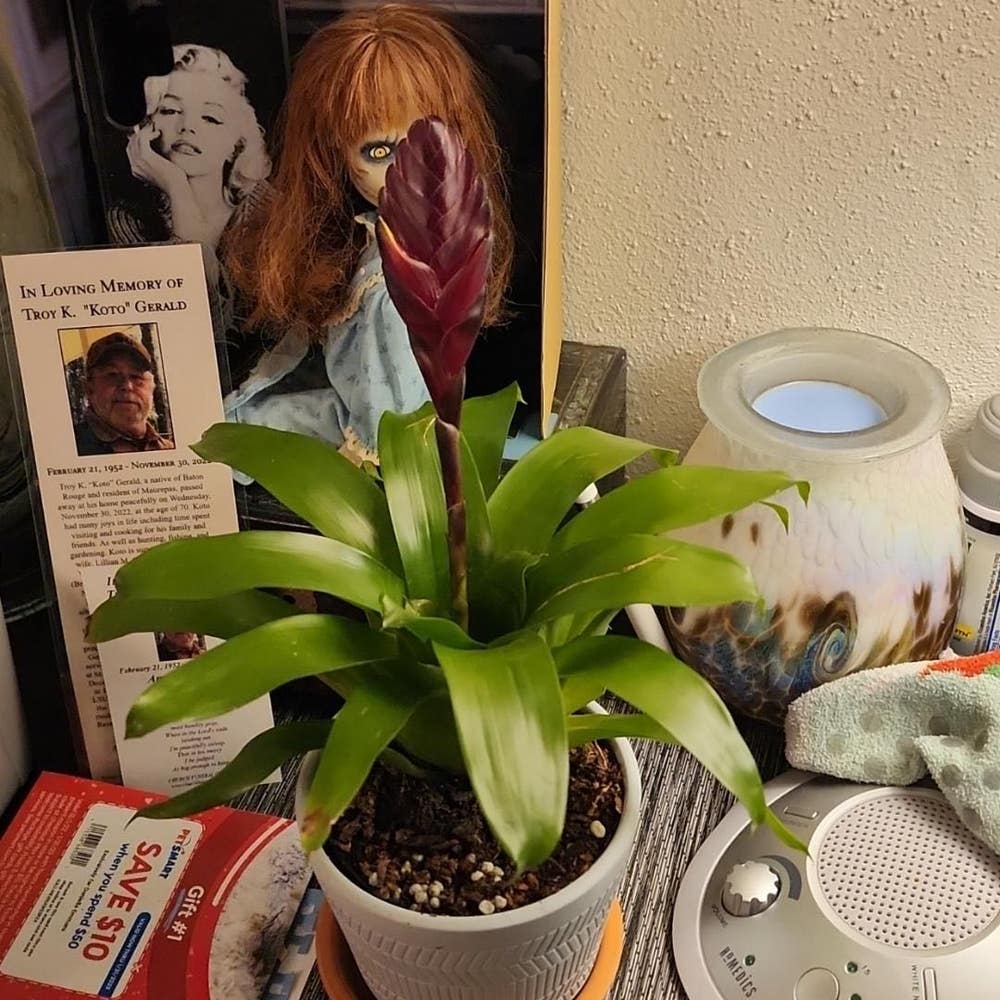
Vriesea 'Sense' Explained: Key Information
Vriesea 'Sense'
By the Greg Editorial Team
Feb 18, 2025•13 min read
This article was created with the help of AI so we can cover more plants for you. May contain errors. See one? Report it here.
- 🌱 Vriesea 'Sense' thrives in humidity of 60-80% and indirect light.
- 🌡️ Ideal temperature for growth is between 20°C to 30°C (68°F to 86°F).
- 🐾 Non-toxic to pets, making it a safe choice for homes with animals.
How to Grow Vriesea 'Sense'
🌞 Choosing a Location
Vriesea 'Sense' thrives in indirect light, making it perfect for bright indoor spaces. Avoid direct sunlight, as it can scorch the leaves and diminish the plant's beauty.
Humidity is key for this bromeliad; it prefers levels between 60-80%. To achieve this, consider using a humidity tray or misting the plant regularly.
The ideal temperature range for Vriesea 'Sense' is between 20°C to 30°C (68°F to 86°F). Keeping it within this range will promote healthy growth and vibrant foliage.
🌱 Soil Preparation
For soil, opt for a well-draining potting mix specifically formulated for bromeliads. This ensures that the roots have the aeration they need to thrive.
Make sure your pots have drainage holes to prevent waterlogging. Adding perlite or orchid bark can enhance aeration and drainage, promoting a healthy root system.
🌿 Planting
Vriesea 'Sense' can be grown in containers or outdoors, as long as outdoor conditions mimic its tropical origins. If planting outside, choose a spot that provides the right light and humidity.
When planting, position the plant so that the base of the rosette is level with the soil surface. This helps the plant establish itself properly.
💧 Watering
Water your Vriesea 'Sense' when the top inch of soil feels dry. It's also important to maintain water in the leaf axils to keep the plant hydrated.
Use distilled or rainwater to avoid chemical buildup in the soil. Be cautious to avoid waterlogging, as this can lead to root rot.
🌼 Fertilizing
A balanced, water-soluble fertilizer diluted to half strength is ideal for Vriesea 'Sense'. This provides the necessary nutrients without overwhelming the plant.
Fertilize every 4-6 weeks during the growing season, which typically spans spring and summer. This regular feeding will support healthy growth and flowering.
✂️ Pruning
Pruning is essential for maintaining the health of your Vriesea 'Sense'. Remove any dead or damaged leaves as needed to encourage new growth.
Use clean, sharp scissors for pruning to avoid introducing disease. This simple step can make a significant difference in the plant's overall health.
🔍 Ongoing Care
Regularly monitor your plant for signs of pests or disease. Catching issues early can prevent more significant problems down the line.
As seasons change, adjust your care routine. Reduce watering and fertilizing during the dormant winter months to align with the plant's natural growth cycle.
With these tips, you'll be well on your way to successfully growing Vriesea 'Sense' and enjoying its stunning beauty in your home or garden.
Propagation
🌱 Methods of Propagation
Vriesea 'Sense' can be propagated through two primary methods: offsets and seeds. Offsets, or pups, should be allowed to grow to at least one-third the size of the parent plant before separating.
For seed propagation, collect seeds from mature flowers and sow them in a well-draining mix. This method can be rewarding but requires patience.
📝 Step-by-Step Instructions for Each Method
Offsets
- Wait until pups are established, ideally 3-6 inches tall.
- Gently twist or cut the pups away from the parent plant.
- Plant the separated pups in a small pot filled with bromeliad mix.
Seeds
- Prepare a seed tray with a sterile potting mix.
- Sow the seeds on the surface and lightly mist them.
- Cover the tray with plastic wrap until germination occurs, which typically takes 2-4 weeks.
⏰ Timing and Conditions for Successful Propagation
The best time to propagate Vriesea 'Sense' is during spring or early summer. Ensure warm temperatures around 25°C (77°F) and high humidity to promote successful germination.
By following these steps, you can enjoy the satisfaction of growing new plants from your Vriesea 'Sense'. This not only expands your collection but also deepens your connection with this beautiful bromeliad.
Next, let’s explore the lifecycle of Vriesea 'Sense' and understand how it develops from seed to maturity.
Lifecycle
🌱 Lifecycle Overview
The lifecycle of Vriesea 'Sense' begins with germination, where seeds sprout within 2-4 weeks under optimal conditions. Following this, the seedling stage lasts 2-3 months, during which the plant develops roots and initial leaves.
🌿 Growth Stages
After the seedling phase, Vriesea 'Sense' enters a period of vegetative growth, characterized by rapid leaf development that can last several months. Flowering typically occurs after 1-2 years, showcasing vibrant flower spikes that add a splash of color to your space.
🌾 Seed Production
Once flowering is complete, the plant may produce seeds, continuing the cycle of growth and propagation. This ability to reproduce ensures that your gardening efforts can yield new plants for years to come.
⏳ Lifespan and Growth Timeline
Vriesea 'Sense' has an overall lifespan of 3-5 years, during which it may continue to produce offsets even after flowering. It takes approximately 1-2 years for the plant to reach full maturity, depending on care and environmental conditions.
📈 Growth Rate Influencers
The growth rate of Vriesea 'Sense' is moderate and can be influenced by factors such as light and humidity levels. Providing optimal conditions will encourage a healthier, more robust plant, enhancing its beauty and longevity.
This lifecycle understanding sets the stage for appreciating the care and attention needed to cultivate Vriesea 'Sense' successfully. Next, we’ll explore the various benefits of growing this stunning plant.
Size
Mature Height and Spread 🌱
Vriesea 'Sense' typically reaches a mature height of 30-60 cm (12-24 inches). Its spread can extend up to 30-45 cm (12-18 inches), depending on the growing conditions.
Growth Rate and Factors Affecting Size 📈
The growth rate of Vriesea 'Sense' is moderate, influenced by factors such as light, humidity, and nutrient availability. With optimal care, you can expect larger plants, as size variability often reflects the conditions in which they are grown.
Maintaining the right environment is key to achieving the best results. Providing adequate light and humidity will not only enhance growth but also contribute to the overall health of your plant.
In summary, understanding these size dynamics will help you cultivate a thriving Vriesea 'Sense' that can become a stunning focal point in your plant collection. Next, let's explore the fascinating lifecycle of this unique bromeliad.
Roots
Characteristics of the Root System 🌱
Vriesea 'Sense' features a fibrous root system that is shallow yet effective. Typically, these roots extend horizontally, reaching a depth of about 15-30 cm (6-12 inches) to support the plant's stability.
Common Root-Related Issues ⚠️
Root health is crucial for the overall well-being of your Vriesea 'Sense'. Overwatering can lead to root rot, characterized by mushy roots and yellowing leaves. Conversely, a rootbound condition occurs when the roots fill the pot, leading to stunted growth and roots emerging from drainage holes.
Visual Cues for Healthy vs. Unhealthy Roots 👀
Identifying root health is straightforward. Healthy roots are firm and exhibit a white or light tan color. In contrast, unhealthy roots appear dark, mushy, or may emit a foul smell, indicating rot.
Tips for Managing Root Problems 🛠️
Preventing root rot is essential. Ensure proper drainage and avoid waterlogging to keep your plant thriving. If you notice your Vriesea 'Sense' becoming rootbound, it's time to repot into a larger container to give those roots room to grow.
With a solid understanding of your plant's roots, you're better equipped to nurture its health. Next, let's explore the benefits of growing Vriesea 'Sense' and why it deserves a spot in your home or garden.
Benefits
Top 5 Benefits of Growing Vriesea 'Sense' 🌱
1. Aesthetic Appeal
Vriesea 'Sense' boasts striking foliage and vibrant flowers that can elevate any indoor or outdoor space. Its unique appearance makes it a standout addition to your plant collection.
2. Air Purification
This plant is not just a pretty face; it actively helps improve indoor air quality by filtering out pollutants. Adding Vriesea 'Sense' to your home can contribute to a healthier living environment.
3. Low Maintenance
If you're looking for a plant that requires minimal care, Vriesea 'Sense' is an excellent choice. Its low maintenance needs make it perfect for both novice and busy plant enthusiasts.
4. Unique Growth Habit
The rosette shape of Vriesea 'Sense' adds diversity to your plant collection. Its distinct growth habit can create visual interest and complement other plants beautifully.
5. Symbolism
In various cultures, Vriesea 'Sense' symbolizes beauty and resilience. Growing this plant can serve as a reminder of these positive qualities in your life.
With these benefits in mind, it's clear that Vriesea 'Sense' is more than just a decorative plant. Its contributions to aesthetics, air quality, and ease of care make it a worthy addition to any home or garden.
Next, let’s explore the best practices for propagating this stunning bromeliad.
Companion Plants
🪴 Explanation of Companion Planting
Companion planting is a gardening technique that enhances the diversity of your garden. It can improve pest management and promote healthier growth among plants.
🌱 List of Compatible Companion Plants
When growing Vriesea 'Sense', consider pairing it with other bromeliads, ferns, and shade-loving plants like peace lilies. These companions thrive under similar humidity and light conditions, making them ideal partners.
🚫 Plants to Avoid Planting Near Vriesea 'Sense'
It's best to avoid planting heavy feeders or aggressive plants nearby. These plants can compete for nutrients and space, potentially stunting the growth of your Vriesea 'Sense'.
By choosing the right companions, you can create a thriving plant community that benefits everyone involved. This thoughtful approach not only enhances your garden's aesthetics but also fosters a healthier environment for your Vriesea 'Sense' to flourish.
Toxicity to Humans
Safety of Vriesea 'Sense' for Humans 🌿
Vriesea 'Sense' is not listed as toxic by major poison control centers, making it a safe choice for homes. However, excessive contact may cause mild skin irritation, and ingesting large quantities could lead to digestive discomfort.
Recommendations for Caution ⚠️
It's wise to monitor for any unusual symptoms after contact or ingestion. If adverse reactions occur, consult a healthcare professional for guidance.
This plant can be a delightful addition to your space, but a little caution goes a long way in ensuring a safe environment for everyone.
Toxicity to Dogs
Safety of Vriesea 'Sense' for Dogs 🐶
Vriesea 'Sense' is a safe choice for dog owners. It is not listed as toxic by major pet poison control centers, meaning your furry friends can roam around it without worry.
However, keep in mind that excessive consumption might lead to mild gastrointestinal upset. It's always best to monitor your dog's interactions with any plant.
Tips for Introducing Vriesea 'Sense' to Homes with Dogs 🏡
To ensure a harmonious home, place your Vriesea 'Sense' out of reach of curious dogs. This simple step can prevent any accidental nibbling.
Additionally, observe how your dog interacts with the plant. Keeping an eye on their behavior can help you catch any unusual reactions early on.
Toxicity to Cats
Safety of Vriesea 'Sense' for Cats 🐱
Vriesea 'Sense' is considered non-toxic for cats, according to major pet poison control centers. However, if a cat consumes too much, it may experience mild gastrointestinal upset.
Tips for Introducing Vriesea 'Sense' to Homes with Cats 🏡
To keep your feline friends safe, place the Vriesea 'Sense' in areas that are hard for cats to reach. Additionally, monitor your cat's behavior around the plant to ensure they don't show any unusual interest or interactions.
By taking these precautions, you can enjoy the beauty of Vriesea 'Sense' without worrying about your furry companions.
Problems
Common Problems Faced When Growing Vriesea 'Sense' 🌱
Growing Vriesea 'Sense' can be a rewarding experience, but it’s not without its challenges. Here are some common problems you might encounter.
1. Incorrect Watering 🚰
Watering issues are among the most frequent problems.
- Overwatered: If you notice yellowing leaves or root rot, it’s a sign you might be giving your plant too much water.
- Underwatered: Conversely, wilting and crispy leaf edges indicate that your plant is thirsty.
2. Incorrect Light Conditions 💡
Light is crucial for the health of your Vriesea 'Sense'.
- Signs of Too Much Light: Leaf scorch can occur if the plant is exposed to direct sunlight for too long.
- Signs of Too Little Light: If your plant appears leggy, it’s likely not getting enough light.
3. Incorrect Temperature 🌡️
Temperature fluctuations can stress your plant.
- Signs of Stress: Stunted growth or leaf drop often occur in extreme temperatures, so keep your plant in its ideal range.
4. Diseases 🦠
Fungal diseases can also plague your Vriesea 'Sense'.
- Common Issues: Look out for powdery mildew or rust, which manifest as white powdery spots or leaf discoloration.
5. Leaf Issues 🍃
Leaf problems can signal underlying issues.
- Scorching: Brown tips on leaves often indicate too much direct light or low humidity, so adjust your plant’s environment accordingly.
By staying vigilant and addressing these common problems, you can help your Vriesea 'Sense' thrive. Next, let’s explore the potential pests that could affect your plant's health.
Bugs
🐜 Potential Pest Issues for Vriesea 'Sense'
While Vriesea 'Sense' is generally pest-resistant, it can still fall prey to a few common pests. Keeping an eye out for these invaders is essential to maintaining the health of your plant.
🔍 Identification and Damage Caused by Pests
Spider Mites
Look for fine webbing and stippled leaves. These tiny pests can cause significant leaf damage if left unchecked.
Mealybugs
These appear as white, cotton-like masses on your plant. They weaken Vriesea 'Sense' by sucking sap, leading to overall decline.
Aphids
Small green or black insects that can cause leaf curling and stunted growth. Their presence can quickly turn a thriving plant into a struggling one.
🛠️ Effective Treatment Options for Pest Control
Neem Oil
This natural pesticide is effective against many pests. A simple spray can help keep your plant safe.
Insecticidal Soap
A safe option for treating infestations, insecticidal soap can effectively eliminate unwanted guests without harming your plant.
Regular Inspection
Make it a habit to monitor your plants frequently. Early detection is key to catching infestations before they escalate.
By staying vigilant and employing these treatment options, you can keep your Vriesea 'Sense' thriving and pest-free. Next, let’s explore what animals might be interested in snacking on your beautiful plant.
What Eats Vriesea 'Sense'
🦌 Common Animals That May Damage Vriesea 'Sense'
Vriesea 'Sense' can attract a few hungry visitors.
- Deer: Look for chewed leaves and broken stems as signs of their nibbling.
- Rabbits: They leave behind cleanly cut leaves and stems, making it clear they’ve had a feast.
- Squirrels: If you notice digging around the base of your plant, these little critters might be the culprits.
🚫 Methods for Deterring or Managing Animal Pests
Protecting your Vriesea 'Sense' from these animals is crucial for its health.
- Chemical deterrents: Consider using commercial repellents or homemade solutions to keep them at bay.
- Organic control methods: Planting deterrent plants or using physical barriers like fencing can also help safeguard your precious bromeliad.
By being proactive, you can enjoy the beauty of Vriesea 'Sense' without the worry of animal damage. Now that you know how to protect your plant, let’s explore the common problems you might face while growing it.
⚠️ Safety First
This content is for general information and may contain errors, omissions, or outdated details. It is not medical, veterinary advice, or an endorsement of therapeutic claims.
Always consult a qualified healthcare professional before using any plant as food, medicine, or supplement.
Never eat any plant (or feed one to pets) without confirming its identity with at least two trusted sources.
If you suspect poisoning, call Poison Control (800) 222-1222, the Pet Poison Helpline (800) 213-6680, or your local emergency service immediately.
Spotted an error? Please report it here.
Cultivating Vriesea 'Sense' is effortless 🌱 with Greg's tailored care reminders and expert tips, ensuring your stunning bromeliad thrives in your home!