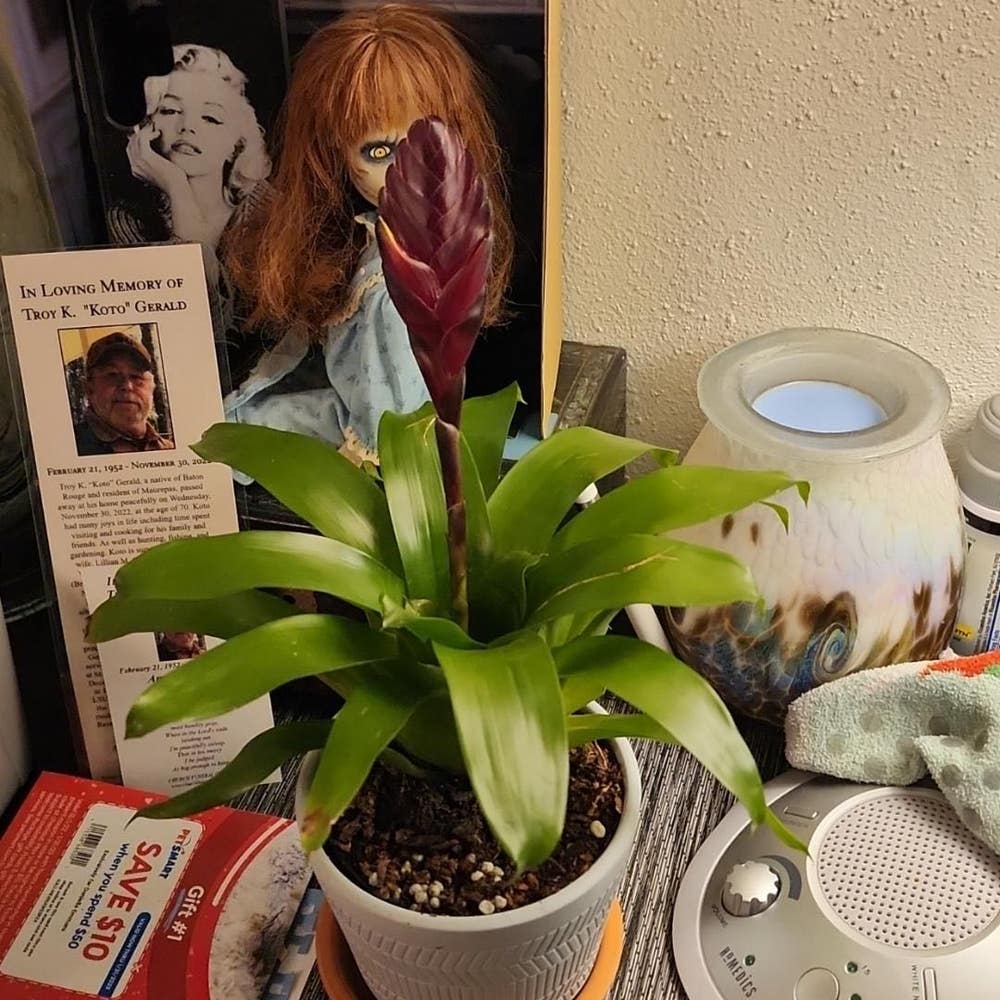
🌸 Overview of Vriesea sanfranciscana
Vriesea sanfranciscana
By the Greg Editorial Team
Feb 26, 2025•11 min read
This article was created with the help of AI so we can cover more plants for you. May contain errors. See one? Report it here.
- 🌞 Bright, indirect sunlight is essential to prevent leaf scorching in Vriesea sanfranciscana.
- 💧 Humidity levels of 60-80% are crucial for this bromeliad's health and growth.
- 🌱 Well-draining potting mix with perlite or orchid bark prevents root rot effectively.
How to Grow
🌞 Choosing the Right Location
To thrive, Vriesea sanfranciscana needs bright, indirect sunlight. Direct sun exposure can scorch its leaves, so find a spot that offers filtered light.
Humidity is crucial for this plant, ideally between 60-80%. Consider using a humidity tray or misting to maintain these levels, especially in drier environments.
🪴 Soil Preparation
A well-draining potting mix is essential for Vriesea sanfranciscana. Look for a mix specifically formulated for bromeliads to ensure optimal growth.
To enhance drainage, incorporate amendments like perlite or orchid bark. This will help prevent root rot and keep your plant healthy.
🌱 Planting Techniques
When growing in containers, choose pots with drainage holes. Proper spacing is vital for air circulation, allowing the plant to breathe and flourish.
For outdoor planting, select a shaded area with filtered light. Pay attention to microclimates, as they can significantly affect your plant's growth.
💧 Watering Requirements
Water your Vriesea sanfranciscana when the top inch of soil feels dry. It's important to maintain moisture without waterlogging the roots.
Directly water the soil, avoiding the rosette to prevent rot. This method helps keep the plant healthy and thriving.
🌿 Fertilizing Schedule
Use a balanced, water-soluble fertilizer diluted to half strength for your Vriesea sanfranciscana. This ensures the plant receives the nutrients it needs without overwhelming it.
Fertilize every 4-6 weeks during the growing season, which typically spans spring and summer. This regular feeding will support robust growth.
✂️ Pruning and Ongoing Care
Regularly prune dead or damaged leaves to promote air circulation. This simple step helps prevent disease and keeps your plant looking its best.
Ongoing care involves checking for pests and adjusting watering based on environmental conditions. Staying attentive will ensure your plant remains healthy and vibrant.
With these tips, you’re well on your way to successfully growing Vriesea sanfranciscana. Next, let’s explore how to propagate this beautiful plant for even more greenery!
Propagation
🌱 Methods of Propagation
Vriesea sanfranciscana can be propagated through two primary methods: offsets and seeds.
- Offsets: These are the small pups that grow at the base of the parent plant. Wait until they are at least one-third the size of the parent before removing them for propagation.
- Seeds: Collect seeds from mature flowers and sow them in a well-draining mix for a different propagation experience.
📝 Step-by-Step Instructions for Each Method
Offsets
- Remove the Offset: Gently twist or cut the offset from the parent plant.
- Drying: Allow the cut end to dry for a few hours to prevent rot.
- Planting: Place the offset in a small pot filled with a well-draining mix.
Seeds
- Sowing: Sow seeds on the surface of a moist, well-draining mix.
- Covering: Lightly cover the seeds and maintain humidity until germination, which typically takes 2-4 weeks.
Propagation is an exciting way to expand your collection of Vriesea sanfranciscana. Whether you choose offsets or seeds, each method offers a rewarding experience that connects you with the plant's lifecycle.
As you explore propagation, consider the next section on the lifecycle of this fascinating plant to deepen your understanding of its growth stages.
Lifecycle
Lifecycle Stages 🌱
The lifecycle of Vriesea sanfranciscana begins with germination, which occurs in just 2-4 weeks under optimal conditions. Once germinated, the plant enters the seedling stage, developing its initial leaves and root system.
As it progresses to the vegetative growth stage, you’ll notice rapid leaf growth and the establishment of its characteristic rosette shape. Flowering typically happens after 2-3 years, showcasing vibrant inflorescences that are a highlight of this plant's lifecycle.
After flowering, the plant may produce seeds, completing its reproductive cycle. This stage is crucial for propagation and ensures the continuation of the species.
Lifespan and Growth Rate ⏳
Vriesea sanfranciscana can live for several years, with flowering occurring only once in its lifetime. This unique characteristic makes each flowering event special for plant enthusiasts.
In terms of growth rate, expect a moderate pace; it typically takes about 2-3 years for the plant to reach maturity. Factors like light, humidity, and care can influence this timeline, so keep an eye on your plant's environment for optimal growth.
This lifecycle not only highlights the beauty of Vriesea sanfranciscana but also emphasizes the patience and care required to cultivate it successfully. As we move forward, let’s explore how to propagate this stunning plant and share its beauty with others.
Size
Mature Height and Spread 🌱
Vriesea sanfranciscana typically reaches a mature height of approximately 12-24 inches (30-60 cm). Its spread can extend up to 18 inches (45 cm) in diameter, making it a striking addition to any plant collection.
Growth Rate and Factors Affecting Size 📈
This bromeliad has a moderate growth rate, influenced by factors such as light, humidity, and nutrient availability. Depending on the care and conditions provided, the size of the plant may vary, showcasing its adaptability to different environments.
As you nurture your Vriesea sanfranciscana, remember that optimal conditions will encourage healthy growth and vibrant foliage. With the right balance of care, you can enjoy a flourishing plant that enhances your space beautifully.
Roots
Characteristics of the Root System 🌱
Vriesea sanfranciscana features epiphytic roots that are specially adapted for moisture absorption and stability. These roots are shallow, primarily spreading horizontally to capture water and nutrients efficiently.
Common Root-Related Issues ⚠️
Root rot is a common problem caused by overwatering, leading to mushy roots and yellowing leaves. Another issue is becoming rootbound, which occurs when the roots outgrow the pot, resulting in stunted growth and circling roots.
Identifying Healthy vs. Unhealthy Roots 🔍
Healthy roots are firm and exhibit a white or light tan color, indicating vitality. In contrast, unhealthy roots appear dark, mushy, or foul-smelling, signaling potential rot.
Understanding the root system of Vriesea sanfranciscana is crucial for its overall health. By monitoring root conditions, you can ensure your plant thrives and avoids common pitfalls. Next, let’s explore the benefits of growing this stunning bromeliad.
Benefits
Top 5 Benefits of Growing Vriesea sanfranciscana 🌺
Aesthetic Appeal
Vriesea sanfranciscana brings vibrant color and a unique shape to both indoor and outdoor spaces. Its striking inflorescences can serve as a focal point in any garden or living room.Air Purification
This plant helps improve indoor air quality by filtering out pollutants. By incorporating Vriesea sanfranciscana into your home, you can breathe easier and enjoy a healthier environment.Low Maintenance
Compared to many ornamental plants, Vriesea sanfranciscana requires minimal care. This makes it an excellent choice for busy individuals or those new to gardening.Humidity Enhancement
Growing this bromeliad can increase humidity levels in your home. This is particularly beneficial for other plants that thrive in moist conditions, creating a more vibrant indoor ecosystem.Cultural Significance
In various cultures, Vriesea sanfranciscana symbolizes beauty and resilience. By growing this plant, you not only enhance your space but also connect with its rich cultural heritage.
Incorporating Vriesea sanfranciscana into your plant collection offers numerous advantages, making it a worthwhile addition for both novice and experienced gardeners. Next, let’s explore the concept of companion planting and how it can further enhance your gardening experience.
Companion Plants
Explanation of Companion Planting 🌱
Companion planting is the practice of growing different plants together to enhance their growth and health. This method can improve pest management and create a more vibrant garden ecosystem.
Best Companion Plants 🌼
When selecting companions for Vriesea sanfranciscana, consider other bromeliads, ferns, and shade-loving plants. These plants thrive in similar humidity and light conditions, promoting a harmonious garden environment.
- Bromeliads: Share similar care requirements and add color.
- Ferns: Thrive in high humidity, complementing the aesthetic.
- Shade-loving plants: Help maintain moisture levels and prevent competition for resources.
Plants to Avoid 🚫
It's best to steer clear of plants that require full sun or dry conditions. These plants may compete for water and nutrients, ultimately stressing your Vriesea sanfranciscana.
By choosing the right companions, you can create a thriving garden that not only looks beautiful but also supports the health of your plants. This thoughtful approach to planting enhances biodiversity and fosters a more resilient garden ecosystem.
Toxicity to Humans
Vriesea sanfranciscana is generally considered safe for humans, as it is not listed as toxic by major poison control centers. However, it's wise to be cautious; excessive contact with the plant may cause mild skin irritation.
Ingesting large quantities could lead to minor digestive discomfort. While the plant is safe, always seek medical advice if you experience unusual symptoms after contact or ingestion. It's better to be safe than sorry!
Toxicity to Dogs
Vriesea sanfranciscana is considered safe for dogs, as it is not listed as toxic by major pet poison control centers. This means you can enjoy this beautiful plant without worrying about your furry friends getting sick.
However, if a dog consumes excessive amounts of the plant, it may experience mild gastrointestinal upset. To prevent any issues, it's best to keep the plant out of reach of curious dogs and monitor their behavior around new greenery.
By taking these simple precautions, you can create a safe environment for both your plants and pets. Now that you know about the safety of Vriesea sanfranciscana for dogs, let's explore its toxicity to cats.
Toxicity to Cats
Vriesea sanfranciscana is considered safe for cats, as it is not listed as toxic by major pet poison control centers.
However, if your feline friend decides to nibble on it, excessive consumption might lead to mild gastrointestinal upset.
🐾 Proper Placement
To keep your plant safe and your cat happy, position Vriesea sanfranciscana in areas that are out of reach.
It's also a good idea to monitor your cat's behavior around new plants to ensure they don't develop a habit of munching.
By taking these simple precautions, you can enjoy the beauty of this bromeliad without worrying about your furry companion's health.
Next, let’s explore the common problems you might face while growing Vriesea sanfranciscana and how to tackle them effectively.
Problems
Common Problems Faced 🌱
Incorrect Watering
Watering is a critical aspect of Vriesea sanfranciscana care. Overwatering can lead to yellowing leaves and root rot, while underwatering results in wilting and crispy leaf edges.
Incorrect Light Conditions
Light conditions play a significant role in plant health. Too much direct sunlight can cause leaf burn, whereas insufficient light leads to leggy growth.
Incorrect Temperature
Temperature fluctuations can stress your plant. Cold conditions may stunt growth, while extreme heat can cause leaf drop.
Diseases
Fungal diseases can plague your Vriesea. Look out for powdery mildew and black rot, which manifest as white powdery spots and dark lesions on the leaves.
Leaf Issues
Leaf problems often signal environmental stress. Brown tips usually indicate too much light or low humidity, while yellowing leaves may suggest nutrient deficiencies.
Understanding these common issues will help you maintain a healthy Vriesea sanfranciscana. By addressing these problems promptly, you can ensure your plant thrives and continues to bring beauty to your space.
Bugs
🐞 Potential Pest Issues
While Vriesea sanfranciscana is generally pest-resistant, it can still fall prey to a few common pests. Keeping an eye on your plant will help you catch any issues early.
🐜 Common Pests
Spider Mites
- Identification: Look for fine webbing and stippled leaves, which are telltale signs of spider mites.
- Treatment: Increase humidity around the plant and apply insecticidal soap to eliminate these pests.
Scale Insects
- Identification: These pests appear as small, brown, shell-like bumps on the leaves.
- Treatment: You can remove them by hand or use horticultural oil for a more thorough approach.
Mealybugs
- Identification: Mealybugs are recognizable by their white, cottony masses on the leaves.
- Treatment: Apply neem oil or insecticidal soap to manage these pests effectively.
Aphids
- Identification: Tiny green or black insects on new growth indicate an aphid infestation.
- Treatment: Use insecticidal soap or introduce beneficial insects to keep their numbers in check.
By staying vigilant and addressing any pest issues promptly, you can ensure your Vriesea sanfranciscana remains healthy and vibrant. Next, let’s explore the common problems you might encounter while caring for this beautiful plant.
What Eats
🦌 Common Animals That May Damage
Vriesea sanfranciscana can attract a variety of animals, including deer, rabbits, squirrels, and rodents. These creatures may find the plant's vibrant foliage appealing, leading to potential damage.
👀 Signs of Animal Presence and Damage
Keep an eye out for signs of animal activity around your plants. Chewed leaves, missing plants, or droppings nearby can indicate that your Vriesea is being targeted by hungry visitors.
🚫 Deterrent Methods
To protect your plants, consider using chemical repellents designed for garden use. Alternatively, you can plant strong-smelling herbs, like mint, nearby to naturally deter these animals.
This proactive approach can help ensure your Vriesea sanfranciscana thrives without unwanted nibblers. Next, let’s explore the potential pest issues that can affect your plant.
⚠️ Safety First
This content is for general information and may contain errors, omissions, or outdated details. It is not medical, veterinary advice, or an endorsement of therapeutic claims.
Always consult a qualified healthcare professional before using any plant as food, medicine, or supplement.
Never eat any plant (or feed one to pets) without confirming its identity with at least two trusted sources.
If you suspect poisoning, call Poison Control (800) 222-1222, the Pet Poison Helpline (800) 213-6680, or your local emergency service immediately.
Spotted an error? Please report it here.
Unlock the secrets to thriving Vriesea sanfranciscana 🌱 with Greg's tailored care reminders and expert tips, ensuring your bromeliad flourishes beautifully in your home!