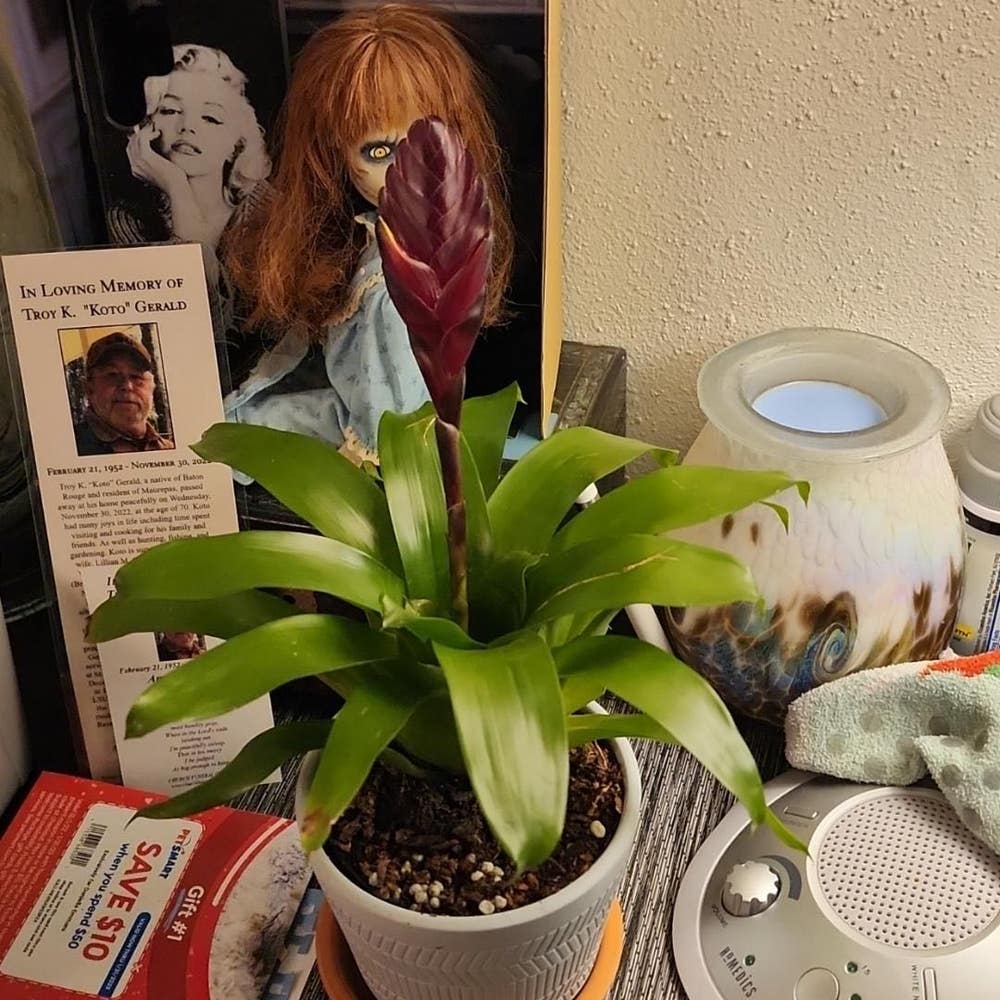
Everything You Need to Know About Vriesea rubens
Vriesea rubens
By the Greg Editorial Team
Feb 26, 2025•13 min read
This article was created with the help of AI so we can cover more plants for you. May contain errors. See one? Report it here.
Elevate your indoor garden with Vriesea rubens, a vibrant, low-maintenance beauty that thrives with ease! 🌿
- 🌞 Vriesea rubens thrives in bright, indirect light; avoid direct sunlight to prevent damage.
- 💧 Maintain humidity between 60-80% for optimal growth; use a humidifier if needed.
- 🌱 Water when the top inch of soil is dry, typically every 1-2 weeks.
How to Grow Vriesea rubens
🌞 Choosing a Location
To thrive, Vriesea rubens needs bright, indirect light. Direct sunlight can scorch its delicate leaves, so find a spot that offers filtered light.
Humidity is key for this plant, ideally between 60-80%. If your home is dry, consider placing a humidifier nearby or grouping plants together to create a microclimate.
Temperature is another important factor. Vriesea rubens prefers a range of 18°C to 30°C (65°F to 86°F) for optimal growth.
🌱 Soil Preparation
For soil, a well-draining potting mix is essential, with bromeliad-specific mixes being the best choice. This ensures that excess water drains away, preventing root rot.
To enhance aeration, incorporate perlite or orchid bark into your soil mix. This will help create a light, fluffy environment that encourages healthy root development.
🌿 Planting
Vriesea rubens is best suited for container growth, although it can thrive outdoors in tropical climates. When planting, ensure the base of the plant is level with the soil surface to promote stability.
Using a pot with drainage holes is crucial to prevent water accumulation. This simple step can save your plant from potential drowning.
💧 Watering
Water your Vriesea rubens when the top inch of soil feels dry, typically every 1-2 weeks. This helps maintain the right moisture balance without overwatering.
For the best results, water directly into the rosette. This mimics its natural habitat, allowing the plant to absorb moisture effectively.
🌼 Fertilizing
A balanced, water-soluble fertilizer, such as 20-20-20, is ideal for Vriesea rubens. This provides the necessary nutrients for healthy growth.
Fertilize every 4-6 weeks during the growing season. This regular feeding will support vibrant foliage and encourage flowering.
✂️ Pruning
Prune your plant after it flowers or when you notice dead leaves. This keeps your Vriesea rubens looking its best and encourages new growth.
Use clean, sharp scissors for pruning. This minimizes the risk of disease and ensures a clean cut.
🔍 Ongoing Care
Regularly monitor your plant for signs of pests or disease. Early detection can make a significant difference in your plant's health.
Observe changes in leaf color and overall vigor. These indicators can help you adjust care routines as needed, ensuring your Vriesea rubens thrives.
With the right care, your Vriesea rubens will flourish, adding beauty and vibrancy to your space. Next, let’s explore how to propagate this stunning plant!
Propagation
Methods of Propagation 🌱
Propagation of Vriesea rubens can be achieved through two primary methods: offsets and seeds. Both methods are straightforward and can lead to successful new plants.
Offsets 🌿
Offsets are small plants that grow at the base of the parent plant.
- Wait for Growth: Ensure the offsets are at least one-third the size of the parent plant before removal.
- Remove Carefully: Gently twist or cut the offset away from the parent.
- Potting: Plant the offset in a small pot filled with well-draining soil.
Seeds 🌼
Collecting seeds from mature flowers is another effective propagation method.
- Sowing Seeds: Sow seeds on the surface of a moist, sterile potting mix.
- Covering: Lightly cover the seeds with soil and maintain humidity.
- Germination: Expect germination within 2 to 4 weeks.
By following these methods, you can expand your collection of Vriesea rubens and enjoy their beauty in multiple locations.
Next, let’s explore the lifecycle of this fascinating plant and what to expect as it grows.
Lifecycle
Lifecycle Stages 🌱
Understanding the lifecycle of Vriesea rubens is essential for successful cultivation. It begins with germination, which takes about 2-4 weeks for seeds to sprout.
Once germinated, the plant enters the seedling stage, lasting 4-6 months until it establishes a strong foundation.
Vegetative Growth 🌿
Following the seedling phase, Vriesea rubens enters vegetative growth, which can last from 1 to 2 years. During this time, the plant develops its characteristic rosette shape and vibrant foliage.
Flowering 🌸
Typically, flowering occurs after 2-3 years of growth. This is a significant milestone, as it marks the plant's maturity and readiness to produce seeds.
Seed Production 🌾
After flowering, if pollination occurs, the plant will produce seeds. This stage is crucial for propagation and ensuring the continuation of the species.
Overall Lifespan ⏳
The overall lifespan of Vriesea rubens ranges from 3 to 5 years. Notably, flowering happens only once during this period, making it a special event for any plant enthusiast.
As you nurture your Vriesea rubens, keep these lifecycle stages in mind. They will guide your care practices and help you appreciate the beauty of this unique bromeliad. Next, let’s explore how to propagate this stunning plant effectively.
Size
Mature Height and Spread 🌱
Vriesea rubens typically reaches a mature height of 30 to 60 cm (12 to 24 inches). Its spread can range from 30 to 45 cm (12 to 18 inches), making it a striking addition to any plant collection.
Growth Rate and Size Variability 📈
This plant exhibits a moderate growth rate, which can be influenced by factors such as light and water availability. Depending on the growing conditions, you may notice variability in size, with some plants thriving more than others.
Understanding these aspects of Vriesea rubens can help you provide the best care possible, ensuring your plant flourishes. Next, let’s explore the fascinating lifecycle of this unique bromeliad.
Roots
Characteristics of the Root System 🌱
Vriesea rubens features epiphytic roots that are specially adapted for moisture absorption. These roots are shallow and primarily spread out, allowing the plant to efficiently gather water and nutrients from its environment.
Common Root-Related Issues ⚠️
Root rot is a common problem caused by overwatering, leading to mushy roots that can jeopardize the plant's health. Conversely, a rootbound condition occurs when the roots fill the pot, resulting in stunted growth and a lack of nutrients.
Visual Cues for Healthy vs. Unhealthy Roots 👀
Healthy roots are typically firm and exhibit a white or light tan color. In contrast, unhealthy roots may appear dark, mushy, or even emit a foul smell, indicating a need for immediate attention.
Recognizing Rootbound Plants 🔍
Signs of a rootbound plant include roots growing out of drainage holes or circling the pot. If you notice these indicators, it's time to repot your Vriesea rubens into a larger container with fresh soil to promote healthy growth.
Understanding the root system of Vriesea rubens is essential for its care. By keeping an eye on root health, you can ensure your plant thrives and continues to bring beauty to your space. Next, let's explore the benefits of growing this stunning bromeliad.
Benefits
🌟 Top 5 Benefits of Growing Vriesea rubens
Growing Vriesea rubens offers numerous advantages that can enhance your indoor or outdoor space. Here are the top five benefits that make this plant a must-have.
1. Aesthetic Appeal
Vriesea rubens boasts a unique rosette shape and vibrant colors that can brighten any environment. Its striking appearance makes it a focal point in any plant collection.
2. Air Purification
This plant is not just a pretty face; it also helps improve indoor air quality. By filtering out toxins, Vriesea rubens contributes to a healthier living space.
3. Low Maintenance
If you're looking for a plant that requires minimal care, Vriesea rubens is an excellent choice. It thrives with little attention, making it perfect for busy lifestyles.
4. Versatile Placement
Whether indoors or outdoors, Vriesea rubens adapts well to various settings. Its versatility allows you to enjoy its beauty in multiple locations.
5. Cultural Significance
In many cultures, Vriesea rubens symbolizes beauty and resilience. Growing this plant can connect you to these deeper meanings, enriching your gardening experience.
With these benefits in mind, it's clear that Vriesea rubens is more than just a decorative plant. Its combination of beauty, functionality, and cultural significance makes it a valuable addition to any plant enthusiast's collection.
Next, let's explore the best companion plants that can thrive alongside Vriesea rubens.
Companion Plants
🌱 Explanation of Companion Planting
Companion planting is a gardening technique that enhances biodiversity, improves pest management, and boosts aesthetic appeal. By selecting the right plants to grow together, you can create a thriving ecosystem that benefits all its inhabitants.
🌼 Best Companion Plants for Vriesea rubens
When considering companions for Vriesea rubens, look for plants that share similar care requirements:
Ferns
Ferns thrive in high humidity and indirect light, making them ideal partners for Vriesea rubens.
Orchids
These beautiful blooms enjoy similar conditions, allowing them to coexist harmoniously.
Bromeliads
As fellow bromeliads, they share care needs and can create a stunning visual display together.
🚫 Plants to Avoid Near Vriesea rubens
Be cautious with heavy feeders like tomatoes. These plants may compete for nutrients, potentially stunting the growth of your Vriesea rubens.
By choosing the right companions, you can enhance the beauty and health of your Vriesea rubens while creating a vibrant garden space. Next, let’s explore the fascinating world of Vriesea rubens propagation methods.
Toxicity to Humans
Safety of Vriesea rubens Around Humans 🌿
Vriesea rubens is not listed as toxic by major poison control centers, making it a safe choice for households. While there's minimal risk of mild skin irritation or digestive discomfort if ingested in large quantities, it's always wise to exercise caution with any plant.
If you experience unusual symptoms after contact or ingestion, seek medical advice promptly. Keeping plants out of reach of children and pets is a good practice, ensuring a worry-free environment while enjoying the beauty of your Vriesea rubens.
As you explore the world of houseplants, remember that knowledge is your best ally in creating a safe and vibrant home.
Toxicity to Dogs
Safety of Vriesea rubens Around Dogs 🐶
Vriesea rubens is not listed as toxic by major pet poison control centers, making it a safe choice for dog owners. However, if your furry friend consumes large quantities, they may experience mild gastrointestinal upset.
Tips for Dog Owners 🐾
To ensure safety, place your Vriesea rubens out of reach of curious paws. It's also wise to monitor your dog's behavior around the plant to prevent any unwanted nibbling.
Cautionary Notes ⚠️
While generally considered safe, it's best to discourage dogs from eating any non-food plant material. Always consult a veterinarian if you notice unusual symptoms after contact or ingestion.
With these precautions, you can enjoy the beauty of Vriesea rubens without worrying about your canine companion's health. Next, let’s explore how to keep your plant thriving amidst common challenges.
Toxicity to Cats
Safety of Vriesea rubens Around Cats 🐱
Vriesea rubens is not listed as toxic by major pet poison control centers, making it a safe choice for cat owners. However, if consumed in large quantities, it may cause mild gastrointestinal upset.
Tips for Cat Owners 📝
To ensure your feline friends stay safe, place the plant out of their reach. It's also wise to monitor their behavior around the plant, as curiosity can lead to nibbling.
Cautionary Notes ⚠️
While Vriesea rubens is generally safe, it's best to discourage cats from eating any non-food plant material. Always consult a veterinarian if you notice unusual symptoms after contact or ingestion.
This knowledge allows you to enjoy the beauty of Vriesea rubens while keeping your furry companions safe. Now, let’s explore common problems faced when growing this stunning plant.
Problems
🌱 Common Problems Faced When Growing Vriesea rubens
Growing Vriesea rubens can be a rewarding experience, but it comes with its share of challenges. Here are some common problems you might encounter and how to address them effectively.
💧 Incorrect Watering
Watering is crucial for Vriesea rubens, and getting it wrong can lead to serious issues.
- Overwatered: If you notice yellowing leaves and mushy roots, your plant is likely suffering from too much water.
- Underwatered: Conversely, wilting and crispy leaf edges indicate that your plant is thirsty.
☀️ Incorrect Light Conditions
Light plays a vital role in the health of your Vriesea rubens.
- Too much light: If the leaves are scorched or colors are fading, your plant may be getting too much direct sunlight.
- Too little light: On the flip side, leggy growth and slow development suggest that your plant isn't receiving enough light.
🌡️ Incorrect Temperature
Temperature fluctuations can stress your plant.
- Symptoms of incorrect temperature include leaf drop and stunted growth. Aim to keep your Vriesea rubens within its preferred temperature range for optimal health.
🦠 Diseases
Diseases can also plague your Vriesea rubens.
- Powdery mildew: Look for white fungal growth on leaves, which can be treated with proper air circulation and fungicides.
- Root rot: Dark, mushy roots and a foul smell are telltale signs of root rot, often caused by overwatering.
🍃 Leaf Issues
Leaf problems can signal underlying issues.
- Scorching: Brown tips and edges often result from too much light exposure.
- Yellowing: This can indicate nutrient deficiencies or overwatering, so adjust your care routine accordingly.
By keeping an eye on these common problems, you can ensure your Vriesea rubens thrives. Next, let’s explore the potential pest issues that could affect your plant.
Bugs
🐜 Potential Pest Issues for Vriesea rubens
Vriesea rubens can attract a variety of pests that may hinder its growth.
- Spider mites: Look for fine webbing and stippled leaves.
- Scale insects: These pests leave sticky residue and small brown bumps on leaves.
- Mealybugs: Identified by cotton-like masses at leaf joints.
- Aphids: Small green insects that cause leaf curling.
- Whiteflies: Tiny white insects often found on the undersides of leaves.
🔍 Identification and Treatment Options
Identifying pests early is crucial for maintaining the health of your Vriesea rubens.
- Spider mites: Increase humidity around the plant and apply insecticidal soap to eliminate them.
- Scale insects: Manually remove them and treat the plant with neem oil for effective control.
- Mealybugs: Wipe them off using alcohol-soaked cotton swabs to get rid of these pests.
- Aphids: Introduce ladybugs to your garden or use insecticidal soap for treatment.
- Whiteflies: Use yellow sticky traps to catch them and apply insecticidal soap as needed.
By staying vigilant and addressing pest issues promptly, you can keep your Vriesea rubens thriving. Next, let’s explore what animals might be interested in snacking on your beautiful plant.
What Eats Vriesea rubens
🦌 Common Animals That May Damage Vriesea rubens
Vriesea rubens can attract a variety of hungry critters.
- Deer: Look for chewed leaves and broken stems as telltale signs of their visit.
- Rabbits: They tend to clip leaves and stems, leaving a distinct pattern of damage.
- Squirrels: If you notice digging around the base of your plant, these furry bandits might be the culprits.
- Birds: Pecked foliage can indicate that birds are snacking on your plant.
- Rodents: Gnaw marks and missing leaves are clear signs that rodents are feasting on your Vriesea.
🚫 Deterrent Methods for Managing Animal Interactions
To protect your Vriesea rubens, consider a few effective deterrent methods.
- Chemical deterrents: Use commercial repellents or whip up homemade solutions to keep animals at bay.
- Organic control methods: Planting deterrent plants like marigolds can naturally repel unwanted visitors.
- Physical barriers: Installing fencing or netting around your plants can provide a solid defense against hungry animals.
By being proactive, you can enjoy your Vriesea rubens without the worry of animal damage. Next, let’s explore the common problems you might face while growing this beautiful plant.
⚠️ Safety First
This content is for general information and may contain errors, omissions, or outdated details. It is not medical, veterinary advice, or an endorsement of therapeutic claims.
Always consult a qualified healthcare professional before using any plant as food, medicine, or supplement.
Never eat any plant (or feed one to pets) without confirming its identity with at least two trusted sources.
If you suspect poisoning, call Poison Control (800) 222-1222, the Pet Poison Helpline (800) 213-6680, or your local emergency service immediately.
Spotted an error? Please report it here.
Keep your Vriesea rubens thriving 🌱 with Greg's tailored care reminders and expert tips that ensure your bromeliad flourishes in its perfect environment!