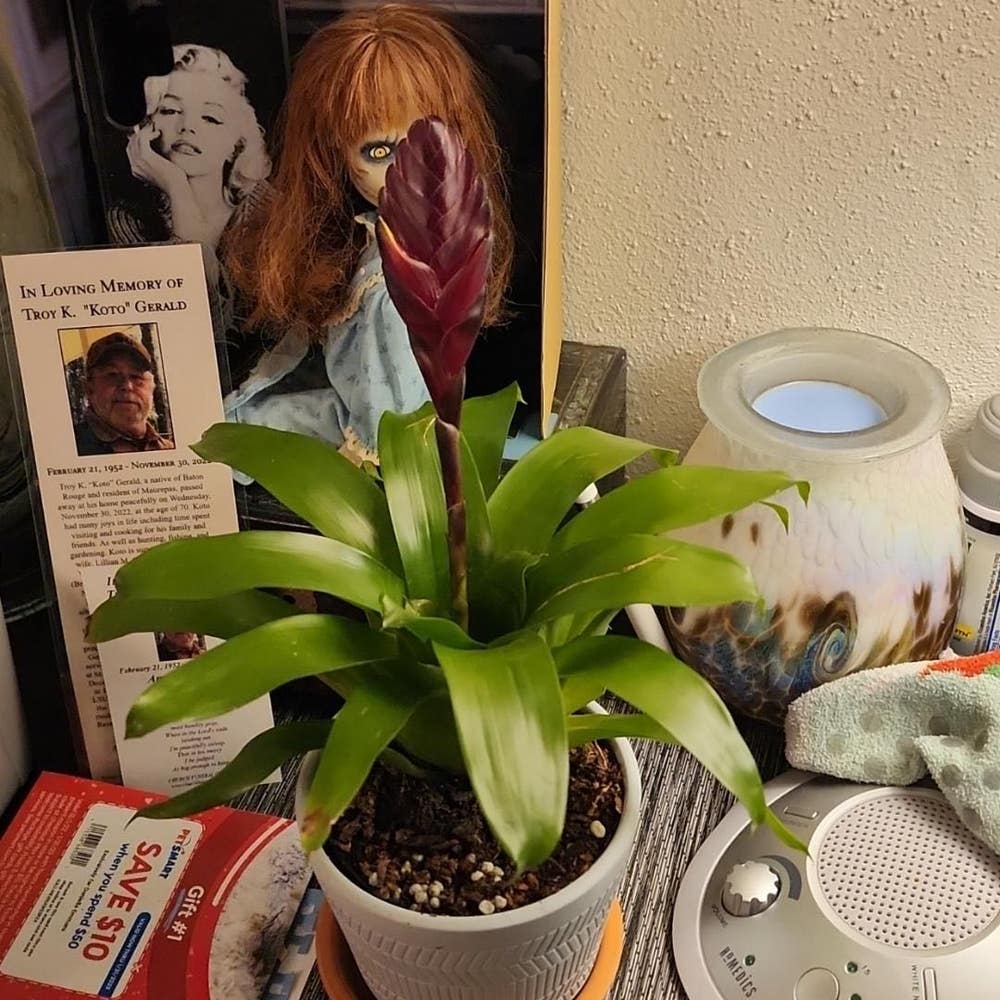
Ultimate Guide to Vriesea piscatrix
Vriesea piscatrix
By the Greg Editorial Team
Feb 26, 2025•13 min read
This article was created with the help of AI so we can cover more plants for you. May contain errors. See one? Report it here.
- 🌞 Vriesea piscatrix thrives in bright, indirect light; avoid direct sunlight to prevent damage.
- 💧 Maintain humidity levels of 60-80% for optimal growth and health of the plant.
- 🌱 Use well-draining soil with a pH of 5.5 to 7.0 for best results.
How to Grow
Choosing the Right Location 🌞
To thrive, Vriesea piscatrix needs bright, indirect light. Direct sunlight can scorch its leaves, so find a spot that offers filtered light.
Humidity is crucial for this plant, ideally between 60-80%. Consider using a humidity tray or misting to maintain these levels.
Temperature is another key factor. Aim for a comfortable range of 20°C to 30°C (68°F to 86°F) for optimal growth.
Soil Preparation 🌱
When it comes to soil, a well-draining mix is essential. Look for one that includes organic matter like peat or bark to support healthy growth.
The pH level should be slightly acidic to neutral, ideally between 5.5 and 7.0. This balance helps Vriesea piscatrix absorb nutrients effectively.
Planting Techniques 🌿
Spacing is important for Vriesea piscatrix. Plant them 12-18 inches apart to allow for optimal growth and airflow.
When planting, ensure you place the plant at the same depth as it was in the nursery pot. This helps prevent stress and promotes healthy root development.
Watering Requirements 💧
Watering frequency is key. Check the top inch of soil; if it feels dry, it’s time to water, usually every 1-2 weeks.
When you water, do so thoroughly, allowing excess to drain away. Avoid letting water pool in the rosette, as this can lead to rot.
Fertilizing Schedule 🌼
For fertilization, use a balanced, water-soluble fertilizer like 20-20-20. This will provide the necessary nutrients for growth.
Fertilize every 4-6 weeks during the growing season, which is spring and summer. This regular feeding supports vibrant foliage and flowering.
Pruning and Ongoing Care ✂️
Regular care includes removing dead leaves. Cut back any brown or wilted foliage to keep the plant looking its best.
To maintain shape, trim the plant to encourage bushier growth. This also helps eliminate any leggy stems that may develop over time.
With these tips, you'll be well on your way to growing a thriving Vriesea piscatrix. Next, let's explore how to propagate this beautiful plant!
Propagation
🌱 Methods of Propagation
Vriesea piscatrix can be propagated through two primary methods: offsets and seeds.
- Offsets: These are small plants that grow from the base of the parent. Remove them when they are at least one-third the size of the parent plant for the best results.
- Seeds: Collect seeds from mature flowers to start new plants.
📝 Step-by-Step Instructions for Each Method
Offsets
- Gently twist or cut the offset from the parent plant.
- Allow the cut to callous for 1-2 days to prevent rot.
- Plant the offset in a well-draining potting mix.
Seeds
- Sow seeds on the surface of a moist, well-draining medium.
- Lightly cover the seeds with soil and maintain humidity.
- Expect germination in about 2-4 weeks.
⏰ Timing and Conditions for Successful Propagation
The best time to propagate offsets is during spring or early summer.
For both methods, aim for warm temperatures and high humidity to encourage healthy growth. This environment mimics the natural conditions Vriesea piscatrix thrives in, ensuring your propagation efforts are successful.
With the right techniques and conditions, you’ll be well on your way to expanding your collection of these stunning plants!
Lifecycle
Lifecycle Overview 🌱
The lifecycle of Vriesea piscatrix unfolds in distinct stages, each crucial for its development. It begins with germination, which takes about 2-4 weeks, followed by the seedling stage lasting 4-6 weeks until true leaves emerge.
Growth Phases 🌿
After the seedling stage, the plant enters vegetative growth, which can last from 6 months to a year until it reaches maturity. Flowering typically occurs 1-2 years after planting, leading to seed production if pollination is successful.
Lifespan and Growth Rate ⏳
Under optimal conditions, Vriesea piscatrix has a lifespan of 3-5 years. During peak growth, it can grow at a moderate rate of 1-2 inches per month, showcasing its resilience and adaptability.
This lifecycle insight helps you understand the plant's needs and care requirements at each stage, ensuring a thriving Vriesea piscatrix in your collection. Next, we’ll explore the size of this stunning bromeliad and what to expect as it matures.
Size
Mature Dimensions and Growth Rate 🌱
Vriesea piscatrix can reach a mature height of 12 to 24 inches (30 to 60 cm) and a spread of 12 to 18 inches (30 to 45 cm). This moderate growth allows it to fit nicely in various indoor and outdoor settings.
Growth Rate Influencers ⏱️
The growth rate of Vriesea piscatrix is moderate, typically growing 1 to 2 inches per month during peak conditions. Factors such as light, humidity, and nutrient availability play crucial roles in determining how quickly your plant will thrive.
Size Variability 📏
Keep in mind that size can vary significantly based on growing conditions. Indoor plants may grow differently than those cultivated outdoors, so be prepared for some surprises as your Vriesea piscatrix develops.
As you consider the size and growth of your Vriesea piscatrix, remember that providing optimal conditions will lead to the best results. Next, let’s explore the fascinating lifecycle of this unique plant.
Roots
🌱 Characteristics of Vriesea piscatrix Roots
Vriesea piscatrix features a fibrous root system that is essential for its growth and stability. These roots are typically shallow, extending only 6-12 inches deep, allowing the plant to absorb moisture and nutrients effectively.
🌍 Root Spread and Function
The roots spread laterally, which helps the plant maximize its access to water and nutrients in the surrounding soil. This adaptation is crucial for thriving in its natural habitat, where resources can be limited.
⚠️ Common Root Issues
Despite their resilience, Vriesea piscatrix roots can encounter problems. Two common issues are root rot, often caused by overwatering, and becoming rootbound, which occurs when the roots fill the pot and have no room to grow.
🔍 Identifying Healthy vs. Unhealthy Roots
Healthy roots are firm and white, indicating a well-functioning plant. In contrast, unhealthy roots appear dark and mushy, signaling potential problems that need addressing.
📏 Recognizing Rootbound Plants
Signs of a rootbound plant include stunted growth and roots growing out of the drainage holes. If you notice these symptoms, it’s time to repot your Vriesea piscatrix into a larger container with fresh soil to promote healthy growth.
📚 Conclusion
Understanding the root characteristics and common issues of Vriesea piscatrix is vital for successful cultivation. By keeping an eye on root health, you can ensure your plant thrives and flourishes in its environment. Next, let’s explore the benefits of growing this stunning bromeliad.
Benefits
🌟 Top 5 Benefits of Growing Vriesea piscatrix
1. Aesthetic Appeal
Vriesea piscatrix boasts striking colors and a unique rosette shape that can elevate any indoor or outdoor space. Its vibrant foliage adds a splash of life and beauty, making it a favorite among plant enthusiasts.
2. Air Purification
This plant is not just a pretty face; it actively helps improve indoor air quality. By filtering toxins, Vriesea piscatrix contributes to a healthier living environment.
3. Low Maintenance
One of the best aspects of Vriesea piscatrix is its low maintenance requirements. Unlike many ornamental plants, it thrives with minimal care, making it perfect for busy individuals or novice gardeners.
4. Humidity Regulation
Vriesea piscatrix plays a role in increasing humidity levels, especially in dry environments. This can be particularly beneficial for other houseplants that thrive in humid conditions.
5. Cultural Significance
Beyond its physical beauty, Vriesea piscatrix holds cultural significance in various societies, especially in South America. It symbolizes beauty and resilience, adding a layer of meaning to your plant collection.
These benefits make Vriesea piscatrix an excellent choice for both aesthetic and practical reasons. Whether you're looking to enhance your space or improve air quality, this plant has you covered.
As we explore further, let’s dive into the best companion plants that can thrive alongside Vriesea piscatrix.
Companion Plants
Best Companions and Planting Considerations 🌱
Companion planting can significantly enhance your gardening experience. By growing plants together, you can enjoy mutual benefits such as pest control and improved growth.
Suitable Companions 🌼
For Vriesea piscatrix, consider pairing it with orchids, ferns, and other bromeliads. These plants thrive under similar humidity and light conditions, creating a harmonious environment.
Plants to Avoid 🚫
Be cautious with heavy feeders like tomatoes or plants that prefer dry conditions. These companions compete for nutrients and moisture, potentially stunting the growth of your Vriesea piscatrix.
Final Thoughts 💭
Choosing the right companions can elevate your gardening game. By selecting plants that complement each other, you not only create a thriving ecosystem but also enhance the beauty of your space. Now that you know about companion planting, let’s explore the fascinating world of Vriesea piscatrix's toxicity to pets.
Toxicity to Humans
Safety Overview 🛡️
Vriesea piscatrix is not listed as toxic by major poison control centers, making it a safe choice for your home.
Minor Issues ⚠️
While generally safe, there is a potential for mild skin irritation or digestive discomfort if consumed in large quantities.
Caution 🚨
If you experience any unusual symptoms after contact or ingestion, it's always best to seek medical advice.
This plant can be a vibrant addition to your space without the worry of toxicity, allowing you to enjoy its beauty with peace of mind.
Toxicity to Dogs
Safety Overview 🐶
Vriesea piscatrix is considered safe for dogs, as it is not listed as toxic by veterinary organizations. This means you can enjoy this beautiful plant without worrying about your furry friends getting sick.
Minor Issues 🤢
While generally safe, consuming large quantities of Vriesea piscatrix may lead to mild gastrointestinal upset in dogs. It's always a good idea to keep an eye on your pet's behavior around new plants.
Tips for Pet Owners 🐾
To ensure your dog's safety, position the plant out of reach of curious noses. Monitoring your dog's interactions with the plant can help prevent any potential issues.
As you explore the joys of growing Vriesea piscatrix, rest easy knowing your canine companions can safely coexist with this stunning addition to your home.
Toxicity to Cats
🛡️ Safety Overview
Vriesea piscatrix is considered safe for cats, as it is not listed as toxic by major pet poison control centers. This means you can enjoy this beautiful plant without worrying about your feline friends getting harmed.
⚠️ Minor Issues
While generally safe, there can be minor issues if a cat consumes too much of the plant. This may lead to mild gastrointestinal upset, but serious problems are rare.
🐾 Tips for Cat Owners
To keep your plant and your cat safe, position Vriesea piscatrix where your curious kitty cannot easily access it. Regularly monitor your cat's behavior around the plant to ensure they aren't nibbling on it excessively.
By taking these simple precautions, you can enjoy the vibrant beauty of Vriesea piscatrix while keeping your furry companion healthy and happy.
Problems
Common Issues and Solutions 🌱
Incorrect Watering
Watering is crucial for Vriesea piscatrix health. Overwatering leads to wilting, while underwatering results in dry, crispy leaves. Adjust your watering frequency based on the top inch of soil moisture.
Incorrect Light Conditions
Light plays a significant role in plant vitality. Too much light can cause leaf burn, while too little light results in leggy growth. If you notice these symptoms, relocate your plant to a spot with appropriate light levels.
Incorrect Temperature
Temperature fluctuations can stress your plant. Stunted growth or leaf drop indicates that the temperature is outside the ideal range. Keep your Vriesea piscatrix in a warm environment, ideally between 20°C to 30°C (68°F to 86°F).
Diseases
Fungal diseases can plague your plant if not monitored. Look for white spots indicating powdery mildew or dark lesions from black rot. To combat these issues, improve air circulation and avoid overhead watering.
Leaf Issues
Leaf problems can signal underlying care issues. Yellowing leaves or fuzzy growth may indicate improper watering or light conditions. Assess your plant's environment and treat for pests if necessary to restore its health.
By addressing these common problems promptly, you can ensure your Vriesea piscatrix thrives beautifully. Next, let’s explore potential pest issues that may arise and how to tackle them effectively.
Bugs
🐜 Potential Pest Issues
While Vriesea piscatrix is generally pest-resistant, it can still fall prey to a few common pests. Being aware of these potential threats is essential for maintaining the health of your plant.
🐞 Common Pests
Spider Mites
- Identification: Look for tiny, web-like structures on leaves and fine stippling.
- Damage: They suck sap, leading to yellowing leaves and overall decline.
- Treatment: Increase humidity and use insecticidal soap or neem oil.
Scale Insects
- Identification: These pests appear as small, brownish bumps on stems and leaves.
- Damage: They weaken the plant by feeding on sap, causing leaf drop.
- Treatment: Wipe them off with a cotton swab dipped in alcohol or use horticultural oil.
Mealybugs
- Identification: Look for white, cottony masses on the plant.
- Damage: They can cause stunted growth and leaf yellowing.
- Treatment: Remove them with a cotton swab soaked in alcohol or apply insecticidal soap.
Aphids
- Identification: Small, green or black insects often found on new growth.
- Damage: They can distort leaves and lead to sooty mold.
- Treatment: Spray with water to dislodge them or use insecticidal soap.
Whiteflies
- Identification: Tiny, white flying insects that appear when the plant is disturbed.
- Damage: They suck sap and can cause yellowing and wilting.
- Treatment: Use yellow sticky traps and insecticidal soap for control.
🔍 Prevention and Monitoring
Regularly inspect your Vriesea piscatrix for signs of pests. Early detection is key to preventing infestations. Keeping your plant healthy through proper care will also enhance its resilience against these pests.
💭 Final Thoughts
By staying vigilant and addressing any pest issues promptly, you can ensure your Vriesea piscatrix thrives. Healthy plants are less likely to attract pests, so focus on providing optimal growing conditions.
Next, let’s explore what animals might be drawn to your beautiful plant and how to keep them at bay.
What Eats
🦌 Common Animals That May Be Attracted
Vriesea piscatrix can attract a variety of animals, including deer, rabbits, squirrels, birds, rodents, and groundhogs. These creatures may find the plant's vibrant foliage appealing, leading to potential damage.
👀 Signs of Presence
Look for telltale signs of animal activity around your Vriesea piscatrix. Chewed leaves, missing plants, or droppings nearby can indicate that these animals are taking an interest in your greenery.
⚠️ Damage Assessment
When animals browse on the leaves, it can result in stunted growth or even plant death. Protecting your plant from these hungry visitors is crucial for its health and longevity.
🚫 Deterrence Methods
To keep these pests at bay, consider using repellents or sprays specifically designed for garden use. Additionally, employing physical barriers like fencing or companion planting can effectively shield your Vriesea piscatrix from unwanted nibblers.
By being proactive, you can enjoy the beauty of your Vriesea piscatrix without the worry of it becoming a snack for local wildlife. Next, let's explore the common pest issues that can affect your plant.
⚠️ Safety First
This content is for general information and may contain errors, omissions, or outdated details. It is not medical, veterinary advice, or an endorsement of therapeutic claims.
Always consult a qualified healthcare professional before using any plant as food, medicine, or supplement.
Never eat any plant (or feed one to pets) without confirming its identity with at least two trusted sources.
If you suspect poisoning, call Poison Control (800) 222-1222, the Pet Poison Helpline (800) 213-6680, or your local emergency service immediately.
Spotted an error? Please report it here.
Create a thriving home for your Vriesea piscatrix 🌿 by using Greg's tailored watering reminders and humidity tracking to keep your plant happy and healthy!