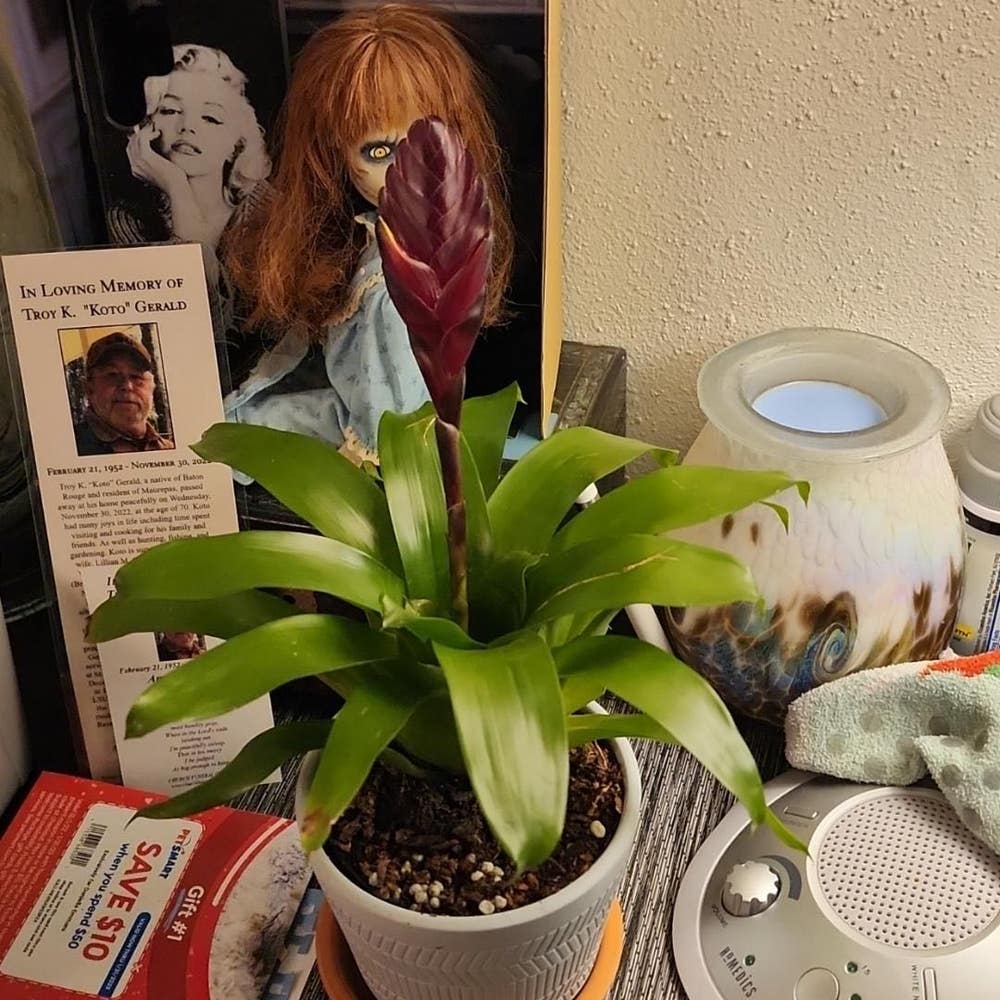
Introduction to Vriesea friburgensis var. friburgensis 🌸
Vriesea friburgensis var. friburgensis
By the Greg Editorial Team
Feb 23, 2025•11 min read
This article was created with the help of AI so we can cover more plants for you. May contain errors. See one? Report it here.
Elevate your home with Vriesea friburgensis 🌱—a stunning, low-maintenance plant that purifies air and sparks joy! ✨
- 🌞 Bright, indirect sunlight is crucial to prevent leaf scorching in Vriesea friburgensis.
- 💧 Humidity levels of 50-70% are essential for this bromeliad's health and growth.
- 🌱 Use well-draining soil and water when the top inch feels dry for optimal care.
How to Grow
🌞 Choosing the Right Location
To thrive, Vriesea friburgensis var. friburgensis needs bright, indirect sunlight. Direct sun exposure can scorch its leaves, so find a spot that offers filtered light.
Humidity is crucial for this plant, ideally between 50-70%. Consider using a humidity tray or misting to maintain these levels, especially in drier environments.
Temperature is another key factor; aim for a range of 20°C to 30°C (68°F to 86°F). Keeping your plant within this temperature zone will promote healthy growth.
🌱 Soil Preparation
For soil, opt for a well-draining potting mix, such as a bromeliad or orchid mix. This ensures that the roots can breathe and prevents water from pooling.
Pay attention to pH levels as well. A slightly acidic to neutral pH (5.5 to 7.0) is ideal for Vriesea friburgensis, supporting optimal nutrient uptake.
🌿 Planting Techniques
When planting in groups, space your plants 12-18 inches apart. This allows each plant enough room to grow without competing for resources.
Choose pots with drainage holes to prevent waterlogging. Hanging baskets can also be a great option for epiphytic growth, adding a unique touch to your space.
💧 Watering Requirements
Water your Vriesea when the top inch of soil feels dry. It's essential to maintain moisture without waterlogging the roots.
Directly water the soil and fill the central cup of the plant to help retain humidity. This dual approach keeps your plant hydrated and happy.
🌼 Fertilizing Schedule
During the growing season, use a balanced, diluted liquid fertilizer, such as 20-20-20. This will provide the necessary nutrients for robust growth.
Dilute the fertilizer to half strength and apply every 4-6 weeks. This schedule helps avoid over-fertilization while ensuring your plant gets what it needs.
✂️ Pruning and Ongoing Care
Regularly check for and remove any dead or brown leaves. This simple task promotes healthy growth and keeps your plant looking its best.
Maintain the shape of your Vriesea by trimming overcrowded areas as needed. This not only enhances its appearance but also improves air circulation around the plant.
With these tips, you’re well on your way to cultivating a vibrant and healthy Vriesea friburgensis var. friburgensis. Next, let’s explore how to propagate this beautiful plant!
Propagation
🌱 Methods of Propagation
Propagation of Vriesea friburgensis var. friburgensis can be achieved through two primary methods: offsets and seeds.
- Offsets: These are small pups that grow from the base of the parent plant. Wait until they reach at least one-third the size of the parent before separating them.
- Seeds: Collect seeds from mature flowers and sow them in a well-draining medium for optimal growth.
📝 Step-by-Step Instructions for Each Method
Offsets
- Wait for Establishment: Ensure pups are well-established before attempting to separate them.
- Separation: Gently twist or cut the pup away from the parent plant.
- Replanting: Place the pup in a suitable potting mix, ensuring it has good drainage.
Seeds
- Prepare Seed Tray: Use a light, well-draining mix to fill your seed tray.
- Sow Seeds: Sprinkle the seeds evenly across the surface and lightly mist them with water.
- Cover for Germination: Use plastic wrap to cover the tray until germination occurs, maintaining humidity.
Propagation can be a rewarding experience, allowing you to expand your collection or share with friends. Whether you choose offsets or seeds, both methods offer unique opportunities to grow this stunning plant.
Size
Mature Height and Spread 🌱
Vriesea friburgensis var. friburgensis typically reaches a mature height of 12 to 24 inches (30 to 60 cm). Its spread can extend up to 18 inches (45 cm) in diameter, making it a striking addition to any plant collection.
Growth Rate and Factors Affecting Size 📈
This plant has a moderate growth rate, which is influenced by several factors. Light, humidity, and nutrient availability all play crucial roles in determining how quickly your Vriesea will thrive.
Size Variability 📏
The size of Vriesea friburgensis can vary significantly based on growing conditions. For instance, optimal light intensity and humidity levels can lead to more robust growth, while subpar conditions may stunt its development.
Understanding these aspects of size will help you create the ideal environment for your Vriesea. With the right care, you can enjoy its vibrant presence in your home or garden.
Roots
Characteristics of the Root System 🌱
Vriesea friburgensis var. friburgensis features epiphytic roots that are shallow and spread out. This unique structure allows the plant to efficiently absorb moisture and nutrients from its environment.
These roots generally spread horizontally rather than growing deep into the soil. This adaptation is essential for thriving in their natural habitats, where they often cling to trees and other surfaces.
Common Root-Related Issues ⚠️
One of the most common problems with Vriesea roots is root rot, which is primarily caused by overwatering. Symptoms include mushy roots and yellowing leaves, signaling that the plant is in distress.
Another issue is becoming rootbound, which occurs when the roots fill the pot completely. Signs of this condition include stunted growth and poor water absorption, indicating that the plant needs more space.
Tips for Managing Root Problems 🛠️
To recognize rootbound plants, look for roots growing out of drainage holes or circling the pot. This is a clear sign that your plant is ready for a new home.
The solution is simple: repot the plant into a larger container with fresh soil. This will give the roots room to grow and help maintain the overall health of your Vriesea.
With proper care, you can ensure that your plant's roots remain healthy and thriving. Now, let’s explore the benefits of growing Vriesea friburgensis var. friburgensis!
Benefits
🌟 Top 5 Benefits of Growing Vriesea friburgensis var. friburgensis
Ornamental Appeal
Vriesea friburgensis var. friburgensis is a stunning addition to any space. Its vibrant colors and unique textures can elevate both gardens and interiors, making it a favorite among plant enthusiasts.
Air Purification
This plant does more than just look good; it actively improves indoor air quality. By filtering pollutants, it contributes to a healthier living environment.
Low Maintenance
For those who may not have a green thumb, this bromeliad is a perfect choice. It requires minimal care compared to many other houseplants, making it ideal for busy lifestyles.
Attracts Pollinators
The beautiful flowers of Vriesea friburgensis var. friburgensis attract bees and hummingbirds. This not only enhances biodiversity but also adds life to your garden.
Cultural Significance
In various cultures, this plant symbolizes beauty and resilience. Growing it can connect you to a rich tapestry of meanings and traditions, adding depth to your gardening experience.
These benefits make Vriesea friburgensis var. friburgensis a fantastic choice for both novice and experienced gardeners alike. Its combination of beauty, ease of care, and ecological contributions ensures it will thrive in your home or garden.
Next, let’s explore the fascinating world of companion plants that can enhance your experience with this bromeliad.
Companion Plants
Explanation of Companion Planting 🌱
Companion planting is a gardening technique that enhances biodiversity and promotes healthy growth. By pairing plants that support each other, you can create a thriving ecosystem in your garden.
List of Compatible Companion Plants 🌼
When growing Vriesea friburgensis var. friburgensis, consider these suitable companions:
- Other Bromeliads: They share similar humidity and light preferences, making them ideal partners.
- Ferns: These shade-loving plants thrive in similar conditions and add lush greenery.
- Shade-Loving Plants: Varieties like hostas or caladiums can complement the aesthetic and environmental needs.
Plants to Avoid Planting Near 🚫
It's best to steer clear of plants that require full sun or dry conditions. These plants may compete for resources, leading to stress for your Vriesea.
By carefully selecting companion plants, you can enhance the beauty and health of your garden. This thoughtful approach not only supports your Vriesea but also creates a vibrant, diverse environment.
Toxicity to Humans
Vriesea friburgensis var. friburgensis is not listed as toxic by major poison control centers or health organizations. This means it’s generally safe for handling and even ingestion in small amounts.
However, it's important to note that consuming large quantities may lead to mild skin irritation or digestive discomfort. Always exercise caution with any plant and consult a medical professional if you experience unusual symptoms after contact or ingestion.
In summary, while this vibrant bromeliad can brighten your space without posing significant health risks, a little mindfulness goes a long way in ensuring a safe and enjoyable experience with your plants.
Next, let’s explore how Vriesea friburgensis interacts with our furry friends, particularly dogs.
Toxicity to Dogs
Vriesea friburgensis var. friburgensis is not considered toxic to dogs according to major pet poison control centers and veterinary organizations. This means you can enjoy this beautiful plant without worrying about your furry friends getting sick.
However, if a dog ingests large quantities, mild gastrointestinal upset may occur. It's always a good idea to keep the plant out of reach of curious dogs to prevent any potential issues.
🐶 Proper Placement
To ensure safety, place your Vriesea friburgensis in areas that are difficult for dogs to access. This simple step can help you avoid any unwanted nibbling.
👀 Monitoring Behavior
Always keep an eye on your dog's behavior around new plants. If you notice any unusual signs or symptoms after introducing a new plant, consult your veterinarian for advice.
With a little care and attention, you can enjoy the beauty of this bromeliad while keeping your canine companions safe.
Toxicity to Cats
Vriesea friburgensis var. friburgensis is not listed as toxic to cats by major pet poison control centers and veterinary organizations. This means you can enjoy the beauty of this plant without worrying about your feline friends.
While it's generally safe, mild gastrointestinal upset may occur if large quantities are ingested. It's always a good idea to keep an eye on your cat's behavior around new plants.
🏡 Proper Placement
To ensure safety, place the plant in areas where cats cannot easily access it. This simple step can prevent any potential mishaps.
👀 Monitoring Behavior
Keep an eye on your cat's behavior around the plant. If you notice any unusual signs, such as excessive chewing or pawing, it might be time to relocate the plant.
In summary, Vriesea friburgensis var. friburgensis is a safe choice for cat owners. Just remember to monitor your pets and place the plant out of reach for peace of mind.
Next, let’s explore the potential problems you might encounter while growing this beautiful bromeliad.
Problems
Common Problems Faced 🌱
Growing Vriesea friburgensis var. friburgensis can be rewarding, but it comes with its share of challenges.
Incorrect Watering: Overwatering leads to yellowing leaves, while underwatering results in dry, crispy foliage.
Incorrect Light Conditions: Insufficient light causes leggy growth, whereas too much light can scorch the leaves.
Diseases: Fungal issues, such as powdery mildew and root rot, can arise; regular inspection of leaves and roots is essential for early detection.
Identification and Solutions for Each Issue 🔍
Overwatering: If you notice yellowing leaves, it’s time to cut back on watering. Improving drainage can also help prevent this issue.
Underwatering: Dry, crispy leaves signal that your plant needs more water. Increase your watering frequency to maintain consistent moisture.
Light Issues: If your plant is leggy or has scorched leaves, consider adjusting its location. Providing optimal light conditions is key to a healthy Vriesea.
By staying vigilant and addressing these common problems, you can ensure your Vriesea thrives beautifully. Next, let’s explore potential pest issues that may affect your plant.
Bugs
🐛 Potential Pest Issues
While Vriesea friburgensis var. friburgensis is generally pest-resistant, it can still attract a few unwelcome guests. Keeping an eye on your plant will help you catch any issues early.
🔍 Identification and Treatment Options for Each Pest
Spider Mites
These tiny pests can be a nuisance, often leaving fine webbing on the leaves. If you spot them, treat your plant with insecticidal soap or neem oil to eliminate the infestation.
Scale Insects
Scale insects can be identified by their sticky residue and small bumps on the leaves. You can remove them manually or apply horticultural oil for effective control.
Mealybugs
Look for cotton-like masses on the leaves, which indicate a mealybug presence. A simple treatment involves using alcohol-soaked cotton swabs to wipe them away.
By staying vigilant and addressing these pest issues promptly, you can keep your Vriesea friburgensis thriving. Next, let’s explore what animals might be tempted to nibble on your beautiful plant.
What Eats
🦌 Common Animals That May Damage
Vriesea friburgensis var. friburgensis can attract a variety of animals. Common culprits include deer, rabbits, squirrels, birds, rodents, and groundhogs.
👀 Signs of Animal Presence and Damage
Keep an eye out for signs of these animals around your plant. Chewed leaves, droppings, and tracks are all indicators that your Vriesea may be a target.
🚫 Methods for Deterring or Managing These Animals
To protect your plant, consider using chemical deterrents. Commercial repellents or homemade solutions, like garlic spray, can be effective.
For a more organic approach, plant deterrent species nearby. Marigolds are a great option, and physical barriers like fencing can also help keep these critters at bay.
With the right strategies, you can enjoy your Vriesea friburgensis without the worry of unwanted nibblers. Next, let’s explore the potential pest issues that can affect your plant.
⚠️ Safety First
This content is for general information and may contain errors, omissions, or outdated details. It is not medical, veterinary advice, or an endorsement of therapeutic claims.
Always consult a qualified healthcare professional before using any plant as food, medicine, or supplement.
Never eat any plant (or feed one to pets) without confirming its identity with at least two trusted sources.
If you suspect poisoning, call Poison Control (800) 222-1222, the Pet Poison Helpline (800) 213-6680, or your local emergency service immediately.
Spotted an error? Please report it here.
Nurture your Vriesea friburgensis to bloom beautifully 🌺 with Greg's tailored care tips and watering reminders that keep your bromeliad thriving!