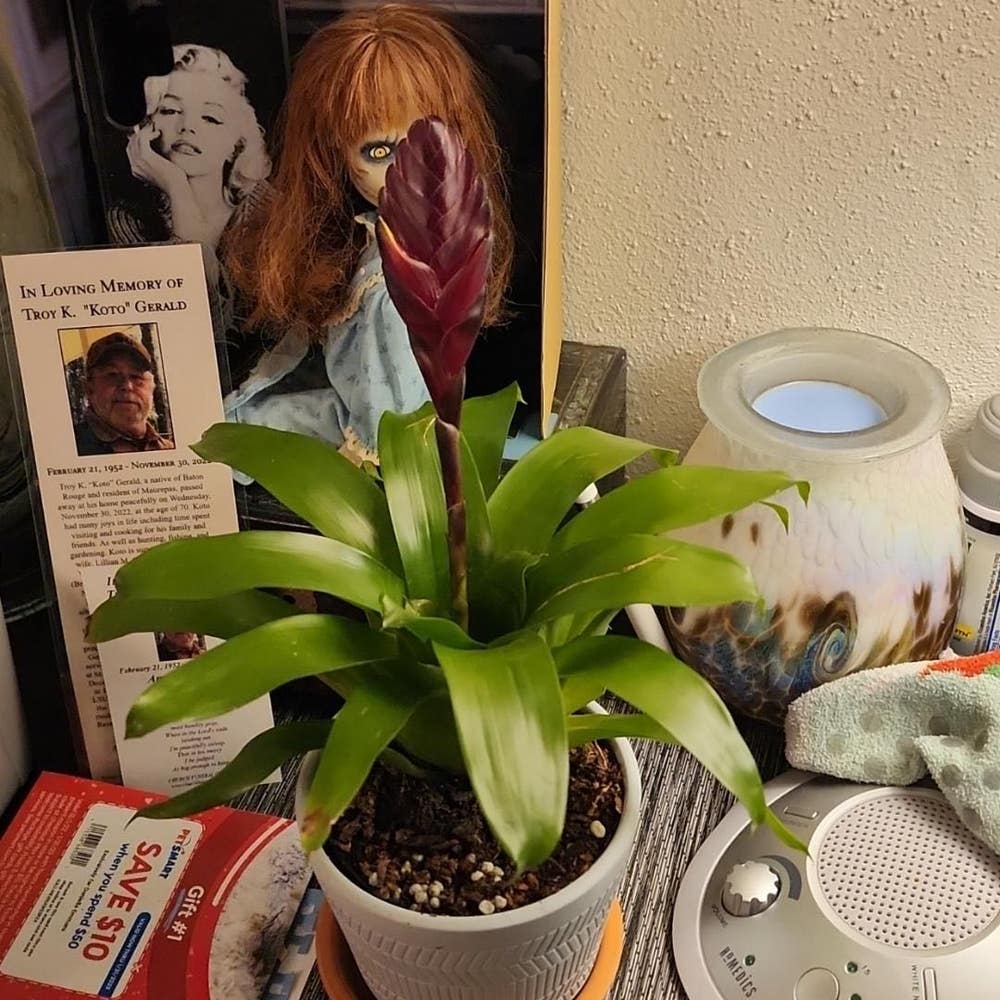
🌺 All About Vriesea fontanae: Essential Facts
Vriesea fontanae
By the Greg Editorial Team
Feb 26, 2025•9 min read
This article was created with the help of AI so we can cover more plants for you. May contain errors. See one? Report it here.
Discover how to effortlessly grow Vriesea fontanae, a stunning plant that brightens your space and purifies the air! 🌱🌺
- 🌞 Vriesea fontanae thrives in indirect light; choose the right spot for growth.
- 💧 Humidity levels of 60-80% are crucial for Vriesea fontanae's health.
- 🌱 Well-draining soil mix is essential; combine orchid bark, peat, and perlite.
How to Grow
Choosing a location 🌞
To thrive, Vriesea fontanae needs indirect light. This ensures optimal growth while protecting the plant from harsh rays.
Humidity is another critical factor; aim for levels between 60-80%. This tropical beauty flourishes in a moist environment.
Temperature is key as well. Keep your plant in an ideal range of 20°C to 30°C (68°F to 86°F) for the best results.
Soil preparation 🏜️
A well-draining soil mix is essential for Vriesea fontanae. Combine orchid bark, peat, and perlite to create the perfect blend.
Pay attention to pH levels too. Maintaining a pH of 5.5 to 6.5 will help your plant thrive.
Planting techniques 👩🌾
When planting, ensure you allow 12-18 inches between each Vriesea fontanae. This spacing promotes good air circulation.
Consider your container options carefully. Use pots with drainage holes or mount your plant on trees for an epiphytic growth style.
Watering practices 🚰
Watering frequency is straightforward: check the top inch of soil. Water when it feels dry to the touch.
For methods, you can either water from the base or mist the leaves. Both techniques help maintain the necessary humidity.
Fertilizing guidelines 🍽️
Use a balanced, water-soluble fertilizer diluted to half strength for Vriesea fontanae. This approach provides essential nutrients without overwhelming the plant.
Fertilize every 4-6 weeks during the growing season. This schedule supports healthy growth and vibrant blooms.
With these guidelines, you'll set your Vriesea fontanae up for success. Next, let's explore propagation methods to expand your collection!
Propagation
🌱 Methods of Propagation
Vriesea fontanae can be propagated through two primary methods: offsets and seeds. Offsets are small plants that grow from the base of the parent, while seeds can be collected from mature flowers.
📝 Step-by-Step Instructions for Each Method
Offsets
- Gently twist or cut the offset from the parent plant when it reaches at least 3 inches tall.
- Allow the cut to callous for 1-2 days before planting.
- Plant the offset in a well-draining mix and water lightly.
Seeds
- Sow seeds on the surface of a moist, sterile seed-starting mix.
- Cover the seeds lightly with soil and maintain humidity until germination.
⏰ Timing and Conditions for Successful Propagation
Offsets are best removed in spring or early summer when the plant is actively growing. For seeds, expect germination within 2-4 weeks under warm conditions, ensuring a cozy environment for those little sprouts.
This propagation process not only expands your collection but also deepens your connection with Vriesea fontanae. Ready to dive deeper into the fascinating world of plant care? Let's explore the size of this stunning species next!
Size
Mature height and spread 🌱
Vriesea fontanae typically reaches a mature height of 12 to 24 inches. Its spread can expand to about 12 to 18 inches in diameter, making it a striking addition to any indoor or outdoor space.
Growth rate and factors affecting size 📈
This plant has a moderate growth rate, which is influenced by several factors, including light, humidity, and nutrient availability. Providing optimal conditions can lead to faster growth, while poor conditions may stunt its development.
Size variability based on growing conditions 🌍
The size of Vriesea fontanae can vary significantly based on its growing conditions. Factors such as container size, soil quality, and environmental elements play a crucial role in determining how large your plant will ultimately grow.
Understanding these aspects of size will help you create the best environment for your Vriesea fontanae. Next, let’s explore the benefits of this unique plant and why it deserves a spot in your collection.
Benefits
Aesthetic Appeal 🌺
Vriesea fontanae boasts striking inflorescences that can elevate both indoor and outdoor spaces. Its vibrant colors and unique shapes make it a standout choice for any plant enthusiast.
Air Purification 🌬️
This plant is not just a pretty face; it actively helps improve indoor air quality. By filtering toxins, Vriesea fontanae contributes to a healthier living environment.
Low Maintenance 🧘♀️
For busy gardeners, Vriesea fontanae is a dream come true. It requires minimal care, allowing you to enjoy its beauty without the stress of constant upkeep.
Unique Habitat 🐞
Vriesea fontanae creates a natural habitat for beneficial insects. This ecological role supports local biodiversity, making it a valuable addition to your garden.
Cultural Significance 🌍
Beyond its physical attributes, Vriesea fontanae symbolizes beauty and resilience in tropical ecosystems. Its presence can inspire appreciation for nature's wonders and the importance of conservation.
These benefits make Vriesea fontanae not just a plant, but a meaningful addition to your home and garden. Ready to explore how to grow this stunning species? Let's dive into the next section!
Companion Plants
👫 Understanding Companion Planting
Companion planting involves growing different plants together to enhance growth and deter pests. This practice can lead to healthier plants and a more vibrant garden.
🌱 Compatible Companion Plants
When selecting companions for Vriesea fontanae, consider these options:
- Orchids: They thrive in similar humidity and light conditions, making them ideal partners.
- Ferns: These plants provide ground cover and help maintain humidity levels.
- Bromeliads: Sharing similar care requirements, they complement Vriesea fontanae beautifully.
🚫 Plants to Avoid
It's wise to steer clear of heavy feeders like tomatoes or corn. These plants can compete for nutrients, potentially stunting the growth of your Vriesea fontanae.
Companion planting not only enhances the beauty of your garden but also promotes a healthier ecosystem. By choosing the right partners, you can create a thriving environment for your Vriesea fontanae and its companions.
Next, let's explore the fascinating world of Vriesea fontanae's toxicity to pets.
Toxicity to Humans
Vriesea fontanae is considered safe for humans, according to major poison control centers. This means you can enjoy its beauty without worrying about harmful effects.
However, there are minor issues to be aware of. Consuming large quantities may lead to mild skin irritation or digestive discomfort.
It's always wise to exercise caution. If you experience unusual symptoms after contact or ingestion, seek medical advice promptly.
Toxicity to Dogs
Vriesea fontanae is considered safe for dogs, as it is not listed as toxic by major pet poison control centers. This means you can enjoy this beautiful plant without worrying about your furry friends getting sick.
However, if your dog decides to munch on it, there could be minor issues like mild gastrointestinal upset from eating large quantities. It's always a good idea to keep an eye on your pets, especially when introducing new plants into your home.
To ensure safety, place your Vriesea fontanae out of reach of curious dogs. Monitoring their behavior around new plants can help prevent any accidental snacking.
With the right precautions, you can enjoy the beauty of Vriesea fontanae while keeping your canine companions safe and sound.
Next, let's explore the plant's toxicity to cats, as understanding all aspects of plant safety is essential for pet owners.
Toxicity to Cats
Vriesea fontanae is considered safe for cats, as it is not listed as toxic by major pet poison control centers. This means you can enjoy this beautiful plant without worrying about your feline friends.
However, if your cat decides to munch on the leaves, there could be minor issues like mild gastrointestinal upset from consuming large quantities. It's always a good idea to monitor your cat's behavior around new plants.
To keep your Vriesea fontanae safe, position it in areas that are inaccessible to your curious cats. This way, you can enjoy the plant's vibrant beauty while ensuring your pets remain healthy and happy.
As with any plant, if you notice any unusual symptoms in your cat after contact or ingestion, it's best to consult a veterinarian for advice. Keeping your plants and pets safe can be a balancing act, but with a little care, you can create a harmonious environment.
Next, let’s explore common problems that may arise while caring for your Vriesea fontanae.
Problems
Common Problems Faced 🌱
Growing Vriesea fontanae can be rewarding, but it's not without its challenges. The most common issues include incorrect watering, light conditions, and temperature extremes.
Overwatering is a frequent culprit, leading to root rot, while underwatering can cause wilting. Both scenarios can stress your plant and hinder its growth.
Identification and Causes of Issues 🔍
Identifying problems early can save your plant. Fungal diseases like powdery mildew and black rot thrive in humid conditions, so keep an eye out for these.
Leaf issues such as yellowing or fuzzy growth often signal underlying problems. These symptoms can indicate stress from improper care or disease.
Solutions for Resolving Common Problems 🛠️
To tackle watering issues, adjust your frequency based on the environment. If the top inch of soil is dry, it’s time to water.
For light problems, reposition your plant to ensure it receives the right amount of indirect light. Lastly, maintain stable temperatures to prevent stress, keeping your Vriesea fontanae thriving and vibrant.
With these solutions, you can enjoy a healthy, flourishing plant. Next, let’s explore potential pest issues that could affect your Vriesea fontanae.
Bugs
🐛 Potential Pest Issues
Vriesea fontanae is generally pest-resistant, making it a robust choice for indoor and outdoor gardens. However, it can still fall victim to certain pests that may cause damage if not addressed promptly.
🔍 Identification and Damage Caused by Pests
- Spider Mites: Look for fine webbing and stippled leaves, which indicate these tiny pests are at work.
- Mealybugs: These appear as white cottony masses on leaves and stems, often clustering in hidden spots.
- Aphids: Small green or black insects that cause leaf curling can be a sign of aphid infestation.
🧪 Effective Treatment Options
To combat these pests, consider using insecticidal soap or neem oil, both effective treatments for managing infestations.
🚫 Prevention
Regularly inspect your plants and maintain healthy growing conditions to deter pests from taking hold. Keeping your Vriesea fontanae in optimal conditions will not only enhance its beauty but also minimize the risk of pest problems.
With these tips, you can ensure your Vriesea fontanae remains healthy and vibrant, ready to thrive in your garden. Next, let’s explore what animals might be interested in snacking on your beautiful plant.
What Eats Vriesea fontanae
🦌 Common Animals That May Damage
Vriesea fontanae can attract a few hungry visitors.
- Deer: Look for nibbled leaves and tracks nearby.
- Rabbits: Chewed foliage and droppings are telltale signs.
- Squirrels: Missing flower spikes indicate their playful munching.
🕵️♂️ Signs of Animal Presence and Types of Damage
Identifying animal damage is crucial for protecting your plant.
- Browsing on Leaves: This can leave jagged edges and holes.
- Uprooting Plants: Some animals may disturb the roots.
- Trampling: Footprints or flattened foliage can signal larger animals.
🚫 Methods for Deterring or Managing Animal Pests
Keeping your Vriesea fontanae safe from these critters is essential.
- Chemical Methods: Use repellents or sprays designed to deter animals.
- Organic Methods: Consider physical barriers like fencing or netting to keep them at bay.
By being proactive, you can enjoy the beauty of your Vriesea fontanae without the worry of unwanted munchers. Next, let’s explore common problems that may arise while caring for this stunning plant.
⚠️ Safety First
This content is for general information and may contain errors, omissions, or outdated details. It is not medical, veterinary advice, or an endorsement of therapeutic claims.
Always consult a qualified healthcare professional before using any plant as food, medicine, or supplement.
Never eat any plant (or feed one to pets) without confirming its identity with at least two trusted sources.
If you suspect poisoning, call Poison Control (800) 222-1222, the Pet Poison Helpline (800) 213-6680, or your local emergency service immediately.
Spotted an error? Please report it here.
Unlock the secret to thriving Vriesea fontanae 🌿 with Greg's tailored care tips and reminders, ensuring your plant flourishes in its perfect environment!