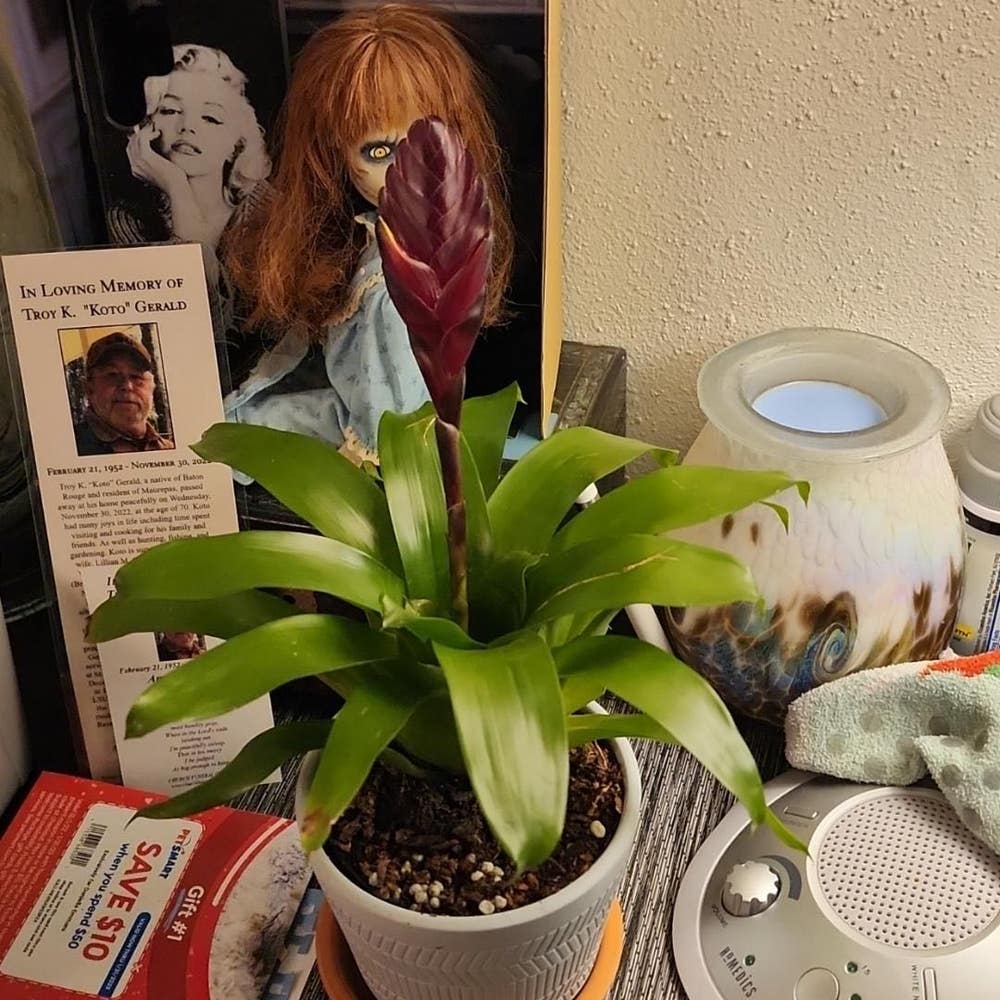
Ultimate Guide to Vriesea densiflora
Vriesea densiflora
By the Greg Editorial Team
Feb 23, 2025•12 min read
This article was created with the help of AI so we can cover more plants for you. May contain errors. See one? Report it here.
- 🌞💧 Vriesea densiflora thrives in high humidity and indirect sunlight for optimal growth.
- 🌱 Use a bromeliad-specific mix and water with distilled or rainwater to prevent issues.
- 🐾 Safe for pets - Vriesea densiflora is non-toxic to humans, dogs, and cats!
How to Grow
Choosing the Right Location 🌞
To thrive, Vriesea densiflora needs indirect sunlight. Aim for high humidity levels between 60-80% to keep your plant happy.
The ideal temperature range for this bromeliad is between 20°C to 30°C (68°F to 86°F). Keeping these conditions in mind will set your plant up for success.
Soil Preparation and Potting Mix Recommendations 🪴
For soil, a well-draining potting mix is essential, preferably one designed for bromeliads. The pH level should be slightly acidic to neutral, ideally between 5.5 and 7.0.
Aeration is crucial for healthy roots. Incorporating perlite or orchid bark into your mix can significantly improve drainage.
Planting Techniques 🌱
When selecting a container, always choose pots with drainage holes. This prevents water from pooling, which can lead to root rot.
If planting outdoors, opt for a shaded area that receives filtered light. Ensure the base of the rosette sits above the soil line to promote healthy growth.
Watering and Fertilizing 💧
Water your Vriesea densiflora when the top inch of soil feels dry. This simple schedule helps maintain moisture without overwatering.
Use distilled or rainwater to avoid chemical buildup in the soil. Fertilize every 4-6 weeks during the growing season with a balanced, water-soluble fertilizer diluted to half strength.
Pruning and Ongoing Care ✂️
Regularly prune dead or damaged leaves at the base to encourage new growth. This not only keeps your plant looking tidy but also promotes overall health.
Keep an eye out for pests and diseases with regular inspections. Adjust your care routine seasonally by reducing watering during the winter months.
With these tips, you’ll be well on your way to cultivating a thriving Vriesea densiflora. Next, let’s explore how to propagate this beautiful plant!
Propagation
🌱 Methods of Propagation
Vriesea densiflora can be propagated through two primary methods: offsets and seeds.
Offsets are the easiest way to expand your collection. These pups should be allowed to grow until they reach about one-third the size of the parent plant.
Seeds offer a more challenging but rewarding option. Collect seeds from mature flowers and prepare for germination.
📋 Step-by-Step Instructions
🌿 Offsets
- Wait for Growth: Ensure pups are at least 3 inches tall before attempting to separate them.
- Separation: Gently twist or cut the pup from the parent plant, taking care not to damage either.
- Potting: Plant the offset in a suitable potting mix, ideally bromeliad-specific for best results.
🌾 Seeds
- Sowing: Sow seeds on the surface of a moist, sterile medium, ensuring they have room to breathe.
- Covering: Lightly cover the seeds and maintain high humidity until germination occurs, which can take a few weeks.
By following these steps, you can successfully propagate Vriesea densiflora and enjoy its beauty in multiple locations. Next, let’s explore the fascinating lifecycle of this unique plant.
Lifecycle
Lifecycle Overview 🌱
Understanding the lifecycle of Vriesea densiflora is essential for successful cultivation. This plant goes through several distinct stages, each contributing to its overall growth and health.
Germination 🌱
The journey begins with germination, which typically takes 2-4 weeks for seeds to sprout. Patience is key during this phase as the seeds awaken and prepare for life.
Seedling Stage 🌱
Once germinated, the plant enters the seedling stage, lasting about 2-3 months. During this time, it develops its first rosette, setting the foundation for future growth.
Vegetative Growth 🌱
Following the seedling stage, Vriesea densiflora enters an active vegetative growth phase. This period can last several months, during which the plant focuses on expanding its foliage and strengthening its structure.
Flowering 🌸
After 1-3 years of growth, the plant is ready to flower. This stunning display is a significant milestone, marking the culmination of its development.
Average Lifespan ⏳
The average lifespan of Vriesea densiflora ranges from 3-5 years. Notably, flowering occurs only once in its lifetime, making it a special event for any plant enthusiast.
Understanding these stages helps you appreciate the growth journey of Vriesea densiflora. With proper care, you can witness each phase and enjoy the beauty it brings to your space.
Next, let’s explore how to effectively propagate this captivating plant.
Size
🌱 Growth Characteristics
Vriesea densiflora typically reaches an average mature height of 12 to 24 inches (30 to 60 cm). Its spread generally ranges from 12 to 18 inches (30 to 45 cm), making it a striking addition to any plant collection.
🚀 Growth Rate
This plant has a moderate growth rate, which is significantly influenced by factors such as light, humidity, and nutrient availability. Optimal conditions can lead to more vigorous growth, while subpar environments may slow it down.
📏 Size Variability
The size of Vriesea densiflora can vary based on whether it’s grown indoors or outdoors. Outdoor plants often benefit from natural humidity and light, potentially leading to larger sizes compared to their indoor counterparts.
💧 Impact of Humidity
Humidity plays a crucial role in the overall size of Vriesea densiflora. Higher humidity levels can promote healthier growth, while dry conditions may stunt its development.
Understanding these growth characteristics can help you provide the best care for your Vriesea densiflora, ensuring it thrives in your home or garden. Next, let’s explore the fascinating process of propagating this beautiful plant.
Roots
🌱 Root System Characteristics
Vriesea densiflora features a fibrous, shallow root system that typically resides within the top 6 inches of soil. This structure allows the plant to absorb moisture and nutrients efficiently while remaining stable in its pot.
🚫 Common Root-Related Issues
One of the most common problems with Vriesea roots is root rot, which often results from overwatering. To prevent this, ensure your pot has proper drainage and avoid letting the plant sit in water.
👀 Identifying Healthy vs. Unhealthy Roots
Healthy roots are firm and light-colored, indicating vitality and good health. In contrast, unhealthy roots appear dark and mushy, signaling potential issues that need immediate attention.
🪴 Recognizing Rootbound Conditions
If you notice roots growing out of the drainage holes, your plant may be rootbound. The solution is simple: repot the Vriesea into a larger container to give those roots room to thrive.
Understanding the root system of Vriesea densiflora is crucial for its overall health. By monitoring root conditions and ensuring proper care, you can help your plant flourish beautifully.
Next, let's explore the benefits of having this stunning plant in your home.
Benefits
Top 5 Benefits 🌟
1. Aesthetic Appeal
Vriesea densiflora boasts a unique rosette shape and vibrant flowers that can elevate any decor. Its striking appearance makes it a favorite among plant enthusiasts and interior decorators alike.
2. Air Purification
This plant is not just a pretty face; it actively helps improve indoor air quality. By filtering out toxins, Vriesea densiflora contributes to a healthier living environment.
3. Low Maintenance
If you're looking for a plant that requires minimal care, this is it. Vriesea densiflora thrives with little attention, making it perfect for busy individuals or novice gardeners.
4. Humidity Enhancement
In dry indoor environments, Vriesea densiflora can increase humidity levels. This is particularly beneficial during winter months when indoor air tends to be drier.
5. Symbolism
Beyond its physical beauty, Vriesea densiflora symbolizes resilience and beauty in various cultures. Having this plant in your home can serve as a reminder of strength and grace.
With these benefits, it's clear why Vriesea densiflora is a popular choice for plant lovers. Whether you're drawn to its beauty or its air-purifying qualities, this plant is a fantastic addition to any space. Next, let’s explore how to propagate this stunning plant and share its beauty with others.
Companion Plants
🌱 Companion Planting Benefits
Companion planting involves growing compatible species together to enhance growth and health. This practice can lead to improved nutrient uptake, pest control, and overall plant vitality.
🌼 Suitable Companions
When it comes to Vriesea densiflora, consider pairing it with orchids, ferns, and other bromeliads. These plants thrive in similar humidity and light conditions, creating a harmonious environment that benefits all.
🚫 Incompatible Plants
On the flip side, avoid planting heavy feeders like tomatoes or peppers nearby. These plants compete for nutrients, potentially stunting the growth of your Vriesea.
By choosing the right companions, you can create a thriving ecosystem in your garden or home. This not only enhances the beauty of your space but also promotes healthier plants overall.
Toxicity to Humans
Safety Overview 🌱
Vriesea densiflora is not listed as toxic, meaning it poses no known harmful effects from handling or ingestion. This makes it a great choice for indoor environments, allowing you to enjoy its beauty without worry.
General Safety ⚠️
While generally safe, there can be minor issues like mild skin irritation or digestive discomfort if consumed in large quantities. It's always wise to consult a medical professional if you experience any unusual symptoms after contact or ingestion.
Caution 🐾
Even though Vriesea densiflora is considered safe, it's best to keep it out of reach of small children and pets. This precaution helps prevent any accidental ingestion and ensures a worry-free experience with your plant.
As you explore the joys of growing Vriesea densiflora, remember that knowledge is power. Understanding its safety profile allows you to appreciate this stunning plant fully while keeping your home safe and healthy.
Next, let’s dive into the safety of Vriesea densiflora for our furry friends!
Toxicity to Dogs
Safety Overview 🐶
Vriesea densiflora is not listed as toxic to dogs, making it a safe choice for pet owners. Major pet poison control centers confirm that this plant poses no significant health risks when ingested.
General Safety ⚠️
While Vriesea densiflora is generally safe, excessive consumption may lead to mild gastrointestinal upset. It's always wise to monitor your dog's interactions with the plant to prevent any unwanted chewing.
Tips for Pet Owners 🏡
To keep your furry friends safe, consider placing the plant out of reach. This simple step can help discourage any curious nibbles and ensure a harmonious home environment.
As you enjoy the beauty of Vriesea densiflora, rest easy knowing your dog can share your space without worry. Now, let’s explore how this vibrant plant can thrive alongside your other houseplants!
Toxicity to Cats
Safety Overview 🐱
Vriesea densiflora is not listed as toxic to cats, making it a safe choice for pet owners. According to major pet poison control centers, there are no significant health risks associated with ingestion.
General Safety 🛡️
While your feline friend can safely interact with this plant, it's worth noting that excessive consumption might lead to mild gastrointestinal upset. Keeping an eye on your cat's behavior around the plant can help prevent any potential issues.
Tips for Care 🌿
To discourage chewing, consider placing the plant out of reach. Monitoring your cat's interactions with Vriesea densiflora ensures a harmonious environment for both your pet and your plant.
As you explore the joys of keeping Vriesea densiflora, remember that its vibrant beauty can coexist safely with your furry companions. Next, let’s dive into the common problems that may arise while caring for this stunning bromeliad.
Problems
Common Problems 🌱
Growing Vriesea densiflora can be a rewarding experience, but it's essential to be aware of common problems that may arise.
Incorrect Watering 🚰
One of the most frequent issues is incorrect watering. Overwatering can lead to yellowing leaves, while underwatering results in dry, crispy foliage.
Incorrect Light Conditions 💡
Light conditions also play a crucial role in the plant's health. Too much direct sunlight can cause leaf burn, leaving your beautiful plant looking less than its best.
Diseases 🦠
Fungal diseases, such as powdery mildew and root rot, can plague your Vriesea. These issues often stem from poor air circulation or excessive moisture, so keep an eye out for signs of distress.
Leaf Issues 🍃
Finally, watch for leaf issues like scorching, yellowing, or fuzzy growth. These symptoms can indicate stress, often due to environmental factors or care missteps.
By staying vigilant and addressing these common problems, you can ensure your Vriesea densiflora thrives beautifully. Next, let's explore the pests that might invade your plant and how to manage them effectively.
Bugs
🐞 Pest Issues
Vriesea densiflora is generally resilient, but it can still fall prey to certain pests. Keeping an eye out for these common culprits will help you maintain a healthy plant.
🦠 Common Pests
- Spider Mites: These tiny pests can be a real nuisance. Look for fine webbing and stippled leaves as signs of their presence.
- Mealybugs: Recognizable by their white, cottony masses, mealybugs can weaken your plant if left unchecked.
- Aphids: These small, soft-bodied insects can cluster on new growth, sucking the sap and causing damage.
🔍 Identification and Damage
Identifying pests early is crucial for effective treatment. Spider mites leave behind fine webbing and cause stippling on leaves, while mealybugs create a cottony appearance that can be alarming.
🧴 Treatment Options
When it comes to pest control, you have effective options. Neem oil is a natural remedy that disrupts the life cycle of pests, while insecticidal soap can help eliminate infestations without harming your plant.
Regular inspections and prompt action will keep your Vriesea densiflora thriving. By staying vigilant, you can enjoy the beauty of this plant without the worry of pests.
Next, let’s explore what animals might be interested in munching on your Vriesea densiflora.
What Eats
Common Animals 🦌
Vriesea densiflora can attract a variety of hungry critters.
Deer are particularly fond of these plants, leaving behind signs like chewed leaves and broken stems.
Rabbits also enjoy nibbling on the lower leaves, which can lead to noticeable damage.
Squirrels may strip bark or dig around the base, causing further distress to your plant.
Deterrent Methods 🚫
To protect your Vriesea densiflora, consider using commercial deer or rabbit deterrents.
Planting strong-smelling herbs nearby can also help keep these animals at bay.
By taking these precautions, you can enjoy your beautiful bromeliad without the worry of it becoming a snack for local wildlife.
Next, let’s explore the common problems that can affect your Vriesea densiflora and how to tackle them effectively.
⚠️ Safety First
This content is for general information and may contain errors, omissions, or outdated details. It is not medical, veterinary advice, or an endorsement of therapeutic claims.
Always consult a qualified healthcare professional before using any plant as food, medicine, or supplement.
Never eat any plant (or feed one to pets) without confirming its identity with at least two trusted sources.
If you suspect poisoning, call Poison Control (800) 222-1222, the Pet Poison Helpline (800) 213-6680, or your local emergency service immediately.
Spotted an error? Please report it here.
Nurture your Vriesea densiflora to bloom beautifully 🌺 by using Greg's tailored watering alerts and humidity tracking to keep your plant thriving!