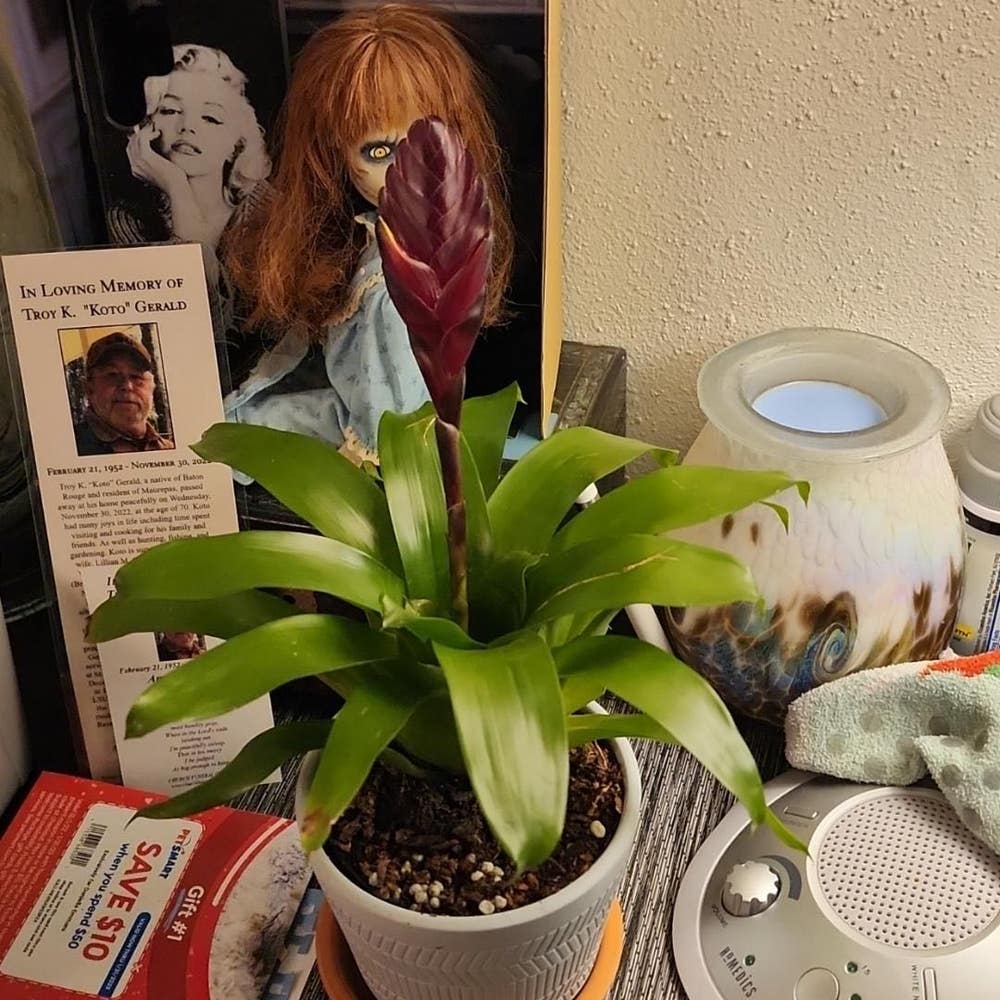
Everything You Need to Know About Vriesea claudiana
Vriesea claudiana
By the Greg Editorial Team
Feb 26, 2025•11 min read
This article was created with the help of AI so we can cover more plants for you. May contain errors. See one? Report it here.
Elevate your home with Vriesea claudiana, a vibrant, low-maintenance plant that purifies air and delights the senses! 🌱✨
- 🌞 Vriesea claudiana thrives in bright, indirect light; avoid direct sunlight to prevent scorch.
- 💧 High humidity (60%+) is essential; use humidifiers or water trays for optimal growth.
- 🌱 Non-toxic to pets, making it a safe choice for homes with animals.
How to Grow
🌞 Location and Soil
To thrive, Vriesea claudiana needs bright, indirect light. Direct sunlight can scorch its delicate leaves, so it's best to keep it in a well-lit spot that avoids harsh rays.
Humidity is crucial for this plant; it prefers levels of 60% or more. If your home is dry, consider using a humidifier or placing a tray of water nearby to maintain moisture.
Temperature also plays a significant role in its growth. Aim for a range between 18°C to 30°C (65°F to 86°F) to keep your plant happy and healthy.
For soil, a well-draining mix is essential. A bromeliad or orchid potting mix works wonders, allowing excess water to escape and preventing root rot.
Lastly, consider the pH of the soil. Vriesea claudiana thrives in slightly acidic to neutral conditions, ideally between pH 5.5 to 7.0.
🌱 Planting and Watering
When planting outdoors, space your Vriesea claudiana 12-18 inches apart. This distance allows for proper air circulation and growth.
For container gardening, terracotta pots are a great choice. They provide better aeration and drainage, which is vital for the plant's health.
Watering is straightforward. Check the top inch of soil; if it feels dry, it's time to water. You can either water from the base or fill the central cup of the rosette, ensuring the plant gets the moisture it craves.
🌿 Fertilizing and Pruning
Fertilizing your Vriesea claudiana is essential for robust growth. Use a balanced, water-soluble fertilizer, like a 20-20-20 mix.
Dilute the fertilizer to half-strength and apply it every 4-6 weeks during the growing season. This will provide the nutrients your plant needs without overwhelming it.
Pruning is also important for maintaining its appearance. Remove dead leaves by cutting them at the base, and trim back any leggy growth to encourage a bushier shape.
With these care tips, your Vriesea claudiana will flourish, bringing vibrant life to your space. Next, let’s explore how to propagate this stunning plant!
Propagation
🛠️ Methods and Instructions
Propagation of Vriesea claudiana can be achieved through two primary methods: offsets and seeds. Both approaches are straightforward, making it easy for anyone to expand their collection of these stunning plants.
🌱 Offsets
Offsets, or pups, are small plants that grow at the base of the mother plant.
- Timing: Wait until the pups are at least one-third the size of the mother plant.
- Separation: Gently twist or cut the pup away from the base.
- Planting: Place the pup in a suitable potting mix, ensuring it has good drainage.
🌾 Seeds
Collecting seeds from mature flower spikes is another effective propagation method.
- Sowing: Sow seeds on the surface of a well-draining mix.
- Moisture: Lightly mist the seeds to keep them moist.
- Covering: Use plastic wrap to cover the pot until germination occurs.
Both methods are rewarding and can lead to a thriving collection of Vriesea claudiana. Happy propagating!
Lifecycle
Growth Stages 🌱
Understanding the lifecycle of Vriesea claudiana is essential for successful cultivation. It begins with germination, which takes about 2-4 weeks for seeds.
Once germinated, the plant enters the seedling stage, lasting 3-6 months until it establishes a solid foundation. During this time, care is crucial to ensure healthy growth.
After the seedling phase, Vriesea claudiana transitions into vegetative growth, which can last 1-2 years. This stage is vital for building the plant's structure and preparing it for flowering.
Typically, flowering occurs after 2-3 years of growth. This beautiful display marks a significant milestone in the plant's lifecycle.
The overall lifespan of Vriesea claudiana ranges from 3-5 years. Flowering signifies the end of the plant's life cycle, making it a bittersweet moment for any plant lover.
Growth Rate 📈
Vriesea claudiana has a moderate growth rate. Optimal conditions, such as proper light, humidity, and nutrients, can significantly enhance its growth speed.
By providing the right environment, you can witness the vibrant transformation of this stunning bromeliad.
Size
🌱 Growth Characteristics
Vriesea claudiana is a striking plant that can reach a mature height of 18 to 24 inches (45 to 60 cm). Its spread typically ranges from 12 to 18 inches (30 to 45 cm), making it a lovely addition to any indoor or outdoor space.
🚀 Growth Rate
This plant has a moderate growth rate, which means it won't take over your space too quickly. Its growth is heavily influenced by factors like light, humidity, and nutrient availability, so providing optimal conditions can help it flourish.
📏 Size Variability
The size of Vriesea claudiana can vary significantly based on its growing conditions and care. With the right attention, you can encourage it to reach its full potential, showcasing its beautiful rosette shape and vibrant colors.
As you consider adding this stunning plant to your collection, remember that its size and growth characteristics can be shaped by your care routine. Next, let’s explore the benefits of growing Vriesea claudiana and why it’s a fantastic choice for plant enthusiasts.
Benefits
Advantages of Growing 🌱
Vriesea claudiana offers a multitude of benefits that make it a fantastic addition to any plant lover's collection.
Aesthetic Appeal
Its unique rosette shape and vibrant bracts add a splash of color and intrigue to your space. This eye-catching plant can serve as a stunning focal point in any room or garden.
Air Purification
Beyond beauty, Vriesea claudiana contributes to improved indoor air quality. It helps filter out toxins, making your environment healthier and more pleasant.
Low Maintenance
This plant is perfect for those who may not have a green thumb. It requires minimal care compared to many other houseplants, making it an ideal choice for busy individuals.
Humidity Regulation
Vriesea claudiana naturally adds moisture to the air, which is especially beneficial in dry environments. This can help create a more comfortable atmosphere in your home.
Cultural Significance
In various cultures, this plant symbolizes beauty and resilience. Growing it can connect you to these deeper meanings, enriching your gardening experience.
With all these advantages, it's clear that Vriesea claudiana is not just a pretty face; it's a valuable addition to your plant collection. Next, let’s explore the best companion plants to pair with this stunning bromeliad.
Companion Plants
Understanding Companion Planting 🌱
Companion planting is all about creating a harmonious garden environment. By pairing plants that benefit each other, you can enhance growth, deter pests, and improve overall plant health.
Compatible Plants 🌼
When it comes to Vriesea claudiana, several companions thrive alongside it:
- Orchids: Their similar humidity and light needs make them great partners.
- Ferns: These lush plants can help maintain moisture levels in the air.
- Bromeliads: Sharing the same family, they complement each other beautifully.
Plants to Avoid 🚫
While some plants work well together, others can clash. Steer clear of heavy feeders like tomatoes, which can compete for nutrients. Additionally, avoid plants that prefer dry conditions, as they can create an unsuitable environment for your Vriesea.
Final Thoughts 💭
Choosing the right companions for your Vriesea claudiana not only enhances its beauty but also promotes a thriving ecosystem in your garden. By understanding which plants work well together, you can create a vibrant and healthy space that flourishes.
Next, let’s explore the fascinating world of Vriesea claudiana's toxicity to humans, dogs, and cats.
Toxicity to Humans
🛡️ Safety Overview
Vriesea claudiana is not listed as toxic by major poison control centers, making it a safe choice for your home. You can handle and even ingest it in small amounts without significant risk.
⚠️ Minor Issues
While generally safe, some individuals may experience mild skin irritation from the sap or contact with the plant. Additionally, consuming large quantities could lead to minor digestive discomfort.
🩺 Cautionary Note
Always seek medical advice if you notice any unusual symptoms after handling or consuming parts of the plant. It's better to be safe and informed when it comes to plant interactions.
This plant's safety profile makes it an appealing option for both novice and experienced plant enthusiasts. Now that you know about its toxicity, let’s explore how Vriesea claudiana interacts with our furry friends!
Toxicity to Dogs
Safety Overview 🐶
Vriesea claudiana is not listed as toxic to dogs by major pet poison control centers. This means your furry friends can safely coexist with this beautiful plant without significant health risks.
Potential Minor Issues 🤢
While generally safe, consuming large quantities of the plant may lead to mild gastrointestinal upset in dogs. It's always wise to monitor your pet's behavior around the plant to prevent any unwanted munching.
Tips for Dog Owners 🏡
To ensure a harmonious environment, consider placing the Vriesea claudiana in areas that are less accessible to your dog. Regularly observe your pet's interactions with the plant to catch any potential issues early on.
This plant can be a stunning addition to your home, bringing vibrant colors and unique shapes without the worry of toxicity to your canine companions. Next, let’s explore how Vriesea claudiana interacts with our feline friends.
Toxicity to Cats
Safety Overview 🐱
Vriesea claudiana is not listed as toxic to cats by major pet poison control centers. This means your feline friends can safely coexist with this vibrant plant without significant health risks.
Minor Concerns ⚠️
While generally safe, there can be minor issues if a cat consumes large quantities. You might notice mild gastrointestinal upset, but this is rare and usually not serious.
Care Tips 🌿
To ensure a harmonious environment, consider the placement of your Vriesea claudiana. Keep it out of reach if your cat is prone to nibbling on houseplants.
Monitoring Behavior 👀
It's always a good idea to monitor your cat's behavior around the plant. This way, you can quickly address any curiosity before it leads to unwanted munching.
With these precautions, you can enjoy the beauty of Vriesea claudiana while keeping your furry companions safe. Next, let’s explore how this plant interacts with dogs.
Problems
🌱 Common Issues with Vriesea claudiana
Growing Vriesea claudiana can be a rewarding experience, but like any plant, it can face challenges. Understanding these common issues will help you maintain a healthy and vibrant plant.
💧 Incorrect Watering
Watering is crucial for Vriesea claudiana. Overwatering can lead to yellowing leaves, while underwatering results in dry, crispy foliage.
☀️ Light Conditions
Light plays a significant role in the plant's health. Too much direct sunlight can scorch the leaves, while insufficient light can cause leggy growth, making the plant look weak and stretched.
🦠 Diseases
Fungal diseases can also affect your plant. Powdery mildew is a common issue, presenting as white spots on the leaves, which can be unsightly and harmful.
🌿 Root Problems
Root health is vital for overall plant vitality. Overwatering can cause root rot, leading to squishy roots that indicate decay. Always check the roots if you notice any signs of distress in your plant.
By being aware of these potential problems, you can take proactive steps to ensure your Vriesea claudiana thrives. Next, let’s explore how to effectively manage pests that may invade your plant.
Bugs
Pest Management 🐜
While Vriesea claudiana is known for its resilience, it can still encounter a few pesky pests. The most common culprits are spider mites and mealybugs, which can disrupt your plant's health if not addressed promptly.
Identifying Pests 🔍
Spider Mites: Look for fine webbing on the leaves and tiny specks moving around. They thrive in dry conditions, so keep an eye out, especially in low-humidity environments.
Mealybugs: These appear as small, white, cottony masses on the leaves and stems. They can be tricky to spot but are often found in leaf axils.
Treatment Options 💊
To combat these pests effectively, consider using neem oil or insecticidal soap. Both options are gentle yet effective against soft-bodied insects.
Neem Oil: Mix according to the instructions and spray directly on the affected areas. This natural remedy disrupts the pests' life cycle.
Insecticidal Soap: Apply as directed, ensuring thorough coverage of the plant. This option suffocates pests on contact.
Prevention Tips 🚫
To minimize pest issues, maintain optimal growing conditions. High humidity and proper watering can deter many pests. Regularly inspect your plant for signs of trouble, and act quickly to keep your Vriesea claudiana thriving.
With these strategies, you can enjoy the beauty of your plant without the worry of unwelcome visitors. Next, let’s explore what animals might be interested in your Vriesea claudiana and how to protect it from them.
What Eats
Common Animal Interactions 🦌
Vriesea claudiana can attract a variety of animals, including deer, rabbits, squirrels, and birds. These creatures may find the plant's vibrant foliage appealing, leading to potential damage.
Signs of Damage 🐾
Keep an eye out for signs that your plant has been nibbled on. Chewed leaves and broken stems are clear indicators that animals are taking an interest in your Vriesea claudiana.
Deterrent Methods 🚫
To protect your plant, consider using deterrent methods. Chemical repellents can be effective, but organic options like fencing or planting companion plants can also help keep these hungry visitors at bay.
By understanding what animals might eat your Vriesea claudiana, you can take proactive steps to safeguard your plant and ensure it thrives in your care.
⚠️ Safety First
This content is for general information and may contain errors, omissions, or outdated details. It is not medical, veterinary advice, or an endorsement of therapeutic claims.
Always consult a qualified healthcare professional before using any plant as food, medicine, or supplement.
Never eat any plant (or feed one to pets) without confirming its identity with at least two trusted sources.
If you suspect poisoning, call Poison Control (800) 222-1222, the Pet Poison Helpline (800) 213-6680, or your local emergency service immediately.
Spotted an error? Please report it here.
Nurture your Vriesea claudiana to thrive 🌱 with Greg's tailored watering reminders and humidity tips, ensuring it flourishes beautifully in your home!